Master how to find your personal style & boost confidence
how to find your personal style

Master how to find your personal style & boost confidence

Unlock your unique fashion identity and build a wardrobe that authentically represents you, enhancing self-expression and confidence.

Start Your Style Journey

Key Takeaways

  • ✓ Personal style is an evolving reflection of your identity, not a fixed destination.
  • ✓ Understanding your body shape and colour palette is foundational to cohesive styling.
  • ✓ A capsule wardrobe built on versatile pieces can simplify daily dressing and enhance style.
  • ✓ Experimentation and mindful consumption are crucial for discovering and refining your aesthetic.

How It Works

1
Introspection & Inspiration Gathering

Begin by looking inward, considering your lifestyle, values, and how you want to feel in your clothes. Simultaneously, gather visual inspiration from various sources to identify recurring themes and aesthetics that resonate with you.

2
Wardrobe Audit & Body Analysis

Thoroughly review your current wardrobe, identifying items that truly spark joy and those that don't. Concurrently, understand your unique body shape and personal colour palette to make informed choices that flatter you best.

3
Experimentation & Signature Element Identification

Actively try on new combinations and styles, pushing beyond your comfort zone. Through this experimentation, you'll begin to identify signature pieces, silhouettes, or colours that feel distinctly 'you' and form the core of your style.

4
Refinement & Mindful Consumption

Continuously refine your style by making conscious purchasing decisions that align with your evolving aesthetic. Focus on quality over quantity, investing in versatile pieces that complement your established personal style.

Understanding Your Fashion Identity and What Drives It
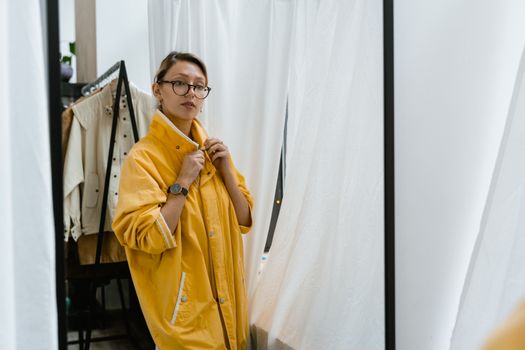
A woman in a yellow coat checks her look in a boutique fitting room mirror. Photo: MART PRODUCTION / Pexels
Embarking on the journey of how to find your personal style is far more than just picking out clothes; it's a deep dive into self-discovery and expression. Your personal style is a visual narrative of who you are, what you value, and how you wish to present yourself to the world. It’s an evolving entity, shaped by your experiences, aspirations, and even your mood on any given day. Many people mistakenly believe that personal style is about following trends or replicating celebrity looks. While inspiration can certainly come from external sources, true personal style stems from an authentic understanding of oneself. It's about feeling comfortable, confident, and genuinely 'you' in what you wear. This introspection is the bedrock upon which a truly unique and sustainable style is built. Consider your lifestyle: Are you a busy professional, a creative artist, a stay-at-home parent, or a frequent traveller? Your daily activities and the environments you navigate significantly influence the practicality and aesthetic of your wardrobe. An office worker might prioritise tailored pieces and classic silhouettes, while a freelancer might lean towards more relaxed, comfortable, yet chic attire. Your values also play a crucial role. Do you prioritise sustainability, ethical production, or local craftsmanship? Incorporating these values into your purchasing decisions not only aligns your wardrobe with your beliefs but also adds a layer of authenticity to your style. Similarly, think about the emotions you want your clothes to evoke – both for yourself and for others. Do you want to project power, creativity, approachability, or sophistication? Different colours, fabrics, and silhouettes communicate different messages. For instance, a sharp blazer might convey authority, while a flowing linen dress might suggest ease and artistic flair. Begin by creating a mood board, not just of outfits, but of feelings, places, and art that inspire you. Use platforms like Pinterest or even a physical scrapbook. Don't limit yourself to fashion images; include architecture, nature, colour palettes, and textures that resonate. This abstract exploration will help you identify overarching themes and aesthetics that you can then translate into your wardrobe. Pay attention to recurring elements – is it a certain colour scheme, a preference for minimalist lines, a love for vintage details, or an affinity for bold prints? These recurring patterns are vital clues to unlocking your inherent style preferences. Reflect on your past fashion choices as well. What outfits have made you feel incredible? What pieces do you consistently reach for? What items languish in your wardrobe unworn? Understanding these patterns can provide valuable insights into what truly works for you and what doesn't. This initial phase of self-reflection and inspiration gathering is crucial. It moves beyond superficial trends and delves into the core of your identity, laying a solid foundation for developing a personal style that is not only aesthetically pleasing but also deeply resonant and empowering. Remember, your style journey is a continuous process of learning and evolving, reflecting the dynamic nature of who you are. Embrace the exploration, as this is where the magic truly begins in defining your unique fashion voice. Delving into the nuances of fashion trends can offer context, but always filter them through your personal lens.

The Practical Steps: Auditing, Analysing, and Experimenting
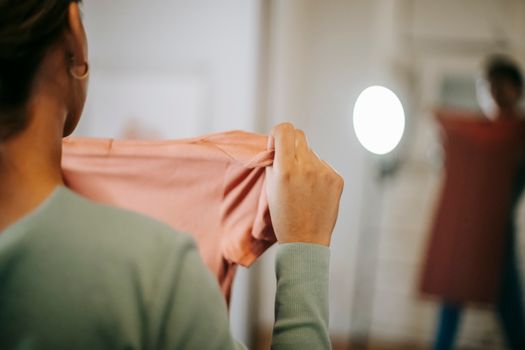
Back view of unrecognizable female in casual clothes showing pink dress while selecting clothes and looking in mirror while standing in light room at home Photo: Liza Summer / Pexels
Once you've established a clearer sense of your internal style compass, the next phase involves practical application and experimentation. This stage is about translating your abstract inspirations into tangible wardrobe decisions. A critical starting point is a comprehensive wardrobe audit. This isn't just about decluttering; it's an archaeological dig into your existing clothing landscape. Take everything out of your wardrobe and sort it into three piles: 'love and wear often,' 'keep but rarely wear,' and 'donate/sell/discard.' Be ruthlessly honest with yourself. For the 'love and wear often' pile, analyse *why* you love those items. Is it the fit, the fabric, the colour, the comfort, or the memories associated with them? These items are key indicators of your burgeoning personal style. For the 'keep but rarely wear' pile, ask yourself why. Do they not fit well? Are they uncomfortable? Do they not align with your current lifestyle? Can they be altered or styled differently? This pile often contains valuable insights into what you *think* you like versus what you *actually* wear. The 'donate/sell/discard' pile should be a liberating experience – letting go of items that no longer serve you creates space, both physically and mentally, for your evolving style. Beyond the audit, understanding your body shape and personal colour palette is paramount. This isn't about conforming to ideals but about dressing in a way that flatters your unique proportions and enhances your natural complexion. There are various body shape classifications (e.g., apple, pear, hourglass, rectangle, inverted triangle), each with recommended silhouettes that best accentuate its features. For example, an A-line skirt might balance wider hips, while a V-neck can elongate a shorter torso. Similarly, a personal colour analysis can identify whether warm or cool tones, and muted or bright shades, best complement your skin, hair, and eye colour. Wearing colours that are harmonious with your natural palette can make you look more vibrant, rested, and put-together, even in the simplest of outfits. There are many online resources and professional stylists who offer colour analysis. Don't be afraid to experiment with different silhouettes and colours during this phase. Try on clothes you wouldn't typically consider. Visit different shops, from high street to vintage boutiques, and just play. Take photos of outfits you like and dislike. This visual record can be incredibly helpful in tracking your progress and identifying patterns. Pay attention to how different fabrics feel against your skin and how they drape on your body. Comfort is a non-negotiable aspect of sustainable personal style. If something is beautiful but uncomfortable, you won't wear it. This experimental phase is not about buying new clothes, but about trying on existing pieces, borrowing from friends, or simply observing how different styles look on others with similar body types. It’s about building a mental library of what works and what doesn’t, honing your eye and developing an intuitive sense for what aligns with your emerging style. This iterative process of trying, observing, and refining is what truly cements your understanding of how to find your personal style in a practical, applicable way.

Building Your Signature Wardrobe and Embracing Evolution
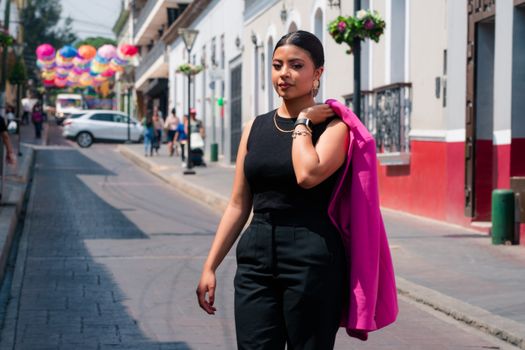
Stylish woman in a black outfit and pink jacket strolling an urban street adorned with colorful decorations. Photo: eduardo199o9 / Pexels
With a clearer vision of your personal style and a practical understanding of what flatters you, the final stage is about building a cohesive, functional, and authentic wardrobe that supports your everyday life. This is where the concept of a 'signature style' comes into play – a collection of elements that are distinctly 'you.' A signature style isn't about having a uniform, but rather about having a consistent thread that runs through your outfits, making them instantly recognisable as yours. This might be a particular colour combination, a preferred silhouette, a specific type of accessory, or even a way of mixing high-end with vintage pieces. Identifying these signature elements comes from the experimentation phase; they are the pieces or combinations that consistently make you feel your best. Consider investing in a 'capsule wardrobe' approach. This doesn't mean limiting yourself to a tiny number of items, but rather curating a collection of versatile, high-quality pieces that can be mixed and matched to create numerous outfits. Focus on foundational items in neutral colours that can be dressed up or down, and then add personality with accessories, statement pieces, and colours that align with your personal palette. Quality over quantity is a key principle here. Investing in well-made garments from durable fabrics not only ensures longevity but also often means a better fit and drape, contributing to a more polished look. This mindful consumption also aligns with sustainability principles, reducing waste and supporting ethical production. As you build your wardrobe, think about outfit formulas. For example, a classic formula might be 'well-fitting jeans + elevated top + statement shoe + interesting jewellery.' Once you have a few go-to formulas, getting dressed becomes effortless, leaving more mental energy for other aspects of your day. Don't forget the power of accessories. Jewellery, scarves, belts, handbags, and shoes can completely transform an outfit and inject your personality without requiring a full wardrobe overhaul. They are often the easiest and most cost-effective way to experiment with trends or add a touch of flair to your signature look. Remember that personal style is not static. It evolves as you grow, your lifestyle changes, and new inspirations emerge. What felt authentic in your twenties might not resonate in your forties, and that's perfectly normal. Be open to revisiting your style periodically, conducting mini-audits, and allowing your aesthetic to adapt. This continuous evolution is what keeps your style fresh, exciting, and truly reflective of who you are at any given moment. Embrace the journey, trust your instincts, and allow your personal style to be a powerful tool for self-expression and confidence. The more you wear what truly makes you feel good, the more confident and authentic you will become, both in your style and in life. This journey is as much about self-acceptance as it is about aesthetics, leading to a deeper understanding of sustainable fashion choices.

Common Pitfalls and How to Avoid Them on Your Style Journey

While the journey to finding your personal style is incredibly rewarding, there are several common pitfalls that can derail your progress or lead to frustration. Being aware of these can help you navigate the path more smoothly and effectively. One of the most significant mistakes is blindly following trends without considering if they align with your body shape, colour palette, or personal aesthetic. Trends can be fun and inspiring, but they should always be filtered through your unique style lens. Just because something is 'in' doesn't mean it's 'in for you.' Buying trendy items that don't suit you often leads to unworn clothes and wasted money. Another common error is comparing yourself too much to others. While seeking inspiration is healthy, trying to directly copy someone else's style will rarely feel authentic. Everyone has a unique body, lifestyle, and personality, and what looks fantastic on one person might not translate well to another. Focus on your own journey and celebrate your individuality. Overconsumption is another trap. The belief that you need to buy a lot of new clothes to find your style is false. In fact, an overflowing wardrobe can often lead to confusion and decision fatigue. A smaller, curated wardrobe of versatile pieces that you genuinely love will serve you far better than a closet packed with items you rarely wear. Impulse buying, often fuelled by sales or fleeting trends, is a major contributor to overconsumption and buyer's remorse. Before purchasing, ask yourself: Does this align with my emerging personal style? Do I already have something similar? Can I create at least three outfits with this item? Does it fit well and feel comfortable? Neglecting fit and comfort is a critical mistake. Even the most beautiful garment will look ill-fitting and feel unpleasant if it doesn't suit your body. Invest in tailoring where necessary; a well-tailored garment can elevate your entire look. Similarly, if something is uncomfortable, you won't wear it, regardless of how stylish it appears. Prioritise comfort as a non-negotiable aspect of your personal style. Finally, don't be afraid to make mistakes. The process of finding your personal style is iterative, involving trial and error. Some experiments won't work out, and that's perfectly fine. Learn from those experiences, adjust your approach, and keep moving forward. Perfection isn't the goal; authenticity and confidence are. By being mindful of these common pitfalls, you can ensure a more positive and successful journey toward uncovering and embracing your truly unique personal style. * **Don't chase every trend:** Filter trends through your personal aesthetic. * **Avoid constant comparison:** Focus on your unique journey, not others'. * **Resist impulse buying:** Make thoughtful purchases that align with your style. * **Prioritise fit and comfort:** Tailoring can transform a garment; wearability is key. * **Embrace experimentation:** Learn from what works and what doesn't.

Comparison

AspectDeveloping Personal StyleFollowing Fast Fashion TrendsAdopting a Uniform
FocusSelf-expression, authenticityCurrent popularity, noveltySimplicity, efficiency
Wardrobe SizeCurated, versatile piecesLarge, frequently updatedMinimalist, repetitive
LongevityHigh, timeless piecesLow, quickly outdatedHigh, consistent
Cost Over TimeLower (fewer, better quality)Higher (constant buying)Moderate (initial investment)
Confidence Boost
SustainabilityHighLowModerate to High

What Readers Say

"This guide completely changed my perspective on how to find my personal style. I used to just buy whatever was fashionable, but now I feel so much more confident and comfortable in my clothes. The introspection exercises were incredibly insightful."

Sarah J. · London, UK

"As someone who always felt lost with fashion, this article was a godsend. The practical steps for the wardrobe audit and understanding body shape were clear and easy to follow. I finally feel like I'm building a wardrobe that truly reflects me."

Mark T. · Manchester, UK

"After reading this, I ditched half my wardrobe and started investing in pieces I genuinely love. My daily dressing time has halved, and I get compliments all the time. It really helped me pinpoint how to find my personal style and stick to it."

Emily R. · Edinburgh, UK

"A very thorough guide with excellent advice. While some steps felt a bit overwhelming at first, the emphasis on evolution rather than perfection was reassuring. I'm still experimenting, but I've made significant progress."

David L. · Bristol, UK

"I used to think personal style was just for fashionistas, but this article showed me it's for everyone. The tips on mindful consumption resonated deeply with me, helping me create a more sustainable and authentic wardrobe for my busy mum life."

Chloe P. · Birmingham, UK

Frequently Asked Questions

What's the very first step to finding my personal style?

The very first step is introspection. Take time to understand your lifestyle, values, and the emotions you want your clothes to evoke. Create a mood board that reflects your inspirations, not just in fashion, but in art, nature, and feelings, to identify core aesthetic preferences.

I feel overwhelmed by all the fashion choices. How do I narrow it down?

Start with a thorough wardrobe audit to understand what you already own and love. Then, focus on understanding your body shape and personal colour palette. This provides objective criteria to narrow down choices and helps you identify what truly flatters you, making decisions much easier.

How often should I revisit or update my personal style?

Personal style is an evolving journey, not a fixed destination. It's healthy to revisit and refine your style periodically, perhaps annually or whenever significant life changes occur. This ensures your wardrobe continues to reflect your current self and lifestyle.

Is finding a personal style an expensive process?

Not necessarily. While quality investment pieces can be more expensive upfront, developing a personal style often leads to buying fewer, more versatile items that last longer, ultimately saving money in the long run. The focus is on mindful consumption and making the most of what you have.

How is personal style different from following trends?

Personal style is about authentic self-expression, creating a cohesive look that reflects your individuality and values. Following trends, on the other hand, involves adopting popular styles, which may or may not suit you, often leading to a less authentic and more fleeting fashion identity.

Who should embark on the journey of finding their personal style?

Anyone who desires to feel more confident, authentic, and comfortable in their clothes should embark on this journey. It's beneficial for individuals looking to streamline their wardrobe, express their individuality more effectively, or simply feel better about their daily appearance.

Is there a risk of getting it 'wrong' when developing personal style?

There's no 'wrong' way to develop personal style, as it's inherently subjective and personal. The process involves experimentation, and some choices might not work out, but these are learning opportunities. The only 'risk' is not trying at all and missing out on the joy of authentic self-expression.

What role will technology play in future personal style development?

Technology is increasingly influencing personal style, with AI-powered stylists offering personalised recommendations, virtual try-on experiences, and data analytics on wardrobe usage. Future trends will likely see even more integration, making style discovery more efficient and tailored to individual preferences.

Ready to unlock your unique fashion voice and step out with unwavering confidence? Our comprehensive guide on how to find your personal style provides all the tools and insights you need. Start your transformative style journey today and build a wardrobe that truly reflects the authentic you.

Topics: how to find your personal styledevelop personal stylefashion identitywardrobe buildingstyle confidence
Leo List
Brampton weed
Adultwork