Unveiling the Latest Fashion Trends 2026 UK
latest fashion trends 2026 UK

Unveiling the Latest Fashion Trends 2026 UK

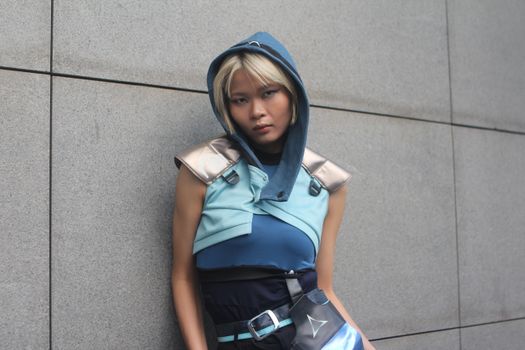
Portrait of a young adult wearing futuristic streetwear fashion with a hooded outfit.Photo: Felix Young / Pexels

Unveiling the Latest Fashion Trends 2026 UK

Explore the definitive guide to what British style will look like in 2026, embracing innovation and individuality.

Explore Future Styles

Key Takeaways

  • ✓ Sustainability will move beyond a trend to become a fundamental pillar of UK fashion in 2026.
  • ✓ Digital fashion and augmented reality (AR) try-ons will significantly influence consumer choices and brand engagement.
  • ✓ Gender-fluid and adaptive clothing designs will gain mainstream acceptance, focusing on inclusivity.
  • ✓ The 'reworked vintage' aesthetic will continue its ascent, emphasizing individuality and conscious consumption.

How It Works

1
Analyze Macro Trends

Fashion forecasting begins by examining broader societal shifts, technological advancements, and economic indicators. These macro trends often dictate consumer behaviour and aesthetic preferences for years to come.

2
Identify Emerging Micro-Trends

Next, forecasters look at catwalks, street style, social media, and subcultures for nascent styles and silhouettes. These early indicators provide clues about specific colours, fabrics, and designs gaining traction.

3
Consult Industry Experts

Insights from designers, textile manufacturers, retail buyers, and fashion journalists are crucial. Their collective expertise helps to validate and refine the identified trends, understanding their commercial viability and potential longevity.

4
Synthesize and Predict

Finally, all gathered data is synthesized to formulate concrete predictions about future fashion directions. This involves identifying key themes, dominant aesthetics, and essential wardrobe pieces for the upcoming seasons.

The Ascendancy of Sustainable UK Fashion in 2026
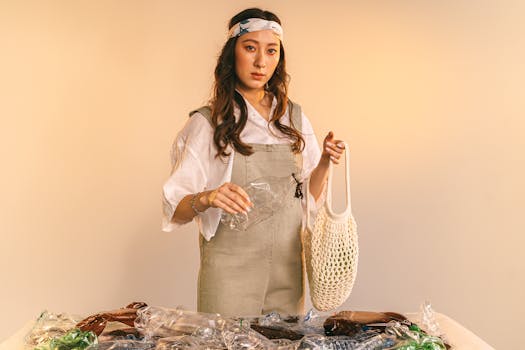
Young woman in studio with mesh bag holding plastic for recycling, promoting zero waste.Photo: AI25.Studio Studio / Pexels
The conversation around sustainability in fashion has been building for years, but by 2026, it will no longer be a niche concern or a marketing buzzword; it will be the bedrock of the UK fashion industry. Consumers, particularly younger demographics, are increasingly informed and demanding transparency, ethical production, and environmental responsibility from brands. This shift is driving innovation across the entire supply chain, from raw material sourcing to garment disposal. In 2026, expect to see a significant rise in garments made from regenerative and circular materials. Think textiles derived from agricultural waste, algae, or even lab-grown fibres that mimic natural properties without the extensive resource drain. Brands will be investing heavily in traceability technologies, allowing consumers to scan a QR code and instantly access information about a garment's origin, manufacturing process, and environmental footprint. This level of transparency will foster trust and empower consumers to make truly informed choices. Furthermore, the concept of 'slow fashion' will continue to gain momentum. This isn't just about buying fewer items, but about investing in high-quality, durable pieces designed to last. Repair, repurpose, and rental services will become commonplace, integrated into the business models of major retailers and independent boutiques alike. The UK government, alongside various industry bodies, is likely to introduce more stringent regulations regarding textile waste and carbon emissions, further pushing brands towards sustainable practices. This will manifest in design choices too; expect timeless silhouettes, versatile pieces that can be styled in multiple ways, and a move away from hyper-seasonal trends that encourage rapid consumption. The focus will be on longevity, versatility, and emotional durability – clothes that not only last physically but also hold sentimental value. This holistic approach to sustainability will redefine luxury, equating it not with exclusivity, but with ethical integrity and environmental stewardship. For consumers, this means a more conscious and considered approach to building a wardrobe, where every purchase is an investment in both personal style and planetary well-being. Explore more about sustainable practices.

Digital Dressing and Augmented Reality: Redefining UK Style

Two young women immersed in a futuristic virtual reality experience, showcasing vibrant technology.Photo: Darlene Alderson / Pexels
The digital realm's influence on fashion will reach new heights by 2026, fundamentally altering how we discover, try on, and even 'wear' clothing. Augmented Reality (AR) will transition from a novelty to an indispensable tool for consumers. Imagine effortlessly trying on an entire outfit from a new collection using your smartphone, seeing how it drapes on your body in real-time, or even projecting it onto a digital avatar that perfectly mirrors your dimensions. This technology will not only enhance the online shopping experience, reducing returns and increasing customer satisfaction, but also blur the lines between physical and virtual wardrobes. Brands will increasingly launch digital-only collections, designed for expression in metaverses or social media, alongside their physical counterparts. These digital garments offer a creative outlet unconstrained by the limitations of physical materials or production costs, allowing for fantastical, impossible designs. The rise of digital fashion will also give birth to new forms of self-expression and ownership, where consumers can curate their virtual identities with as much care as their physical ones. Furthermore, social media platforms will continue to evolve as primary drivers of trends, but with a more sophisticated integration of AR filters and virtual try-ons. Influencers might showcase outfits that are partly physical, partly digital, creating dynamic and interactive content. Personalised AI stylists, capable of analyzing your existing wardrobe, body shape, and style preferences, will become more common, offering tailored recommendations that incorporate both physical and digital items. This digital revolution isn't just about technology; it's about empowerment and accessibility. It allows individuals to experiment with styles they might not dare to wear in real life, fosters a sense of community around shared digital aesthetics, and provides a sustainable alternative to fast fashion by reducing the need for physical samples and overproduction. The UK fashion scene, known for its innovative spirit, will be at the forefront of this digital transformation, with designers and tech companies collaborating to create immersive and interactive fashion experiences that transcend traditional boundaries.

Gender Fluidity and Adaptive Clothing: Inclusivity as a Design Principle
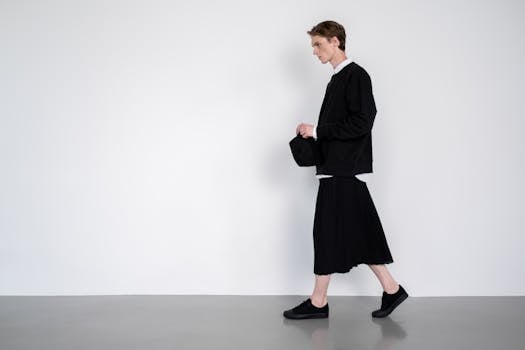
Unisex fashion concept with a model in black attire walking against a white backdrop.Photo: Ron Lach / Pexels
By 2026, the fashion industry in the UK will fully embrace inclusivity as a core design principle, moving beyond token gestures to embed it deeply into the creative process. Gender fluidity, which has been gaining traction, will become a standard consideration rather than a niche trend. Collections will increasingly be designed without strict gender binaries, offering styles, cuts, and sizing that cater to a broader spectrum of bodies and identities. This means more unisex silhouettes, versatile pieces that can be styled in multiple ways, and a focus on fit that prioritises comfort and expression over traditional gendered norms. Retail spaces, both online and physical, will adapt to reflect this, with gender-neutral sections becoming commonplace, encouraging shoppers to choose based on personal preference rather than prescribed categories. Alongside gender fluidity, adaptive clothing will see significant advancements and widespread adoption. Designed for individuals with disabilities or specific needs, adaptive fashion prioritises ease of dressing, comfort, and functionality without compromising on style. Innovations like magnetic closures, adjustable hemlines, sensory-friendly fabrics, and seated-fit designs will become more integrated into mainstream collections. This push is driven by a growing awareness of the diverse needs within the population and a commitment from brands to make fashion accessible to everyone. The UK, with its strong advocacy for diversity and inclusion, is poised to be a leader in this area. Expect collaborations between designers, disability advocates, and technology experts to produce innovative solutions that are both practical and aesthetically pleasing. The impact of these trends extends beyond just clothing; it fosters a more accepting and representative fashion landscape. It challenges preconceived notions of beauty and style, promoting a culture where fashion is a tool for self-expression and empowerment for all, regardless of physical ability or gender identity. This shift reflects a broader societal movement towards greater empathy and understanding, with fashion playing a crucial role in reflecting and shaping these values. Learn more about inclusive design.

Reworked Vintage and Artisanal Craftsmanship: The Allure of the Unique
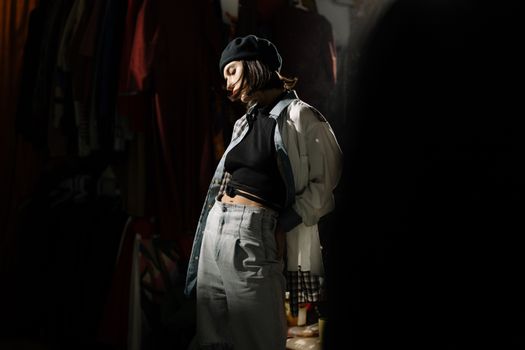
Retro-inspired portrait of a fashionable woman in a casual vintage outfit and beret.Photo: cottonbro studio / Pexels
In 2026, the UK fashion scene will celebrate the unique, the handcrafted, and the re-imagined. The 'reworked vintage' aesthetic will continue its powerful ascent, evolving from a sustainable choice into a high-fashion statement. This trend is driven by a desire for individuality, a rejection of mass-produced uniformity, and a deep appreciation for craftsmanship and history. Designers will increasingly source vintage garments and textiles, deconstructing and reimagining them into entirely new, one-of-a-kind pieces. This could involve intricate embroidery, hand-painting, strategic patching, or the complete transformation of a garment's silhouette. The beauty lies in the imperfections and the narrative embedded within each piece, offering wearers a sense of personal connection and unique style that cannot be replicated. This trend also ties into the broader movement of conscious consumption, as it champions resourcefulness and reduces the demand for new production. Expect to see collaborations between established brands and independent artisans, bringing bespoke detailing and hand-finished touches to broader collections. Artisanal craftsmanship, from intricate knitting techniques to hand-dyed fabrics and bespoke tailoring, will be highly valued. Consumers will seek out pieces that tell a story, reflecting the skill and dedication of their makers. This emphasis on craft also supports local economies and preserves traditional skills, adding another layer of ethical appeal. List of key elements for this trend:
  • Patchwork and Appliqué: Creative use of textile scraps and vintage fabrics.
  • Hand Embellishment: Embroidery, beading, and painting adding unique textures.
  • Deconstructed Silhouettes: Reimagining garment construction for modern appeal.
  • Upcycled Materials: Transforming old items into new, desirable pieces.
  • Bespoke Detailing: Custom touches that ensure no two items are identical.
This trend represents a rebellion against the transient nature of fast fashion, advocating for thoughtful consumption and a return to valuing quality, artistry, and personal expression above all else. It's about building a wardrobe of cherished items, each with its own story and character.

Comparison

Feature2026 Trend FocusTraditional FashionFast Fashion
SustainabilityCircular & RegenerativeLimited focusMinimal to none
Technology IntegrationAR Try-ons, Digital ClothingE-commerce onlyBasic online presence
InclusivityGender-fluid, AdaptiveGendered, Standard sizingLimited diversity
Production ModelCraftsmanship, ReworkedSeasonal collectionsMass production
Consumer ValueLongevity, UniquenessBrand statusPrice, Newness
Ethical Sourcing
PersonalizationHighModerateLow

What Our Readers Say

5 ★★★★★

"This article on the latest fashion trends 2026 UK is incredibly insightful! I'm particularly excited about the shift towards sustainable materials and the rise of digital fashion. It feels like a truly forward-thinking perspective."

5 ★★★★★

"As a fashion design student, understanding the latest fashion trends 2026 UK is crucial for my future. This detailed breakdown of gender fluidity and adaptive clothing gives me so much inspiration for my next collection."

5 ★★★★★

"I've been trying to make more conscious fashion choices, and this guide on the latest fashion trends 2026 UK confirms my belief that sustainability will be key. My wardrobe has already shifted towards more timeless, quality pieces."

4 ★★★★☆

"The insights on augmented reality in fashion were fascinating, though I wonder how accessible it will truly be for everyone. Still, a very comprehensive look at the latest fashion trends 2026 UK."

5 ★★★★★

"The focus on reworked vintage and artisanal craftsmanship in the latest fashion trends 2026 UK really resonates with me. I love finding unique pieces with a story, and it's great to see that becoming mainstream."

Frequently Asked Questions

What will be the most dominant overarching theme for the latest fashion trends 2026 UK?
The most dominant theme for the latest fashion trends 2026 UK will undoubtedly be sustainability and conscious consumption. This encompasses everything from material innovation and ethical production to the longevity of garments and the rise of repair and rental models, influencing both consumer behaviour and brand strategies across the industry.
Will traditional fashion seasons still exist in 2026?
While the concept of distinct Spring/Summer and Autumn/Winter collections will likely persist, their rigidity will diminish. The latest fashion trends 2026 UK will see a move towards more 'drop' based releases and trans-seasonal collections, prioritising versatility and reducing waste associated with hyper-seasonal cycles. Timelessness will be valued over fleeting trends.
How can I start incorporating 2026 trends into my wardrobe now?
To start incorporating the latest fashion trends 2026 UK, focus on investing in high-quality, durable pieces with classic silhouettes that you can envision wearing for years. Experiment with sustainable brands, explore vintage and second-hand options for unique finds, and embrace gender-neutral styling where it aligns with your personal aesthetic. Keep an eye on evolving digital fashion spaces as well.
Will fashion become more expensive due to these shifts?
The initial cost of sustainably produced or artisan-crafted items might be higher than fast fashion. However, the latest fashion trends 2026 UK emphasize longevity and quality, meaning you'll buy less frequently. The rise of rental and resale platforms will also offer more affordable ways to access high-quality or on-trend items, providing diverse price points and value over time.
How will digital fashion impact physical retail stores?
Digital fashion will transform physical retail rather than replace it. Stores will evolve into immersive experiential hubs, offering AR try-on stations, virtual reality experiences, and interactive displays that blend physical products with their digital counterparts. They will become spaces for community, education on sustainability, and personalised styling services, enhancing the overall customer journey.
Who is driving these changes in UK fashion?
These changes in the latest fashion trends 2026 UK are being driven by a confluence of factors: increasingly conscious consumers, particularly Gen Z and younger millennials; technological advancements in areas like AI and AR; growing governmental and regulatory pressure for sustainability; and innovative designers and brands who are pushing creative and ethical boundaries.
Are there any risks associated with the rise of digital fashion?
While digital fashion offers many benefits, potential risks include issues of digital ownership and intellectual property, the digital divide impacting accessibility, and the environmental footprint of the technology itself (e.g., energy consumption for NFTs and metaverse platforms). Industry efforts will focus on mitigating these concerns through ethical frameworks and green tech solutions.
What's the biggest future trend beyond 2026 in UK fashion?
Beyond the immediate latest fashion trends 2026 UK, the biggest future trend is likely to be hyper-personalisation at scale. Advances in AI and bio-fabrication could lead to garments custom-designed and manufactured specifically for an individual's unique biometric data, style preferences, and even mood, blurring the lines between fashion, technology, and biology.

Embrace the future of style by exploring the latest fashion trends 2026 UK has to offer. Start curating a wardrobe that is not only stylish and unique but also sustainable and forward-thinking, making a statement with every conscious choice.

Topics: latest fashion trends 2026 UKUK fashion forecastssustainable fashion UKfuture style predictionsBritish fashion trends
Leo List
Brampton weed
Adultwork