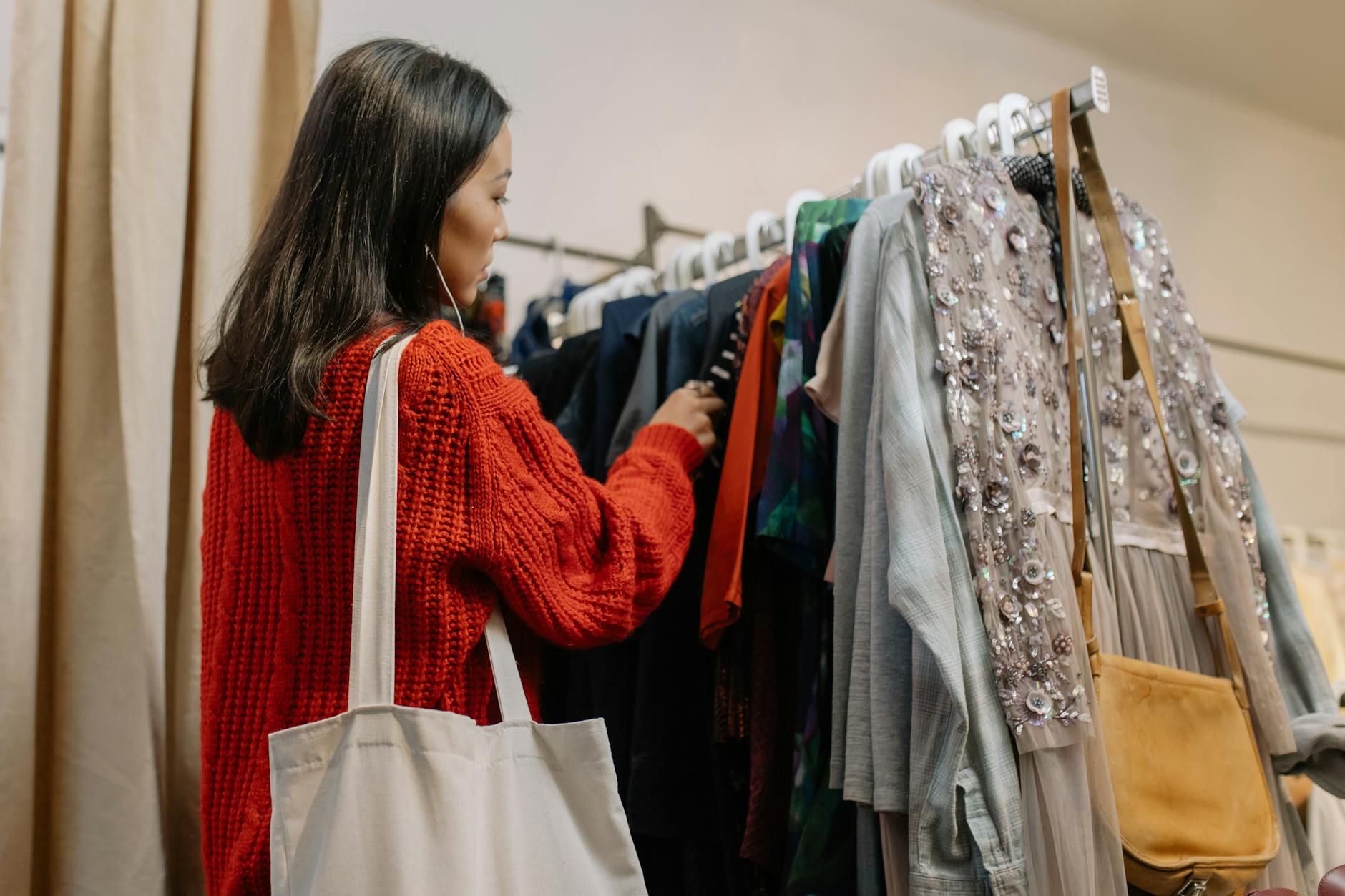

Top Sustainable Fashion Brands UK: Your Ethical Style Guide
sustainable fashion brands UK

Top Sustainable Fashion Brands UK: Your Ethical Style Guide

Trendy woman with eyeglasses holding shopping clothes indoors near a green plant.Photo: MART PRODUCTION / Pexels

Top Sustainable Fashion Brands UK: Your Ethical Style Guide

Navigate the world of ethical fashion with our comprehensive guide to the UK's leading eco-conscious brands.

Explore Ethical Fashion Now

Key Takeaways

  • ✓ The UK sustainable fashion market is rapidly growing, driven by consumer demand for ethical choices.
  • ✓ Many UK brands focus on organic materials, fair labour, and circular economy principles.
  • ✓ Sustainability in fashion encompasses environmental, social, and economic factors.
  • ✓ Choosing sustainable brands helps reduce textile waste and carbon footprint.

How It Works

1
Identify Your Values

Before shopping, consider what aspects of sustainability matter most to you: fair wages, organic materials, recycled content, or local production. This clarifies your search.

2
Research UK Brands

Utilize resources like this guide to discover UK-based brands committed to ethical and sustainable practices. Look for certifications and transparent reporting.

3
Scrutinise Product Information

Examine product descriptions for details on materials, manufacturing processes, and supply chain transparency. Don't be afraid to ask brands questions if information is unclear.

4
Make Conscious Purchases

Invest in high-quality, durable items that you'll wear for years, rather than succumbing to fast fashion trends. Support brands aligning with your ethical priorities.

The Rise of Ethical Clothing UK: Why Sustainability Matters
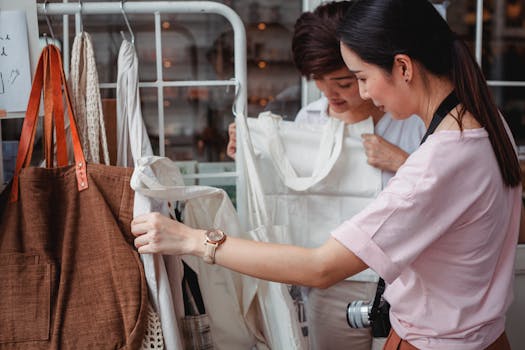
Side view of fashionable young ethnic female friends choosing stylish eco friendly cotton bags in boutiquePhoto: Sam Lion / Pexels
The landscape of fashion is undergoing a profound transformation, driven by an increasing awareness of its environmental and social impact. For decades, the industry operated largely unchecked, with fast fashion models promoting rapid consumption, cheap labour, and extensive waste. However, the tide has turned, and consumers are now demanding more from their clothing brands, particularly here in the UK. The concept of 'ethical clothing UK' is no longer a niche concern but a mainstream movement, reflecting a collective desire for transparency, fairness, and environmental stewardship. This shift is not merely a trend; it's a fundamental re-evaluation of how we produce, consume, and discard clothing. Understanding why sustainability matters is the first step towards making more informed choices. The fashion industry is notoriously resource-intensive. From the vast quantities of water required to grow cotton to the energy consumed in manufacturing and transportation, its ecological footprint is immense. Textile dyeing and finishing processes contribute significantly to water pollution, often discharging toxic chemicals into local ecosystems. Furthermore, the reliance on synthetic fibres like polyester, derived from fossil fuels, perpetuates our dependence on non-renewable resources and contributes to microplastic pollution every time garments are washed. Beyond environmental concerns, the human cost of fast fashion is staggering. Many garment workers, predominantly women in developing countries, endure appalling working conditions, low wages, and a lack of basic rights. The pursuit of ever-lower production costs often comes at the expense of human dignity and safety. This is where the ethical dimension of sustainable fashion becomes critical. Brands committed to ethical practices ensure fair wages, safe working environments, and respect for human rights throughout their supply chains. They often partner with certified factories or engage in direct trade relationships to guarantee workers are treated equitably. In the UK, this movement is gaining significant traction. Consumers are increasingly scrutinising brands' claims and seeking out businesses that genuinely embed sustainability into their core operations. This has led to a burgeoning market of 'sustainable fashion brands UK' that are innovating with materials, production methods, and business models. These brands are not just offering alternatives; they are setting new standards for the entire industry. They demonstrate that style and ethics do not have to be mutually exclusive. By choosing to support these brands, consumers become active participants in driving positive change, contributing to a more equitable and environmentally sound future for fashion. It's about moving away from a linear 'take-make-dispose' model towards a circular economy where resources are valued, reused, and recycled. This holistic approach is essential for mitigating the long-term impacts of our consumption habits. The collective power of consumer choice is a formidable force, and by opting for ethical clothing UK, we can collectively push the industry towards a more responsible and sustainable path.

Key Pillars of Eco-Friendly Fashion Britain
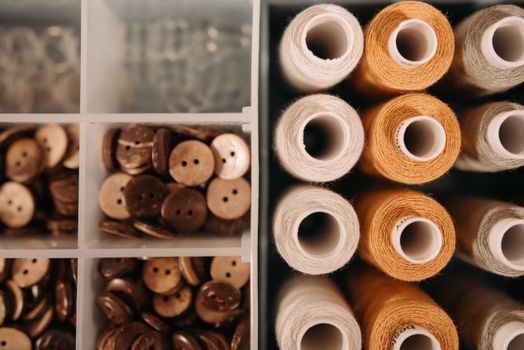
Close-up of spools of thread and wooden buttons in a container, arranged neatly.Photo: Pavel Danilyuk / Pexels
When evaluating 'eco-friendly fashion Britain' brands, it's crucial to understand the various pillars that define true sustainability. It's not just about one factor; rather, it's a multi-faceted approach encompassing material sourcing, production processes, labour practices, and the brand's overall business model. A truly sustainable brand excels in several, if not all, of these areas. Firstly, **Sustainable Materials** are at the heart of eco-conscious clothing. This involves prioritising natural, organic, recycled, or innovative materials that have a lower environmental impact. Organic cotton, for instance, is grown without harmful pesticides and synthetic fertilisers, significantly reducing water pollution and soil degradation. Recycled polyester (rPET) diverts plastic waste from landfills and oceans, transforming it into new textiles. Other materials gaining traction include Tencel (Lyocell), derived from sustainably sourced wood pulp through a closed-loop system, and hemp, which requires minimal water and no pesticides to grow. Brands also explore innovative alternatives like Piñatex (pineapple leaf fibre) or fabrics made from seaweed or mushroom mycelium. The focus here is on materials that are renewable, biodegradable, or can be recycled at the end of their life, minimising reliance on virgin resources. Secondly, **Ethical Production and Labour Practices** are non-negotiable. This pillar addresses the social aspect of sustainability. Brands committed to ethical production ensure fair wages, safe working conditions, reasonable working hours, and the absence of child labour or forced labour throughout their supply chain. Many brands partner with certified factories (e.g., Fair Trade Certified, SA8000) or conduct rigorous audits to ensure compliance. Transparency about their supply chain, from raw material suppliers to garment manufacturers, is a hallmark of truly ethical brands. They often share factory lists, audit reports, or detailed stories about the artisans and workers involved in creating their garments, fostering trust and accountability. Thirdly, **Reduced Environmental Impact** extends beyond just materials. This includes efforts to minimise water usage, energy consumption, and chemical pollution during the manufacturing process. Brands may employ innovative dyeing techniques that use less water or non-toxic dyes, invest in renewable energy sources for their factories, or implement waste reduction strategies like cutting fabric patterns efficiently to minimise textile scraps. Packaging is another critical area, with many brands opting for recycled, recyclable, or compostable materials and reducing unnecessary plastic. Fourthly, a commitment to **Circularity and Longevity** is increasingly vital. Instead of producing items designed for obsolescence, sustainable brands focus on creating high-quality, durable garments that stand the test of time. They may offer repair services, take-back programs for old garments to be recycled or upcycled, or design products for easy disassembly and material recovery. This shift towards a circular model aims to keep resources in use for as long as possible, eliminating waste. Finally, **Transparency and Authenticity** tie all these pillars together. Truly sustainable fashion brands in the UK are open about their practices, challenges, and progress. They provide clear information about their supply chain, certifications, and impact. They avoid 'greenwashing' – making unsubstantiated or misleading claims about their environmental credentials. Consumers are becoming savvier, and authenticity is key to building trust in the sustainable fashion movement. By looking for brands that embody these pillars, consumers can confidently support the growth of eco-friendly fashion Britain.

Spotlight on Leading Sustainable Fashion Brands UK
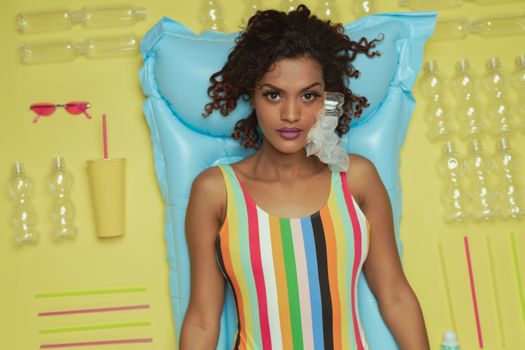
Stylish woman in rainbow swimsuit amidst plastic bottles highlighting pollution and recycling.Photo: Ron Lach / Pexels
The UK is home to an inspiring array of 'sustainable fashion brands UK' that are making significant strides in ethical production, innovative materials, and transparent practices. These brands prove that you don't have to compromise on style to make responsible choices. Let's explore some of the leaders in this space, highlighting what makes them stand out. **People Tree** is often cited as a pioneer in the ethical fashion movement, not just in the UK but globally. Founded in 1991, they have been committed to Fair Trade principles from the very beginning. They work with artisans and farmers in developing countries, ensuring fair wages, safe working conditions, and community development. Their collections feature organic cotton, Tencel, and hand-woven fabrics, with a strong emphasis on traditional craft techniques. People Tree's transparency is exemplary; they provide detailed information about their supply chain and the social impact of their partnerships. Their designs are timeless, comfortable, and versatile, making them a staple for any conscious wardrobe. They prove that ethical sourcing can go hand-in-hand with beautiful design. Fair Trade certification is a cornerstone of their operations. **Thought Clothing** (formerly Braintree Clothing) is another prominent UK brand known for its natural and sustainable materials. They specialise in clothing made from organic cotton, bamboo, hemp, and recycled polyester. Thought prides itself on creating contemporary, wearable pieces that are designed to last. They focus on thoughtful design and high-quality construction, encouraging a 'buy less, buy better' philosophy. Their commitment extends to their packaging, which is often recycled and recyclable. Thought is transparent about its factories and ethical practices, ensuring fair treatment of workers. Their collections typically feature earthy tones, unique prints, and comfortable silhouettes that appeal to a broad audience looking for everyday sustainable style. **Finisterre**, based in Cornwall, is a certified B Corp that epitomises sustainable outdoor and surf wear. Their focus on durability, repairability, and innovative materials sets them apart. They use recycled polyester, organic cotton, and responsibly sourced merino wool. Finisterre is known for its commitment to the circular economy, offering repairs for their garments and actively researching new ways to reduce their environmental footprint. They are transparent about their supply chain and work closely with their factories to ensure ethical practices. Their products are designed to withstand the elements, reflecting their 'cold water surfing' roots, and their commitment to the planet is woven into every fibre. **Pangaia** has rapidly risen to prominence as a science-based materials science company that happens to make clothing. While not exclusively UK-based, their significant presence and innovative approach resonate strongly within the UK sustainable fashion scene. They focus on groundbreaking materials like FLWRDWN™ (a down alternative made from wildflowers), C-FIBER™ (seaweed fibre), and various recycled and organic fabrics. Pangaia's commitment to transparency, material innovation, and impact reporting is impressive. Each product often comes with detailed information about its composition and environmental benefits. They are pushing the boundaries of what's possible in sustainable textiles, offering stylish basics with a high-tech, eco-conscious edge. **Lucy & Yak** has captured a loyal following with its colourful, comfortable, and ethically produced dungarees and other apparel. They are known for their commitment to organic cotton, fair wages, and a transparent supply chain. A significant portion of their manufacturing takes place in India, where they work with a family-run factory that pays living wages and provides excellent working conditions. They are also active in upcycling and using deadstock fabrics, further reducing waste. Lucy & Yak's vibrant aesthetic and strong community focus make them a beloved choice for those seeking playful yet responsible fashion. Their dedication to both people and the planet is evident in every aspect of their brand. These brands represent just a snapshot of the dynamic and growing sustainable fashion landscape in the UK. They demonstrate that ethical choices can be stylish, innovative, and accessible, paving the way for a more responsible future for the industry.

Navigating Your Sustainable Style Journey: Tips and Common Mistakes

Two women browsing colorful clothing racks in a modern boutique.Photo: Ron Lach / Pexels
Embarking on a sustainable style journey in the UK can be incredibly rewarding, but it also comes with its challenges. Knowing how to navigate this path effectively means understanding not just what to do, but also what pitfalls to avoid. Here are some essential tips and common mistakes to help you build a truly conscious wardrobe. **Tips for a Sustainable Wardrobe:** * **Embrace 'Buy Less, Choose Well, Make It Last':** This mantra, popularised by Vivienne Westwood, is the cornerstone of sustainable fashion. Instead of chasing fast fashion trends, invest in high-quality, versatile pieces that you love and that will stand the test of time. This reduces consumption and waste significantly. * **Prioritise Versatility:** Opt for garments that can be mixed and matched to create multiple outfits. A capsule wardrobe approach, where every item works with several others, maximises wear and minimises the need for constant new purchases. * **Repair and Repurpose:** Don't discard items at the first sign of wear. Learn basic mending skills, or seek out local tailors and repair services. Old clothes can often be repurposed into new items or given a fresh lease of life with simple alterations. * **Explore Second-Hand and Vintage:** The most sustainable garment is often one that already exists. UK charity shops, vintage boutiques, online marketplaces like Vinted or Depop, and clothes swap events are fantastic resources for unique and affordable finds. This extends the life of clothing and reduces demand for new production. * **Care for Your Clothes Properly:** Follow washing instructions to prolong the life of your garments. Wash at lower temperatures, air dry when possible, and use eco-friendly detergents. This not only saves energy but also prevents premature wear and tear. * **Question 'Greenwashing':** Be critical of brands that make vague environmental claims without providing specific evidence or certifications. Look for transparency reports, third-party certifications (like GOTS for organic textiles or Fair Trade), and detailed information about their supply chain. * **Support Local and Independent Brands:** Many small, independent UK brands are deeply committed to ethical and sustainable practices. Supporting them often means supporting local economies and artisans, and you can often get a clearer picture of their production methods. **Common Mistakes to Avoid:** * **Falling for 'Greenwashing':** This is arguably the biggest pitfall. Many brands use terms like 'eco-friendly' or 'conscious collection' without genuine substance. Always dig deeper than surface-level claims. If a brand isn't transparent, be wary. * **Over-Consuming 'Sustainable' Fashion:** Even if a garment is made sustainably, buying too much of it still contributes to overconsumption. The goal is to reduce overall consumption, not just shift it to different brands. * **Ignoring the 'People' Aspect:** Sustainability isn't just about the planet; it's also about people. Don't overlook the ethical treatment of garment workers. A brand might use organic cotton but still have exploitative labour practices. * **Expecting Perfection:** No brand is 100% perfect, and the journey to sustainability is continuous. Focus on progress over perfection. Support brands that are genuinely committed to improvement and transparency, even if they're not flawless. * **Dismissing Affordability:** Sustainable fashion can sometimes appear more expensive upfront, but it's an investment in quality and longevity. Avoid the mistake of thinking it's always out of reach; second-hand options and sale periods make it more accessible. Also, consider the cost per wear. * **Becoming Overwhelmed:** The sheer volume of information and choices can be daunting. Start small, make one conscious change at a time, and gradually build your knowledge and sustainable habits. It's a journey, not a race. By keeping these tips in mind and avoiding common missteps, you can confidently navigate the world of sustainable fashion and build a wardrobe that reflects your values without compromising on style or quality.

Comparison

FeaturePeople TreeThought ClothingFinisterrePangaia
Primary FocusFair Trade & OrganicNatural Fibres & ComfortOutdoor & DurabilityMaterial Innovation
Key MaterialsOrganic Cotton, Tencel, HandwovenOrganic Cotton, Bamboo, HempRecycled Poly, Organic Cotton, MerinoFLWRDWN™, Seaweed, Recycled
CertificationsFair Trade, GOTSGOTS (selected items)B CorpVarious, detailed on products
Price PointMid-RangeMid-RangeMid-HighHigh-End
Repair/Recycle Programs✓ (product specific)

What Our Readers Say

5 ★★★★★

"I've been slowly transitioning my wardrobe to include more sustainable fashion brands UK, and People Tree has been a revelation. Their organic cotton dresses are not only beautiful but incredibly comfortable, and knowing they support fair wages makes me feel great about my purchases."

5 ★★★★★

"Finisterre is my go-to for outdoor gear. Their commitment to durability and recycled materials means I'm investing in quality that lasts, and their B Corp status reassures me they're doing things right. I even sent a jacket back for repair, which was fantastic."

5 ★★★★★

"Lucy & Yak's dungarees are a game-changer! They're so vibrant and comfy, and their transparency about worker conditions in India is truly inspiring. My wardrobe feels more ethical and fun since discovering them."

4 ★★★★☆

"Thought Clothing has become a staple for my everyday wear. While not every single item is GOTS certified, their overall commitment to natural fibres and ethical production is clear, and their designs are really practical and stylish."

5 ★★★★★

"Pangaia is on another level with their material innovation. I bought a sweatshirt made from seaweed fibre, and it's incredibly soft and feels revolutionary. It's exciting to see a brand pushing the boundaries of what sustainable fashion can be."

Frequently Asked Questions

What defines a 'sustainable fashion brand' in the UK?
A sustainable fashion brand in the UK typically prioritises environmental protection, ethical labour practices, and transparency throughout its supply chain. This includes using eco-friendly materials, reducing waste and pollution, ensuring fair wages and safe working conditions, and promoting longevity and circularity in their products.
Are sustainable fashion brands in the UK more expensive?
While the initial cost of sustainable fashion can sometimes be higher due to ethical production, quality materials, and fair wages, it's often an investment in durability and longevity. When you consider the 'cost per wear' and the positive impact, it often provides better long-term value than fast fashion. Many affordable second-hand options also exist.
How can I verify if a brand is truly sustainable and not 'greenwashing'?
Look for specific certifications from reputable third-party organisations (e.g., GOTS, Fair Trade, B Corp), detailed transparency reports on their website, information about their supply chain and factories, and clear commitments to environmental and social goals. Vague claims without evidence are red flags.
What are the best materials to look for in sustainable clothing?
Prioritise materials like organic cotton, hemp, linen, Tencel (Lyocell), recycled polyester (rPET), recycled cotton, and innovative bio-based materials. These have lower environmental footprints compared to conventional cotton or virgin synthetic fibres. Avoid conventional virgin polyester and nylon where possible.
How do UK sustainable fashion brands contribute to a circular economy?
Many UK sustainable fashion brands contribute by designing durable products, offering repair services, providing take-back schemes for old garments, using recycled materials, and exploring innovative ways to recycle textiles at the end of their life cycle. This minimises waste and keeps resources in use.
Who should consider buying from sustainable fashion brands UK?
Anyone concerned about the environmental impact of their clothing, the ethical treatment of garment workers, or simply looking for higher quality, longer-lasting garments should consider buying from sustainable fashion brands in the UK. It's a choice for conscious consumers who want their style to align with their values.
Is it safe to buy from smaller, lesser-known sustainable brands?
Yes, many smaller, independent UK brands are deeply committed to sustainability and often have more direct control over their supply chains. Research their 'about us' pages, material sourcing, and production details. Look for customer reviews and their social media presence to gauge their authenticity and commitment.
What is the future outlook for sustainable fashion in the UK?
The future of sustainable fashion in the UK looks bright, with increasing consumer demand, technological advancements in materials, and growing regulatory pressure. More brands are adopting circular models, investing in innovative textiles, and enhancing transparency, making ethical choices more accessible and mainstream than ever before.

Embrace a wardrobe that reflects your values. Explore the incredible range of sustainable fashion brands UK has to offer and make a positive impact with every conscious purchase. Your style can be a force for good.

Topics: sustainable fashion brands UKethical clothing UKeco-friendly fashion Britainconscious fashion UKsustainable clothing brands
Leo List
Brampton weed
Adultwork