✓ Prices for vintage clothing in London can range from £5 market finds to £500 designer pieces.
✓ Popular vintage hotspots include Brick Lane, Notting Hill, and Soho.
How It Works
1
Identify Your Style
Before diving in, consider what era, aesthetic, or specific items you're looking for. This helps narrow down your search and makes the experience more efficient.
2
Explore Key Districts
London's vintage scene is geographically diverse. Focus on areas known for specific types of vintage, like East London for street style or West London for designer finds.
3
Visit Markets & Shops
Engage with vendors and explore both bustling markets and curated boutiques. Each offers a different shopping experience and price point.
4
Inspect & Purchase
Always check items for condition, sizing, and authenticity before buying. Don't be afraid to haggle respectfully at markets for a better deal.
Unearthing London's Best Vintage Boutiques and Shops
Photo: Hub JACQU / Pexels
London is a treasure trove for vintage fashion enthusiasts, offering an unparalleled selection of unique pieces that tell a story. When you're looking for where to buy vintage clothes London, it's essential to know that the city's offerings extend far beyond typical high-street chains. From meticulously curated boutiques to sprawling warehouses, there's a style and a price point for everyone.
One of the most iconic areas to begin your vintage journey is East London. Shoreditch and Brick Lane, in particular, are synonymous with vibrant vintage culture. Here, you'll find an eclectic mix of shops like Beyond Retro and Brick Lane Vintage Market, each offering a distinct flavour. Beyond Retro, with its warehouse-style setup, is perfect for those who love to dig, featuring everything from denim jackets and band tees to unique dresses from decades past. The Brick Lane Vintage Market, housed in the historic Old Truman Brewery, is a weekend must-visit, bringing together multiple independent traders under one roof. It's an ideal spot to discover rare finds and soak in the buzzing atmosphere.
Venturing west, Notting Hill offers a more upscale vintage experience. Portobello Road Market, especially on Saturdays, is renowned for its antique and vintage clothing stalls. Here, you might stumble upon designer labels from bygone eras or beautifully preserved classic pieces. Shops like Rellik, nestled just off Portobello Road, are revered for their high-end vintage, often featuring iconic pieces from Chanel, Vivienne Westwood, and other celebrated designers. These boutiques are perfect for investment pieces or special occasion wear.
Central London also holds its own with hidden gems. Soho and Carnaby Street, while known for modern fashion, also house several vintage stores that cater to a more fashion-forward crowd. Think carefully selected streetwear, quirky accessories, and unique statement pieces. The beauty of shopping vintage in London lies in the diversity; every neighbourhood offers a different narrative and a fresh selection. Whether you're a seasoned vintage shopper or just starting, London provides an exciting landscape to explore, making sustainable fashion choices both stylish and accessible. For more insights into ethical consumerism, explore our guide on sustainable fashion brands. Remember, each vintage find is a piece of history waiting to be reloved, reducing your environmental footprint while enhancing your wardrobe with unparalleled character.
Exploring London's Premier Vintage Markets
Photo: Miguel González / Pexels
London's vintage markets are the pulsating heart of its secondhand fashion scene, providing an exhilarating and often more affordable alternative to traditional boutiques. When you're asking where to buy vintage clothes London, these markets are frequently at the top of locals' and tourists' lists alike. They offer a dynamic shopping experience, often accompanied by street food, live music, and a vibrant community atmosphere.
Undoubtedly, the most famous is Portobello Road Market in Notting Hill. While it's famed for antiques, its extensive vintage clothing section, particularly on Saturdays, is a goldmine. Here, you can unearth everything from classic trench coats and retro sportswear to delicate lace dresses and unique accessories. The key to success at Portobello is patience and a keen eye, as treasures are often nestled amongst a vast array of items. It’s a fantastic place to spend a day, browsing stalls, enjoying the street performers, and soaking in the quintessential London vibe.
Another unmissable destination is the Brick Lane Vintage Market, part of the Old Truman Brewery complex in East London. Open every weekend, this indoor market brings together dozens of independent traders, each specialising in different eras and styles. You'll find everything from 1920s flapper dresses to 90s grunge wear, military surplus, and vintage homeware. The sheer volume and variety make it a prime spot for serious vintage collectors and casual browsers alike. It’s also surrounded by other excellent vintage shops and street art, making for a full day of exploration.
Beyond these two giants, other markets offer unique vintage opportunities. Spitalfields Market, also in East London, features a rotating selection of vintage stalls alongside artisan crafts and contemporary fashion. While not solely vintage, its curated offerings often include high-quality secondhand pieces. Camden Market, a perennial favourite, is another sprawling complex where you can find vintage clothing, particularly alternative styles and quirky accessories, amidst its labyrinthine passages. While it can be more tourist-heavy, dedicated searching can yield fantastic results.
Shopping at markets requires a slightly different approach than boutiques. Be prepared to rummage, try things on (often in makeshift changing areas), and don't be afraid to negotiate, especially towards the end of the day. The thrill of the hunt is a significant part of the market experience, and the rewards are often unique pieces that no one else will have, all while supporting small businesses and sustainable fashion practices. These markets epitomise the spirit of where to buy vintage clothes London – diverse, exciting, and full of character.
Sustainable Style: The Benefits of Buying Secondhand Clothing
Photo: cottonbro studio / Pexels
Choosing where to buy vintage clothes London isn't just about acquiring unique fashion; it's a powerful statement about sustainability and ethical consumption. In an era dominated by fast fashion, opting for secondhand clothing is one of the most impactful ways to reduce your environmental footprint and contribute to a more circular economy. The benefits extend far beyond your personal wardrobe, influencing global textile waste and resource consumption.
Firstly, buying vintage significantly reduces demand for new clothing production. The fashion industry is notoriously resource-intensive, consuming vast amounts of water, energy, and raw materials, and often relying on harmful dyes and chemicals. By purchasing an item that already exists, you directly lessen the need for new garments to be manufactured, thereby conserving resources and decreasing pollution. This impact is substantial, considering the average garment travels thousands of miles and uses hundreds of litres of water before it even reaches a store.
Secondly, vintage shopping diverts clothing from landfills. The sheer volume of textile waste generated annually is staggering, with millions of tonnes ending up in landfills where they can take hundreds of years to decompose, releasing harmful greenhouse gases in the process. Giving a pre-loved item a new life keeps it out of the waste stream and extends its useful lifespan. This concept is at the core of the circular economy, where resources are kept in use for as long as possible, extracting the maximum value from them.
Beyond the environmental advantages, vintage clothes often boast superior quality and craftsmanship compared to much of today's fast fashion. Garments from earlier decades were frequently made with higher-quality fabrics and more durable construction, designed to last. This means your vintage purchase is not only unique but also likely to withstand the test of time, offering better value for money in the long run. Many vintage pieces also carry a certain charm and individuality that new clothes simply can't replicate, allowing you to develop a distinct personal style that stands out from the crowd.
Finally, supporting vintage shops and markets often means supporting independent businesses and local economies. These establishments are typically passion projects run by individuals who care deeply about fashion history and sustainability. By choosing to shop with them, you're not just buying clothes; you're investing in a community and fostering a more diverse and interesting retail landscape. For more on making conscious choices, read our article on ethical fashion choices. Embracing vintage in London is a win-win: you get to express your individuality, save money, and make a positive impact on the planet, all while exploring the city's rich fashion heritage.
Tips for Successful Vintage Shopping in London
Navigating the vibrant world of where to buy vintage clothes London can be an exhilarating experience, but a few insider tips can elevate your hunt from good to great. Whether you're a seasoned pro or a curious newcomer, these strategies will help you unearth the best finds and make the most of your vintage adventure.
1. **Go with a Plan, but Be Open to Serendipity:** Have a general idea of what you're looking for – perhaps a specific era, item, or style. This helps narrow your focus. However, the magic of vintage often lies in unexpected discoveries, so remain open to items that catch your eye, even if they weren't on your original list. Sometimes the best pieces are the ones you didn't know you needed.
2. **Inspect Thoroughly:** Always take the time to carefully examine any garment before purchasing. Check for stains, tears, missing buttons, broken zippers, or significant signs of wear. While minor flaws can often be repaired, major damage might make an item unwearable or not worth the investment. Pay close attention to seams, hemlines, and armpits – common areas for wear and tear.
3. **Know Your Measurements (Not Just Sizes):** Vintage sizing can be notoriously inconsistent and differs greatly from modern sizing. Don't rely on the label alone. Bring a tape measure or know your personal measurements (bust, waist, hips, inseam) and compare them to the garment. Trying things on is always best, but if that's not possible, measurements are your next best friend.
4. **Dress for the Occasion:** Wear comfortable clothes and shoes, as you'll likely be doing a lot of walking and rummaging. Opt for layers, especially when visiting markets, as temperatures can vary. Easy-to-remove clothing makes trying things on much quicker and less cumbersome.
5. **Haggle Respectfully (at Markets):** At independent market stalls, there's often room for polite negotiation, especially if you're buying multiple items or if an item has a minor flaw. Start with a fair offer and be prepared to meet in the middle. Always be respectful and friendly – a good rapport can often lead to a better deal.
6. **Consider Dry Cleaning/Washing:** Most vintage items will benefit from a thorough cleaning before wearing. Factor this into your budget and time. Some delicate vintage pieces may require specialist dry cleaning.
7. **Explore Beyond the Obvious:** While famous markets like Portobello and Brick Lane are fantastic, don't shy away from smaller, lesser-known charity shops or specialist vintage stores in residential areas. These often hold hidden gems at bargain prices. Online vintage marketplaces specific to London can also be a great resource.
By following these tips, your quest for where to buy vintage clothes London will be more fruitful, enjoyable, and rewarding, ensuring you find those perfect, one-of-a-kind pieces that truly reflect your individual style.
* **Mistake to Avoid:** Buying without checking condition. A seemingly great deal can quickly turn into a costly repair project if you overlook significant damage.
* **Mistake to Avoid:** Ignoring fit. Vintage items often have unique cuts. Always try on or measure; don't assume it will fit just because the size tag is familiar.
* **Mistake to Avoid:** Not bringing cash to markets. While many vendors accept cards, some smaller stalls might prefer or only accept cash, and it can aid in haggling.
Comparison
Feature
Vintage Boutiques
Vintage Markets
Charity Shops (Thrift)
Price Range
High to Mid
Mid to Low
Very Low
Curated Selection
✓
✗
✗
Variety of Eras/Styles
Focused
Wide
Random
Condition Guarantee
Good to Excellent
Variable
Variable
Shopping Experience
Relaxed, Curated
Bustling, Discovery
Hit-or-Miss
What Readers Say
★★★★★
"I was looking for where to buy vintage clothes London for a 70s themed party and found the perfect jumpsuit at Beyond Retro Brick Lane! The staff were incredibly helpful, and the selection was huge. Definitely my go-to spot now."
Eleanor Vance · Islington, London
★★★★★
"Portobello Road Market on a Saturday is an absolute must for anyone wondering where to buy vintage clothes London. I snagged a fantastic vintage leather jacket for a fraction of what a new one would cost. The atmosphere is brilliant too."
Marcus Chen · Camden, London
★★★★★
"I've been building my sustainable wardrobe, and knowing where to buy vintage clothes London responsibly was key. Rellik in Notting Hill has incredible, high-quality designer pieces that have truly elevated my style. It's an investment, but worth it."
Sophie Davies · Southwark, London
★★★★★
"The Brick Lane Vintage Market is amazing for variety, though it can get quite crowded. I always find something unique, but you really have to dig through the racks. Great for affordable and quirky finds if you have the patience."
Liam Kelly · Hackney, London
★★★★★
"As a fashion student, understanding where to buy vintage clothes London for inspiration is crucial. The sheer range of historical styles available, from small boutiques to huge markets, gives me endless ideas for my designs. It's a living archive!"
Priya Sharma · Kensington, London
Frequently Asked Questions
What are the best areas to find vintage clothes in London?
East London (Shoreditch, Brick Lane) is excellent for general vintage, streetwear, and larger markets. West London (Notting Hill, Portobello Road) is known for more curated, often higher-end vintage and designer finds. Central London (Soho, Carnaby Street) also has niche boutiques.
Is vintage clothing in London expensive?
Prices vary widely. You can find very affordable items in charity shops or at the end of market days (often £5-£20). Mid-range items in larger stores typically cost £20-£80. High-end designer vintage in curated boutiques can range from £100 to several hundred pounds, similar to new designer items.
How can I tell if a vintage item is good quality?
Inspect seams for tightness, check for durable fabrics (natural fibres like wool, cotton, linen often last longer), look for sturdy buttons and well-functioning zippers. Avoid items with significant pilling, stretched elastic, or irreparable stains unless you're a skilled restorer.
Are there specific days for the best vintage shopping at markets?
Yes, Saturday is typically the busiest and best day for most markets like Portobello Road Market and Brick Lane Vintage Market, as all stalls are usually open. Sundays are also good, especially in East London. Weekdays often see fewer stalls but also fewer crowds.
How does buying vintage compare to fast fashion regarding sustainability?
Buying vintage is significantly more sustainable. It reduces textile waste, conserves resources (water, energy) used in new production, and avoids the environmental impact of new garment manufacturing. Fast fashion, conversely, promotes rapid consumption and contributes heavily to pollution and waste.
Who should consider buying vintage clothes in London?
Anyone looking for unique, one-of-a-kind pieces, those interested in sustainable and ethical fashion, individuals on a budget seeking high-quality garments, and fashion enthusiasts who appreciate the history and craftsmanship of clothing from different eras.
What are the risks of buying vintage clothing?
The main risks are condition issues (stains, tears, wear) that might be overlooked, and sizing inconsistencies. Always inspect items thoroughly and try them on if possible. Minor smells can usually be removed with cleaning, but significant damage might be irreversible.
What are the emerging trends in London's vintage scene?
There's a growing trend towards specific decade-focused curation (e.g., 90s streetwear, Y2K fashion), a rise in online vintage marketplaces for local pick-up, and an increasing emphasis on gender-neutral vintage clothing. Sustainability and ethical sourcing continue to be major driving forces.
Now that you know exactly where to buy vintage clothes London, it's time to embark on your own unique fashion adventure. Discover sustainable style, uncover hidden gems, and let your wardrobe tell a story that's uniquely yours.

 Photo: Hub JACQU / Pexels
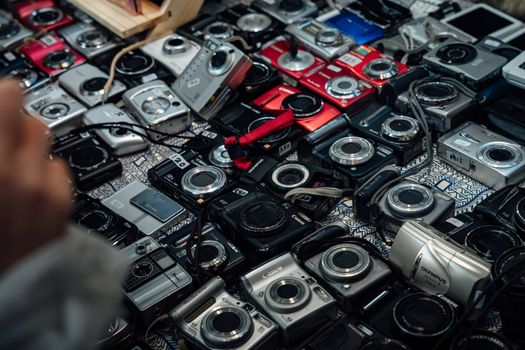 Photo: Miguel González / Pexels
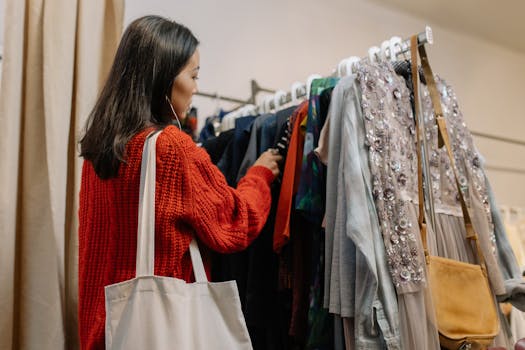 Photo: cottonbro studio / Pexels