✓ The UK sustainable fashion market is rapidly growing, driven by consumer demand for ethical choices.
✓ Many British brands prioritize transparency, using certified organic, recycled, or upcycled materials.
✓ Sustainable fashion encompasses fair labour practices, reduced environmental impact, and circularity.
✓ Investing in sustainable fashion often means higher quality, longer-lasting garments.
How It Works
1
Understand Your Values
Before diving in, consider what aspects of sustainability matter most to you: ethical labour, material sourcing, waste reduction, or animal welfare. This will help you narrow down your search for the perfect brands.
2
Research Reputable Brands
Utilize resources like this guide to identify British brands that are genuinely committed to sustainable practices. Look for certifications and clear communication about their supply chains and environmental initiatives.
3
Evaluate Products and Practices
Examine the materials used, the brand's manufacturing processes, and their commitment to fair wages and working conditions. Don't be afraid to ask questions or look for independent reviews and ratings.
4
Make Informed Purchases
Choose pieces that you truly love and that will last, reducing the need for frequent replacements. Support brands that align with your ethical and environmental principles, contributing to a more sustainable fashion industry.
Navigating the Landscape of Ethical Clothing UK
Photo: Julia M Cameron / Pexels
The quest for the best sustainable fashion brands GB presents a unique opportunity for consumers to align their purchasing power with their values. In an era where fast fashion dominates, the emergence of ethical clothing UK brands offers a refreshing alternative, focusing on longevity, quality, and responsible production. But what exactly defines 'sustainable' in the context of fashion, and why is it becoming increasingly crucial for British shoppers? Sustainability in fashion is a multi-faceted concept, encompassing everything from the environmental impact of raw material cultivation and manufacturing processes to the social welfare of garment workers and the end-of-life cycle of clothing. It's about moving away from a linear 'take-make-dispose' model towards a circular economy, where resources are kept in use for as long as possible. For British brands, this often means a commitment to using organic cotton, recycled polyester, Tencel, or linen, which require less water, pesticides, and energy than conventional alternatives. It also involves ensuring fair wages and safe working conditions for everyone in the supply chain, often through certifications like Fair Trade or GOTS (Global Organic Textile Standard). The UK, with its rich textile history and growing consumer awareness, has become a hub for innovative brands pushing the boundaries of ethical production. These brands are not just offering 'green' products; they are often rethinking the entire business model, from design to distribution. They might use local production to reduce carbon footprints, offer repair services to extend product life, or implement take-back schemes for recycling. Understanding the nuances of sustainable fashion allows consumers to make truly impactful choices. It’s about looking beyond the surface and investigating a brand's entire journey, from fibre to final product. This section will delve deeper into the criteria that define a truly sustainable brand, helping you identify those that are genuinely committed to making a difference. We'll explore the importance of transparency, certifications, and the various ways British brands are innovating to reduce their environmental footprint and promote social equity. By embracing ethical clothing UK brands, you're not just buying a garment; you're investing in a better future for people and the planet.
Spotlight on Eco-Friendly Fashion Great Britain: Brands Leading the Charge
Great Britain is home to an impressive array of brands that are setting new standards for eco-friendly fashion. These pioneers are not just adopting sustainable practices; they are embedding them into their core identity, proving that style and sustainability can coexist beautifully. From high-street names making significant strides in their ethical commitments to small, independent labels crafting unique pieces with minimal impact, the landscape of eco-friendly fashion Great Britain is diverse and inspiring. One key area where British brands excel is in material innovation. Many are moving away from virgin synthetic fibres and conventional cotton, instead opting for materials like organic hemp, recycled wool, or innovative plant-based leathers. For example, some brands are championing textiles made from wood pulp, such as Lyocell, which boasts a closed-loop production process, minimizing chemical waste and water usage. Others are focusing on upcycling pre-existing garments and deadstock fabrics, transforming what would otherwise be waste into desirable new collections. This not only reduces textile waste but also conserves the energy and resources needed to create new materials. Beyond materials, these leading brands are also scrutinizing their manufacturing processes. This includes reducing water consumption through advanced dyeing techniques, minimizing chemical use, and investing in renewable energy sources for their factories. Transparency is a hallmark of these brands; many provide detailed information about their supply chains, allowing consumers to trace the origin of their clothes and understand the journey from farm to factory to wardrobe. This level of openness builds trust and empowers shoppers to make truly informed decisions. Furthermore, many British sustainable brands are deeply committed to social responsibility. They ensure fair wages, safe working conditions, and empower local communities, both within the UK and in their international supply chains. This holistic approach to sustainability, addressing both environmental and social aspects, is what truly sets these brands apart. They are not merely selling clothes; they are selling a vision of a more responsible and equitable fashion industry. This section highlights some of the standout brands in the UK that embody these principles, offering a glimpse into the diverse and innovative world of British eco-conscious clothing. We will explore their specific contributions, from their material choices to their community engagement, providing a comprehensive overview of who is genuinely making a difference in the realm of eco-friendly fashion Great Britain.
Making Conscious Choices: Your Guide to Sustainable Clothing Brands UK
Choosing from the myriad of sustainable clothing brands UK can feel overwhelming, but with a clear understanding of what to look for, you can curate a wardrobe that reflects your values without compromising on style. The journey to a more conscious closet begins with asking the right questions and understanding the key indicators of genuine sustainability. Firstly, material matters. Look for certifications such as GOTS (Global Organic Textile Standard) for organic cotton, ensuring that the cotton is grown without harmful pesticides and that the entire supply chain meets strict environmental and social criteria. For synthetic fibres, prioritize recycled options like rPET (recycled polyester), which diverts plastic waste from landfills and oceans. Other sustainable materials to seek out include Tencel/Lyocell, linen, hemp, and innovative plant-based alternatives. Avoid conventional cotton and virgin polyester where possible, as these often have significant environmental footprints. Secondly, transparency is paramount. The best sustainable clothing brands UK are open about their supply chains, from where their raw materials are sourced to where their garments are manufactured. They often publish reports, share factory lists, and provide detailed information on their websites. If a brand is vague about its production processes or materials, it's a red flag. Look for brands that are certified by third-party organizations like Fair Trade, which guarantees fair wages and safe working conditions for garment workers. Understanding these certifications is crucial for making informed choices. Thirdly, consider the brand's commitment to circularity. Does the brand offer repair services? Do they have a take-back program for old garments? Are their products designed for durability and eventual recycling or composting? Brands that consider the entire lifecycle of their products are at the forefront of sustainable innovation. Fourthly, ethical labour practices are non-negotiable. While environmental impact often grabs headlines, the social aspect of sustainability—ensuring fair treatment and living wages for garment workers—is equally vital. Research brands that audit their factories, pay living wages, and actively work to improve conditions for their employees. Finally, think about longevity. Sustainable fashion isn't just about how a garment is made, but also how long it lasts. Invest in timeless pieces that you will wear for years, reducing the need for constant consumption. By focusing on these key aspects—materials, transparency, circularity, ethical labour, and longevity—you can confidently navigate the market and support the sustainable clothing brands UK that are truly making a difference.
Avoiding Greenwashing: Tips for Identifying Truly Sustainable Practices
In the burgeoning market of sustainable fashion, a phenomenon known as 'greenwashing' has become increasingly prevalent. This is when brands deceptively market themselves as environmentally friendly or ethical without truly implementing sustainable practices. For consumers seeking the best sustainable fashion brands GB, it's crucial to be equipped with the knowledge to discern genuine efforts from superficial claims. Here are essential tips to help you avoid greenwashing and support truly conscious brands:
* **Look Beyond Buzzwords:** Phrases like 'eco-friendly,' 'natural,' or 'sustainable' are often used without specific backing. A genuinely sustainable brand will provide concrete evidence, such as certifications, detailed material breakdowns, and transparent supply chain information. If a brand uses vague language without substantiation, be wary.
* **Check for Certifications:** Independent third-party certifications are a strong indicator of genuine sustainability. Examples include GOTS (Global Organic Textile Standard) for organic textiles, Fair Trade for ethical labour, B Corp certification for overall social and environmental performance, and OEKO-TEX for harmful substance testing. These certifications ensure that claims are verified by external bodies.
* **Investigate the Supply Chain:** A truly sustainable brand will be transparent about its entire supply chain, from raw material sourcing to manufacturing and distribution. They should be able to tell you where their fabrics come from, who makes their clothes, and under what conditions. Look for information on factory audits, worker welfare programs, and local production efforts.
* **Examine Material Claims:** Don't just accept 'recycled' or 'organic' at face value. Ask what percentage of the material is recycled or organic. Is it 100% GOTS-certified organic cotton, or just a blend with a small organic component? Similarly, 'natural' doesn't always mean sustainable; some natural fibres can still be water-intensive or require significant land use.
* **Consider the Brand's Overall Commitment:** Does sustainability seem like an add-on or an integral part of the brand's mission? Look for brands with comprehensive sustainability reports, clear goals for improvement, and initiatives beyond just their product line, such as community engagement or circular economy programs.
* **Beware of Limited Collections:** Some fast fashion brands release small 'eco-friendly' collections while their main production remains unsustainable. This can be a form of greenwashing. Focus on brands where sustainability is central to their entire operation, not just a marketing tactic for a limited range.
* **Research Online Reviews and Independent Ratings:** Websites like Good On You provide detailed ratings and analyses of fashion brands' sustainability practices, offering an unbiased perspective based on extensive research.
By adopting a critical eye and utilizing these tips, you can confidently identify and support the best sustainable fashion brands GB has to offer, making a real impact with your purchasing decisions.
Comparison
Feature
Patagonia (Example)
Finisterre (Example)
Thought (Example)
Ethical Sourcing
✓ (Fair Trade Certified)
✓ (B Corp, Ethical Trading Initiative)
✓ (GOTS, Fair Trade)
Material Innovation
Recycled Polyester, Organic Cotton
Recycled Nylon, Organic Cotton, Hemp
Organic Cotton, Bamboo, Hemp
Transparency
High (Footprint Chronicles)
High (Annual Impact Reports)
Good (Supply Chain Info)
Product Longevity
Excellent (Worn Wear program)
Very Good (Repair services)
Good (Durable designs)
Price Point
Premium
Mid-High
Mid-Range
What Readers Say
★★★★★
"Finding truly ethical options among the best sustainable fashion brands GB was a game-changer for my wardrobe. The quality is exceptional, and I feel great knowing my clothes are made responsibly."
Eleanor V. · Manchester, England
★★★★★
"This guide helped me discover several amazing eco-friendly brands based in Great Britain. Their commitment to fair labour and sustainable materials is evident in every piece I've bought."
James K. · Edinburgh, Scotland
★★★★★
"I was skeptical about finding stylish sustainable clothing, but the brands listed here proved me wrong. My new dress from one of the featured UK brands is not only beautiful but also incredibly well-made, and it's lasted me years already."
Sarah P. · Bristol, England
★★★★★
"While some of the best sustainable fashion brands GB can be a bit pricier, the investment is worth it for the quality and peace of mind. I appreciate the detailed information on their ethical practices."
Ben L. · Cardiff, Wales
★★★★★
"As someone passionate about reducing my environmental footprint, this resource for the best sustainable fashion brands GB was invaluable. It guided me towards brands that truly walk the talk, making conscious shopping so much easier."
Chloe T. · London, England
Frequently Asked Questions
What makes a fashion brand truly sustainable in GB?
A truly sustainable fashion brand in GB demonstrates commitment across several areas: ethical sourcing of materials (e.g., organic, recycled), fair labour practices throughout its supply chain, reduced environmental impact in manufacturing (e.g., water, energy, waste), and a focus on circularity (e.g., repair, recycling programs). Transparency about their practices is also key.
Are sustainable fashion brands in the UK more expensive?
Sustainable fashion often comes with a higher upfront cost due to ethical labour wages, high-quality sustainable materials, and responsible production methods. However, these garments are typically more durable and timeless, offering a better cost-per-wear over time and reducing the need for frequent replacements, making them a wise long-term investment.
How can I verify if a UK brand's sustainability claims are legitimate?
To verify sustainability claims, look for third-party certifications like GOTS, Fair Trade, B Corp, or OEKO-TEX. Check for detailed transparency reports on their website, information about their supply chain, and evidence of factory audits. Be wary of vague terms without specific data or certifications.
What materials should I look for when buying sustainable clothing in GB?
Prioritize materials like GOTS-certified organic cotton, recycled polyester (rPET), Tencel/Lyocell, linen, hemp, and recycled wool. These materials have a lower environmental impact compared to conventional alternatives. Avoid virgin synthetic fibres and conventionally grown cotton where possible.
How do British sustainable fashion brands contribute to a circular economy?
Many British sustainable brands contribute to a circular economy by designing durable, long-lasting garments, offering repair services to extend product life, implementing take-back schemes for recycling or upcycling old clothes, and utilizing deadstock or recycled materials in their new collections, minimizing waste and maximizing resource use.
Who should consider buying from the best sustainable fashion brands GB?
Anyone concerned about the environmental and social impact of their clothing choices should consider buying from the best sustainable fashion brands GB. This includes individuals prioritizing ethical labour, reducing their carbon footprint, minimizing waste, and investing in high-quality, long-lasting garments that align with their values.
Is it truly impactful for one person to switch to sustainable fashion?
Absolutely. While individual actions might seem small, collective consumer demand for sustainable fashion drives significant change in the industry. Each purchase from an ethical brand supports responsible practices, encourages more brands to adopt sustainable models, and sends a clear message to the market about consumer priorities. It's a powerful vote for a better future.
What are the future trends for sustainable fashion in Great Britain?
Future trends in sustainable fashion in Great Britain include increased adoption of innovative bio-based materials, greater emphasis on hyper-local production and supply chains, widespread implementation of digital product passports for enhanced transparency, and the growth of rental and resale models as alternatives to ownership, further promoting circularity.
Embrace a wardrobe that not only looks good but does good. By choosing from the best sustainable fashion brands GB has to offer, you're investing in quality, ethics, and a healthier planet. Start your journey towards a more conscious and stylish future today.
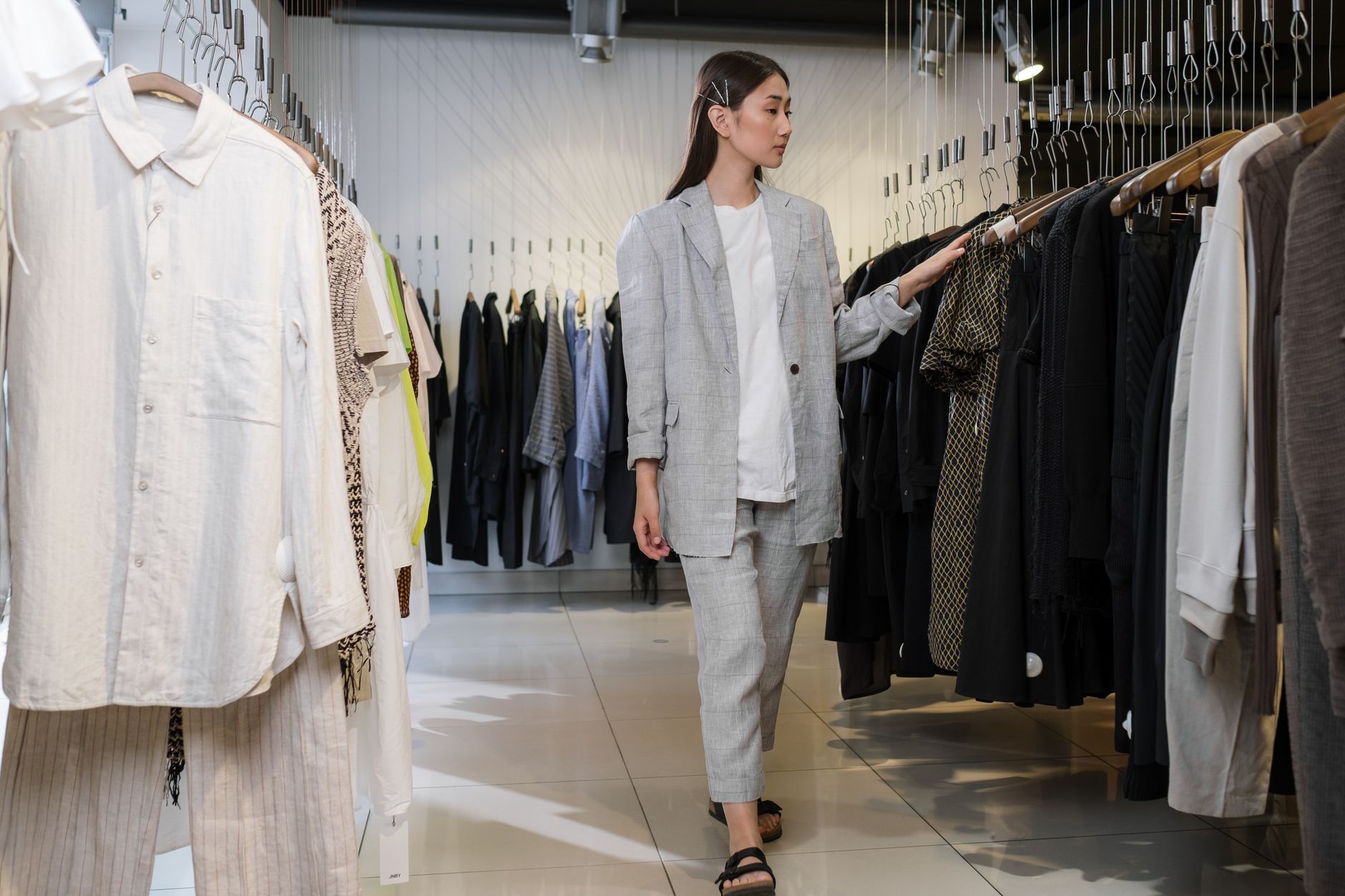
 Photo: Julia M Cameron / Pexels