Mastering How to Care for Silk Clothes: A UK Guide
June 15, 2026 15 min read 3,039 words
Preserve the luxurious feel and appearance of your silk garments with expert care tips and techniques.
Discover Silk Secrets
Understanding Silk: The Foundation of Proper Care
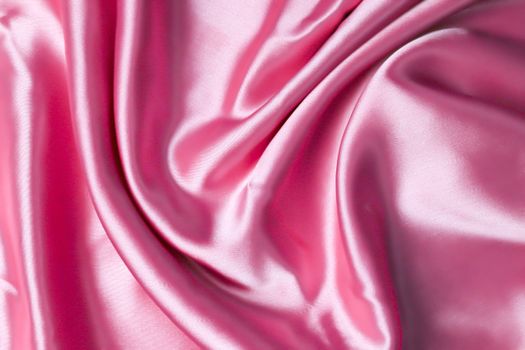 Photo: Tamanna Rumee / Pexels
Silk, often hailed as the 'Queen of Fibres', is a natural protein fibre derived from the silkworms' cocoons. Its inherent properties – strength, lustre, and incredibly soft hand – are what make it so desirable in
luxury fashion. However, these very characteristics also dictate its unique care requirements. Unlike robust synthetic fibres or even cotton, silk is delicate and can be easily damaged by harsh chemicals, high temperatures, and abrasive handling. Understanding its composition is the first step towards mastering how to care for silk clothes.
At a microscopic level, silk fibres are smooth and long, which contributes to their characteristic sheen and soft drape. This smooth surface also means silk is less prone to dust mites and is naturally hypoallergenic. However, being a protein fibre, it's susceptible to damage from enzymes found in many standard detergents. Chlorine bleach, for instance, can irreparably dissolve silk fibres, while alkaline detergents can strip away its natural oils, leading to dullness, weakening, and potential yellowing. Heat is another significant enemy; high temperatures can cause silk to shrink, lose its sheen, and become brittle. Direct sunlight, due to its UV radiation, can also weaken and discolour the fabric over time.
Moreover, silk's delicate weave can snag easily, and its natural elasticity, while present, isn't as forgiving as some other materials. This means stretching or twisting silk aggressively during washing or wringing can distort its shape permanently. The dyes used on silk can also be sensitive, especially to harsh detergents or prolonged soaking, leading to colour bleeding or fading. Therefore, when approaching silk care, think of it as nurturing a precious item rather than merely cleaning a garment. Every step, from selecting the right detergent to the drying method, plays a crucial role in preserving its beauty and longevity. This foundational understanding will guide you through the more practical aspects of washing, drying, and storing your cherished silk pieces, ensuring they remain a luxurious part of your wardrobe for years to come. Remember, investing in silk is an investment in timeless elegance, and proper care is essential to protect that investment.
Washing Silk Garments: Hand vs. Machine
 Photo: cottonbro studio / Pexels
When it comes to washing silk, the primary decision lies between hand washing and machine washing. While many care labels might suggest 'dry clean only,' most silk garments can be safely washed at home, provided you follow specific, gentle guidelines. The 'dry clean only' label often serves as a precautionary measure from manufacturers to prevent damage from improper home care, but with the right technique, you can often save on professional cleaning costs and extend the life of your silk.
**Hand Washing Silk: The Gold Standard**
Hand washing is widely considered the safest and most recommended method for how to care for silk clothes. It offers the most control and minimises stress on the delicate fibres. To hand wash:
1. **Preparation:** Fill a clean basin or sink with cool or lukewarm water (never hot, as it can shrink silk). The water temperature should be around 30°C (86°F).
2. **Detergent:** Add a small amount of a pH-neutral, silk-specific detergent. Avoid harsh conventional detergents, bleaches, or products containing enzymes, as these can damage the protein fibres. Delicates washes or baby shampoos can also be suitable alternatives in a pinch.
3. **Soaking:** Submerge your silk garment completely. Gently swish it around in the water for no more than 3-5 minutes. Avoid scrubbing, twisting, or wringing, which can damage the fibres and distort the garment's shape. Focus on a gentle, circulating motion.
4. **Rinsing:** Drain the soapy water and refill the basin with clean, cool water. Rinse the garment thoroughly until all soap residue is gone. Again, do not wring. You might need to repeat this step a couple of times.
5. **Excess Water Removal:** Gently press the garment against the side of the basin or between two clean towels to squeeze out excess water. Never twist or wring forcefully.
**Machine Washing Silk: A Cautious Approach**
While hand washing is ideal, some modern washing machines offer delicate or hand-wash cycles that can be suitable for silk, especially if the garment is unadorned and robust. However, extreme caution is advised.
1. **Pre-treatment:** Address any visible stains before washing (more on stain removal later).
2. **Protection:** Place your silk item inside a mesh laundry bag. This protects it from snagging on other clothes or the washing machine drum.
3. **Settings:** Select the most delicate cycle available, often labelled 'silk,' 'delicate,' or 'hand wash.' Ensure the water temperature is cold (around 20-30°C) and the spin cycle is set to the lowest possible speed, or even better, no spin at all. High spin speeds can cause significant creasing and stress.
4. **Detergent:** Use only a silk-specific, pH-neutral detergent.
5. **Load:** Wash silk items separately or with other very delicate, like-coloured items. Avoid mixing with heavy fabrics like denim or items with zippers and hooks.
Regardless of the method chosen, always test a small, inconspicuous area of the garment first, especially for coloured silks, to check for colourfastness. By following these detailed steps, you can confidently wash your silk garments at home, preserving their luxurious feel and extending their lifespan.
Drying, Ironing, and Storing Your Silk Treasures
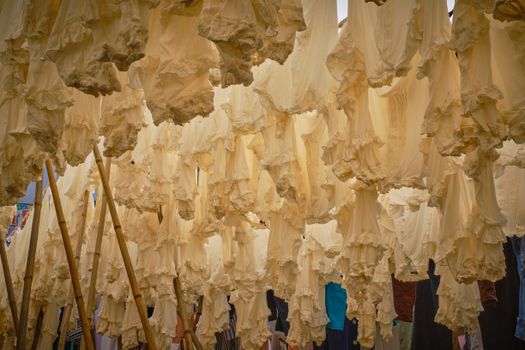 Photo: vijesh vijayan / Pexels
After the washing process, the way you dry, iron, and store your silk garments is just as critical to their longevity and appearance. These steps, if done incorrectly, can undo all the careful washing you've just performed. Mastering these techniques is an essential part of how to care for silk clothes and ensures your cherished items retain their lustre and shape.
**Drying Silk: Patience is Key**
1. **Avoid the Dryer:** Never put silk in a tumble dryer. The high heat will cause irreversible shrinkage, dullness, and can even scorch the fibres, making them brittle and prone to tearing. The friction in a dryer can also damage the delicate weave.
2. **Initial Water Removal:** After gently squeezing out excess water, lay the silk garment flat on a clean, dry towel. Roll the towel and garment together, pressing gently to absorb more moisture. Do not wring or twist.
3. **Air Drying:** Unroll the towel and either lay the silk item flat on a fresh, dry towel or a clean, flat surface, or hang it on a padded hanger. If hanging, choose a padded or velvet-covered hanger to prevent shoulder bumps and stretching. Ensure the garment is shaped correctly as it dries.
4. **Location:** Dry silk indoors, away from direct sunlight and artificial heat sources like radiators. Direct sunlight can cause yellowing or fading of colours and weaken the fibres. A well-ventilated room is ideal to prevent mildew.
5. **Patience:** Allow the garment to air dry completely. This might take several hours, or even overnight, depending on the thickness of the fabric and humidity levels. Ensure it's fully dry before moving to ironing or storage.
**Ironing Silk: A Gentle Touch**
1. **Check Label:** Always check the care label first. Some silk blends or specific finishes may not require ironing.
2. **Temperature:** If ironing is necessary, turn the garment inside out. Use the lowest heat setting on your iron, typically labelled 'silk' or 'cool.' High heat can scorch, discolour, or damage silk fibres permanently.
3. **Dampness:** Iron silk when it is slightly damp, not completely dry. This helps to remove wrinkles more effectively without needing excessive heat. If the garment is dry, use a spray bottle with clean water to lightly mist it before ironing.
4. **Press Cloth:** For added protection, place a clean, thin cotton cloth or press cloth between the iron and the silk fabric. This prevents direct heat contact and potential shine marks.
5. **Motion:** Iron quickly and smoothly, moving the iron constantly. Avoid holding the iron in one spot for too long. Do not use steam directly on silk unless your iron has a very fine mist setting, as water spots can sometimes appear.
**Storing Silk: Protecting Your Investment**
1. **Clean and Dry:** Ensure silk garments are perfectly clean and completely dry before storing them. Storing soiled or damp silk can attract pests, lead to mildew growth, and cause permanent stains or odours.
2. **Breathable Storage:** Store silk in breathable garment bags made of cotton or canvas. Avoid plastic bags, which can trap moisture and cause yellowing or discolouration over time. Plastic also restricts air circulation, which silk needs.
3. **Hanging vs. Folding:** For items like blouses, dresses, and jackets, use padded hangers to maintain their shape and prevent creasing. For knit silkwear or delicate items prone to stretching (like silk slips or camisoles), gently fold them and store them in drawers, preferably lined with acid-free tissue paper. Folding prevents stress on the shoulders and avoids hanger marks.
Proper garment storage is key to maintaining shape.
4. **Location:** Store silk in a cool, dry, dark place, away from direct sunlight, fluctuating temperatures, and humidity. Moths and other pests are attracted to protein fibres, so consider using natural repellents like cedar blocks (ensure they don't directly touch the silk to avoid oil stains).
5. **Avoid Perfumes/Deodorants:** Allow perfumes, deodorants, and hairsprays to dry completely before putting on silk garments, as the chemicals can stain or damage the fabric over time. By diligently following these drying, ironing, and storage protocols, your silk garments will remain pristine, luxurious, and ready to wear for many seasons to come.
Common Silk Care Mistakes and Expert Tips for Longevity
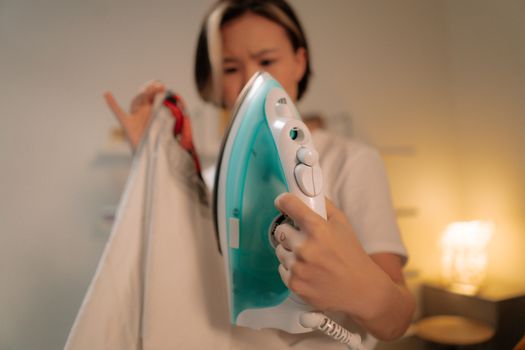 Photo: cottonbro studio / Pexels
Even with the best intentions, it's easy to make mistakes when caring for silk. Being aware of these pitfalls and adopting expert tips can significantly extend the life and beauty of your silk garments. Understanding how to care for silk clothes goes beyond just washing; it's about preventative measures and smart practices.
**Common Silk Care Mistakes to Avoid:**
* **Using Harsh Detergents:** This is perhaps the most common mistake. Standard laundry detergents, especially those with enzymes or bleach, are detrimental to silk's protein structure. They can cause dullness, discolouration, and fibre degradation.
* **Wringing or Twisting:** Forcefully wringing out water from silk can stretch and distort the fibres permanently, leading to misshapen garments.
* **Tumble Drying:** As mentioned, high heat from a dryer is silk's enemy, causing shrinkage, brittleness, and loss of sheen.
* **Direct Sunlight Exposure:** Drying or storing silk in direct sunlight can lead to fading, yellowing, and weakening of the fabric.
* **Over-Ironing with High Heat:** Scorching silk with a hot iron is an irreversible mistake, leaving burn marks or a permanent sheen.
* **Spraying Perfume/Deodorant Directly:** The alcohol and chemicals in these products can leave lasting stains or discolouration on silk.
* **Storing in Plastic Bags:** This traps moisture, encourages yellowing, and can lead to mildew and a musty smell.
* **Ignoring Stains:** Allowing stains to set into silk makes them much harder, if not impossible, to remove without damaging the fabric.
**Expert Tips for Silk Longevity:**
1. **Spot Treat Stains Immediately:** For fresh stains, gently blot with a clean, damp cloth. For oil-based stains, a tiny amount of gentle soap (like a silk-specific detergent or baby shampoo) applied with a cotton swab can help, followed by careful rinsing. Always test on an inconspicuous area first. Avoid rubbing vigorously.
2. **Consider a Silk Pillowcase:** Beyond garments, using a silk pillowcase can be a fantastic way to experience the benefits of silk daily. They are gentle on hair and skin, reducing friction and moisture loss. Care for them just as you would other silk items.
3. **Invest in Quality Hangers:** Padded or flocked hangers are ideal for silk blouses and dresses. They prevent shoulder bumps and allow the garment to hang naturally, preserving its shape.
4. **Rotate Your Silk Wardrobe:** Give your silk items a break between wears. This allows the fibres to rest and recover, especially if they've been subject to body oils or light creasing.
5. **Use Distilled Water for Ironing (Optional but Recommended):** If your tap water is hard, the minerals can leave residue on silk. Using distilled water in your spray bottle for dampening before ironing can prevent this.
6. **Protect from Moths:** Silk, being a protein fibre, is attractive to moths. Use cedar blocks, lavender sachets, or other natural moth repellents in your wardrobe. Ensure they don't directly touch the silk to avoid potential oil stains.
7. **Know When to Dry Clean:** For heavily embellished silk garments, intricate designs, or very delicate vintage pieces, professional dry cleaning might be the safest option. Choose a reputable dry cleaner experienced with silk.
8. **Read Labels Religiously:** While general guidelines are helpful, always refer to the specific care label on your garment. Manufacturers often provide tailored advice based on the specific weave, dye, and any blends in the fabric.
By integrating these preventative measures and expert tips into your routine, you'll not only avoid common mistakes but also ensure your beautiful silk pieces remain a luxurious and enduring part of your wardrobe for many years.
