
Tackling Fashion Industry Sustainability Issues Head-On
fashion industry sustainability issues

Tackling Fashion Industry Sustainability Issues Head-On

Women organizing clothes and using a laptop in a donation center. Diverse teamwork and collaboration.Photo: Julia M Cameron / Pexels

Tackling Fashion Industry Sustainability Issues Head-On

Explore the complex challenges within the fashion supply chain and discover actionable steps for a greener future.

Discover Your Role

Key Takeaways

  • ✓ The fashion industry is responsible for 10% of global carbon emissions.
  • ✓ Around 87% of all textile waste ends up in landfills or is incinerated.
  • ✓ It takes approximately 2,700 litres of water to produce one cotton t-shirt.
  • ✓ Synthetic fibres like polyester can take hundreds of years to decompose.

How It Works

1
Understand the Problem

Educate yourself on the environmental and social impacts of fast fashion. Recognise the scale and complexity of the challenges faced by the industry globally.

2
Adopt Conscious Consumption

Shift from impulsive buying to thoughtful purchases, prioritising quality, longevity, and ethical production. Embrace practices like buying second-hand, repairing, and swapping.

3
Support Sustainable Brands

Seek out and support brands committed to transparency, fair labour practices, and eco-friendly materials and manufacturing processes. Look for certifications and clear sustainability reports.

4
Advocate for Change

Use your voice to demand better from brands and policymakers. Share knowledge, participate in discussions, and encourage others to adopt more sustainable fashion habits.

The Environmental Toll of Fast Fashion Production
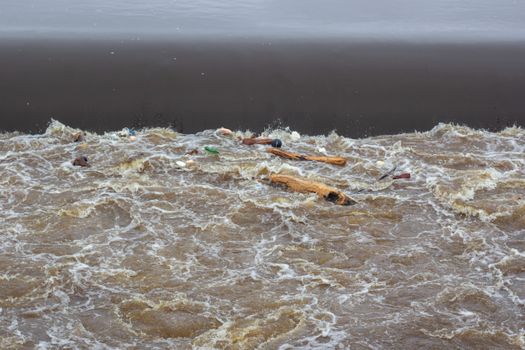
A polluted river scene showing floating trash, wood, and debris in turbulent water.Photo: Plato Terentev / Pexels
The relentless pursuit of new trends and cheap clothing, often termed 'fast fashion,' has created a significant environmental burden that impacts our planet on multiple fronts. From the cultivation of raw materials to the manufacturing processes and eventual disposal, every stage of the fashion lifecycle contributes to ecological degradation. One of the most critical fashion industry sustainability issues is the massive consumption of natural resources. Cotton, a widely used natural fibre, is incredibly water-intensive, requiring vast amounts of irrigation and often pesticides that can contaminate soil and water sources. Similarly, the production of synthetic fibres like polyester, nylon, and acrylic relies heavily on fossil fuels, contributing to greenhouse gas emissions and our dependence on non-renewable resources. The dyeing and finishing processes are also notoriously polluting. These stages often involve toxic chemicals that, if not properly managed, can be discharged into local water systems, harming aquatic life and human health in surrounding communities. The sheer volume of water used in these processes is staggering, exacerbating water scarcity in many regions where garments are produced. Furthermore, carbon emissions are a pervasive problem throughout the supply chain. From the energy-intensive factories to the global transportation of goods, the fashion industry's carbon footprint is substantial, contributing an estimated 10% of global greenhouse gas emissions – more than international flights and maritime shipping combined. This directly fuels climate change, leading to more extreme weather events, rising sea levels, and biodiversity loss. The environmental impact extends to microplastic pollution, a lesser-known but equally serious concern. Synthetic garments shed tiny plastic fibres during washing, which then enter our waterways and oceans. These microplastics are ingested by marine life and can enter the human food chain, posing potential health risks that are still being researched. Understanding these deep-seated environmental challenges is the first step towards fostering a more sustainable approach to fashion. Addressing them requires systemic changes across the entire industry, from design and production to consumption and disposal. For more on how fashion impacts our world, explore the broader implications of fashion on society and environment.

Social Justice and Ethical Production in the Garment Industry
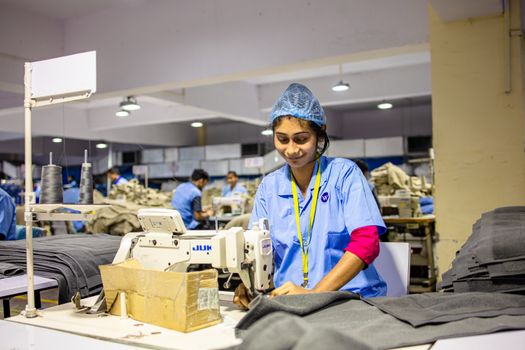
A female textile worker sewing fabric in an industrial factory setting.Photo: EqualStock IN / Pexels
Beyond environmental concerns, the fashion industry faces profound social justice issues, making ethical production another critical component of fashion industry sustainability issues. The drive for ever-cheaper clothing and faster production cycles often comes at the expense of human rights and fair labour practices, particularly in developing countries where a significant portion of garment manufacturing takes place. Workers in these factories, predominantly women, frequently endure deplorable conditions. These can include dangerously long working hours, unsafe factory environments – often with inadequate fire safety measures or structural integrity – and wages far below a living wage. These low wages trap workers in cycles of poverty, preventing them from meeting basic needs or investing in their children's education and future. Child labour and forced labour, though illegal, also tragically persist in some parts of the supply chain, particularly in the production of raw materials or in subcontracted, less transparent factories. Workers may be denied fundamental rights such as the freedom to unionise, leading to a lack of representation and power to demand better conditions. The collapse of the Rana Plaza factory in Bangladesh in 2013, which killed over 1,100 garment workers, remains a stark reminder of the devastating consequences of neglecting worker safety and ethical oversight. This tragedy brought global attention to the human cost of fast fashion and galvanised calls for greater transparency and accountability within the industry. Addressing these issues requires brands to adopt robust ethical sourcing policies, conduct thorough audits of their supply chains, and commit to paying fair wages. Consumers also play a vital role by demanding transparency from brands and choosing to support companies that demonstrate a genuine commitment to social responsibility. Empowering workers through education, fair contracts, and the right to organise are crucial steps towards creating a truly sustainable and equitable fashion industry. The journey towards ethical production is complex, involving intricate global supply chains, but it is an essential one for the dignity and well-being of millions.

Waste Management and the Circular Economy in Fashion
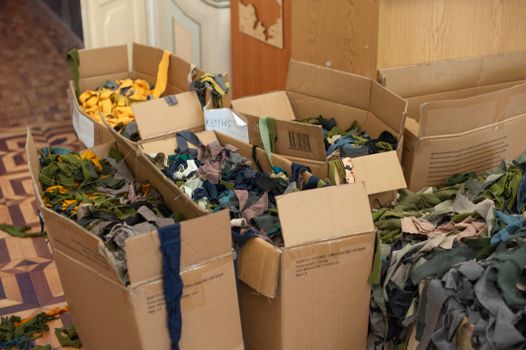
Cardboard boxes containing colorful fabric scraps for recycling in Lviv, Ukraine.Photo: Alexander Zvir / Pexels
One of the most visible and impactful fashion industry sustainability issues is the staggering amount of textile waste generated annually. The 'take-make-dispose' linear model that dominates the fashion industry is inherently unsustainable, leading to mountains of discarded clothing that overwhelm landfills and incinerators. In the UK alone, it's estimated that around 300,000 tonnes of clothing ends up in landfill every year. This waste not only takes up valuable space but also releases harmful greenhouse gases as it decomposes, particularly in anaerobic conditions. Synthetic fibres, as mentioned, can persist in the environment for centuries, breaking down into microplastics. Transitioning to a circular economy model is paramount to addressing this waste crisis. A circular economy aims to keep resources in use for as long as possible, extract the maximum value from them whilst in use, then recover and regenerate products and materials at the end of each service life. For fashion, this means a fundamental shift in how garments are designed, produced, consumed, and ultimately managed. Key strategies include designing for durability and longevity, using materials that are easily recyclable or biodegradable, and incorporating repairability into product design. Brands are increasingly exploring initiatives like take-back schemes, where consumers can return old garments for recycling or resale, and rental models, which promote sharing and extend the life of individual items. Innovation in textile recycling technology is also crucial. While mechanical recycling can degrade fibre quality, chemical recycling offers the potential to break down fabrics into their original monomers, allowing for the creation of new, high-quality fibres. However, these technologies are still developing and need significant investment to scale. Furthermore, consumer behaviour plays a pivotal role. Extending the life of clothing through repair, upcycling, or donating to charities can significantly reduce waste. The rise of second-hand markets and platforms for clothing swaps demonstrates a growing appetite for more sustainable consumption patterns. Embracing a circular approach offers a powerful pathway to mitigate the environmental impact of textile waste and redefine our relationship with clothing. For more insights on how to make your wardrobe more eco-conscious, explore our guide on sustainable wardrobe choices.

Navigating Sustainable Fashion: Tips for Consumers and Common Pitfalls

As consumers, our choices hold significant power in shaping the future of the fashion industry. Navigating the complex landscape of sustainable fashion can feel overwhelming, but by adopting conscious habits and being aware of potential pitfalls, you can make a real difference. Here are some actionable tips and common mistakes to avoid: **Tips for Sustainable Consumption:** * **Buy Less, Choose Well:** Invest in fewer, high-quality pieces that will last longer, reducing the need for constant replacements. * **Embrace Second-Hand:** Explore charity shops, vintage stores, and online resale platforms. This extends the life of garments and reduces demand for new production. * **Repair and Repurpose:** Learn basic mending skills or support local tailors. Give old clothes a new lease on life through upcycling or customisation. * **Wash Smarter:** Wash clothes less frequently, use cold water, and consider using a Guppyfriend bag for synthetics to catch microplastics. * **Research Brands:** Look for transparency reports, ethical certifications (e.g., Fair Trade, GOTS), and brands committed to circularity. * **Demand Transparency:** Ask brands about their supply chains, labour practices, and environmental impact. Your questions drive accountability. **Common Pitfalls to Avoid:** * **Greenwashing:** Be wary of vague claims like 'eco-friendly' or 'sustainable' without concrete evidence or certifications. Brands may use these terms to mislead consumers. * **Over-reliance on 'Recycled' Materials:** While recycled materials are good, the recycling process itself can be energy-intensive, and many 'recycled' garments are not easily re-recyclable at the end of their life. * **Impulsive 'Sustainable' Purchases:** Don't buy something just because it's labelled 'sustainable' if you don't genuinely need or love it. The most sustainable garment is the one you already own. * **Ignoring End-of-Life:** Don't just throw old clothes in the bin. Research local textile recycling options, donate, or repurpose them. * **Expecting Perfection:** The journey to fully sustainable fashion is ongoing. Focus on making incremental improvements and conscious choices rather than striving for an impossible ideal.

Comparison

FeatureSustainable Brand (e.g., Patagonia)Fast Fashion (e.g., Shein)Mid-Range (e.g., Zara)
Material SourcingOrganic, recycled, innovative fibresConventional cotton, virgin syntheticsMix of conventional and some 'eco' lines
Labour PracticesFair wages, safe conditions, transparencyOften poor, lack of transparencyVarying, improving in some areas
Product DurabilityHigh, designed for longevityLow, designed for trendsMedium, trend-driven
Waste ManagementTake-back programs, circular modelsLinear model, high wasteSome recycling initiatives
Carbon FootprintActively measured and reducedHigh, often unquantifiedModerate to high, with some initiatives
Price PointHigher initial investmentVery lowModerate
TransparencyHigh, detailed reportsLow, often opaqueModerate, improving

What Our Readers Say

5 ★★★★★

"This article genuinely opened my eyes to the depth of fashion industry sustainability issues. I thought I knew a lot, but the detail on water usage and microplastics was shocking. Feeling much more informed now to make better choices."

5 ★★★★★

"As someone working in fashion retail, this is an excellent summary of the ethical challenges we face. It's incredibly helpful for understanding the bigger picture beyond just sales targets."

5 ★★★★★

"I've been trying to build a more ethical wardrobe, and this article validated my efforts. The tips on avoiding greenwashing are particularly useful and have already helped me scrutinise brands more effectively."

4 ★★★★☆

"Very comprehensive overview. While some of the solutions feel a bit idealistic for a mass-market industry, it clearly lays out the problems and offers practical steps for consumers. A good starting point for change."

5 ★★★★★

"The section on social justice really hit home. It's easy to forget the human cost behind our clothes. This piece has definitely made me rethink my shopping habits and prioritise ethical sourcing."

Frequently Asked Questions

What are the biggest environmental fashion industry sustainability issues?
The biggest environmental issues include excessive water consumption for crops like cotton, significant carbon emissions from production and transport, chemical pollution from dyeing processes, and the massive problem of textile waste ending up in landfills. Microplastic shedding from synthetic fibres also poses a growing threat to aquatic ecosystems and human health.
Is 'fast fashion' inherently unsustainable?
Generally, yes. Fast fashion's business model relies on rapid production cycles, low prices, and disposable trends, which inherently lead to overconsumption, exploitation of labour, and massive environmental waste. While some fast fashion brands are making efforts, their core model remains a significant challenge to true sustainability.
How can I, as a consumer, contribute to solving these issues?
You can contribute by adopting conscious consumption habits: buy less, choose high-quality items, embrace second-hand shopping, repair and repurpose your clothes, wash them less and more efficiently, and actively research and support brands committed to ethical and sustainable practices. Your purchasing power and advocacy are powerful tools for change.
Are sustainable fashion items always more expensive?
Often, sustainable fashion items have a higher upfront cost due to ethical labour practices, higher quality materials, and smaller production runs. However, they are typically designed for durability and longevity, meaning they can last much longer than cheaper fast fashion items, offering better value over time and reducing your overall consumption.
How does a circular economy apply to the fashion industry?
A circular economy in fashion aims to keep resources in use for as long as possible. This means designing clothes for durability, repairability, and recyclability, using materials that can be regenerated, and creating systems for consumers to return or recycle old garments. The goal is to eliminate waste and pollution by continually reusing materials.
Who should be concerned about fashion industry sustainability issues?
Everyone should be concerned about fashion industry sustainability issues. Consumers have a role in their purchasing decisions, brands must take responsibility for their supply chains, and policymakers need to create regulations that encourage ethical and sustainable practices. Ultimately, it affects our planet and the livelihoods of millions.
What are the risks of ignoring these sustainability issues?
Ignoring these issues carries significant risks, including accelerated climate change due to carbon emissions, widespread environmental pollution impacting ecosystems and human health, depletion of natural resources, and the perpetuation of social injustices and human rights abuses within global supply chains. It's a risk to both planetary and human well-being.
What are the emerging trends in sustainable fashion solutions?
Emerging trends include innovative material development (e.g., bio-based textiles, lab-grown leather), advanced textile recycling technologies, rental and resale models gaining mainstream traction, greater supply chain transparency through blockchain, and artificial intelligence optimising production to reduce waste and energy consumption.

The fashion industry sustainability issues are complex, but understanding them is the first step towards meaningful change. By making informed choices and demanding better from brands, you can contribute to a more ethical and environmentally responsible future for fashion.

Topics: fashion industry sustainability issuessustainable fashion UKethical clothingeco-friendly fashiontextile waste
Leo List
Brampton weed
Adultwork