✓ Personal style is an evolving reflection of your identity, not a fixed trend.
✓ Understanding your body shape and colour palette is foundational to building a cohesive wardrobe.
✓ UK fashion is diverse, offering inspiration from heritage brands to cutting-edge streetwear.
✓ Sustainability and ethical considerations are increasingly important in defining personal style.
✓ Experimentation and self-reflection are crucial steps in discovering what truly resonates with you.
How It Works
1
Reflect and Discover
Begin by exploring your current wardrobe, noting what you love and what you never wear. Consider your lifestyle, values, and what you want your clothes to communicate about you.
2
Seek Inspiration
Look to UK fashion magazines, street style, social media, and even historical figures. Create a mood board to visually capture styles, colours, and textures that appeal to you.
3
Experiment and Refine
Try on new combinations, visit different stores, and step outside your comfort zone. Pay attention to how different outfits make you feel and adjust based on your comfort and confidence.
4
Curate Your Wardrobe
Build a versatile wardrobe with key pieces that mix and match easily. Focus on quality over quantity and invest in items that truly reflect your refined personal style.
Understanding the Essence of Personal Style in the UK
Photo: Vika Glitter / Pexels
In a nation celebrated for its diverse cultural tapestry and rich fashion heritage, understanding how to find your personal style UK is more than just following trends – it's about crafting an authentic expression of who you are. Britain's fashion landscape is unique, oscillating between timeless tradition and avant-garde innovation. From the bespoke elegance of Savile Row to the vibrant subcultures born on the streets of London, Manchester, and Glasgow, there’s an inherent eclecticism that makes defining one's style a deeply personal journey. This isn't about conforming; it's about discovering the sartorial narrative that speaks to your individual story, your values, and your lifestyle.
Your personal style acts as a non-verbal language, communicating elements of your personality before you even utter a word. It’s the confidence in your stride, the comfort in your chosen fabrics, and the subtle details that make an outfit uniquely ‘you’. For many in the UK, this journey begins with an honest self-assessment. What do you do? Where do you go? What makes you feel truly good? Are you navigating a bustling city commute, working from a home office, or spending weekends exploring the British countryside? Your daily routine and environment are fundamental architects of your style. A city-dweller might gravitate towards sharp tailoring and functional outerwear, while someone living in a more rural setting might prioritise durable, comfortable pieces with a rustic charm. The UK's unpredictable weather also plays a significant role; layering becomes an art form, and practical yet stylish rainwear is often a wardrobe hero.
Beyond practicality, delve into your emotional connection with clothing. Do certain colours uplift your mood? Do specific textures bring you comfort? Is there a particular era or aesthetic that consistently catches your eye? Perhaps you're drawn to the rebellious spirit of punk, the understated elegance of mod, or the sophisticated tailoring of a classic British gentleman or lady. These influences, whether overt or subtle, form the bedrock of your aesthetic preferences. Furthermore, consider the increasing importance of sustainability and ethical consumption within the UK fashion scene. For many, personal style now extends to conscious choices about where clothes are sourced, how they are made, and their environmental impact. Incorporating vintage finds from UK charity shops or investing in brands committed to ethical practices can be a powerful statement, aligning your wardrobe with your values. This thoughtful approach not only helps you curate a more meaningful collection but also contributes to a more sustainable fashion industry overall. The process of finding your personal style is iterative; it evolves as you grow, your life changes, and your tastes mature. It’s an ongoing conversation between your inner self and your outer expression, culminating in a wardrobe that feels like a second skin.
Deconstructing Your Wardrobe: A UK-Centric Approach
Photo: Pavel Danilyuk / Pexels
Before you can build a new personal style, it’s essential to understand the foundations of what you already own. This deconstruction phase is critical for anyone looking to refine how to find your personal style UK. Start by taking everything out of your wardrobe – yes, everything. This might seem daunting, but it provides a clear, unvarnished view of your current collection. As you go through each item, ask yourself a series of probing questions: When was the last time I wore this? Does it fit me well? Does it make me feel confident and comfortable? Does it align with the image I want to project? Be ruthless in your assessment. Items that are ill-fitting, damaged beyond repair, or simply no longer bring you joy should be set aside for donation, sale, or recycling. Remember, a cluttered wardrobe often leads to a cluttered mind when getting dressed.
Next, categorise what remains. Group similar items together: all your trousers, all your blouses, all your knitwear, etc. This visual organisation will quickly highlight any redundancies or gaps. You might discover you own five very similar navy jumpers but lack a versatile pair of dark wash jeans. This exercise is particularly insightful for those navigating the British climate, where layering is key. Do you have enough trans-seasonal pieces – cardigans, lightweight jackets, versatile scarves – that can adapt to a sudden drop in temperature or an unexpected burst of sunshine? Consider the fabrics; wools and cashmere are staples for colder months, while linen and cotton are perfect for a British summer, however fleeting.
Pay close attention to the colours and patterns that dominate your existing wardrobe. Are you drawn to a specific palette, or is it a mishmash? While variety is good, a cohesive colour scheme often makes it easier to mix and match items, maximising your outfit potential. For instance, many Britons favour a neutral base – greys, navy, black, beige – as these provide excellent foundations upon which to add splashes of colour or pattern. Understanding your personal colour palette, often influenced by your skin tone, hair, and eye colour, can be a game-changer. There are many UK-based colour analysis services that can help you identify whether you are a 'spring', 'summer', 'autumn', or 'winter' and which hues truly make you shine. This goes beyond simply 'liking' a colour; it's about finding the shades that harmonise with your natural complexion, making you look healthier and more vibrant.
Finally, reflect on the 'story' your current wardrobe tells. Does it reflect the person you are today, or the person you were five years ago? Our lives change, and so too should our clothing choices. If your wardrobe is filled with corporate attire but you now work in a creative field, there's a clear disconnect. This is not about throwing everything out and starting anew, but rather about identifying core pieces that can be adapted and identifying the gaps that need filling. By meticulously deconstructing what you have, you create a clear roadmap for building a wardrobe that authentically represents your refined personal style within the UK context.
Building Blocks: Essential Elements of a UK Personal Style
Photo: Terje Sollie / Pexels
Once you've reflected on your identity and deconstructed your current wardrobe, the next crucial step in how to find your personal style UK is to identify and acquire the building blocks that will form the foundation of your new look. This isn't about buying expensive designer clothes, but rather investing in versatile, high-quality pieces that resonate with your aesthetic and can be mixed and matched effortlessly. Think of these as your wardrobe workhorses, pieces that will serve as the canvas for your unique expression. For the British climate and lifestyle, there are several key categories to consider.
Firstly, quality outerwear is non-negotiable. A classic trench coat, perhaps from a heritage British brand, is a timeless investment that transitions seamlessly through seasons. A well-fitting wool coat is essential for winter, and a stylish, waterproof mac or parka is a must for those unpredictable rainy days. These pieces not only provide protection from the elements but also often serve as the focal point of an outfit, especially during colder months. Secondly, versatile knitwear is a cornerstone of any UK wardrobe. From fine-gauge merino wool jumpers perfect for layering under blazers, to chunky cable knits for weekend comfort, knitwear offers both warmth and texture. Look for natural fibres like wool, cashmere, and cotton for durability and breathability.
Thirdly, a selection of well-fitting bottoms is paramount. This includes a versatile pair of jeans – perhaps a dark wash straight leg or a more contemporary slim fit. Tailored trousers, whether a classic black pair for formal occasions or a more relaxed wide-leg style for everyday wear, are also invaluable. Don't overlook skirts and dresses that can be dressed up or down, offering flexibility for various events. The key here is fit; clothing that fits well instantly elevates your appearance and confidence, regardless of its price tag. Consider getting pieces tailored if necessary, a small investment that makes a huge difference.
Accessories are the often-underestimated heroes that truly define and elevate your personal style. In the UK, a good quality leather bag, stylish scarves, and comfortable yet chic footwear are paramount. Boots – ankle, knee-high, or Chelsea – are practical and fashionable for much of the year. Trainers have become a staple across all demographics, offering comfort without sacrificing style, especially when paired with more formal pieces for a high-low aesthetic. Jewellery, belts, and eyewear can add those distinctive finishing touches, allowing you to inject personality and individuality into even the simplest outfit. For instance, a statement necklace or a pair of unique earrings can transform a plain top into something special. Remember, the goal is to create a cohesive collection of items that work together to reflect your desired aesthetic. By focusing on these essential building blocks, you create a solid foundation upon which your distinct fashion identity can truly flourish.
Refining Your Look: Tips for UK Style Evolution
Photo: Dai Walk / Pexels
Once you have the core building blocks, the journey to refining how to find your personal style UK becomes an exciting process of experimentation and thoughtful curation. This phase is about honing your aesthetic, understanding what truly works for you, and embracing the nuances that make your style unique. It's less about rigid rules and more about intuitive choices that reflect your evolving self.
**Top Tips for Style Evolution:**
* **Embrace Layering:** Given the UK's famously changeable weather, mastering the art of layering is crucial. This not only keeps you comfortable but also adds depth and interest to your outfits. Experiment with different textures and lengths – a longline shirt under a cropped jumper, a thin roll-neck under a blazer, or a gilet over a denim jacket. This flexibility means you can adapt your look throughout the day without a complete wardrobe change.
* **Play with Proportions:** Understanding how different silhouettes interact with your body shape is key. If you're wearing a voluminous top, pair it with more fitted bottoms, and vice versa. This creates balance and a more polished look. Don't be afraid to try new shapes; perhaps a wide-leg trouser or an oversized blazer could become a new staple.
* **Curate a Capsule Wardrobe:** While not for everyone, creating a mini capsule wardrobe for a season or specific aspect of your life (e.g., work, weekend) can be incredibly liberating. Select a limited number of items that all mix and match seamlessly, forcing you to be creative with combinations and ensuring every piece earns its place.
* **Seek Inspiration Locally:** Look beyond international fashion weeks. Pay attention to what people are wearing in your local city or town. UK street style is incredibly diverse and can offer practical, real-world inspiration. Visit independent boutiques, vintage markets, and department stores to see different interpretations of trends and discover unique pieces.
* **Invest in Tailoring:** Even off-the-rack items can look custom-made with a few simple alterations. Hemming trousers, taking in a jacket, or adjusting a dress can dramatically improve how a garment fits and therefore how you feel wearing it. Find a trusted local tailor – it's an investment in your confidence.
* **Don't Fear Repetition:** Having a 'uniform' or go-to outfit formula is not a sign of lacking style; it's a sign of knowing what works for you. Steve Jobs had his black roll-neck, and many stylish individuals have their signature looks. Once you find a combination that makes you feel fantastic, embrace it and repeat it, perhaps with different accessories.
**Common Mistakes to Avoid:**
* **Impulse Buying:** Avoid purchasing items just because they're on sale or 'trendy' without considering if they genuinely fit your emerging style. These pieces often end up unworn.
* **Ignoring Comfort:** Style should never come at the expense of comfort. If an item is itchy, too tight, or restricts movement, you won't feel good in it, and it won't contribute positively to your personal style.
* **Dressing for Others:** While external validation can be nice, your personal style is ultimately for *you*. Don't let external pressures dictate your choices if they don't align with your authentic self.
* **Neglecting Undergarments:** The right bra, shapewear, or seamless underwear can make a significant difference to how your clothes fit and look. It's the foundation of any outfit.
* **Sticking to a 'Safe' Zone:** While having go-to items is good, avoid becoming stagnant. Periodically challenge yourself to try a new colour, a different silhouette, or a bolder accessory. Style is about evolution, not stagnation.
Comparison
Aspect
Developing Personal Style
Following Fast Fashion Trends
Adhering to Strict Dress Codes
Focus
Self-expression, authenticity, longevity
Current fads, rapid turnover, low cost
Rules, conformity, specific occasions
Investment
Quality, versatile pieces
Quantity, disposable items
Specific, often expensive, formal wear
Sustainability
High (re-wear, conscious choices)
Low (wasteful, unethical production)
Variable (depends on quality/re-wear)
Confidence
High (feeling comfortable, genuine)
Variable (can feel 'behind', forced)
Variable (can feel constrained or empowered)
Cost Over Time
Lower (fewer, better quality items)
Higher (constant need to update)
Moderate to High (specific purchases)
Uniqueness
✓
✗
✗
What Our Readers Say
5★★★★★
"This guide completely transformed my approach to fashion. I used to just buy whatever was 'in', but now I have a cohesive wardrobe that truly reflects me. It made finding my personal style in the UK so much clearer!"
Eleanor V.Edinburgh, Scotland
5★★★★★
"The advice on deconstructing my old wardrobe was a game-changer. I finally cleared out so many items I never wore and now have a much more functional and stylish collection. Highly recommend for anyone feeling lost with their clothes."
Marcus L.Manchester, England
5★★★★★
"I followed the steps, particularly the part about UK weather appropriate layering, and my daily dressing has become so much easier and more enjoyable. I feel confident and well-put-together every day now, truly finding my personal style UK."
Chloe P.Cardiff, Wales
4★★★★☆
"Great insights, especially on focusing on quality over quantity. Some tips felt a bit general, but the UK-specific advice on outerwear and fabrics was spot on. It's a solid starting point for anyone looking to refine their look."
David R.Bristol, England
5★★★★★
"As someone who works in a creative field but struggled with my everyday look, this article provided the perfect blend of practical advice and inspiration. I've finally found a way to express my personality through my clothes without compromising professionalism."
Sarah J.Belfast, Northern Ireland
Frequently Asked Questions
What is the biggest challenge when trying to find your personal style in the UK?
The biggest challenge often lies in navigating the UK's diverse fashion influences and unpredictable weather while staying true to oneself. It's easy to get swayed by trends or local subcultures, but the key is to filter these through your own preferences and practical needs, ensuring your style remains authentic and functional.
Is it possible to have multiple personal styles?
Absolutely! Your personal style isn't a rigid uniform; it's a fluid expression of your identity. You might have a 'work style,' a 'weekend style,' and a 'special occasion style.' The goal is for all these facets to feel authentically 'you' and to be cohesive enough that they don't feel like completely different people.
How can I find affordable UK fashion inspiration?
Explore local charity shops, vintage markets, and online second-hand platforms like Vinted or Depop for unique, budget-friendly finds. Follow UK fashion bloggers and influencers who focus on sustainable or high-street fashion, and observe street style in different British cities for real-world inspiration.
Should I follow current trends when defining my personal style?
Trends can be a fun source of inspiration, but they shouldn't dictate your entire style. Pick and choose trends that genuinely appeal to you and align with your existing wardrobe and aesthetic. Incorporate them subtly rather than overhauling your entire look every season, focusing on timeless pieces as your foundation.
How does personal style differ from fashion trends?
Fashion trends are external, fleeting movements in what's popular, often dictated by designers and media. Personal style, on the other hand, is an internal, enduring expression of your individual taste, personality, and lifestyle. It's about what makes *you* feel confident and comfortable, regardless of current fads.
Who should focus on finding their personal style?
Anyone who feels their wardrobe doesn't reflect who they are, struggles with what to wear, or simply wants to enhance their confidence through clothing should focus on finding their personal style. It's a journey for individuals of all ages, genders, and backgrounds in the UK.
Is there a risk of my personal style becoming boring?
Not at all! Personal style is dynamic and evolves with you. The 'risk' is more in becoming stagnant. By periodically revisiting your inspirations, experimenting with new accessories or colours, and reflecting on how your life has changed, you can ensure your personal style remains fresh and exciting.
What role does sustainability play in developing personal style in the UK?
Sustainability is increasingly important. Developing a personal style often involves investing in fewer, higher-quality, and more versatile pieces that last longer. This naturally reduces consumption and waste. Many in the UK also incorporate ethical brands, vintage clothing, and mindful shopping into their style choices, aligning fashion with environmental values.
Ready to unlock your authentic self through clothing? Use this comprehensive guide to navigate the vibrant UK fashion scene and confidently express your unique identity. Your journey to a truly personal style starts now.

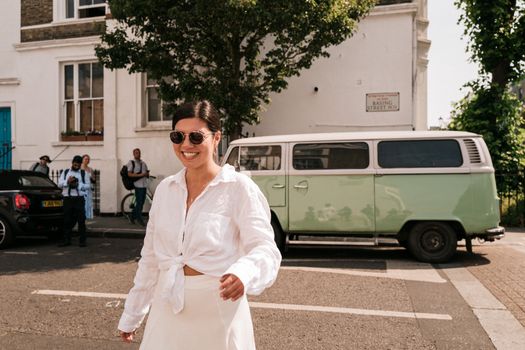 Photo: Lina Kivaka / Pexels
 Photo: Vika Glitter / Pexels
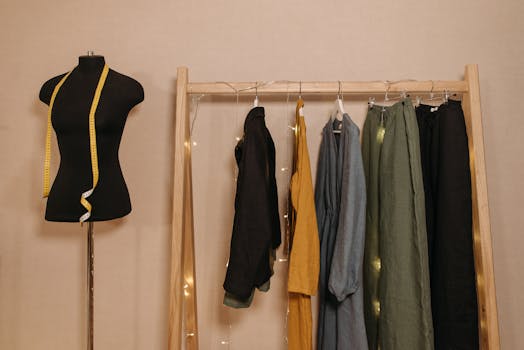 Photo: Pavel Danilyuk / Pexels
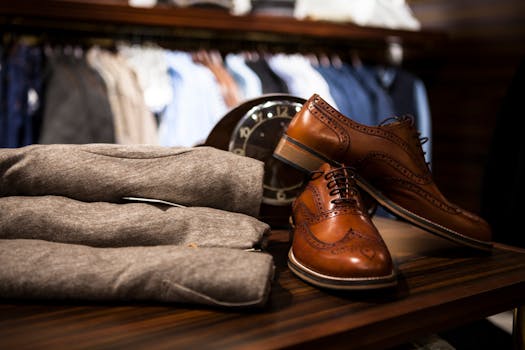 Photo: Terje Sollie / Pexels
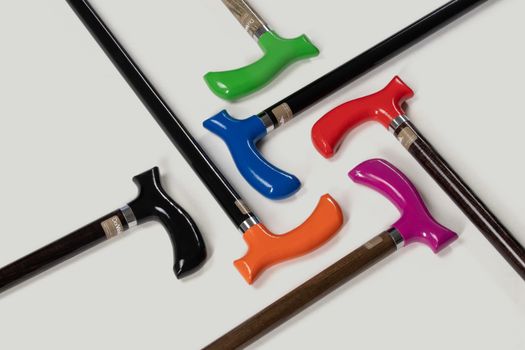 Photo: Dai Walk / Pexels