Sustainable Style: Your Guide to Eco-Friendly Women's Activewear UK
eco-friendly women's activewear UK

Sustainable Style: Your Guide to Eco-Friendly Women's Activewear UK

Transform your workout routine with conscious choices, embracing both performance and planet-friendly principles in your activewear.

Find Your Sustainable Kit

Key Takeaways

  • ✓ The fashion industry is a significant polluter; activewear contributes to this.
  • ✓ Eco-friendly activewear often uses recycled materials like PET bottles.
  • ✓ Certifications like GOTS and Oeko-Tex indicate sustainable practices.
  • ✓ Many UK brands are leading the charge in ethical activewear production.

How It Works

1
Understand the Impact

Before choosing, learn about the environmental and social footprint of conventional activewear production. This knowledge empowers better purchasing decisions.

2
Identify Key Materials

Familiarise yourself with sustainable fabrics such as recycled polyester, organic cotton, Tencel, and Econyl. These form the backbone of eco-friendly garments.

3
Research UK Brands

Explore reputable UK-based or UK-focused brands committed to sustainability. Look for transparency in their supply chains and production methods.

4
Evaluate Performance & Fit

Sustainable doesn't mean sacrificing quality. Test the activewear for comfort, durability, and functionality to ensure it meets your fitness needs.

The Urgent Need for Sustainable Sportswear in the UK Market
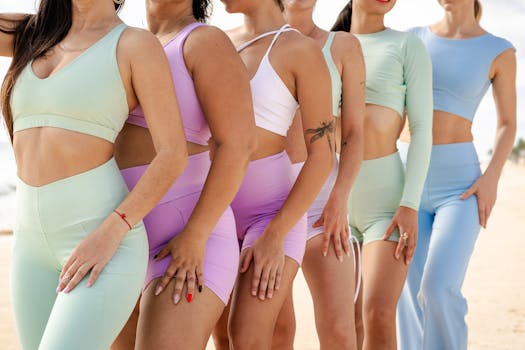
A diverse group of women wearing colorful matching activewear standing outdoors, showcasing fitness fashion. Photo: FbyF Studio / Pexels
The global fashion industry, valued at trillions, has long been under scrutiny for its substantial environmental footprint. From excessive water consumption in cotton cultivation to chemical-laden dyeing processes and the proliferation of synthetic microplastics from polyester, the impact is undeniable. Activewear, in particular, presents unique challenges. The very properties that make it functional – elasticity, moisture-wicking, durability – often rely on synthetic fibres derived from petroleum, such as polyester, nylon, and spandex. When washed, these materials shed microscopic plastic particles, known as microfibres, which then enter our waterways and ultimately the food chain. The UK, like many developed nations, has a thriving active lifestyle culture, leading to a constant demand for new workout gear. This fast-paced consumption cycle exacerbates the environmental problem. Consumers are increasingly aware of these issues, and there's a growing demand for alternatives that align with their values. This shift is not just a trend; it's a fundamental re-evaluation of how we produce and consume clothing, particularly in sectors like activewear where performance and ethics often seemed at odds. UK consumers are now actively seeking out brands that offer transparency, ethical manufacturing, and genuinely sustainable materials. The market for eco-friendly women's activewear in the UK is therefore experiencing rapid growth, driven by both consumer consciousness and innovative brands. This section delves into the specific environmental and social issues associated with conventional activewear production, highlighting the urgent need for a paradigm shift towards sustainability. It covers topics such as resource depletion, water pollution, carbon emissions, and the often-overlooked ethical considerations within the supply chain, including fair wages and safe working conditions for garment workers. Understanding these foundational issues is the first step towards making informed choices and supporting a more responsible industry. The rise of sustainable fashion in general has paved the way for specialised niches like activewear to flourish with conscious alternatives. We will explore how UK brands are responding to this demand, not just by offering 'green' products, but by integrating sustainability throughout their entire business model, from sourcing to packaging and end-of-life solutions. This includes innovative approaches to material development, closed-loop systems, and community engagement. The commitment to reducing environmental impact extends beyond just the fabric; it encompasses every stage of a garment's lifecycle, reflecting a holistic approach to sustainability. Furthermore, we'll touch upon the role of government regulations and industry standards in shaping this evolving landscape, encouraging more brands to adopt eco-conscious practices and providing consumers with clearer guidelines for identifying truly sustainable products. The collective effort of consumers, brands, and policymakers is crucial in driving this much-needed change within the activewear sector.

Decoding Sustainable Fabrics: Materials Revolutionising Eco-Friendly Activewear
Woman in sportswear relaxing by the harbor with a scenic view. Photo: zeeshan clicks / Pexels
The heart of eco-friendly women's activewear lies in the materials used. Gone are the days when 'sustainable' meant compromising on performance or style. Today, textile innovation is at the forefront of the movement, offering a diverse range of fabrics that are both planet-kind and highly functional. One of the most prevalent and impactful sustainable materials is recycled polyester, often derived from post-consumer plastic bottles (RPET). This process diverts plastic waste from landfills and oceans, reducing the demand for virgin petroleum-based polyester and significantly lowering energy consumption and carbon emissions. Brands are now adept at transforming these bottles into high-performance yarns that retain all the desirable properties of conventional polyester – moisture-wicking, quick-drying, and durable – making them ideal for leggings, sports bras, and tops. Another revolutionary material is Econyl, a regenerated nylon made from discarded fishing nets, fabric scraps, and industrial plastic from landfills and oceans. This closed-loop system not only cleans up marine environments but also reduces the need for new nylon production, which is highly energy-intensive. Econyl offers excellent stretch, compression, and UV protection, making it a premium choice for swim and activewear. Beyond synthetics, natural fibres are also making a significant comeback, albeit with sustainable certifications. Organic cotton, cultivated without harmful pesticides, synthetic fertilisers, or GMOs, offers breathability and softness. When blended with a touch of elastane, it creates comfortable and flexible activewear suitable for yoga, Pilates, and low-impact activities. However, it's important to consider cotton's water intensity, which is why certifications like GOTS (Global Organic Textile Standard) are crucial, ensuring responsible water management and ethical labour practices throughout the supply chain. Tencel Lyocell, a branded lyocell fibre from Lenzing, is another standout. Derived from sustainably sourced wood pulp (typically eucalyptus), it's produced using a closed-loop solvent spinning process that recycles water and solvents, making it incredibly resource-efficient. Tencel offers exceptional breathability, moisture absorption, and a silky-soft feel, making it perfect for comfortable activewear that feels gentle on the skin. Other emerging materials include bamboo viscose (when processed responsibly), hemp, and even innovative blends incorporating coffee grounds or seaweed. Each material brings its unique benefits to the table, and leading UK activewear brands are strategically combining these to create garments that excel in performance, comfort, and environmental responsibility. Understanding these material innovations empowers consumers to make truly informed choices, moving beyond surface-level claims to genuinely sustainable products.

Leading the Charge: Top UK Brands for Ethical Activewear Choices
A lineup of women in black sportswear and sneakers standing against a white background. Photo: MART PRODUCTION / Pexels
The UK market is brimming with innovative and ethical brands committed to offering high-quality eco-friendly women's activewear. These companies are not just selling products; they are building communities around shared values of sustainability, wellness, and transparency. When seeking out the best options, look for brands that go beyond basic claims and offer clear evidence of their sustainable practices, often through certifications, detailed supply chain information, and impact reports. One prominent player is Girlfriend Collective, though US-based, they have a strong presence and following in the UK. They are renowned for their activewear made from recycled post-consumer plastic bottles and fishing nets, turning waste into stylish and high-performance leggings and bras. Their commitment extends to ethical manufacturing in SA8000 certified facilities, ensuring fair wages and safe working conditions. Another key player is Tala, founded by Grace Beverley, which has rapidly gained popularity for its stylish designs and strong commitment to sustainability. Tala uses recycled nylon, recycled polyester, and upcycled coffee grounds in its collections, all while maintaining affordable price points. They provide detailed impact statistics for each product, allowing consumers to see the environmental savings they are making. Passenger Clothing, while not exclusively activewear, offers a fantastic range of outdoor and lifestyle clothing, including active-friendly pieces made from organic cotton and recycled materials, perfect for hiking or gentle workouts. Their focus on travel and nature aligns perfectly with a sustainable ethos. Finisterre, a certified B Corp, is another UK brand excelling in sustainable outdoor and active clothing. While their focus is often on cold water surf and outdoor pursuits, their base layers and technical tops are excellent for various activities, made from recycled polyester, merino wool, and organic cotton, with a strong emphasis on durability and repairability. For yoga and Pilates enthusiasts, brands like Asquith London offer beautiful ranges made from sustainable fabrics such as organic cotton and bamboo. Their focus is on comfort, breathability, and timeless design, ensuring longevity in your wardrobe. Beyond these well-known names, many smaller, independent UK brands are emerging, each with a unique approach to sustainability, from using innovative plant-based dyes to offering repair services and take-back programs. When evaluating brands, consider their transparency regarding sourcing, manufacturing processes, labour conditions, and packaging. Look for certifications like GOTS, Oeko-Tex Standard 100, Fair Trade, and B Corp status, as these provide independent verification of their claims. Supporting these brands means investing in products that not only perform well but also contribute positively to the planet and its people, fostering a more ethical and sustainable fashion industry in the UK and beyond.

Making the Switch: Tips for Choosing and Caring for Your Sustainable Activewear
Fit woman selecting a yellow sweater from locker in gym changing room. Photo: Anna Shvets / Pexels
Transitioning to an eco-friendly activewear wardrobe is a rewarding journey that benefits both you and the planet. To ensure you make the most informed choices and prolong the life of your sustainable garments, consider these practical tips. Firstly, when choosing, prioritise quality over quantity. Sustainable activewear is often designed for durability, so investing in a few high-quality, versatile pieces will serve you better in the long run than accumulating numerous fast-fashion items. Research the brand's commitment to sustainability beyond just their materials; look into their ethical labour practices, water usage, and carbon footprint. Check for certifications like GOTS (Global Organic Textile Standard) for organic cotton or Oeko-Tex Standard 100 for textile safety. Read customer reviews for insights into fit, durability, and performance. Don't be swayed by marketing jargon; look for verifiable claims and transparency. For example, if a brand claims 'recycled,' investigate what percentage is recycled and from what source. Consider the activity you'll be doing. Different fabrics are suited for different intensities. Recycled polyester and Econyl excel in high-impact, sweat-wicking activities, while organic cotton or Tencel blends might be better for yoga or lounging due to their breathability and softness. Choose timeless designs and colours that you love and that can be mixed and matched, rather than fleeting trends. This approach encourages longevity and reduces the desire for constant new purchases. Now, let's talk about care, which is crucial for extending the life of your sustainable activewear and minimising its environmental impact. Always follow the care label instructions. For most synthetic sustainable activewear (recycled polyester, Econyl), wash in cold water on a gentle cycle. Cold water washing saves energy and is gentler on fabrics, preventing premature wear. Use a Guppyfriend washing bag or similar microfibre catching laundry bag. These innovative bags capture microplastic fibres that shed from synthetic garments during washing, preventing them from entering our waterways. This is a vital step in mitigating the microplastic problem associated with synthetic activewear. Use eco-friendly detergents that are free from harsh chemicals, phosphates, and artificial fragrances. These are better for the environment and for your skin. Air dry your activewear whenever possible. Tumble dryers consume a lot of energy and the high heat can damage elastic fibres and prints, shortening the lifespan of your garments. If you must use a dryer, opt for a low heat setting. Avoid fabric softeners as they can clog the fibres of technical fabrics, reducing their moisture-wicking capabilities and breathability. Repair rather than replace. If a seam comes undone or a small hole appears, learn basic mending techniques or take it to a local tailor. Many sustainable brands also offer repair services or guidance. Finally, when your activewear has truly reached the end of its life, explore recycling options. Some brands have take-back programs, or you can find textile recycling points in your local area. By adopting these mindful purchasing and care habits, you contribute to a more sustainable wardrobe and a healthier planet. Your choices truly make a difference in fostering a more responsible fashion ecosystem.

Comparison

FeatureRecycled PolyesterOrganic CottonEconyl (Regenerated Nylon)Tencel Lyocell
Source MaterialPlastic bottles, textile wasteOrganic cotton plantsFishing nets, industrial wasteSustainably sourced wood pulp
Key BenefitsMoisture-wicking, durable, reduces plastic wasteSoft, breathable, hypoallergenicStrong, compressive, ocean clean-upSoft, breathable, excellent moisture management
Best ForHigh-impact workouts, leggingsYoga, low-impact, loungingSwimwear, high-performance leggingsYoga, layering, comfort
Environmental ImpactLowers virgin plastic demandNo pesticides/GMOs, less water than conventionalCleans oceans, closed-loop productionClosed-loop process, low water use
Typical FeelSmooth, slightly syntheticSoft, naturalSmooth, supportiveSilky, cool

What Readers Say

"I absolutely love my new leggings from a UK sustainable brand! The fit is incredible, and knowing they're made from recycled bottles makes my workouts feel even better. They hold up perfectly during high-intensity training."

Chloe P. · Manchester, UK

"Finally, activewear that aligns with my values! My organic cotton yoga top is so comfortable and breathable. It's fantastic to see so many eco-friendly women's activewear UK options now available without compromising on style."

Sarah J. · Bristol, UK

"I was sceptical about recycled materials, but my new sports bra from Tala is incredibly supportive and durable. I've washed it countless times, and it still looks brand new. Definitely worth the investment for quality and sustainability."

Eleanor R. · Edinburgh, UK

"The eco-friendly leggings I bought are great for my running, though I did find them a little less compressive than my old synthetic ones. Still, the peace of mind knowing they're sustainable makes them my preferred choice now. Performance is still very good overall."

Jessica L. · London, UK

"As a fitness instructor, I live in activewear. Switching to eco-friendly women's activewear UK brands has been a revelation. My latest set from a UK brand made from Econyl is fantastic for instructing classes, offering both comfort and excellent performance."

Hannah G. · Cardiff, UK

Frequently Asked Questions

What makes activewear 'eco-friendly'?

Eco-friendly activewear typically uses sustainable materials like recycled polyester, organic cotton, or Tencel, manufactured with reduced environmental impact. It often also involves ethical labour practices, minimised water and chemical use, and transparent supply chains.

Will eco-friendly activewear perform as well as conventional sportswear?

Absolutely. Advancements in textile technology mean that sustainable fabrics like recycled polyester and Econyl offer comparable, if not superior, performance in terms of moisture-wicking, stretch, and durability. You don't have to compromise on functionality.

How do I care for my sustainable activewear to make it last?

To extend its life, wash in cold water on a gentle cycle, use eco-friendly detergents, and always air dry. Consider using a microfibre catching laundry bag for synthetic items to prevent plastic shedding into waterways. Avoid harsh chemicals and fabric softeners.

Is eco-friendly women's activewear in the UK more expensive?

While the initial cost can sometimes be slightly higher due to ethical production and sustainable materials, the longevity and quality often provide better value in the long run. You're investing in durability and responsible practices, reducing the need for frequent replacements.

How can I identify truly sustainable activewear brands?

Look for transparency in their supply chain, certifications like GOTS, Oeko-Tex, or B Corp status, and clear information about their materials and manufacturing processes. Be wary of 'greenwashing' and seek out brands with genuine commitments to sustainability.

Who should consider buying eco-friendly women's activewear UK?

Anyone who is active and cares about their environmental footprint should consider it. Whether you're a yoga enthusiast, runner, gym-goer, or simply enjoy comfortable athleisure, choosing sustainable options aligns your lifestyle with conscious consumerism.

Are there any risks associated with buying sustainable activewear?

The main 'risk' is falling for greenwashing from less reputable brands. Always verify claims and look for certifications. Otherwise, from a performance and safety perspective, high-quality eco-friendly activewear is designed to be as safe and effective as traditional options, often without harmful chemicals.

What are the future trends for eco-friendly women's activewear in the UK?

Expect to see more innovative bio-based materials, further development in closed-loop recycling systems for textiles, increased transparency via blockchain, and a greater emphasis on circularity, including repair services and take-back programs to minimise waste.

Embrace the future of fitness fashion by choosing eco-friendly women's activewear in the UK. Make a conscious choice for your workouts and the planet, supporting brands that prioritise both performance and sustainability. Start building your ethical activewear wardrobe today.

Topics: eco-friendly women's activewear UKsustainable sportswear UKethical activewear brandsrecycled activewear womenorganic cotton activewear
Leo List
Brampton weed
Adultwork