
Dive Sustainably: Your Guide to Eco-Friendly Swimwear UK
eco-friendly swimwear UK

Dive Sustainably: Your Guide to Eco-Friendly Swimwear UK

Close-up of a teal swimsuit on a sandy beach, capturing a relaxing summer vibe.Photo: www.kaboompics.com / Pexels

Dive Sustainably: Your Guide to Eco-Friendly Swimwear UK

Explore the world of sustainable swimwear, find ethical brands, and make conscious choices for your next beach getaway.

Find Your Sustainable Style

Key Takeaways

  • ✓ Over 640,000 tonnes of fishing gear are lost or discarded in the ocean annually, contributing to ghost fishing.
  • ✓ Recycled nylon (ECONYL) is made from waste materials like fishing nets and industrial plastic.
  • ✓ Polyester production typically uses non-renewable petroleum, but recycled polyester reduces virgin resource demand.
  • ✓ Bamboo and organic cotton are emerging as sustainable natural fibre options for swimwear linings.

How It Works

1
Understand the Impact

Learn how conventional swimwear production contributes to plastic pollution and environmental degradation. Recognise the urgency of adopting sustainable alternatives.

2
Explore Sustainable Materials

Discover innovative fabrics like ECONYL, REPREVE, and TENCEL that transform waste into high-performance swimwear. Understand their benefits for both you and the planet.

3
Identify Ethical Brands

Find UK-based and international brands committed to sustainable practices, fair labour, and transparent supply chains. Support businesses making a real difference.

4
Make an Informed Purchase

Choose swimwear that aligns with your values, fits well, and offers durability. Invest in pieces that last, reducing the need for frequent replacements.

The Urgent Need for Sustainable Swimwear UK

A woman in a sheer outfit stands by the ocean holding flowers, under a bright blue sky.Photo: Ron Lach / Pexels
The allure of a sunny beach holiday or a refreshing dip in the local lido is undeniable, but have you ever considered the environmental footprint of your swimwear? Conventional swimwear, predominantly made from synthetic materials like virgin nylon and polyester, carries a significant environmental burden. From the extraction of petroleum, a finite resource, to the energy-intensive manufacturing processes and the inevitable microplastic shedding, every stage of its lifecycle impacts our planet. The fashion industry, as a whole, is a major contributor to global pollution, and swimwear is no exception. Understanding this impact is the first crucial step towards making more conscious choices. The production of virgin polyester, for instance, requires significant amounts of energy and water, and often involves harmful chemicals. Nylon, while durable, is also derived from fossil fuels and is not biodegradable. These materials, when discarded, can take hundreds of years to break down, contributing to landfill waste and polluting our oceans with microplastics. These tiny plastic fragments, often shed during washing or as garments degrade, are ingested by marine life and can enter the human food chain, posing serious health risks. The UK alone generates millions of tonnes of textile waste annually, much of which ends up in landfills or is incinerated, releasing greenhouse gases. This grim reality highlights the urgent need for a shift towards more sustainable alternatives within the fashion sector. Consumers are increasingly aware of these issues, leading to a growing demand for eco-friendly swimwear. Brands are responding by innovating with recycled materials, ethical production practices, and transparent supply chains. This shift isn't just about environmental protection; it's also about supporting fair labour practices and ensuring the well-being of communities involved in the manufacturing process. Choosing eco-friendly swimwear means opting for products that minimise harm at every stage, from material sourcing to end-of-life disposal. It's a statement of commitment to a healthier planet and a more responsible consumer culture. The good news is that sustainable swimwear doesn't mean compromising on style, comfort, or performance. Advancements in material science and design mean that eco-friendly options are now just as fashionable and functional, if not more so, than their conventional counterparts. This section aims to illuminate the environmental challenges posed by traditional swimwear and set the stage for exploring the innovative solutions offered by the eco-friendly swimwear movement in the UK and beyond.

Innovative Materials Driving Eco-Friendly Swimwear UK
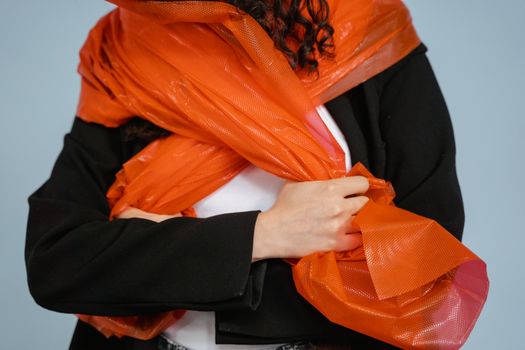
Artistic photo of a person wrapped in vibrant orange recycled materials, highlighting fashion and sustainability.Photo: MART PRODUCTION / Pexels
The heart of sustainable swimwear lies in its materials. Gone are the days when 'eco-friendly' meant sacrificing quality or aesthetic. Today, innovative textiles are transforming waste into high-performance, stylish swimwear. The leading material in this revolution is ECONYL, a regenerated nylon made from pre- and post-consumer waste, including discarded fishing nets, fabric scraps, and industrial plastic. This process not only diverts waste from landfills and oceans but also reduces the need for virgin petroleum, lowering the environmental impact significantly. ECONYL boasts the same quality and durability as virgin nylon, making it perfect for swimwear that withstands sun, salt, and chlorine. Another prominent player is REPREVE, a brand of recycled performance fibres made from recycled plastic bottles. By transforming plastic bottles into a high-quality fibre, REPREVE helps conserve natural resources and reduces the amount of waste in landfills. Many eco-friendly swimwear brands in the UK are proudly incorporating REPREVE into their collections, offering consumers a direct way to support plastic waste reduction. Beyond recycled synthetics, natural and semi-natural fibres are also gaining traction, particularly for linings or blends. TENCEL, a brand of lyocell and modal fibres, is derived from sustainably sourced wood pulp through an environmentally responsible closed-loop process. While not typically used for the main body of swimwear due to its absorbency, it can provide incredibly soft and breathable linings. Organic cotton, free from harmful pesticides and synthetic fertilisers, is another natural fibre option for comfortable and hypoallergenic linings. Some brands are even experimenting with innovative plant-based materials like castor bean oil-based fabrics, though these are less common in the mainstream swimwear market currently. The beauty of these materials is their ability to perform under the demanding conditions swimwear faces – stretching, quick-drying, and resisting fading – all while being kinder to the planet. Choosing swimwear made from these materials means you're actively contributing to reducing plastic pollution, conserving resources, and supporting a circular economy. When shopping for eco-friendly swimwear in the UK, always look for certifications and clear labelling from brands indicating the use of these sustainable fabrics. Transparency in material sourcing and production is a hallmark of truly ethical brands. These material innovations are not just a trend; they represent a fundamental shift in how the fashion industry approaches its environmental responsibilities, proving that style and sustainability can, and should, go hand in hand.

Navigating the Landscape of Ethical Swimwear Brands UK
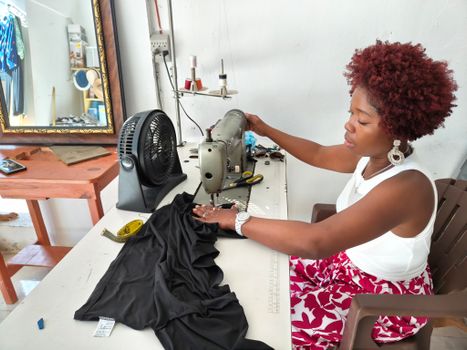
Woman using sewing machine on black fabric in a modern sewing studio. Focused and creative work environment.Photo: Joaquin Reyes Ramos / Pexels
Finding truly eco-friendly swimwear in the UK goes beyond just checking the material composition. It involves delving into a brand's entire ethos, from its supply chain transparency and labour practices to its packaging and commitment to social causes. The ethical swimwear market in the UK is flourishing, with a growing number of brands prioritising sustainability and responsibility. When researching brands, look for those that are transparent about their manufacturing processes. Do they clearly state where their garments are made? Do they ensure fair wages and safe working conditions for their employees? Certifications like Fair Trade, GOTS (Global Organic Textile Standard) for organic cotton, and OEKO-TEX Standard 100 for chemical safety can provide assurance that a brand meets certain ethical and environmental benchmarks. Many UK-based ethical swimwear brands are small businesses, often founded by individuals passionate about making a difference. They frequently engage in initiatives like donating a percentage of profits to ocean conservation charities, participating in beach clean-ups, or partnering with organisations that empower local communities. This holistic approach to sustainability is what truly sets them apart. For example, some brands focus on made-to-order models to minimise waste, others use innovative digital printing techniques to reduce water usage, and many opt for plastic-free or compostable packaging. Beyond material and production, consider the brand's approach to durability and timeless design. A truly sustainable piece of swimwear is one that you'll love and wear for many seasons, reducing the need for constant replacements. Look for classic cuts and high-quality construction that can withstand the rigours of swimming and sun exposure. Investing in a well-made, ethical piece might have a higher upfront cost, but its longevity and reduced environmental impact offer long-term value. Exploring blogs, ethical shopping guides, and online communities dedicated to sustainable fashion can be excellent resources for discovering reputable eco-friendly swimwear brands operating in the UK. Many of these platforms offer detailed reviews and insights into a brand's practices, helping you make an informed decision. By choosing to support these ethical brands, you're not just buying a swimsuit; you're investing in a better future for our planet and its people, championing a more responsible and conscious approach to fashion.

Making a Sustainable Splash: Tips for Choosing & Caring for Your Eco-Friendly Swimwear

An elegant woman washes her hand under a golden faucet indoors.Photo: cottonbro studio / Pexels
Embracing eco-friendly swimwear is a powerful step, but maximising its impact and longevity requires thoughtful choices and proper care. Here are some essential tips to guide you: * **Prioritise Quality and Durability:** Don't just look for recycled materials; ensure the construction is robust. High-quality stitching, durable elastics, and well-chosen hardware contribute to a swimsuit that will last. A durable piece reduces the need for frequent replacements, which is inherently sustainable. * **Understand Material Blends:** While 100% recycled content is ideal, many eco-friendly swimsuits use blends for performance. For example, ECONYL blended with elastane provides stretch and comfort. Research the blend percentages and ensure the primary material is sustainable. * **Check for Certifications:** Look for recognised certifications like OEKO-TEX Standard 100 (ensuring no harmful substances), GRS (Global Recycled Standard), or GOTS (Global Organic Textile Standard for organic components). These provide independent verification of a brand's claims. * **Read Customer Reviews:** Reviews often provide insights into fit, durability, and how the swimwear holds up after washing and use. This can be invaluable for making an informed decision. * **Embrace Timeless Styles:** Opt for classic cuts and colours that won't go out of style next season. This encourages long-term wear and reduces impulsive purchases driven by fleeting trends. * **Proper Care is Key:** Extend the life of your eco-friendly swimwear by rinsing it immediately after use to remove chlorine or saltwater. Hand washing with a mild, eco-friendly detergent and air drying in the shade will prevent damage to delicate fibres and extend its lifespan significantly. Avoid harsh chemicals, excessive heat, and tumble drying, which can break down the fabric and elasticity. * **Consider End-of-Life:** While many recycled synthetics are not yet easily recyclable again at the consumer level, some brands offer take-back schemes or advise on textile recycling options. Research this aspect if it's important to you. * **Support Local UK Brands:** Choosing UK-based eco-friendly swimwear brands can reduce shipping emissions and support the local economy. Many small, independent brands are leading the charge in sustainable fashion. By following these tips, you can ensure your eco-friendly swimwear choice is not only good for the planet but also a lasting and cherished addition to your wardrobe, embodying true sustainable fashion.

Comparison

FeatureRecycled Nylon (ECONYL)Recycled Polyester (REPREVE)Organic Cotton BlendsVirgin Synthetics
Source MaterialFishing nets, fabric scrapsPlastic bottlesOrganic cotton plantsPetroleum
Environmental ImpactLow (waste diverted)Low (waste diverted)Low (no pesticides)High (fossil fuels, pollution)
DurabilityExcellentExcellentGood (often blended)Excellent
Stretch/RecoveryExcellentExcellentModerateExcellent
Cost (Relative)HigherMedium-HigherMediumLower
Microplastic SheddingYes (similar to virgin)Yes (similar to virgin)NoYes

What Our Readers Say

5 ★★★★★

"I absolutely love my new eco-friendly swimwear from a UK brand! The fabric feels luxurious, and it's so comforting to know it's made from recycled fishing nets. It's held up perfectly after several swims in the sea."

5 ★★★★★

"Finally found trunks that are both stylish and sustainable! This eco-friendly swimwear is incredibly comfortable, dries quickly, and the brand's commitment to the environment is truly inspiring. Worth every penny."

5 ★★★★★

"After struggling to find swimwear that fit well and aligned with my values, I discovered a fantastic eco-friendly swimwear UK brand. The quality is exceptional, and I've received so many compliments. It's a game-changer for my holiday wardrobe."

4 ★★★★☆

"The eco-friendly swimwear I bought is great – good fit, nice design. I just wish there were more diverse styles available for men from UK brands. Still, I appreciate the sustainable effort."

5 ★★★★★

"My kids' eco-friendly swimwear from a UK brand has been fantastic. They're soft, durable, and I feel much better knowing they're not contributing to plastic pollution. They've outlasted previous conventional suits easily."

Frequently Asked Questions

What makes swimwear 'eco-friendly' in the UK market?
Eco-friendly swimwear in the UK typically refers to garments made from sustainable materials like recycled nylon (ECONYL), recycled polyester (REPREVE from plastic bottles), or natural fibres like organic cotton. It also encompasses ethical production practices, fair labour, reduced water and energy usage, and plastic-free packaging.
Does eco-friendly swimwear cost more than regular swimwear?
Often, eco-friendly swimwear can have a higher upfront cost due to the innovative materials, ethical production processes, and smaller scale of many sustainable brands. However, its enhanced durability and timeless design mean it often lasts longer, offering better value over time and reducing the need for frequent replacements.
How do I care for my eco-friendly swimwear to make it last?
To extend the life of your eco-friendly swimwear, always rinse it thoroughly in cold water immediately after each use to remove chlorine or saltwater. Hand wash gently with a mild, eco-friendly detergent and air dry in the shade. Avoid machine washing, tumble drying, and harsh chemicals, as these can degrade the fabric and elasticity.
Are eco-friendly swimwear materials as durable as conventional ones?
Yes, absolutely! Advanced recycled materials like ECONYL and REPREVE are engineered to be just as durable, if not more so, than virgin nylon and polyester. They offer excellent stretch, shape retention, and resistance to UV rays, chlorine, and saltwater, ensuring your eco-friendly swimwear performs exceptionally well.
Is there a significant difference between recycled nylon and recycled polyester for swimwear?
Both recycled nylon (e.g., ECONYL) and recycled polyester (e.g., REPREVE) are excellent sustainable choices. Nylon generally offers a slightly softer feel and better elasticity, while polyester is often praised for its superior chlorine and UV resistance. The choice often comes down to brand preference and specific fabric blends.
Who should consider buying eco-friendly swimwear in the UK?
Anyone concerned about environmental impact, ocean pollution, ethical labour practices, and desiring high-quality, durable swimwear should consider eco-friendly options. It's for conscious consumers who want to align their purchasing power with their values, contributing to a more sustainable fashion industry and a healthier planet.
Are eco-friendly swimwear products free from microplastic shedding?
While natural fibres like organic cotton do not shed microplastics, recycled synthetic materials (nylon, polyester) can still shed microfibres during washing, similar to their virgin counterparts. To minimise this, hand wash your swimwear and consider using a Guppyfriend washing bag to capture microfibres before they enter waterways.
What are the future trends for eco-friendly swimwear in the UK?
Future trends include the development of fully biodegradable or bio-based synthetic fibres, increased use of closed-loop recycling systems, more transparent supply chains through blockchain technology, and a greater emphasis on 'circular design' where garments are made to be easily repaired, reused, or recycled at the end of their life.

Embrace the wave of sustainable fashion and make a conscious choice for your next dip. By choosing eco-friendly swimwear in the UK, you're not just investing in quality and style; you're actively contributing to a healthier planet and supporting ethical practices. Dive into a brighter, greener future with your next swimwear purchase.

Topics: eco-friendly swimwear UKsustainable swimwear brandsrecycled swimwearethical swimwear UKocean-friendly swimwear
Leo List
Brampton weed
Adultwork