Stay Warm & Chic: Ultimate Guide to Women's Winter Coats UK
June 25, 2026 16 min read 3,246 words
Navigate the UK's chilly season with confidence and flair by choosing from our expertly curated selection of women's winter coats.
Find Your Perfect Coat
Navigating the UK Winter: Essential Features for Ladies Winter Jackets
 Photo: Võ Văn Tiến / Pexels
The British winter is famously unpredictable, often swinging between crisp, dry days and relentless rain, sometimes within the same hour. For women in the UK, a winter coat isn't just a fashion statement; it's an absolute necessity for comfort, health, and maintaining a sense of style through the colder months. When embarking on your search for the perfect women's winter coats UK has to offer, understanding the essential features that stand up to this climate is paramount. It's about finding that sweet spot where practicality meets panache, ensuring you're prepared for whatever the weather throws at you, whether you're navigating the bustling streets of London or enjoying a brisk walk in the Scottish Highlands.
Firstly, insulation is non-negotiable. The core purpose of any winter coat is to keep you warm, and the type of insulation plays a crucial role in its effectiveness. Down fill, often measured in 'fill power', offers superior warmth-to-weight ratio, making it ideal for extremely cold conditions without adding bulk. Higher fill power means more warmth. However, down can lose its insulating properties when wet, which is a significant consideration in the UK's often-damp climate. Synthetic insulations, such as Primaloft or Thinsulate, are excellent alternatives. They perform well even when damp, are often more affordable, and are a good choice for those with ethical concerns about down. They might be slightly bulkier for the same warmth level but offer reliable performance in wet conditions.
Waterproofing and water resistance are another critical factor. A 'water-resistant' coat will repel light rain and snow, often treated with a Durable Water Repellent (DWR) finish. A 'waterproof' coat, however, provides a much higher level of protection, typically featuring a membrane (like Gore-Tex or similar proprietary technologies) and taped seams to prevent any water ingress. Given the frequent rain showers across the UK, investing in a waterproof coat, especially one with a breathable membrane, will save you from many miserable commutes and outdoor excursions. Look for ratings in millimetres (e.g., 10,000mm) which indicate the water column pressure the fabric can withstand before leaking.
Windproofing is equally important for comfort. A biting wind can cut through even the warmest layers, leading to a significant drop in perceived temperature. Many waterproof fabrics are also inherently windproof, but it's worth checking this specification. A good windproof barrier will dramatically enhance your comfort levels on blustery days, protecting you from wind chill and helping to retain your body heat.
Finally, considering the length and fit is crucial. A longer coat, such as a parka or a maxi puffer, offers more coverage and warmth for your legs and lower body, which is excellent for prolonged outdoor exposure. Shorter jackets are more agile and better for active pursuits or when you primarily commute by car. The fit should allow for layering underneath without feeling restrictive, but also not be so loose that it allows cold air to seep in. Pay attention to features like adjustable cuffs, drawcords at the waist or hem, and a well-designed hood – these can all make a significant difference in sealing out the cold and wet. Understanding these foundational elements will empower you to make an informed decision when selecting your next winter coat. For more insights into staying stylish in colder climates, explore our guide on
winter fashion trends.
From Puffer to Parka: Styles of Warm Coats for Women
 Photo: Gustavo Fring / Pexels
The landscape of women's winter coats in the UK is incredibly diverse, offering a style for every taste, occasion, and level of cold tolerance. Beyond just warmth, the aesthetic appeal of a coat is a major draw, allowing individuals to express their personal style even when bundled up. Understanding the distinct characteristics of popular coat styles will help you narrow down your choices and find the perfect match for your wardrobe and lifestyle.
**The Puffer Coat:** Arguably one of the most popular and versatile options, the puffer coat (or quilted jacket) is defined by its distinctive 'puffed' sections, created by stitching through the outer fabric to hold insulation in place. These coats are renowned for their exceptional warmth, often filled with down or synthetic alternatives. Modern puffers come in a vast array of lengths, colours, and finishes, from sleek, minimalist designs to oversized, fashion-forward statements. They are incredibly lightweight for the warmth they provide, making them an excellent choice for everyday wear, commuting, and even light outdoor activities. Look for water-resistant or waterproof options for added practicality in the UK's climate. They can be dressed down with jeans and trainers or elevated with tailored trousers and boots for a chic urban look.
**The Parka:** Originating from indigenous communities in the Arctic, the parka is a coat built for extreme cold and harsh conditions. Characterised by its longer length (often reaching mid-thigh or knee), a sturdy outer shell, and typically a fur-lined (or faux-fur-lined) hood, parkas offer superior protection against wind, snow, and rain. They are often heavily insulated and feature multiple pockets, making them highly functional. While traditionally associated with outdoor pursuits, contemporary parkas have been reimagined into stylish urban wear, blending utility with a relaxed, casual aesthetic. A well-chosen parka is an investment in enduring warmth and protection, perfect for those who spend a lot of time outdoors or face particularly cold conditions.
**The Wool Coat:** A timeless classic, the wool coat exudes sophistication and elegance. Available in various weaves and blends, from luxurious cashmere to durable tweed, wool coats offer natural warmth, breathability, and a refined appearance. While not inherently waterproof, many wool coats are naturally water-resistant to a certain degree and can be treated for enhanced protection. Styles range from tailored peacoats and classic trench coats to oversized wrap coats and chic car coats. A high-quality wool coat is a versatile piece that can elevate any outfit, making it suitable for professional settings, formal events, or simply adding a touch of class to your everyday ensemble. It's a cornerstone of a well-rounded winter wardrobe, offering warmth without the bulk of a puffer.
**The Technical/Performance Coat:** For those with an active lifestyle or who frequently engage in outdoor activities, technical winter coats are designed with specific performance features in mind. These often incorporate advanced waterproof and breathable membranes, lightweight yet highly insulating fills, and ergonomic designs for maximum mobility. Brands specialising in outdoor gear offer a range of jackets that are not only warm and protective but also engineered for high performance in challenging environments. While they might prioritise function over traditional fashion, many modern technical coats now seamlessly blend into urban settings with sleek designs and neutral colour palettes.
**The Faux Fur Coat:** For a touch of glamour and warmth, the faux fur coat is a luxurious option. Offering excellent insulation and a plush feel, these coats are a statement piece that can instantly elevate an outfit. They come in various colours, textures, and pile lengths, from shaggy long-pile designs to smooth, sheared looks. While not typically waterproof, they are perfect for adding warmth and style on drier, colder days or for evening events.
Each style offers a unique blend of warmth, protection, and aesthetic, ensuring that every woman can find her ideal winter companion. The key is to consider your primary needs and how each style aligns with your personal
fashion sensibilities.
Sustainable Choices and Investment Pieces in UK Winter Fashion
 Photo: MART PRODUCTION / Pexels
In an era where environmental consciousness and ethical production are increasingly valued, the conversation around women's winter coats UK extends beyond just warmth and style to encompass sustainability and longevity. Investing in a high-quality, sustainably made winter coat isn't just a trend; it's a responsible choice that benefits both the planet and your wardrobe. These 'investment pieces' are designed to withstand the test of time, reducing the need for frequent replacements and ultimately offering better value over their lifespan.
When seeking sustainable options, several factors come into play. Firstly, consider the materials. Organic cotton, recycled polyester (RPET), Tencel (lyocell), and responsibly sourced wool are excellent choices. Organic cotton avoids harmful pesticides, while recycled polyester diverts plastic waste from landfills and oceans, transforming it into durable fabric. Tencel, derived from sustainably managed forests, is known for its softness and breathability. For wool, look for certifications like the Responsible Wool Standard (RWS), which ensures animal welfare and land management practices. Down insulation can also be responsibly sourced, with certifications like the Responsible Down Standard (RDS) guaranteeing that down and feathers come from animals that have not been subjected to unnecessary harm. Ethical brands often clearly state their material sourcing and production processes, providing transparency that empowers conscious consumer choices.
Beyond materials, consider the brand's overall commitment to sustainability. Do they have fair labour practices? Are they transparent about their supply chain? Do they offer repair services or take-back programmes for end-of-life garments? Many brands are now integrating circular economy principles, designing products for durability, repair, and eventual recycling. Choosing such brands contributes to a more sustainable fashion ecosystem.
An investment piece, by definition, is something you expect to last for many years, if not decades. This means prioritising quality over quantity. A well-constructed wool coat, a robust parka from a reputable outdoor brand, or a meticulously crafted puffer made with premium materials will endure countless winters. Look for strong stitching, durable hardware (zippers, buttons), and classic designs that won't go out of style. While the initial outlay might be higher, the cost per wear of an investment coat dramatically decreases over time, proving to be more economical than repeatedly buying cheaper, less durable alternatives. Furthermore, these pieces often retain their value better, making them suitable for resale or donation if your needs change.
Caring for your investment coat is also part of its sustainability journey. Following care instructions diligently – whether it's professional dry cleaning for wool or specific washing cycles for down jackets – will extend its life. Promptly repairing minor damage, such as a loose button or a small tear, prevents it from escalating and prolonging the coat's usability. Many brands now offer repair services or provide guidance on how to mend their products.
Ultimately, choosing sustainable and investment women's winter coats in the UK is about making deliberate choices that align with your values. It’s about embracing a mindset where quality, longevity, and ethical production are as important as warmth and style, contributing to a more responsible and enduring
fashion landscape.
Winter Coat Care & Common Mistakes to Avoid
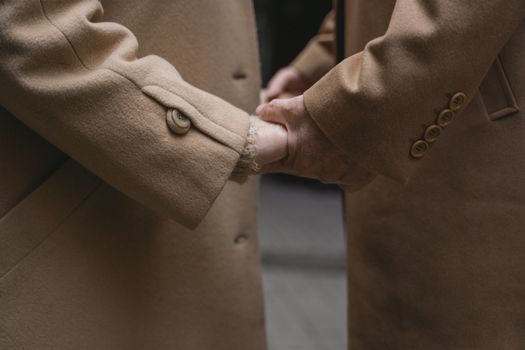 Photo: Tima Miroshnichenko / Pexels
Once you've invested in the perfect women's winter coat, whether it's a luxurious wool blend or a high-performance puffer, proper care is essential to ensure its longevity, maintain its warmth, and preserve its aesthetic appeal. Neglecting proper maintenance can drastically shorten your coat's lifespan and diminish its protective qualities. Here are key care tips and common mistakes to avoid:
**Care Tips for Longevity:**
* **Read the Label:** This is the golden rule. Always check the care label for specific washing, drying, and cleaning instructions. Different materials and insulations require different approaches.
* **Spot Clean Promptly:** For minor spills or marks, spot clean immediately with a damp cloth and mild detergent. This prevents stains from setting in and reduces the need for full washes.
* **Proper Storage:** When not in use, store your winter coat on a broad-shouldered hanger to maintain its shape, especially for heavier wool or tailored coats. Use a breathable garment bag to protect it from dust and moths, particularly during off-season storage.
* **Aerate Regularly:** After wearing, hang your coat in a well-ventilated area to air it out. This helps to remove moisture and odours, keeping it fresh between washes.
* **Professional Cleaning for Wool/Cashmere:** For delicate materials like wool, cashmere, or tailored coats, professional dry cleaning is often the safest option to prevent shrinkage, damage, or loss of shape.
* **Washing Down & Synthetic Puffers:** For down or synthetic-filled puffers, machine wash on a gentle cycle with a specialised down wash or mild detergent. Use cool water. Crucially, tumble dry on a low heat with dryer balls (tennis balls work too) to redistribute the fill and restore loft.
* **Re-Waterproofing:** If your waterproof coat starts to 'wet out' (water stops beading and soaks in), it might need a DWR (Durable Water Repellent) re-treatment. Various spray-on or wash-in products are available.
**Common Mistakes to Avoid:**
* **Over-Washing:** Washing your coat too frequently can degrade fabrics, insulation, and waterproof coatings. Only wash when necessary.
* **Using Harsh Detergents:** Standard detergents can strip natural oils from down, damage waterproof membranes, and leave residues that attract dirt. Opt for gentle, specialised cleaners.
* **High Heat Drying:** High heat can melt synthetic fibres, damage waterproof membranes, and shrink wool. Always use low heat or air dry as per instructions.
* **Improper Drying of Down:** Drying a down coat without dryer balls will result in clumped down, uneven insulation, and a flat coat. The dryer balls break up the clumps and restore the loft.
* **Hanging Wet Wool Coats:** Hanging a wet wool coat can cause it to stretch and lose its shape. Instead, lay it flat on a clean towel to air dry, flipping periodically.
* **Ignoring Small Damages:** A small tear or loose seam can quickly worsen. Address minor damages promptly to prevent further wear and tear.
By following these simple care guidelines and avoiding common pitfalls, your women's winter coats UK will not only look better but also provide reliable warmth and protection for many seasons to come.
