Where to Sell Used Designer Clothes UK: Your Ultimate Guide
where to sell used designer clothes UK

Where to Sell Used Designer Clothes UK: Your Ultimate Guide

Unlock the value in your wardrobe by exploring the top UK platforms for selling pre-loved designer fashion.

Start Selling Now

Key Takeaways

  • ✓ The UK pre-loved luxury market is booming, offering significant returns for sellers.
  • ✓ Different platforms cater to varying levels of designer authenticity and pricing.
  • ✓ Consignment services offer convenience, while direct sales platforms provide more control.
  • ✓ High-quality photos and detailed descriptions are crucial for successful sales.

How It Works

1
Assess Your Items

Carefully check your designer clothes for condition, authenticity, and market value. Clean and prepare them for sale to ensure the best possible outcome.

2
Choose Your Platform

Research and select the best selling platform that aligns with your items, desired control, and commission expectations. Consider factors like ease of use and audience.

3
List Your Clothes

Create compelling listings with clear, high-quality photos and accurate descriptions. Highlight key features, designer details, and any imperfections.

4
Ship & Get Paid

Once an item sells, package it securely and ship according to the platform's guidelines. Receive your payment, minus any platform fees or commissions.

The Booming UK Market for Pre-Loved Designer Fashion
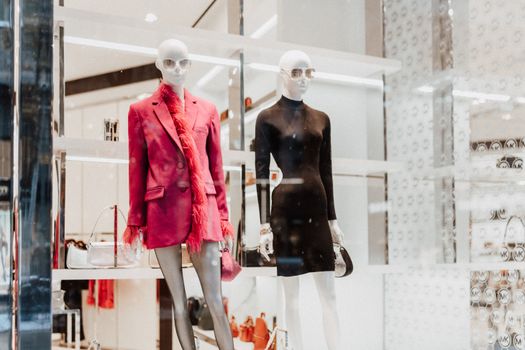
Stylish mannequins in a fashion store window showcasing modern attire. Perfect for shopping inspiration. Photo: Masood Aslami / Pexels
The landscape of fashion consumption in the UK has undergone a significant transformation, with a burgeoning market for pre-loved designer clothes. This shift is driven by a confluence of factors, including increased environmental consciousness, a desire for sustainable fashion, and the accessibility of luxury goods at more affordable price points. Consumers are increasingly aware of the environmental impact of fast fashion and are actively seeking alternatives that align with their values. Selling your used designer clothes in the UK isn't just about decluttering; it's about participating in a circular economy, extending the lifecycle of high-quality garments, and recouping a substantial portion of your initial investment. The demand for authentic, well-maintained designer pieces remains consistently high, creating a lucrative opportunity for sellers. From iconic handbags to timeless trench coats, covetable shoes to statement dresses, there's a buyer out there for almost every designer item. Understanding this market dynamic is the first step towards successfully navigating where to sell used designer clothes UK. Platforms dedicated to luxury resale have matured, offering sophisticated authentication processes, secure transactions, and a global reach, ensuring that your valuable items find their next appreciative owner. Whether you're looking to sell a single item or a complete wardrobe overhaul, the UK market provides a robust infrastructure for luxury resale. The convenience offered by various online and offline channels means that sellers have more choices than ever before, allowing them to select the method that best suits their needs and comfort level. This section will delve into the reasons behind this growth and why now is an opportune time to tap into this vibrant market, transforming your unused luxury items into cash.

Top Online Platforms to Sell Your Designer Clothes

Woman happily showcasing a blue dress during a boutique sale, enhancing live shopping experience. Photo: MART PRODUCTION / Pexels
When considering where to sell used designer clothes UK, online platforms are often the first port of call due to their broad reach and convenience. These digital marketplaces connect sellers with a global audience of eager buyers, significantly increasing the chances of a quick and profitable sale. Each platform has its unique strengths, commission structures, and target demographics, making it essential to choose wisely. Vinted, for instance, has gained immense popularity for its user-friendly interface and competitive selling fees, making it a great option for a wide range of designer items, from high-street collaborations to accessible luxury. Depop, on the other hand, thrives on a younger, fashion-forward audience, perfect for selling more trend-driven or unique vintage designer pieces. For true luxury items, platforms like Vestiaire Collective and The RealReal stand out. Vestiaire Collective is renowned for its rigorous authentication process, instilling confidence in both buyers and sellers of high-value items. They handle shipping and payment, streamlining the selling process. The RealReal operates on a consignment model, taking care of everything from photography to pricing and shipping, ideal for those who prefer a hands-off approach. eBay, while not exclusively a luxury platform, remains a powerful tool for selling designer goods, especially if you're comfortable managing listings, shipping, and customer service yourself. Its auction-style listings can sometimes lead to higher prices for in-demand items. Poshmark, with its social selling aspect, encourages interaction and community building, which can enhance visibility for your listings. When choosing an online platform, consider the type of items you're selling, your desired level of involvement in the sales process, and the commission rates. Some platforms charge a flat fee, while others take a percentage of the final sale price, which can vary based on the item's value. Researching these details thoroughly will help you maximise your earnings and ensure a smooth selling experience. Remember, high-quality photos, detailed descriptions, and transparent communication are paramount to success on any online platform.

Consignment Stores and Physical Boutiques in the UK
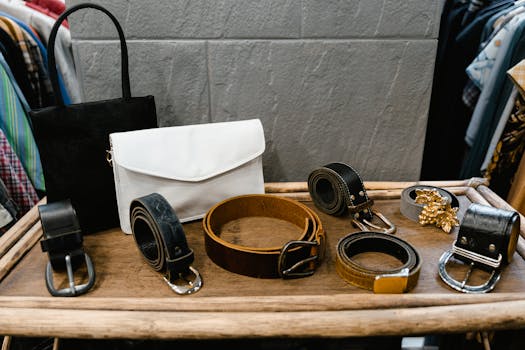
A collection of stylish belts and handbags displayed on a wooden rack in a fashion boutique. Photo: MART PRODUCTION / Pexels
While online platforms offer unparalleled reach, for those who prefer a more traditional or hands-off approach, physical consignment stores and boutiques present an excellent alternative for where to sell used designer clothes UK. These establishments often cater to a local, discerning clientele who appreciate the opportunity to inspect items in person before purchasing. The major advantage of consignment is the convenience it offers: you simply drop off your items, and the store handles everything from pricing and display to sales and customer service. They typically have an established customer base actively seeking luxury pieces, which can lead to quicker sales for desirable items. London, as a global fashion capital, boasts an array of high-end consignment boutiques. Places like Sign of the Times in Chelsea or The Dresser in Notting Hill are well-known for their curated selection of luxury pre-loved garments and accessories. Beyond London, many major UK cities, such as Manchester, Edinburgh, and Birmingham, also have reputable consignment stores. When opting for a physical store, it's crucial to research their specific intake policies, commission structures, and the types of brands they accept. Most will operate on a percentage split, typically ranging from 40% to 60% of the sale price going to the seller, depending on the item's value and the store's prestige. Some boutiques may offer direct buy-out options, though these usually provide a lower return compared to consignment, in exchange for immediate payment. The condition of your items is paramount for physical stores; they often have very high standards for quality, cleanliness, and authenticity. Items should be in excellent, near-new condition, dry-cleaned, and free from any noticeable flaws. The benefit of selling through a physical boutique extends beyond convenience; it also offers a curated shopping experience for buyers, often leading to a premium price for your items. The expert staff can accurately price your items based on their knowledge of the market and brand value. This method is particularly suitable for high-value, iconic pieces that benefit from being seen and touched before purchase. Before visiting, always check their website or call ahead to understand their selling process and appointment requirements. Consider this option if you value personalised service and a hassle-free selling experience for your designer wardrobe. Selling luxury fashion through these channels adds a layer of trust and expertise.

Maximising Your Returns: Tips for Selling Designer Clothes
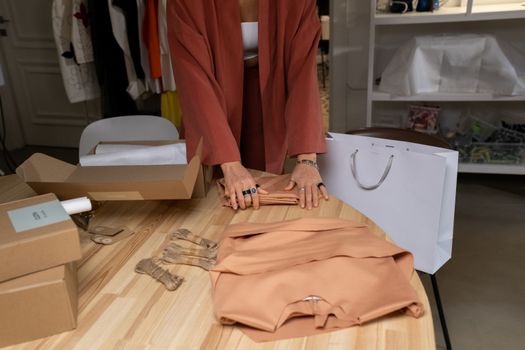
Fashion designer folding garments indoors for shipping preparation in a modern studio. Photo: Ron Lach / Pexels
Selling your used designer clothes effectively goes beyond just choosing a platform; it involves strategic preparation and presentation to maximise your returns. Here are crucial tips to ensure your items fetch the best possible price: * **Condition is Key:** Be brutally honest about the condition of your items. Flaws should be clearly photographed and described. Pristine items command higher prices. Consider professional cleaning or minor repairs for high-value pieces before listing. * **Authenticity Matters:** Proof of authenticity, such as original receipts, dust bags, or authenticity cards, significantly boosts buyer confidence and value. If you don't have these, ensure your photos clearly show brand tags, serial numbers, and distinctive hardware. * **High-Quality Photography:** This cannot be stressed enough. Use natural light, a clean background, and take multiple photos from different angles. Include close-ups of details, brand tags, and any wear. A well-lit, professional-looking photo can make all the difference. * **Detailed & Honest Descriptions:** Write comprehensive descriptions that include the brand, size (and fit notes if it runs small/large), material, original purchase price (if known), and any unique features. Crucially, disclose any imperfections honestly. Transparency builds trust. * **Competitive Pricing:** Research similar items sold recently on your chosen platform to gauge a realistic price. Don't overprice, as this deters buyers, but also don't undervalue your items. Factor in platform fees when setting your price. * **Timely Communication:** Respond promptly and politely to buyer inquiries. Good communication can secure a sale and lead to positive feedback. * **Seasonal Selling:** Consider the season when listing certain items. A heavy winter coat will sell better in autumn, while a summer dress will perform better in spring. * **Packaging & Shipping:** Once sold, package your item securely and beautifully. Use appropriate packaging to protect the garment during transit. Prompt shipping is also vital for positive buyer feedback. **Mistakes to Avoid:** * **Poor Photos:** Dark, blurry, or cluttered photos are a major turn-off. * **Incomplete Descriptions:** Omitting key details or failing to mention flaws will lead to disputes and returns. * **Unrealistic Pricing:** Overpricing will mean your item sits unsold, while underpricing leaves money on the table. * **Ignoring Authenticity Concerns:** If you can't prove authenticity, be prepared for lower offers or more scrutiny. * **Slow Communication:** Delays in responding to buyers can result in lost sales. By following these tips and avoiding common pitfalls, you'll significantly increase your chances of a successful and profitable sale when deciding where to sell used designer clothes UK.

Comparison

FeatureVestiaire Collective (Online)Local Consignment StoreDepop (Online)
Ease of UseModerate (seller submits photos, VC handles rest)Very Easy (drop off items)Moderate (seller handles all aspects)
Commission RateVaries, typically 15-25% + selling feeTypically 40-60% of sale price10% + payment processing fees
AuthenticationRigorous in-house authenticationStore's expertise, often very goodPeer-to-peer, less formal
Target AudienceHigh-end luxury buyersLocal, discerning luxury buyersYounger, trend-focused buyers
Payout SpeedPost-authentication/deliveryAfter item sells (monthly/bi-monthly)Immediately after buyer confirms receipt
Best ForHigh-value, iconic luxury itemsConvenience, curated collectionUnique, vintage, and streetwear designer items

What Readers Say

"I used Vestiaire Collective to sell my Chanel bag, and the process was incredibly smooth. Their authentication gave me peace of mind, and it sold within weeks. Definitely the best place where to sell used designer clothes UK for high-end items."

Sarah J. · London, England

"Depop was fantastic for selling some of my streetwear designer hoodies. The community is active, and I found buyers quickly. It's a great option for younger, trendier pieces."

Mark D. · Manchester, England

"I consigned several dresses at a local boutique, and they handled everything. It was so easy, and I received a decent payout without any effort on my part. Perfect for busy individuals."

Eleanor V. · Edinburgh, Scotland

"eBay worked well for my designer shoes, though it required more personal effort in terms of photos and communication. The fees were reasonable, and I got a good price, but it's not entirely hands-off."

David W. · Bristol, England

"I've sold multiple items on Vinted, from designer jeans to jackets. It's incredibly user-friendly, and while the prices might be slightly lower than luxury-specific sites, the items sell fast due to the huge user base."

Chloe L. · Leeds, England

Frequently Asked Questions

What is the best platform where to sell used designer clothes UK for high-value items?

For high-value designer items like luxury handbags or iconic clothing pieces, platforms such as Vestiaire Collective and The RealReal are often recommended. They offer robust authentication services and cater to a discerning clientele willing to pay a premium for authenticated luxury goods, ensuring both seller and buyer confidence.

How can I ensure my designer clothes are authenticated before selling?

Many luxury resale platforms, like Vestiaire Collective, offer in-house authentication services as part of their selling process. If selling independently, keep original receipts, authenticity cards, and dust bags. High-quality photos of brand tags, serial numbers, and hardware can also help buyers verify authenticity.

What are the typical commission rates for selling used designer clothes in the UK?

Commission rates vary significantly by platform. Online consignment services like Vestiaire Collective might charge 15-25% plus a selling fee, while local physical consignment stores often take 40-60% of the sale price. Direct selling platforms like Depop typically charge around 10% plus payment processing fees. Always check the specific platform's terms.

Can I sell designer clothes that have minor flaws or wear?

Yes, but transparency is key. Clearly photograph and describe any flaws, wear, or damage in your listing. While items in pristine condition fetch the highest prices, many buyers are willing to purchase items with minor imperfections if the price reflects the condition. Some platforms are more forgiving of wear than others.

Is it better to sell designer clothes online or in a physical store?

The best option depends on your preferences and the item. Online platforms offer broader reach and potentially higher returns if you manage the process. Physical consignment stores provide convenience and a hands-off approach, ideal for those who prefer not to deal with listings and shipping, often catering to a local, established clientele. Consider your time, desired control, and the item's value.

Who should consider selling their used designer clothes in the UK?

Anyone with designer garments, accessories, or footwear that are no longer worn but are in good to excellent condition should consider selling them. This includes fashion enthusiasts looking to refresh their wardrobe, individuals aiming to recoup investment from luxury purchases, or those seeking a sustainable way to declutter.

What are the risks associated with selling used designer clothes?

Risks include dealing with counterfeit claims (if authenticity cannot be proven), potential for returns or disputes over item condition (if not accurately described), and the possibility of items not selling or selling for less than expected. Using reputable platforms with clear policies and authentication services can mitigate many of these risks.

How is the market for used designer clothes in the UK expected to evolve?

The UK market for used designer clothes is projected to continue its strong growth, driven by increasing consumer awareness of sustainability, the desire for accessible luxury, and the ongoing development of sophisticated resale platforms. Expect more innovative services, enhanced authentication technologies, and a greater integration of resale into mainstream fashion retail.

Ready to unlock the value hidden in your wardrobe? Whether you choose online marketplaces or physical consignment, knowing where to sell used designer clothes UK empowers you to make informed decisions. Start selling your pre-loved luxury items today and embrace the circular economy of fashion.

Topics: where to sell used designer clothes UKsell pre-loved luxury UKconsignment designer clothes UKresell designer fashion UKluxury resale platforms UK
Leo List
Brampton weed
Adultwork EstrelaBet Vai de Bet R7 Bet Betão Galera Bet Rainbet Bet9ja Shop SportyBet BetKing Sisal Loto Foot Hollywoodbets YesPlay Odibets RushBet Jugabet BetWarrior BetCity MSport betPawa Fortebet