Where to Sell Used Clothes UK: Your Ultimate Guide
Unlock the value in your wardrobe and contribute to sustainable fashion by selling your pre-loved clothes.
Start Selling NowKey Takeaways
- ✓ The UK second-hand clothing market is projected to grow significantly, offering lucrative opportunities.
- ✓ Online marketplaces like Vinted and Depop dominate, but physical options still thrive.
- ✓ Condition, brand, and seasonality are key factors in determining resale value.
- ✓ Selling used clothes promotes circular fashion and reduces textile waste.
How It Works
Ensure all items are clean, ironed, and free from damage. High-quality presentation significantly impacts saleability and price.
Research different selling platforms based on commission rates, target audience, and convenience. Consider both online and local options.
Take clear, well-lit photos and write descriptive listings. Price competitively by researching similar items and considering the garment's condition.
Once sold, package your items securely and ship them promptly. For local options, arrange a convenient and safe handover.
Navigating Online Marketplaces for Pre-Loved Fashion
 Photo: Ron Lach / Pexels
Depop, on the other hand, often appeals to a younger, more trend-conscious demographic, with a strong emphasis on unique, vintage, and streetwear styles. Its interface is more akin to a social media feed, encouraging creative photography and storytelling around each item. Sellers on Depop tend to invest more time in styling their items for photos and crafting engaging descriptions, often building a personal brand around their storefront. While Depop charges a 10% commission on sales, its active community and focus on niche markets can lead to higher selling prices for sought-after items. Beyond these giants, other platforms like eBay continue to be relevant, especially for designer items or larger bundles, offering auction-style listings alongside fixed-price options. The key to success on any of these platforms lies in high-quality photos, accurate descriptions, competitive pricing, and responsive communication with potential buyers. Understanding the specific audience and fee structures of each platform is crucial in deciding the best fit for your pre-loved fashion items. Many sellers choose to utilise multiple platforms to maximise their reach and increase their chances of a quick sale, adapting their strategy to the strengths of each. This multi-platform approach can significantly boost your success when considering sustainable fashion choices.
Consignment and Resale Stores: A Hassle-Free Approach
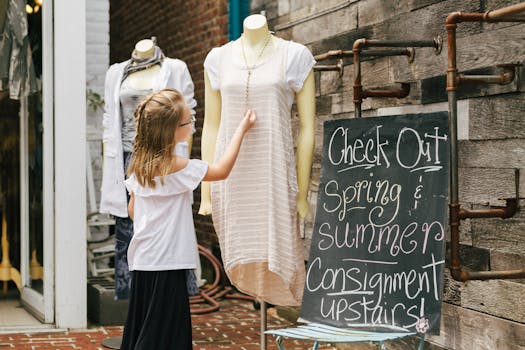 Photo: Michael Morse / Pexels
The benefits of consignment extend beyond convenience. Reputable consignment stores often have an established customer base looking for specific brands or styles, meaning your items might sell faster and for a better price than if you listed them yourself online. They also handle all customer service, returns, and payment processing, providing a truly seamless experience. However, it's important to understand that consignment stores are often highly selective. They typically look for current season items, designer brands, excellent condition, and pieces that align with their store's aesthetic. Before visiting, it's advisable to check their website or call ahead to understand their specific intake policies, brands they accept, and commission rates. Commission structures vary widely, from 30% to 60% or more, depending on the item's value and the store's policy.
Some popular examples in the UK include high-end consignment boutiques in affluent areas of London, Manchester, or Edinburgh, which specialise in luxury designer wear. Beyond these, local charity shops with dedicated 'boutique' sections are also increasingly offering a curated selection of higher-quality second-hand items, sometimes even operating on a consignment-like model or offering gift cards in exchange for donations. Researching local options and understanding their specific niche will help you determine if this is the right path for your particular items. While you might earn a slightly lower percentage of the sale price compared to selling directly online, the time saved and the professional presentation can make it a worthwhile trade-off for many. This method is often favoured for unique or vintage pieces that require expert appraisal and presentation.
Local Selling Options and Community Initiatives
 Photo: Ron Lach / Pexels
Local Facebook Marketplace groups or neighbourhood selling pages are another powerful resource. These hyper-local platforms allow you to connect directly with buyers in your immediate area, eliminating shipping costs and often facilitating quick, in-person transactions. This is particularly useful for bulkier items or clothing bundles that would be expensive to post. Safety should always be a priority when arranging meet-ups; choose public places or bring a friend. Word-of-mouth and local advertising, such as notices in community centres or local shops, can also attract buyers for specific items.
Furthermore, a growing number of pop-up clothes swaps, vintage fairs, and local markets are emerging across towns and cities. These events create a vibrant atmosphere for buying and selling second-hand fashion, often attracting a dedicated crowd. Some might operate on a direct selling model where you set up a stall, while others might be organised swaps where you exchange items for tokens. While these require more active participation, they offer a unique social experience and an opportunity to connect with like-minded individuals. Exploring these local avenues can not only help you declutter but also strengthen local commerce and foster a sense of community around circular fashion practices. Many of these options also provide a much faster turnaround for sales than waiting for an online buyer.
Maximising Your Returns: Tips for Successful Selling
 Photo: Ylanite Koppens / Pexels
Quality and Condition: This is paramount. Items that are clean, ironed, and free from stains, tears, or significant wear will command higher prices and sell faster. Think about how you would want to receive an item.
Photography is Key: Good lighting (natural light is best), clear focus, and multiple angles are essential. Show the item laid flat, on a hanger, or even modelled if appropriate. Highlight any unique details or features.
Detailed Descriptions: Be honest and thorough. Include brand, size (and specific measurements if possible), material, colour, and any minor flaws. A well-written description builds trust and reduces buyer queries.
Competitive Pricing: Research similar items on your chosen platform. Price slightly below new retail, considering the item's condition and brand. Be open to reasonable offers, especially on platforms that allow negotiation.
Brand Recognition: Designer and high-street brands (e.g., Zara, ASOS, H&M) often sell better than unbranded items. Certain vintage brands also have strong resale value.
Seasonality: List seasonal items at the appropriate time. Winter coats will sell better in autumn, and summer dresses in spring.
Packaging: Once sold, package your items neatly and securely. A pleasant unboxing experience can lead to positive reviews.
Communication: Respond promptly and politely to buyer questions. Good communication builds a positive reputation.
Avoid These Mistakes:
- Selling damaged or dirty items without full disclosure.
- Using blurry or poorly lit photos.
- Overpricing items compared to the market.
- Ignoring buyer messages or being slow to ship.
- Underestimating shipping costs or not offering clear shipping options.
Comparison
| Feature | Online Marketplaces (Vinted/Depop) | Consignment Stores | Car Boot Sales / Local Groups |
|---|---|---|---|
| Effort Required | Moderate (photos, listing, shipping) | Low (drop-off) | Moderate (setting up, interacting) |
| Potential Earnings | High percentage of sale price | Lower percentage (commission) | Varies, often lower per item |
| Convenience | High (sell from home) | Medium (travel to store) | Low (requires physical presence) |
| Speed of Sale | Varies, can be fast for popular items | Varies, can be slower for niche items | Immediate (car boot), or varied (local groups) |
| Item Suitability | Trendy, vintage, designer, everyday | Designer, high-end, current season | Bulk, everyday, lower value items |
| Fees | Varies (seller/buyer fees, commission) | High commission (30-60%) | Pitch fee (car boot), often none (local groups) |
| Payment Method | Digital (bank transfer, in-app wallet) | Bank transfer after sale | Cash, digital transfer (local groups) |
What Readers Say
"I used Vinted after reading about where to sell used clothes UK, and I've cleared out so much of my wardrobe! The process was surprisingly easy, and I've made over £200 in the last month. Highly recommend for everyday items."
Sarah J. · Manchester, UK"Depop has been fantastic for selling my vintage streetwear. The community is really engaged, and I've connected with buyers who truly appreciate the unique pieces I offer. It's a great way to earn extra cash."
Mark D. · London, UK"I consigned a few designer handbags and dresses at a local boutique. While they took a commission, the items sold within a month, and I didn't have to lift a finger. It was a completely stress-free experience."
Emily R. · Bristol, UK"Car boot sales are a bit of effort, but I managed to sell a huge bag of clothes for £50 in a morning. It's not for high-value items, but perfect for clearing out general clutter and getting instant cash."
David L. · Glasgow, UK"Using local Facebook groups has been brilliant for selling my children's outgrown clothes bundles. No shipping costs, and I meet buyers just a few streets away. It's quick, easy, and very community-focused."
Chloe P. · Birmingham, UKFrequently Asked Questions
What's the best platform for where to sell used clothes UK if I have designer items?
For designer items, Vestiaire Collective, The RealReal, or high-end physical consignment stores are often the best choice due to their authentication services and curated clientele. Depop can also work well if your items are on-trend or vintage designer.
Is it worth selling clothes that aren't branded?
Yes, it can still be worth it! While branded items often sell faster and for more, unbranded items can be sold in bundles on platforms like Vinted or through local car boot sales. Focus on good condition and attractive pricing.
How do I determine a fair price for my used clothes?
Research similar items on your chosen platform, considering the brand, condition, and original retail price. A good rule of thumb is 30-50% of the original price for items in excellent condition, adjusting for demand and rarity.
What are the typical fees when selling used clothes online in the UK?
Fees vary significantly. Vinted often has no seller fees (buyers pay a small fee), Depop charges 10% commission on sales, and eBay has insertion fees plus a final value fee (around 12.8% + 30p for most clothing). Consignment stores typically take 30-60%.
Should I wash and iron my clothes before selling them?
Absolutely. Presenting your clothes clean, ironed, and in their best possible condition significantly increases their appeal and potential selling price. It also shows respect for the buyer.
Who should consider selling used clothes?
Anyone looking to declutter their wardrobe, earn extra income, or contribute to a more sustainable fashion cycle should consider selling used clothes. It's an excellent way to give garments a second life.
What are the risks associated with selling clothes online?
Risks include non-paying buyers, disputes over item condition, and potential scams. Mitigate these by taking clear photos, writing accurate descriptions, using tracked shipping, and communicating effectively. For local sales, always meet in a safe, public place.
How is the UK second-hand clothing market expected to evolve?
The UK second-hand clothing market is rapidly expanding, driven by sustainability concerns and economic factors. We can expect to see more integrated resale options from major retailers, increased use of AI for pricing, and a continued shift towards circular fashion models.
Ready to transform your wardrobe into income and embrace sustainable fashion? Explore these diverse options for where to sell used clothes UK and start your selling journey today. Every item sold helps reduce waste and gives fashion a second chance.