✓ Always check the invitation for a specified dress code.
✓ Avoid white, cream, or ivory unless explicitly requested.
✓ Comfort is key, especially for long wedding days.
✓ Consider the season and venue when choosing fabrics and styles.
How It Works
1
Decipher the Dress Code
The first step is to carefully read the wedding invitation. It will often specify a dress code like 'Black Tie', 'Cocktail', 'Lounge Suit', or 'Smart Casual', guiding your choices.
2
Consider Season and Venue
Think about the time of year and the location of the wedding. A summer garden party demands different attire than a winter church ceremony, influencing fabric, colour, and layering.
3
Choose Your Outfit Style
Based on the dress code, season, and venue, select an outfit that is appropriate and makes you feel confident. Options range from elegant dresses and jumpsuits to tailored suits and separates.
4
Accessorise Thoughtfully
Complete your look with suitable accessories. Shoes, bags, jewellery, and fascinators or hats can elevate an outfit, but ensure they complement rather than overpower your chosen attire.
Decoding UK Wedding Dress Codes: From Black Tie to Smart Casual
Photo: NUDE Nahum / Pexels
Understanding the nuances of British wedding dress codes is the bedrock of choosing the perfect outfit. Unlike some regions, UK weddings often adhere to specific, albeit sometimes subtly communicated, sartorial expectations. Misinterpreting these can lead to feeling underdressed or, equally awkward, overdressed. Let's break down the most common dress codes you'll encounter.
**Black Tie:** This is the most formal dress code, typically reserved for evening weddings at grand venues. For men, it means a tuxedo (black dinner jacket, matching trousers, white dress shirt, black bow tie, and black patent leather shoes). For women, it calls for a long, formal evening gown. Think elegant fabrics like silk, satin, or velvet, in sophisticated colours. While a full-length gown is traditional, a very chic, floor-length jumpsuit can sometimes be appropriate if it's exceptionally formal and well-tailored. Avoid anything too short, overly revealing, or overly casual. Jewellery should be refined, and a clutch bag is essential.
**Black Tie Optional/Creative Black Tie:** This offers a little more flexibility. Men might opt for a dark suit with a tie instead of a tuxedo, though a tuxedo is still perfectly acceptable. Women can choose between a long gown or a sophisticated cocktail dress that falls below the knee. 'Creative Black Tie' allows for more personality – perhaps a dress with interesting detailing, a bold colour, or an elevated trouser suit. The key is to maintain a high level of formality while injecting some individual style.
**Lounge Suit / Formal:** This is a very common dress code for UK weddings. For men, a well-tailored suit is required – dark colours like navy, charcoal, or grey are safest, paired with a smart shirt and tie. For women, this opens up a wider range of options: a sophisticated midi or knee-length dress, a chic tailored jumpsuit, or an elegant skirt suit or trouser suit. Fabrics can be a bit lighter than for black tie, and patterns are acceptable. This is where you can truly express your personal style while maintaining a respectful level of formality. Avoid anything too casual like denim, shorts, or overly summery fabrics if it's not explicitly a casual outdoor wedding.
**Cocktail:** This dress code is festive and stylish, often seen at afternoon or early evening weddings. For men, a suit is still the norm, but you can experiment with lighter colours or subtle patterns, and potentially a less formal tie. For women, a cocktail dress is ideal – think knee-length or midi, in interesting colours, prints, or textures. Jumpsuits are also a fantastic option here, offering a modern and chic alternative. This is your chance to have fun with fashion; consider statement accessories or bold shoes.
**Smart Casual:** While less common for the main wedding ceremony, you might encounter this for pre-wedding events or very relaxed, informal celebrations. This is the trickiest to navigate as 'casual' can be misleading. It still means smart. For men, chinos or tailored trousers with a smart shirt and blazer (no tie needed) would work. For women, a stylish midi dress, a smart skirt and top combination, or tailored trousers with a dressy blouse are appropriate. Avoid anything you'd wear to the beach or for everyday errands. The emphasis is on 'smart' more than 'casual'. Always err on the side of being slightly more dressed up if in doubt. Understanding these codes is your first step to being a perfectly attired guest. For more on general fashion principles, explore our fashion guides.
Seasonal Sensibility: Dressing for UK Weather and Wedding Venues
Photo: Mayur Gawade / Pexels
The British weather is notoriously unpredictable, and a wedding guest's outfit needs to be prepared for anything from glorious sunshine to an unexpected downpour, sometimes all within the same day! Beyond the dress code, the season and the specific venue are crucial considerations for your attire. Ignoring these elements can lead to discomfort or an outfit that feels entirely out of place.
**Spring Weddings (March - May):** Spring in the UK can be a mix of crisp, cool days and emerging warmth. Layering is your best friend. Opt for dresses or suits in lighter fabrics like crepe, silk blends, or even a fine wool blend for cooler days. Pastel colours, floral prints, and soft hues are popular choices, reflecting the season's bloom. A stylish jacket or wrap is essential for warmth, especially in the evenings. Closed-toe shoes might be more practical than open sandals, depending on the venue. Think about a smart blazer over a midi dress, or a lightweight suit in a subtle check for men.
**Summer Weddings (June - August):** This is when you can embrace lighter, brighter colours and more breathable fabrics. Linen blends, cotton, chiffon, and lighter silks are excellent choices. Maxi dresses, elegant sun dresses, and jumpsuits in vibrant colours or bold patterns are perfect for women. For men, lighter suits in grey, beige, or even a light blue are suitable, perhaps paired with a linen shirt. Outdoor weddings require extra thought: comfortable block heels or wedges are better than stilettos on grass, and a stylish hat can offer sun protection while adding a touch of elegance. Always have a light wrap or cardigan for cooler evenings.
**Autumn Weddings (September - November):** Autumn offers a rich palette of colours – think deep jewel tones like emerald green, sapphire blue, burgundy, and sophisticated earthy neutrals. Fabrics can become heavier: velvet, brocade, thicker crepes, and even fine knits. Long-sleeved dresses or those with elegant sleeves are popular. For men, tweed suits or darker wool suits are excellent choices. Accessories like elegant pashminas or tailored coats become integral parts of the outfit. Boots, if elegant and dressy, can be considered for women for outdoor or rustic venues, but usually smart heels or flats are preferred.
**Winter Weddings (December - February):** Warmth and elegance are paramount. Rich, luxurious fabrics like velvet, heavy brocade, or wool are ideal. Long-sleeved dresses, sophisticated jumpsuits, or tailored trouser suits in dark, opulent colours are perfect for women. For men, a dark, well-tailored wool suit or even a tuxedo (if black tie) is essential. Layering is key, so a stylish coat that complements your outfit is a must. Closed-toe shoes and warm accessories like gloves or a faux fur stole can complete your look. Remember that many winter weddings have indoor ceremonies and receptions, so ensure your outfit is comfortable for both. Consider the journey between venues too, as you'll need adequate outerwear. Planning for the unpredictability of UK weather and the specific environment of the venue will ensure you're both comfortable and stylish throughout the celebration.
Crafting the Perfect Ensemble: Styles, Silhouettes, and Accessories
Photo: Joel Santos / Pexels
Once the dress code, season, and venue are understood, the exciting part begins: crafting your perfect wedding guest ensemble. This involves selecting the right styles and silhouettes that flatter your figure and suit the occasion, alongside choosing accessories that elevate your look without overshadowing it. Remember, the goal is to look polished and appropriate, not to steal the spotlight from the happy couple.
**Dresses: The Ever-Reliable Choice:** Dresses remain a cornerstone of women's wedding guest attire. Midi dresses are incredibly versatile and chic, suitable for almost any dress code from cocktail to lounge suit. Look for styles with interesting necklines, sleeve details, or elegant prints. Maxi dresses offer a more formal feel, especially in flowing fabrics like chiffon or silk, perfect for summer or destination weddings, or even black-tie optional events. For a more structured look, a tailored sheath or A-line dress can be wonderfully elegant. Consider the fabric carefully: lighter fabrics for warmer months, and richer textures like velvet or brocade for cooler seasons. Pay attention to comfort – you'll be sitting, standing, and potentially dancing for hours.
**Jumpsuits and Trouser Suits: Modern Elegance:** For those seeking an alternative to dresses, jumpsuits and tailored trouser suits offer a sophisticated and contemporary option. A well-fitted jumpsuit in a luxurious fabric can be just as formal and elegant as a dress, especially for cocktail or lounge suit dress codes. Look for wide-leg or tailored styles, and pair with heels for an elongated silhouette. Trouser suits, especially in vibrant colours or interesting textures, can make a powerful fashion statement. Ensure the tailoring is impeccable and pair with a sophisticated blouse or top. These options are particularly great for cooler weather or for guests who prefer more coverage or comfort.
**Separates: Mix and Match Sophistication:** Don't underestimate the power of elegant separates. A beautiful full skirt (midi or maxi) paired with a dressy top can create a unique and stylish ensemble. Think about a silk camisole under a tailored blazer, or a lace top with a voluminous skirt. This approach allows for more versatility and the chance to re-wear pieces in different contexts. Ensure the fabrics and colours are cohesive and look intentionally put together, rather than just everyday items.
**Accessorising with Finesse:** Accessories are the finishing touches that can transform an outfit.
* **Shoes:** Comfort is paramount. Block heels or wedges are practical for outdoor venues, while elegant stilettos or sophisticated flats are suitable for indoor events. Match your shoes to the formality of your outfit.
* **Bags:** A clutch or a small shoulder bag is usually appropriate. Choose one that complements your outfit in terms of colour and style, and is large enough to hold essentials without being bulky.
* **Hats & Fascinators:** Traditionally, hats or fascinators are worn to formal daytime weddings in the UK, particularly those with a more traditional or royal feel. If you choose to wear one, ensure it’s proportionate to your outfit and doesn't obstruct views. They are less common for evening receptions.
* **Jewellery:** Opt for pieces that enhance your outfit without being distracting. A statement necklace or earrings can elevate a simple dress, but avoid wearing too many bold pieces at once.
By carefully considering these elements, you can assemble an outfit that is not only appropriate for the wedding but also truly reflects your personal style. For more inspiration on putting together cohesive looks, check out our guide on event styling.
Common Pitfalls and How to Avoid Them: Ensuring Flawless Wedding Attire
Photo: Rene Terp / Pexels
Even with the best intentions, it's easy to fall into common wedding guest attire traps. Avoiding these missteps is just as important as knowing what to wear, ensuring you navigate the day with confidence and respect for the couple. Here’s a breakdown of pitfalls and how to steer clear of them:
* **Wearing White (or Cream/Ivory):** This is the golden rule of wedding guest attire. Unless the invitation explicitly states a 'white party' or similar theme, avoid wearing any shade that could be mistaken for the bride's gown. This includes off-white, cream, and ivory. It's a sign of respect for the bride and a tradition deeply rooted in wedding etiquette. If a garment has a white base with a strong, distinct pattern, it might be acceptable, but when in doubt, choose another colour.
* **Being Too Casual:** Even for a 'smart casual' dress code, remember it's a wedding. This means no denim, no trainers (unless specifically requested for a highly themed, informal wedding), no overly ripped clothing, and generally avoiding anything you'd wear to the gym or for a lazy Sunday. Err on the side of being slightly overdressed rather than underdressed.
* **Being Too Revealing:** While fashion trends may favour daring cuts, a wedding is not the place for overly revealing outfits. Avoid excessively short hemlines, plunging necklines that are too deep, or cut-outs that expose too much skin. The aim is elegance and sophistication, not attracting undue attention. If your outfit is low-cut, consider a delicate camisole underneath, or a shawl for the ceremony.
* **Ignoring the Dress Code:** The dress code on the invitation is not a suggestion; it's a guide provided by the couple to ensure a cohesive aesthetic for their special day. Respect their wishes. If it says 'Black Tie', don't show up in a cocktail dress. If it says 'Lounge Suit', don't wear a casual sundress. If there's no dress code, default to a smart, semi-formal outfit – a nice midi dress or tailored suit is usually a safe bet.
* **Forgetting Practicalities (Shoes & Layers):** Many UK weddings involve moving between different venues, walking on grass, or spending time outdoors. Stiletto heels can be a nightmare on soft ground or cobblestones. Consider block heels, wedges, or elegant flats for comfort and practicality. Similarly, UK weather is notoriously fickle. Always have a stylish jacket, pashmina, or wrap to hand, even in summer, for cooler evenings or unexpected breezes. You'll be grateful for the extra layer.
* **Overshadowing the Couple:** While you want to look your best, remember the day is about the couple. Avoid overly extravagant, flashy, or attention-grabbing outfits that might distract from them. This includes very loud patterns, excessive sparkle (unless it's a black-tie event), or colours that are too jarring. The goal is to blend into the celebratory atmosphere gracefully.
* **Wearing Uncomfortable Shoes:** This is a common regret. You'll likely be on your feet for hours, mingling, dancing, and standing for photos. Break in new shoes beforehand, or bring a pair of elegant flats for later in the evening. Blisters and sore feet can quickly detract from your enjoyment of the celebration.
By keeping these common pitfalls in mind, you can confidently choose an outfit that is not only stylish and comfortable but also perfectly appropriate for the joyous occasion.
"This guide completely demystified what to wear to a wedding UK guest for me! I used to panic, but now I feel confident interpreting dress codes and choosing appropriate styles. My outfit for my cousin's wedding was perfect."
Eleanor V. · Bristol, UK
★★★★★
"The seasonal advice was a lifesaver for a Scottish wedding. I finally understood why a light blazer was essential even for a summer ceremony. No more shivering in photos!"
Marcus P. · Edinburgh, UK
★★★★★
"Following the tips on avoiding white and being too casual, I found a gorgeous navy jumpsuit for a 'Lounge Suit' wedding. Received so many compliments and felt perfectly appropriate. Thank you for making what to wear to a wedding UK guest easy!"
Sophie L. · London, UK
★★★★★
"Good breakdown of dress codes, though I wish there were a few more specific examples for men's smart casual. Still, very comprehensive and helpful for my wife and me."
David R. · Manchester, UK
★★★★★
"The section on accessories was brilliant. I often over-accessorise, but this guide helped me choose understated yet elegant pieces that truly completed my look for a formal garden wedding."
Chloe B. · Cardiff, UK
Frequently Asked Questions
What is the most common dress code for a UK wedding?
The 'Lounge Suit' or 'Formal' dress code is arguably the most common for UK weddings. This typically means a well-tailored suit for men (dark colours like navy or grey) and a sophisticated midi or knee-length dress, elegant jumpsuit, or smart separates for women. It strikes a balance between formality and allowing for personal style.
Is it ever okay to wear black to a UK wedding?
Yes, absolutely! Unlike some older traditions, wearing black to a UK wedding is now widely accepted and can be very chic. For formal or black-tie events, a black gown or suit is perfectly appropriate and elegant. For less formal weddings, a stylish black midi dress or jumpsuit can also work, especially if paired with colourful accessories to lighten the look.
How do I choose the right shoes for an outdoor UK wedding?
For outdoor UK weddings, especially those with grass or uneven surfaces, comfort and practicality are key. Opt for block heels, wedges, or elegant flats instead of stilettos, which can sink into the ground. Ensure your chosen footwear is clean and suitable for potentially damp conditions. Consider a spare pair of flats for dancing later.
What's an average budget for a wedding guest outfit in the UK?
The budget for a wedding guest outfit in the UK can vary wildly, from under £100 for an outfit found in high street sales or rented, to several hundred pounds for designer pieces. A realistic average for a new, good quality outfit (dress/suit, shoes, accessories) would typically range from £150-£400, but it's entirely possible to look stunning on a smaller budget through careful shopping or renting.
Should I wear a hat or fascinator to a UK wedding?
Wearing a hat or fascinator is a traditional element for formal daytime UK weddings, particularly those with a more traditional or royal aesthetic. It's generally optional, but if you choose to wear one, ensure it complements your outfit and doesn't obstruct views. They are less common for evening receptions. If the invitation mentions 'morning suit' or 'top hat and tails', a hat for women would be more expected.
Who should use this guide on what to wear to a wedding UK guest?
This guide is ideal for anyone attending a wedding in the United Kingdom as a guest, regardless of their prior experience with wedding etiquette. It's particularly helpful for those who want to understand UK-specific dress codes, navigate seasonal considerations, and ensure they look stylish, appropriate, and feel comfortable throughout the celebration, avoiding common fashion faux pas.
Are there any colours I should avoid besides white?
Beyond white (and ivory/cream), it's generally advisable to avoid any colour that is the exact shade of the bridesmaids' dresses, if you happen to know it, to prevent looking like part of the bridal party. Also, extremely bright, neon colours can sometimes be too distracting, depending on the formality and tone of the wedding. Always consider the couple's style and the overall ambiance.
What are the emerging trends for UK wedding guest attire?
Emerging trends for UK wedding guest attire include a greater emphasis on sustainability (renting outfits, re-wearing, buying from ethical brands), the popularity of sophisticated jumpsuits and tailored trouser suits as alternatives to dresses, and a move towards more vibrant and bold colours and prints. Statement sleeves and interesting textures like velvet and brocade continue to be popular, especially for cooler seasons.
Feeling more confident about what to wear to a wedding UK guest? With these insights into dress codes, seasonal considerations, and style tips, you're now equipped to choose an outfit that is both perfectly appropriate and wonderfully stylish. Step out with confidence and enjoy celebrating the happy couple!
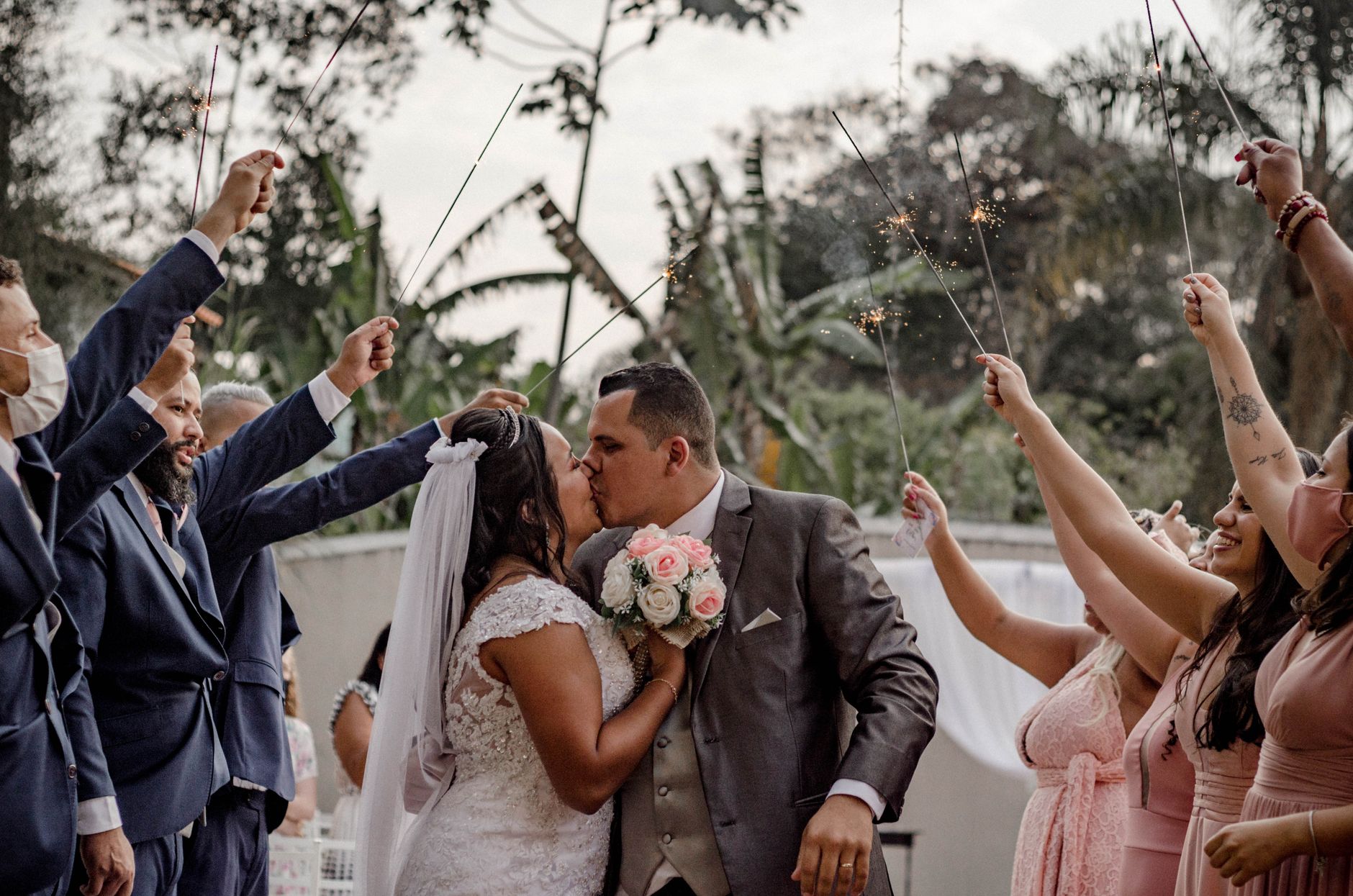
 Photo: NUDE Nahum / Pexels
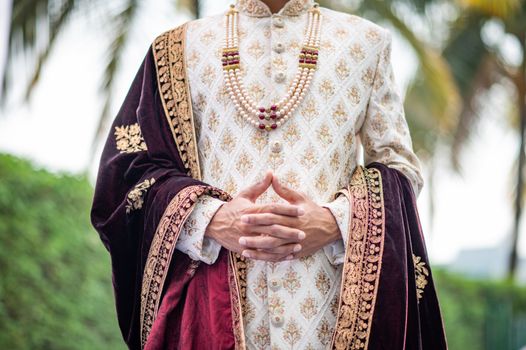 Photo: Mayur Gawade / Pexels
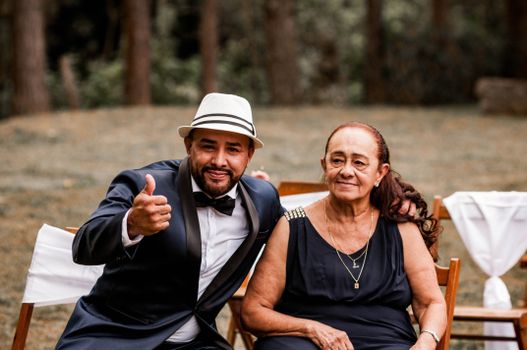 Photo: Joel Santos / Pexels
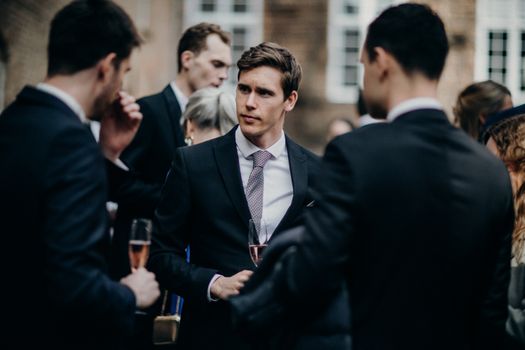 Photo: Rene Terp / Pexels