✓ First impressions are made within seconds, with attire playing a crucial role.
✓ Researching the company culture is paramount to tailoring your interview outfit.
✓ Comfort and confidence are as important as style in an interview setting.
✓ Attention to detail, from grooming to accessories, can significantly enhance your presentation.
How It Works
1
Research Company Culture
Before selecting your outfit, investigate the company's dress code. This helps you align your attire with their professional environment, whether formal or casual.
2
Choose Your Core Outfit
Select a primary outfit (suit, smart separates) that is clean, well-fitting, and appropriate for the industry. Focus on neutral colours for a professional look.
3
Accessorise Thoughtfully
Add subtle, professional accessories that complement your outfit without distracting. This includes appropriate footwear, minimal jewellery, and a smart bag.
4
Conduct a Full Dress Rehearsal
Wear your entire chosen outfit a day or two before the interview. This ensures comfort, checks for any wardrobe malfunctions, and boosts your confidence.
The Psychology of First Impressions: Why Your Interview Attire Matters
Photo: cottonbro studio / Pexels
In the competitive UK job market, the adage 'you never get a second chance to make a first impression' holds immense weight. Your choice of attire for a job interview isn't just about looking presentable; it's a powerful, non-verbal communication tool that speaks volumes before you even utter a word. Recruiters and hiring managers form initial judgments within seconds of meeting you, and your clothing plays a significant role in shaping these perceptions. Dressing appropriately demonstrates respect for the opportunity, the interviewer, and the company itself. It signals professionalism, attention to detail, and an understanding of workplace etiquette – qualities highly valued in any professional setting.
Beyond the external perception, your outfit profoundly impacts your internal state. When you feel well-dressed and confident, it translates into your posture, eye contact, and overall demeanour. This self-assurance can be a game-changer, allowing you to articulate your skills and experience more effectively and authentically. Conversely, an ill-fitting or inappropriate outfit can lead to discomfort and self-consciousness, potentially distracting you from performing your best during the interview. The UK professional landscape, while diverse, generally leans towards a smart and polished aesthetic for interviews. While some industries are becoming more relaxed, a baseline of professionalism is always expected. Understanding these nuances is crucial for navigating the expectations of a UK employer. It's about striking a balance between looking the part and feeling comfortable enough to let your personality shine through. This section will delve deeper into the specific elements that contribute to a successful first impression, from colour choices to fabric considerations, ensuring you're equipped to make a memorable and positive impact. Remember, your interview attire is an investment in your career, reflecting your seriousness and commitment to the role. For more general fashion advice, explore our fashion tips.
Decoding UK Company Culture: Tailoring Your Outfit to the Industry
Photo: Monstera Production / Pexels
The 'perfect' interview outfit is not a one-size-fits-all solution; it's highly dependent on the industry and the specific company culture. A creative agency in Shoreditch will likely have a vastly different dress code expectation than a corporate law firm in the City of London. Failing to research this crucial aspect can lead to being either over-dressed or under-dressed, both of which can send the wrong message. Over-dressing might suggest a lack of understanding of the company's modern, relaxed ethos, while under-dressing could imply a lack of seriousness or respect for a more traditional environment.
To effectively decode company culture, start with their website and social media. Look at photos of their employees – do they wear suits, smart casual, or something in between? LinkedIn profiles of current employees can also offer valuable insights. If possible, speak to someone who works there or has interviewed there previously. Recruiters can also provide guidance on the expected dress code. For traditional sectors like finance, law, or senior management roles, a full business suit (dark navy, charcoal grey, or black) is almost always the safest and most appropriate choice. This applies to both men and women. For women, this might be a trouser suit or a skirt suit with a modest blouse. For men, a well-tailored suit with a crisp shirt and a conservative tie is standard.
In contrast, creative industries (marketing, design, tech startups) often favour a 'smart casual' or 'business casual' approach. Here, a full suit might appear too rigid. Instead, think tailored trousers or a smart skirt with a blazer, a smart shirt or blouse, and polished shoes. For men, chinos or smart trousers with a collared shirt and a sports jacket or blazer can be ideal. Jeans are generally still a no-go for interviews, even in casual environments, unless explicitly stated. The key is to look polished and professional, even if the overall vibe is relaxed. It's always better to be slightly more dressed up than underdressed, as you can often remove a blazer if the environment proves to be more casual. This adaptability showcases your awareness and professionalism.
The Essentials: Core Elements of a Professional UK Interview Outfit
Photo: Brett Sayles / Pexels
Regardless of the industry, certain core elements form the foundation of a professional UK interview outfit. These are the non-negotiables that ensure you present a polished and competent image. For both men and women, cleanliness and good repair are paramount. Clothes should be freshly laundered or dry-cleaned, ironed, and free from stains, rips, or missing buttons. Shoes should be clean and polished. Your hair should be neat and tidy, and any makeup should be subtle and natural. Grooming, including neat nails and minimal fragrance, contributes significantly to your overall presentation.
For men, the classic choice is a two-piece suit in a conservative colour like navy, charcoal grey, or black. Pair this with a long-sleeved, collared shirt in a solid, light colour (white or light blue are safe bets). A tie is almost always recommended, even in slightly less formal settings, as it adds a touch of professionalism. Choose a tie with a subtle pattern or a solid colour that complements your suit and shirt, avoiding anything overly flashy or novelty. Polished leather shoes (oxfords or brogues) and dark socks are essential. A smart belt that matches your shoes completes the look. Avoid overly baggy or tight suits; tailoring is key to a sharp appearance. For more insights into professional wear, check out our guide on business attire.
For women, options are more varied but still lean towards formality. A trouser suit, a skirt suit, or a smart dress with a blazer are all excellent choices. Skirts should be knee-length or just below, and dresses should be modest in cut and style. Avoid anything too revealing or overly trendy. Blouses or tops should be professional, not low-cut, and preferably in a solid colour or a subtle pattern. Closed-toe, comfortable heels (no stilettos) or smart flats are appropriate. Tights or stockings are generally recommended, even in warmer weather, for a polished finish. Jewellery should be minimal and understated – a simple necklace, stud earrings, or a watch. A professional handbag or briefcase to carry your CV and notes is also a must. The overarching principle is to choose items that are classic, well-fitting, and convey a sense of seriousness and capability.
Common Pitfalls and Finishing Touches: Ensuring Interview Success
Photo: Tima Miroshnichenko / Pexels
Even with the right core outfit, small details can make or break your interview presentation. Avoiding common pitfalls and paying attention to finishing touches can elevate your look from good to exceptional. Here are some key considerations:
* **Ill-fitting Clothes:** Clothes that are too tight, too loose, or too long/short can look sloppy and unprofessional. If possible, invest in basic tailoring; it makes a huge difference.
* **Wrinkles and Stains:** Always check your outfit the night before. A wrinkled shirt or a subtle stain can detract from an otherwise perfect ensemble.
* **Overpowering Scents:** Avoid strong perfumes, aftershaves, or heavily scented lotions. Many people have sensitivities, and a subtle, clean scent is always best.
* **Excessive Jewellery or Accessories:** Keep it minimal. A single watch, wedding ring, and small earrings are usually sufficient. Avoid chunky necklaces, multiple bracelets, or anything that jingles or distracts.
* **Novelty Ties or Socks:** While showing personality is good, an interview is not the place for novelty items. Stick to classic patterns and colours.
* **Unpolished Shoes:** Scuffed or dirty shoes can instantly undermine an otherwise polished look. Ensure they are clean and shined.
* **Visible Undergarments:** Ensure bra straps aren't showing and that underwear lines are not visible through trousers or skirts.
* **Overly Casual Footwear:** Even in creative fields, trainers or open-toed sandals are generally inappropriate. Stick to smart, closed-toe shoes.
* **Bright or Distracting Colours:** While a pop of colour in a tie or scarf can be nice, avoid an entire outfit in neon or overly vibrant hues that might be distracting.
* **Forgetting a Bag/Portfolio:** A smart bag or portfolio to carry your CV, pen, and notebook looks professional and keeps you organised.
**Finishing Touches Checklist:**
* **Hair:** Clean, neat, and styled away from your face.
* **Nails:** Clean and trimmed. If wearing polish, choose a neutral colour or clear.
* **Breath:** Ensure fresh breath – a mint before entering is a good idea.
* **Posture:** Stand and sit tall; good posture exudes confidence.
* **Smile:** A genuine smile is your best accessory.
By meticulously attending to these details, you convey a message of thoroughness and professionalism, reinforcing your suitability for the role.
Comparison
Feature
Traditional Corporate
Smart Casual/Creative
Informal/Startup
Suit
Full 2/3-piece suit (dark)
Blazer + Smart Trousers/Skirt
Optional Blazer, Smart Trousers/Chinos
Shirt/Blouse
Crisp, collared, solid colour
Smart shirt/blouse, subtle pattern ok
Collared shirt, smart top
Tie (Men)
✓ (Essential)
Optional, conservative
✗ (Generally not needed)
Footwear
Polished leather shoes/heels
Smart leather shoes/flats
Clean, smart shoes (no trainers)
Accessories
Minimal, classic watch
Subtle, professional
Minimal, functional
Colours
Navy, charcoal, black, white
Neutrals, muted tones, subtle patterns
Wider range, but still professional
Grooming
Immaculate
Polished
Neat and tidy
Jeans
✗
✗
✗ (Unless explicitly stated for interview)
What Readers Say
★★★★★
"This guide on what to wear to a job interview UK was incredibly helpful! I followed the advice for a corporate role, and I felt so confident and prepared. I got the job!"
Eleanor Vance · London, UK
★★★★★
"As someone new to the UK job market, I wasn't sure about local expectations. This article clarified everything about professional attire and helped me choose the perfect outfit."
Marcus Chen · Manchester, UK
★★★★★
"The section on decoding company culture was a game-changer. I tailored my outfit perfectly for a creative agency interview, and it definitely helped me connect with the interviewers. Highly recommend!"
Sophie Davies · Bristol, UK
★★★★★
"A very thorough guide. While some of the advice felt a bit traditional for my tech startup interview, the core principles of neatness and professionalism were spot on and still very useful."
James O'Connell · Edinburgh, UK
★★★★★
"I used this guide for an interview in the finance sector, and it covered every detail, from suit colour to shoe polish. I felt completely ready and made a strong first impression."
Priya Sharma · Birmingham, UK
Frequently Asked Questions
What is the safest colour for an interview suit in the UK?
For most professional roles in the UK, dark navy or charcoal grey are considered the safest and most professional colours for an interview suit. Black is also acceptable, particularly for very formal or senior roles. These colours convey seriousness and professionalism without being distracting.
Is it ever okay to wear jeans to a job interview in the UK?
Generally, no. Even in very casual or creative industries, jeans are almost always considered too informal for a job interview in the UK. It's always safer to opt for tailored trousers, chinos, or a smart skirt to maintain a professional appearance, even if the company culture is relaxed.
How do I find out the dress code for a company before my interview?
Research the company's website, particularly their 'About Us' or 'Careers' sections, for photos of employees. Check their social media channels (LinkedIn, Instagram) for visual cues. If you have a recruiter, ask them directly. You can also discreetly observe employees entering or leaving the building if you're in the area beforehand.
Should I wear heels or flats for an interview in the UK?
Both heels and smart flats are acceptable for women, as long as they are closed-toe, clean, and professional. If choosing heels, opt for a modest height (2-3 inches) that you can comfortably walk in. Comfort is key, as discomfort can be distracting during the interview.
What's the difference between 'business formal' and 'business casual' for a UK interview?
'Business formal' typically means a full matching suit (jacket and trousers/skirt), a collared shirt/blouse, and a tie for men. 'Business casual' is less rigid; it might involve tailored trousers/skirt with a blazer and a smart top/shirt (no tie for men), or smart chinos with a collared shirt and a sports jacket. Always err on the side of slightly more formal if unsure.
Who should use this guide on what to wear to a job interview UK?
This guide is for anyone preparing for a job interview in the United Kingdom, from entry-level positions to senior management roles, across various industries. It's particularly helpful for those new to the UK job market, students, or individuals looking to refresh their interview attire knowledge.
Are there any specific cultural nuances for UK interview attire?
While the UK is diverse, a general preference for understated elegance and professionalism prevails. Avoid overly flashy brands, excessive jewellery, or very bold patterns. Politeness and a conservative approach to dressing are often appreciated, especially in traditional sectors. Punctuality and preparedness are also highly valued.
How will interview attire evolve in the future with more remote work?
Even with remote interviews, the principles of professional attire remain relevant for your top half. A smart shirt or blouse, a blazer, and neat grooming are still crucial for video calls. As hybrid work becomes more common, in-person interviews will likely continue to require thoughtful and appropriate professional dress, adapting subtly to evolving workplace norms.
Armed with this comprehensive guide on what to wear to a job interview UK, you are now equipped to make a powerful and lasting impression. Remember, your outfit is an extension of your professional brand – choose wisely, dress confidently, and step into your next interview ready to succeed.

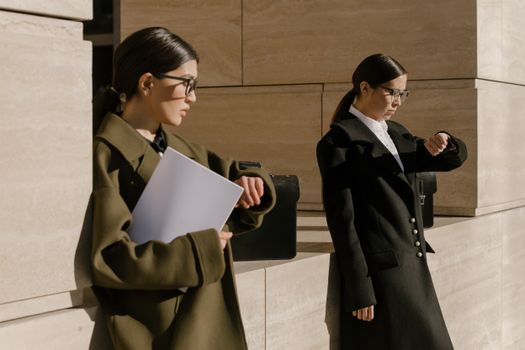 Photo: cottonbro studio / Pexels
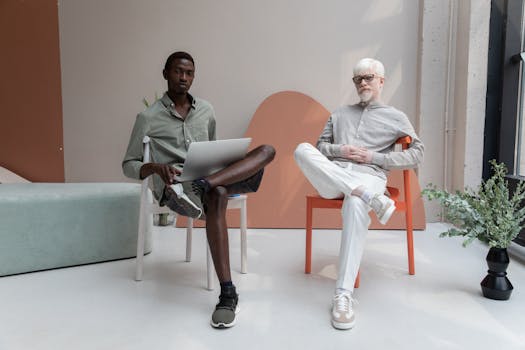 Photo: Monstera Production / Pexels
 Photo: Brett Sayles / Pexels
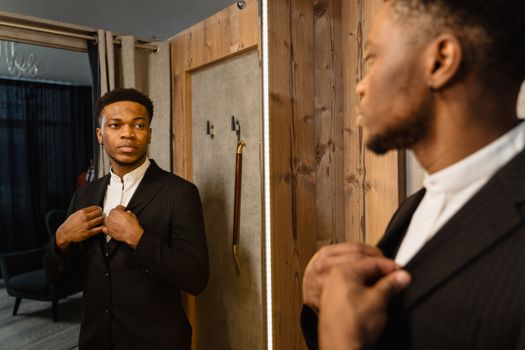 Photo: Tima Miroshnichenko / Pexels