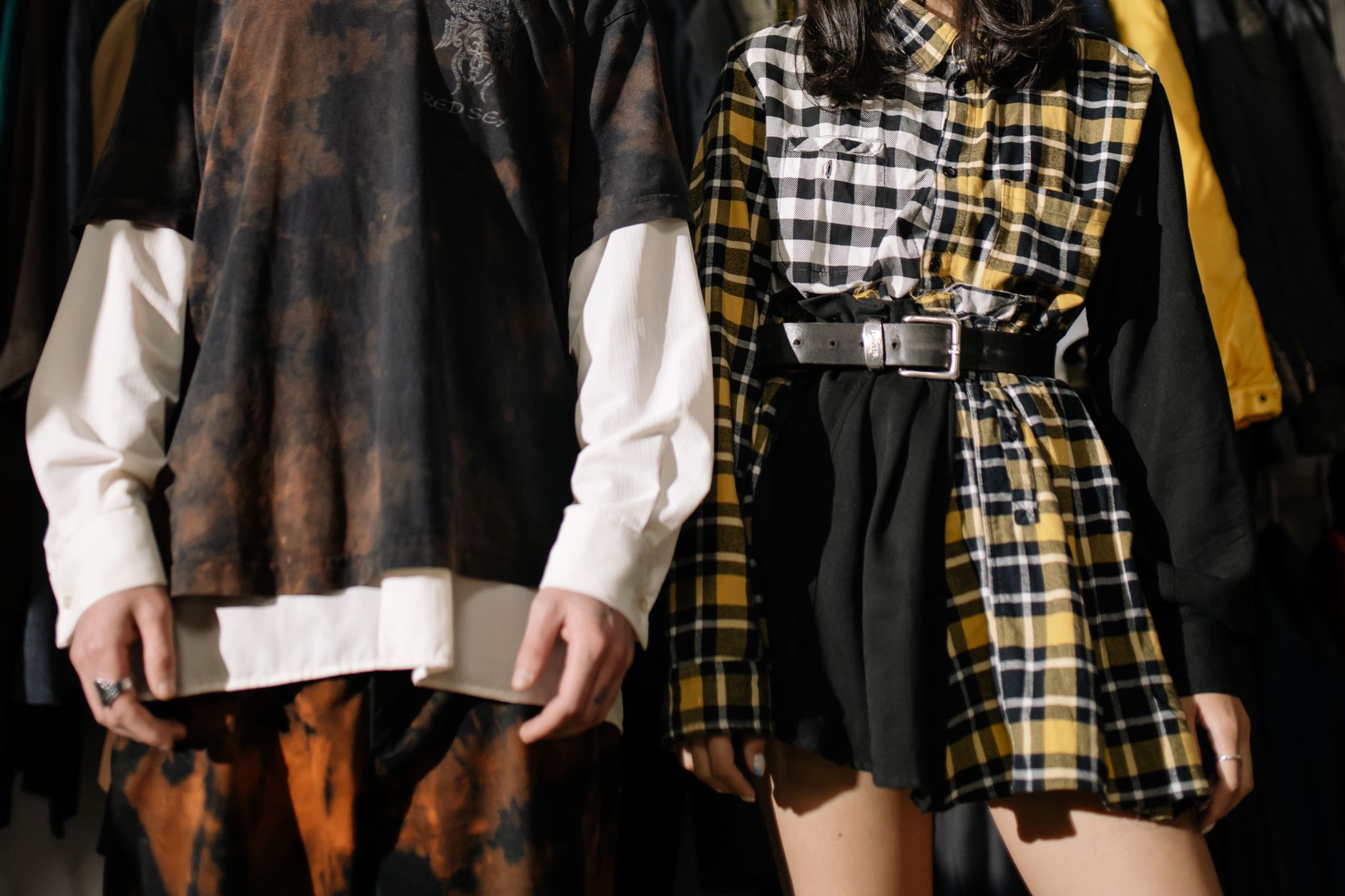
What is Upcycling Clothes Fashion? Your Guide to Sustainable Style
what is upcycling clothes fashion

What is Upcycling Clothes Fashion? Your Guide to Sustainable Style

Transform your wardrobe and the planet with the art of upcycling, creating unique pieces from existing garments.

Start Your Upcycling Journey

Key Takeaways

  • ✓ Upcycling transforms old clothes into new, higher-value items, reducing waste.
  • ✓ It's a creative process, giving garments a second life and unique character.
  • ✓ Upcycling significantly lowers fashion's environmental footprint by extending product lifecycles.
  • ✓ It encourages individuality and conscious consumerism over fast fashion trends.

How It Works

1
Source Your Garments

Look for clothes in your own wardrobe, charity shops, or vintage stores that have potential. Consider the fabric, condition, and overall structure for your project.

2
Brainstorm and Design

Before cutting, visualise or sketch what you want the new item to be. Think about how you can alter, combine, or embellish the existing pieces to create something fresh.

3
Deconstruct and Reconstruct

Carefully unpick seams, cut fabrics, and combine different elements. This is where the original garment truly begins its transformation into a new, unique piece.

4
Embellish and Finish

Add final touches like embroidery, patches, dyes, or new fastenings to complete your upcycled creation. Ensure all seams are neat and durable for a lasting finish.

Understanding the Essence of Sustainable Fashion Through Upcycling
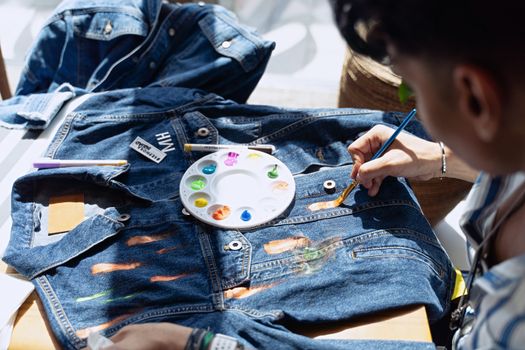
Artist painting denim jacket with vibrant colors in a bright Dubai studio. Photo: Denys Gromov / Pexels
In an era increasingly defined by environmental consciousness and ethical consumption, the concept of 'what is upcycling clothes fashion' has emerged as a beacon of hope and innovation within the notoriously wasteful fashion industry. At its core, upcycling clothes fashion is the creative process of transforming unwanted or discarded clothing items, textiles, and other materials into new products of higher quality or environmental value. Unlike recycling, which often involves breaking down materials into their raw components to create something new (often of lesser quality, known as 'downcycling'), upcycling retains the original material, transforming it into something new and often more desirable. This distinction is crucial for understanding its profound impact. The global fashion industry is a significant contributor to pollution, waste, and resource depletion. From the intensive use of water and pesticides in cotton cultivation to the chemical-heavy dyeing processes and the astronomical amounts of textile waste ending up in landfills, the environmental footprint is staggering. Fast fashion, in particular, exacerbates these issues by promoting rapid consumption and disposability. This relentless cycle of 'buy-wear-discard' has led to wardrobes overflowing with garments worn only a handful of times, ultimately contributing to a mountain of textile waste. This is precisely where upcycling steps in as a powerful antidote. By giving existing garments a new lease of life, upcycling directly combats textile waste, reduces the demand for new raw materials, and conserves the energy and water that would otherwise be used in manufacturing new clothes. It’s not just about mending a torn shirt; it's about reimagining its potential, turning it into a completely different item – perhaps a skirt from a pair of jeans, a jacket from old blankets, or a top from several mismatched scarves. The possibilities are truly endless, limited only by one's imagination and skill. Furthermore, upcycling clothing encourages a shift in mindset from passive consumerism to active creation. It fosters a deeper appreciation for the materials we already possess and challenges us to see potential where others see only waste. This creative engagement can be incredibly empowering, allowing individuals to express their unique style while making a tangible positive impact on the environment. It moves away from the homogenised trends dictated by mass production and celebrates individuality, craftsmanship, and resourcefulness. Many designers and consumers are now embracing upcycling as a statement against the unsustainable practices of the mainstream fashion industry, advocating for a future where fashion is circular, regenerative, and truly sustainable. This movement is gaining significant traction across the UK, with independent designers, workshops, and even larger brands beginning to explore and integrate upcycling into their collections, marking a pivotal moment for ethical fashion. The shift towards upcycling is not merely a trend; it's a fundamental re-evaluation of how we interact with our clothing and the planet.

The Environmental and Ethical Imperatives Driving Upcycled Fashion
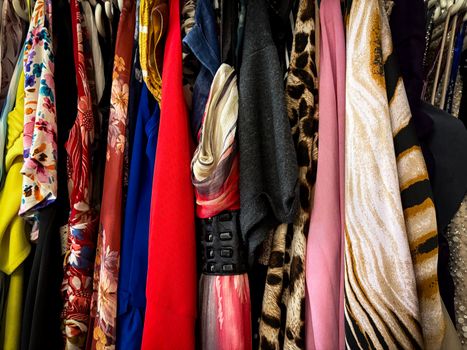
A vibrant collection of vintage clothes on hangers showcasing various patterns and fabrics. Photo: Magda Ehlers / Pexels
The environmental and ethical arguments for embracing upcycled fashion are compelling and underscore why this practice is not just a niche hobby but a critical component of a sustainable future. The fashion industry's environmental impact is vast, spanning every stage of a garment's lifecycle. Consider the cultivation of conventional cotton, which demands enormous amounts of water and pesticides, leading to soil degradation and water pollution. Synthetic fibres, while often lauded for their durability, are typically derived from fossil fuels and can shed microplastics into our oceans with every wash. Manufacturing processes, including dyeing and finishing, often involve toxic chemicals that pollute waterways and pose health risks to workers and local communities. Then there's the issue of transportation, contributing significantly to carbon emissions as garments are shipped across the globe. Upcycling directly addresses these challenges by fundamentally altering the consumption model. By extending the life of existing textiles, it drastically reduces the demand for new raw materials. This, in turn, lessens the environmental burden associated with their production, processing, and transportation. For example, transforming an old denim jacket into a new bag or a pair of jeans into shorts means that the resources (water, energy, chemicals) already invested in the original denim are utilised for a longer period, postponing the need to produce new denim. This circular approach helps to close the loop on textile waste, diverting countless garments from landfills where they would otherwise decompose slowly, releasing methane (a potent greenhouse gas) or, in the case of synthetics, persist for centuries. Beyond environmental benefits, upcycling also carries significant ethical weight. It challenges the exploitative labour practices often associated with fast fashion, where garment workers in developing countries are subjected to low wages, poor working conditions, and long hours. By focusing on existing materials and often involving local, small-scale production or individual craftsmanship, upcycling can foster more equitable and transparent supply chains. It values the skill and creativity of the maker, moving away from the anonymous, mass-produced model. Consumers who choose upcycled items are often making a conscious decision to support ethical production and reject the human cost of cheap, disposable clothing. This shift towards valuing longevity, quality, and ethical sourcing over fleeting trends is a powerful statement. It empowers consumers to become part of the solution, actively participating in a movement that prioritises planetary and human well-being over corporate profit. The growing popularity of workshops, online tutorials, and independent upcycling brands across the UK demonstrates a clear societal appetite for fashion that aligns with ethical and environmental values.

Unleashing Creativity: Techniques and Styles in Upcycled Garments
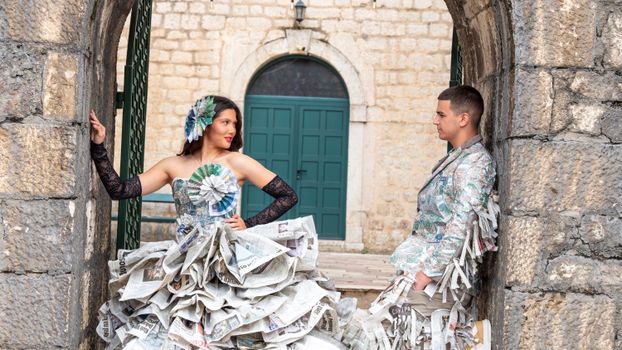
Two people in unique newspaper outfits posed creatively in rustic setting. Photo: Drago Rapovac / Pexels
The creative potential inherent in 'what is upcycling clothes fashion' is arguably its most exciting and accessible aspect. Far from being a mere act of repair, upcycling is an art form that transforms the mundane into the magnificent, allowing for truly unique and expressive personal style. The techniques involved are as diverse as the materials themselves, ranging from simple alterations to complex deconstruction and reconstruction. One of the most common approaches involves repurposing. A classic example is turning old denim jeans into skirts, shorts, or even intricate patchwork garments. The sturdy nature of denim makes it an ideal candidate for such transformations, and its worn-in look often adds to the charm of the new piece. T-shirts can be cut, braided, or embellished to create new tops, bags, or even rugs. Larger items like old bedsheets, curtains, or tablecloths can be dyed, cut, and sewn into dresses, blouses, or accessories, showcasing intricate patterns or textures that might otherwise be discarded. Another popular technique is deconstruction and reconstruction. This involves taking apart multiple garments and recombining their components in new and innovative ways. Imagine a jacket made from the sleeves of several different jumpers, or a dress created from the panels of various shirts. This method allows for a high degree of customisation and often results in bold, statement pieces that tell a story through their varied textures, colours, and patterns. Embellishment is also a key aspect of upcycling. This can include adding embroidery, patches, beads, or even painting directly onto fabric to breathe new life into an otherwise plain item. Natural dyeing, using plant-based pigments, is another eco-friendly way to transform the colour of a garment, giving it a unique hue and character. The styles emerging from upcycled fashion are incredibly diverse, catering to a wide range of aesthetic preferences. From bohemian patchwork designs to edgy, punk-inspired alterations, minimalist reconstructed silhouettes, or whimsical embroidered pieces, upcycling allows for an unprecedented level of individual expression. It encourages wearers to move beyond mass-produced trends and embrace garments that reflect their personality and values. Many upcycled pieces become conversation starters, carrying a narrative of transformation and sustainability. Independent designers and artisans across the UK are at the forefront of this movement, showcasing incredible skill in blending different textiles, patterns, and eras to create truly one-of-a-kind collections. These pieces often command a higher value not just for their uniqueness, but for the ethical and environmental story they embody. Engaging with upcycled fashion, whether by creating your own or purchasing from a designer, is a powerful way to participate in a more conscious fashion ecosystem.

Tips for Successful Upcycling and Avoiding Common Pitfalls
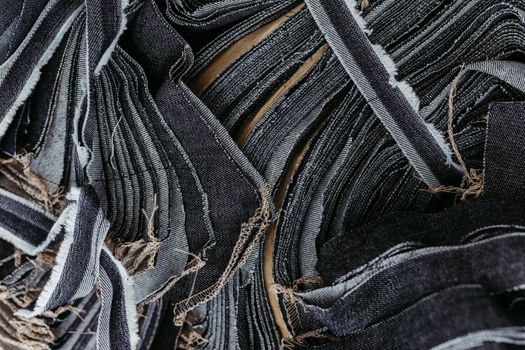
An artistic close-up of layered denim fabric strips showcasing texture and detail. Photo: Jonathan Borba / Pexels
Embarking on an upcycling journey can be incredibly rewarding, but like any creative endeavour, there are tips and tricks to ensure success and common pitfalls to avoid. Here’s how to make your upcycling projects shine: **Tips for Successful Upcycling:** * **Start Simple:** Don't attempt a complex redesign for your first project. Begin with minor alterations, like adding patches, dyeing a plain item, or converting a long skirt into a shorter one. This builds confidence and skills. * **Assess Fabric Quality:** Before you begin, carefully examine the fabric. Look for sturdy materials that will hold up to cutting, sewing, and wear. Natural fibres like cotton, linen, and wool are generally easier to work with than slippery synthetics. * **Wash Before You Work:** Always wash and dry your garments before starting. This prevents shrinkage or colour bleeding after your project is complete. * **Plan Your Design:** Sketch out your ideas or use pins to mark cuts and seams. A clear plan helps avoid irreversible mistakes. Consider how the original garment's structure can be an asset. * **Invest in Basic Tools:** A good pair of fabric scissors, a seam ripper, pins, needles, and quality thread are essential. A sewing machine will greatly speed up the process, but many projects can be done by hand. * **Learn Basic Sewing Skills:** Even a few basic hand stitches (running stitch, backstitch, hem stitch) can open up many upcycling possibilities. Online tutorials are an excellent resource. * **Embrace Imperfection:** Upcycled items often have a unique, handmade charm. Don't strive for factory perfection; celebrate the individuality of your creation. * **Look for Inspiration:** Follow upcycling artists and communities online for ideas and techniques. Pinterest, Instagram, and YouTube are treasure troves of inspiration. **Common Pitfalls to Avoid:** * **Over-Ambitious Projects:** Tackling a project beyond your current skill level can lead to frustration and abandoned garments. Build up gradually. * **Ignoring Fabric Condition:** Using fabric that is too worn, stained, or damaged in critical areas can compromise the longevity and aesthetic of your new item. * **Not Considering Fit:** When altering sizes or combining pieces, always keep the final fit in mind. Measure carefully and try on garments as you go. * **Hasty Cuts:** Measure twice, cut once! Once fabric is cut, it's often irreversible. Take your time and be precise. * **Forgetting Seam Allowances:** If you're cutting new pieces, remember to add seam allowances to your pattern pieces, especially if you plan to machine sew. * **Lack of Finishing:** Raw edges will fray. Ensure you hem, serge, or use a zigzag stitch to finish all raw edges for a professional and durable result. By following these guidelines, you can navigate the world of upcycled fashion with greater confidence and create truly stunning, sustainable pieces that you'll love to wear.

Comparison

FeatureUpcycling Clothes FashionFast FashionTraditional Recycling
Environmental ImpactLow (reduces waste, conserves resources)High (resource intensive, high waste)Medium (energy for processing, downcycling often)
Original Material ValueIncreased (higher quality/aesthetic)Decreased (designed for disposability)Often decreased (downcycling)
UniquenessHigh (one-of-a-kind pieces)Low (mass-produced)N/A (raw material creation)
Creativity InvolvedHigh (design and transformation)Low (passive consumption)Low (industrial process)
Consumer EngagementHigh (active participation)Low (passive consumption)Medium (sorting for collection)
Ethical ProductionOften High (local, small-scale)Often Low (exploitation concerns)Variable (depends on new product)
CostVariable (low for DIY, higher for designer)Low (initial purchase)N/A (service cost/product cost)
LongevityHigh (new life for durable items)Low (designed for short-term wear)N/A (new product lifecycle)

What Readers Say

"Discovering what is upcycling clothes fashion has completely changed my wardrobe. I've turned old jeans into a fantastic skirt and a few worn shirts into a unique patchwork top. It's so empowering to create something new and stylish from things I already own."

Sarah J. · Manchester, UK

"I used to just throw out clothes, but learning about upcycling has opened my eyes. I've started making bags from old jackets, and the quality is amazing. It feels great to contribute positively to the environment while getting cool new items."

Tom P. · Bristol, UK

"My passion for sustainable living led me to upcycling, and I've been hooked. My latest project, transforming an oversized coat into a chic vest, received so many compliments. It's a fantastic way to express individuality and reduce textile waste."

Eleanor K. · Edinburgh, UK

"Upcycling definitely requires patience and some basic sewing skills, which I'm still developing. However, the satisfaction of wearing something truly unique that I've transformed myself is immense. It's a journey, but a worthwhile one for anyone interested in eco-friendly fashion."

David L. · London, UK

"As a fashion student, understanding what is upcycling clothes fashion has become crucial to my design philosophy. It's not just about aesthetics; it's about ethical responsibility. My upcycled collections always stand out for their creativity and sustainable message."

Chloe R. · Cardiff, UK

Frequently Asked Questions

What is the main difference between upcycling and recycling clothes?

Upcycling transforms old clothes into new items of higher quality or value without breaking down the original material, like turning a denim jacket into a bag. Recycling, on the other hand, involves breaking down materials to their raw components to create new products, which can sometimes result in a lower quality output (downcycling).

Is upcycling clothes fashion only for experienced sewers?

Absolutely not! While advanced projects might require more skill, many upcycling projects are beginner-friendly. Simple alterations like cutting jeans into shorts, adding patches, or dyeing garments require minimal sewing knowledge. There are plenty of tutorials available for all skill levels.

How can I start upcycling my own clothes?

Begin by assessing your wardrobe for items you no longer wear but have good fabric quality. Look for inspiration online, plan a simple project, and gather basic tools like scissors and needles. Start with small, manageable transformations to build your confidence and skills.

Does upcycling really make a significant environmental impact?

Yes, it does. By extending the life of garments, upcycling reduces textile waste in landfills, decreases the demand for new raw materials, and conserves the energy and water used in manufacturing new clothes. Each upcycled item contributes to a more circular and sustainable fashion economy.

How does upcycling compare to buying vintage or second-hand clothes?

Buying vintage or second-hand is a fantastic form of sustainable consumption, as it also extends the life of existing garments. Upcycling takes this a step further by actively transforming and redesigning those items, creating something entirely new and unique, rather than just reusing them in their original form.

Who benefits most from engaging in upcycling clothes fashion?

Everyone benefits! Individuals gain unique, personalised clothing, develop creative skills, and save money. The environment benefits from reduced waste and resource consumption. The fashion industry benefits from innovation and a shift towards more sustainable and ethical practices. It's a win-win.

Are there any health or safety concerns when upcycling clothes?

Generally, upcycling clothes is very safe. However, if using old or potentially stained fabrics, ensure they are thoroughly washed. Be cautious with sharp tools like scissors and needles. If working with dyes, follow product instructions carefully and ensure good ventilation.

What is the future trend for upcycling in the fashion industry?

The future of upcycling looks bright. We can expect to see more mainstream brands incorporating upcycled collections, increased technological innovation for textile transformation, and a growing consumer demand for unique, ethically-produced garments. Upcycling is set to become an even more integral part of sustainable fashion.

Embrace the transformative power of upcycling clothes fashion and redefine your style with unique, sustainable pieces. Join the movement towards a more conscious and creative future, one stitch at a time. Start your upcycling journey today!

Topics: what is upcycling clothes fashionsustainable fashion UKrecycled clothingupcycled garmentseco-friendly fashion
Leo List
Brampton weed
Adultwork EstrelaBet Vai de Bet R7 Bet Betão Galera Bet Rainbet Bet9ja Shop SportyBet BetKing Sisal Loto Foot Hollywoodbets YesPlay Odibets RushBet Jugabet BetWarrior BetCity MSport betPawa Fortebet