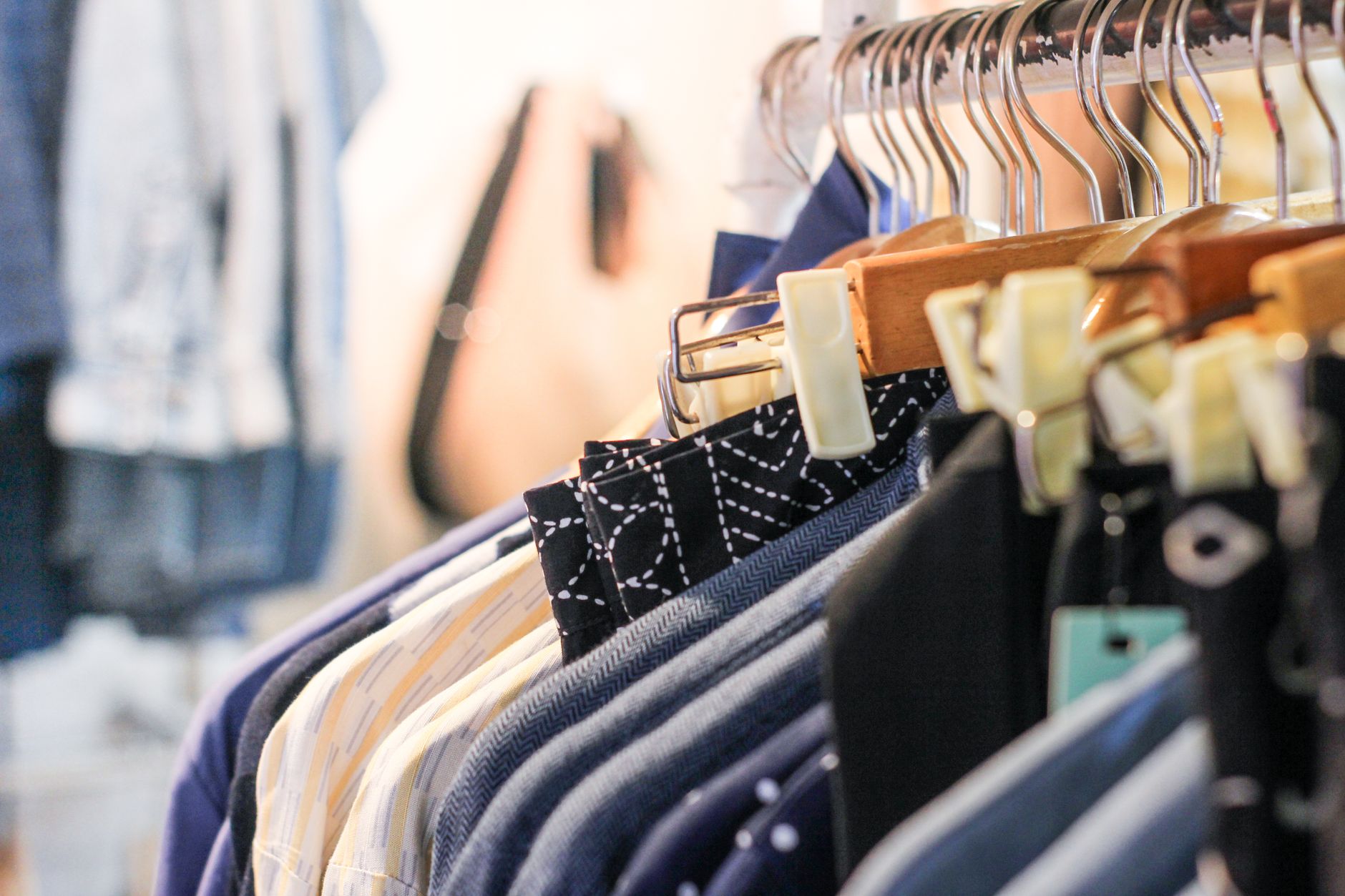
✓ Slow fashion prioritises quality, durability, and ethical production over fast, disposable trends.
✓ It encourages mindful consumption, reducing waste and supporting fair labour practices.
✓ The movement is a direct counterpoint to fast fashion's environmental and social impacts.
✓ Embracing slow fashion can save money, reduce your carbon footprint, and build a more authentic personal style.
How It Works
1
Understand the 'Why'
Educate yourself on the environmental and social costs of fast fashion to fully grasp the importance of making a change. This foundational knowledge will empower your choices.
2
Assess Your Current Wardrobe
Take stock of what you own. Identify items you love, items you rarely wear, and consider the lifespan of your current garments. This audit helps you consume more intentionally.
3
Prioritise Quality Over Quantity
Shift your focus from buying many cheap items to investing in fewer, higher-quality pieces that will last longer. Look for durable materials and good craftsmanship.
4
Explore Sustainable Options
Discover alternatives like second-hand shopping, repairing clothes, renting, or supporting ethical brands. Each option reduces demand for new, often unsustainably produced garments.
The Genesis of Slow Fashion: A Response to Fast Fashion's Fallout
To truly understand what is slow fashion movement, one must first comprehend the landscape it emerged from – the relentless, often destructive, world of fast fashion. For decades, the global fashion industry has been dominated by a model that prioritises speed, low cost, and fleeting trends. This 'fast fashion' paradigm has accustomed consumers to an endless cycle of new collections, cheap garments, and disposable clothing. However, the environmental and social costs of this approach have become increasingly undeniable, leading to a profound re-evaluation of how we produce, consume, and discard our clothing.
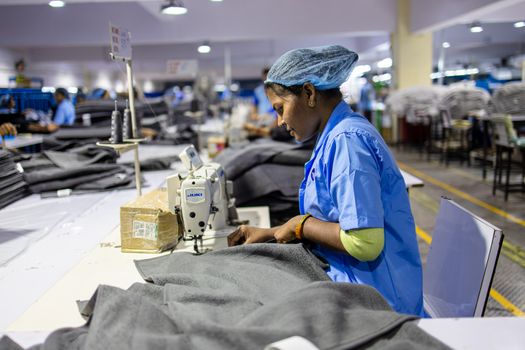
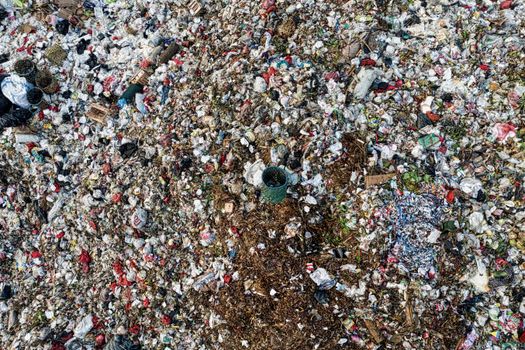
Fast fashion's impact is staggering. Environmentally, it's a major polluter, contributing significantly to greenhouse gas emissions, water pollution from dyeing processes, and textile waste. Billions of garments are produced annually, many made from synthetic, non-biodegradable fibres, ending up in landfills after only a few wears. Socially, the picture is equally grim. The drive for ever-cheaper clothing often comes at the expense of garment workers, primarily in developing countries, who face exploitative labour conditions, low wages, and unsafe working environments. The Rana Plaza factory collapse in Bangladesh in 2013, which killed over 1,100 garment workers, served as a stark, tragic wake-up call to the human cost embedded within our clothing. It was against this backdrop of environmental degradation and human rights abuses that the slow fashion movement began to coalesce.
Coined by Kate Fletcher in 2007, a professor of sustainability, design, and fashion at the University of the Arts London, 'slow fashion' was initially inspired by the 'slow food' movement. Just as slow food champions local, traditional, and sustainable culinary practices, slow fashion advocates for a more thoughtful, ethical, and sustainable approach to clothing. It's not merely about buying less; it's about buying better, caring for what you own, and understanding the entire lifecycle of a garment. It's a philosophy that challenges the prevailing narrative of constant novelty and consumption, urging us to reconnect with our clothes and the stories behind them. This movement seeks to create a more resilient, equitable, and environmentally sound fashion system, moving away from the linear 'take-make-dispose' model towards a more circular and regenerative one. It's about valuing craftsmanship, fair labour, and ecological integrity, fostering a deeper appreciation for the clothes we choose to wear and the impact those choices have on the world. Understanding this origin is crucial to grasping the core tenets and transformative potential of the slow fashion movement. It’s a call to action for both producers and consumers to redefine what fashion truly means.
Core Principles and Pillars of the Slow Fashion Philosophy
The slow fashion movement is not a rigid set of rules but rather a guiding philosophy built upon several interconnected principles. These pillars collectively form the foundation for a more conscious and responsible approach to clothing, encouraging individuals and brands alike to rethink their relationship with textiles and trends. At its heart, slow fashion champions quality over quantity. This means investing in well-made garments crafted from durable materials that are designed to last, rather than succumbing to the allure of fleeting trends and cheap, disposable items. When you choose quality, you reduce the need for constant replacement, thereby decreasing waste and resource consumption. This longevity is a cornerstone of sustainability.
Another critical principle is transparency and ethical production. Slow fashion brands are committed to being open about their supply chains, from the sourcing of raw materials to the manufacturing processes and the treatment of their workers. This includes ensuring fair wages, safe working conditions, and respect for human rights across the entire production cycle. For consumers, this means seeking out brands that can provide clear information about where and how their clothes are made, allowing them to make informed choices that align with their values. This accountability helps to dismantle the exploitative practices often hidden within fast fashion.
Environmental stewardship is also paramount. Slow fashion actively seeks to minimise its ecological footprint. This involves using sustainable materials such as organic cotton, linen, hemp, recycled fibres, or innovative biodegradable alternatives. It also encompasses reducing water usage, energy consumption, and chemical pollution during manufacturing. Many slow fashion brands adopt circular design principles, aiming to create products that can be repaired, recycled, or biodegraded at the end of their life, thereby closing the loop on textile waste. Furthermore, local production and artisanal craftsmanship are often celebrated, reducing transportation emissions and supporting traditional skills.
Finally, mindful consumption and personal style are central to the slow fashion ethos. It encourages consumers to develop a deeper connection with their clothes, understanding their personal style, and purchasing with intention rather than impulse. This involves asking questions like: 'Do I truly need this?', 'Will I wear this often?', and 'Does this reflect my values?' It promotes repairing, reusing, and repurposing existing garments, fostering creativity and individuality. By embracing these principles, the slow fashion movement offers a comprehensive alternative to the dominant fashion paradigm, inviting us all to participate in a more sustainable and ethical future for clothing. It's about building a wardrobe that tells a story, not just a trend.
Practical Ways to Embrace the Slow Fashion Movement in Your Life
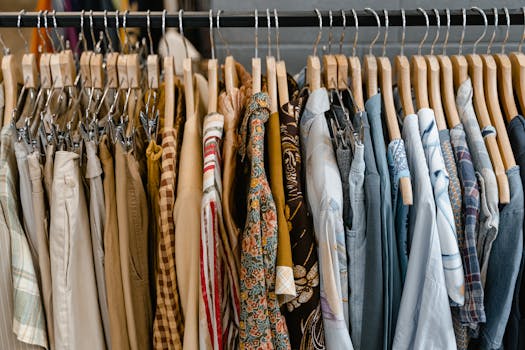
Adopting the slow fashion movement into your daily life doesn't require an overnight overhaul of your wardrobe or a complete rejection of all new clothes. Instead, it's about making conscious, incremental changes that collectively have a significant positive impact. One of the most accessible and impactful ways to start is by embracing second-hand shopping. Charity shops, vintage stores, online marketplaces like Vinted or Depop, and local clothes swaps are treasure troves of pre-loved garments that are often still in excellent condition. Buying second-hand extends the life of clothing, reduces demand for new production, and keeps textiles out of landfills. It's a fantastic way to discover unique pieces and develop a truly individual style without contributing to environmental harm. Think of it as giving clothes a second life, a beautiful act of sustainability.
Another key practice is to become a savvy consumer when you do buy new. This involves researching brands to ensure they align with slow fashion principles. Look for certifications like GOTS (Global Organic Textile Standard) for organic materials, Fair Trade for ethical labour, or B Corp status which indicates a company's commitment to social and environmental performance. Pay attention to fabric compositions; natural fibres like organic cotton, linen, hemp, and Tencel are generally more sustainable than synthetic alternatives like virgin polyester or acrylic. Prioritise quality construction – check seams, zippers, and buttons – to ensure the garment will withstand repeated wear and washing. Investing a little more in a piece that lasts years is often more economical and sustainable than buying several cheap items that quickly fall apart.
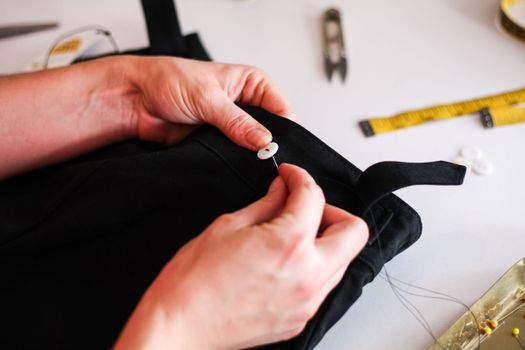
Beyond shopping, learn to care for and repair your existing clothes. Simple acts like washing garments less frequently, using cold water, air-drying, and mending small tears or reattaching buttons can significantly extend their lifespan. There are numerous online tutorials for basic repairs, or you can support local tailors and alteration services. This act of care fosters a deeper appreciation for your belongings and reduces textile waste. Consider also the concept of a capsule wardrobe – a curated collection of versatile, timeless pieces that can be mixed and matched to create numerous outfits. This approach reduces impulse buying, streamlines your getting-ready process, and ensures every item in your wardrobe serves a purpose. Finally, participate in clothing rental services for special occasions or items you might only wear once, further reducing the need to purchase new garments. By incorporating these practices, you actively contribute to a more sustainable and ethical fashion future, making your personal
"Understanding what is slow fashion movement completely changed my shopping habits. I now buy fewer, better-quality pieces and feel so much better about my environmental impact. My wardrobe is smaller but more versatile."
Eleanor Vance · Edinburgh, Scotland
★★★★★
"I used to be a fast fashion addict, but after learning about the slow fashion movement, I've embraced thrift shopping and repairing clothes. It's surprisingly liberating and I've saved a lot of money too!"
Marcus Chen · Manchester, England
★★★★★
"The article on what is slow fashion movement really opened my eyes. I've started investing in ethical brands, and my clothes now last longer, reducing my textile waste by at least 70% in the last year."
Sarah Jenkins · Bristol, England
★★★★★
"It's a journey, not an instant switch, but the slow fashion movement makes so much sense. Sometimes the ethical brands are a bit pricey, but I'm learning to balance my budget with my values."
David O'Connell · Cardiff, Wales
★★★★★
"As a student, I thought slow fashion was out of reach, but this guide showed me how to embrace it through second-hand finds and caring for what I own. It's empowering to make conscious choices."
Priya Sharma · London, England
Frequently Asked Questions
What is the main difference between slow fashion and fast fashion?
The main difference lies in their core philosophy and impact. Fast fashion prioritises speed, low cost, and trend replication, leading to high consumption, environmental damage, and often exploitative labour. Slow fashion, conversely, advocates for quality, durability, ethical production, and mindful consumption, aiming to reduce waste and support fair practices.
Is slow fashion only for expensive brands?
No, slow fashion is not exclusively about expensive brands. While some ethical brands may have higher price points due to fair wages and sustainable materials, the movement also encompasses practices like buying second-hand, repairing clothes, swapping, and simply extending the life of what you already own, which can be very cost-effective.
How can I start my slow fashion journey on a budget?
Start by auditing your current wardrobe, mending and caring for your existing clothes, and embracing second-hand shopping at charity shops, vintage stores, or online marketplaces. You can also organise clothes swaps with friends or learn basic sewing skills to extend garment life without spending much.
Does slow fashion mean I can't follow trends anymore?
Not necessarily. Slow fashion encourages you to be more discerning about trends, choosing those that align with your personal style and can be incorporated into your existing wardrobe for the long term. It's about thoughtful adoption rather than impulsive buying of every fleeting trend.
How does slow fashion impact the environment?
Slow fashion significantly reduces environmental impact by promoting sustainable materials, ethical manufacturing processes that minimise water and chemical use, and reducing textile waste through increased garment longevity and circularity. It aims to lessen pollution and resource depletion associated with clothing production and disposal.
Who should embrace the slow fashion movement?
Anyone concerned about the environmental and social impact of their clothing choices, or those looking to build a more sustainable, ethical, and authentic wardrobe, should embrace the slow fashion movement. It's for conscious consumers who value quality, longevity, and responsible production.
Are there any downsides or challenges to adopting slow fashion?
One challenge can be the higher initial cost of ethically produced items, and sometimes limited accessibility to certain sustainable brands, especially in smaller towns. It also requires a shift in mindset and consumer habits, which can take time and effort to cultivate fully.
What is the future trend for the slow fashion movement?
The future of slow fashion points towards greater innovation in sustainable materials, increased transparency through blockchain technology, more widespread clothing rental and repair services, and a stronger emphasis on circular economy models where garments are designed for recycling and regeneration, making it even more accessible and impactful.
Understanding what is slow fashion movement is the first step towards a more conscious and fulfilling relationship with your clothes. By embracing its principles, you not only elevate your personal style but also contribute to a healthier planet and a fairer fashion industry. Start your slow fashion journey today and redefine what fashion means to you.