What is Slow Fashion Movement? Your Ultimate Guide
Uncover the principles of slow fashion and transform your wardrobe into a beacon of sustainability and timeless style.
Start Your Slow Fashion JourneyKey Takeaways
- ✓ Slow fashion prioritises quality and longevity over quantity and trends.
- ✓ It champions ethical production, fair wages, and reduced environmental impact.
- ✓ The movement encourages conscious consumerism and mindful wardrobe choices.
- ✓ It's a direct counter-movement to the destructive practices of fast fashion.
How It Works
Understand the environmental and social impacts of fast fashion. Learn about sustainable materials and ethical manufacturing processes.
Assess your current clothing items for quality, wearability, and necessity. Identify gaps and areas for improvement in your style.
Prioritise purchasing fewer, higher-quality items that are durable and versatile. Seek out brands committed to transparency and sustainability.
Extend the life of your garments through proper washing, repair, and creative restyling. Embrace mending and upcycling techniques.
Understanding the Core Principles of Slow Fashion
 Photo: EqualStock IN / Pexels
The Environmental and Social Impact of Fast Fashion vs. Slow Fashion
 Photo: Tom Fisk / Pexels
Embracing Slow Fashion: Practical Steps for Your Wardrobe
 Photo: RDNE Stock project / Pexels
Common Misconceptions About Slow Fashion and How to Overcome Them
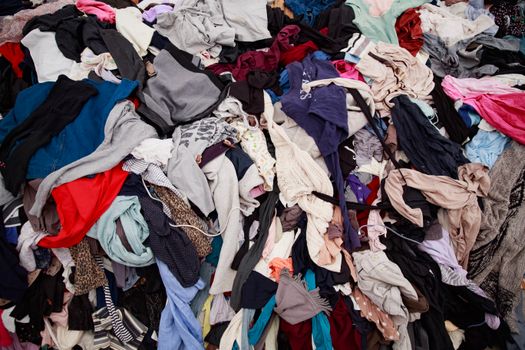 Photo: NEOSiAM 18+ / Pexels
Comparison
| Feature | Slow Fashion | Fast Fashion | Mid-Range Fashion |
|---|---|---|---|
| Production Speed | Slow, thoughtful | Rapid, continuous | Moderate |
| Quality & Durability | High, long-lasting | Low, disposable | Variable |
| Environmental Impact | Low, sustainable materials | High, resource-intensive | Moderate to High |
| Worker Ethics | Fair wages, safe conditions | Often exploitative | Inconsistent |
| Price Point (per item) | Higher (initial) | Lower (initial) | Moderate |
| Longevity Value | Excellent (cost per wear low) | Poor (cost per wear high) | Fair |
| Transparency | High | Low | Moderate |
| Trends vs. Timeless | Timeless, personal style | Trend-driven, fleeting | Mix of both |
What Readers Say
"Understanding what is slow fashion movement completely changed my shopping habits. I now curate a wardrobe I genuinely love, focused on quality pieces that last. It's saved me money and I feel so much better about my environmental impact."
Eleanor V. · London, UK"I used to buy clothes every month, but after learning about slow fashion, I've embraced thrifting and mending. My style is more unique, and I've significantly reduced my textile waste. It's a truly rewarding approach to clothing."
Marcus P. · Manchester, UK"Initially, I thought slow fashion was too expensive, but by buying fewer, better items, I've actually lowered my annual clothing spend. Plus, my clothes look better and last longer. The ethical aspect is a huge win for me."
Sophie K. · Bristol, UK"Making the switch to slow fashion takes effort, especially with research, but it's worth it. I'm more conscious of where my clothes come from and the stories behind them. Still learning, but feeling positive about the change."
David L. · Edinburgh, UK"As a busy mum, I needed clothes that were durable and versatile. Slow fashion brands have delivered exactly that. My capsule wardrobe means less decision fatigue and more time for what matters, without compromising on style."
Chloe T. · Cardiff, UKFrequently Asked Questions
What is the primary goal of the slow fashion movement?
The primary goal of the slow fashion movement is to foster a more sustainable and ethical apparel industry. It aims to reduce the environmental impact of clothing production and consumption, ensure fair labour practices for garment workers, and encourage consumers to make more mindful and long-lasting choices about their wardrobes, moving away from the disposable nature of fast fashion.
Is slow fashion always more expensive than fast fashion?
While individual slow fashion items might have a higher upfront cost due to quality materials and ethical production, slow fashion is not inherently more expensive in the long run. By encouraging buying less, choosing well, and making clothes last, the cost per wear often becomes significantly lower, saving money over time compared to constantly replacing cheap, poor-quality fast fashion items. Thrifting and mending also offer affordable slow fashion options.
How can I start my slow fashion journey?
You can start by auditing your current wardrobe, identifying what you truly wear and what can be donated or repaired. When buying new, prioritise second-hand shopping, or research ethical and sustainable brands that align with your values. Focus on quality over quantity, learn basic mending skills, and properly care for your clothes to extend their lifespan. Every conscious choice contributes to the movement.
What are the key benefits of embracing slow fashion?
Embracing slow fashion offers numerous benefits, including a reduced environmental footprint, better working conditions and fair wages for garment workers, a more durable and timeless wardrobe, and potential long-term cost savings. It also encourages a deeper connection with your clothes and personal style, fostering conscious consumerism and reducing textile waste.
How does slow fashion compare to minimalist fashion?
Slow fashion and minimalist fashion often overlap, as both advocate for a more intentional approach to clothing. Slow fashion focuses on the ethical and sustainable production and consumption of clothes, while minimalism is more about owning fewer items and decluttering. A minimalist wardrobe often incorporates slow fashion principles by prioritising versatile, high-quality pieces, but one can practice slow fashion without being strictly minimalist, and vice versa.
Who benefits most from the slow fashion movement?
Everyone benefits from the slow fashion movement. Consumers gain durable, high-quality, and ethically made clothing, often saving money in the long term. Garment workers benefit from fair wages and safe working conditions. The environment benefits from reduced pollution, waste, and resource depletion. Ultimately, it fosters a more responsible and equitable global fashion industry for all stakeholders.
Are there any disadvantages to adopting slow fashion practices?
One perceived disadvantage is the initial higher cost of some sustainable items, which can be a barrier for some budgets. It also requires more research and conscious effort to find ethical brands or second-hand options compared to the convenience of fast fashion. However, these 'disadvantages' are often outweighed by the long-term benefits and the positive impact on people and the planet.
What role does technology play in the slow fashion movement?
Technology plays a crucial role in slow fashion by enabling transparency through blockchain for supply chain tracking, facilitating second-hand marketplaces, and developing innovative sustainable materials. It also helps brands communicate their ethical practices and allows consumers to research and connect with values-aligned brands more easily, fostering a more informed and connected slow fashion community.
Embracing what is slow fashion movement is more than just a trend; it's a commitment to a better future for fashion, people, and the planet. By making conscious choices, you can build a wardrobe you love, reduce your environmental impact, and support a more ethical industry. Start your slow fashion journey today and redefine your relationship with clothing.