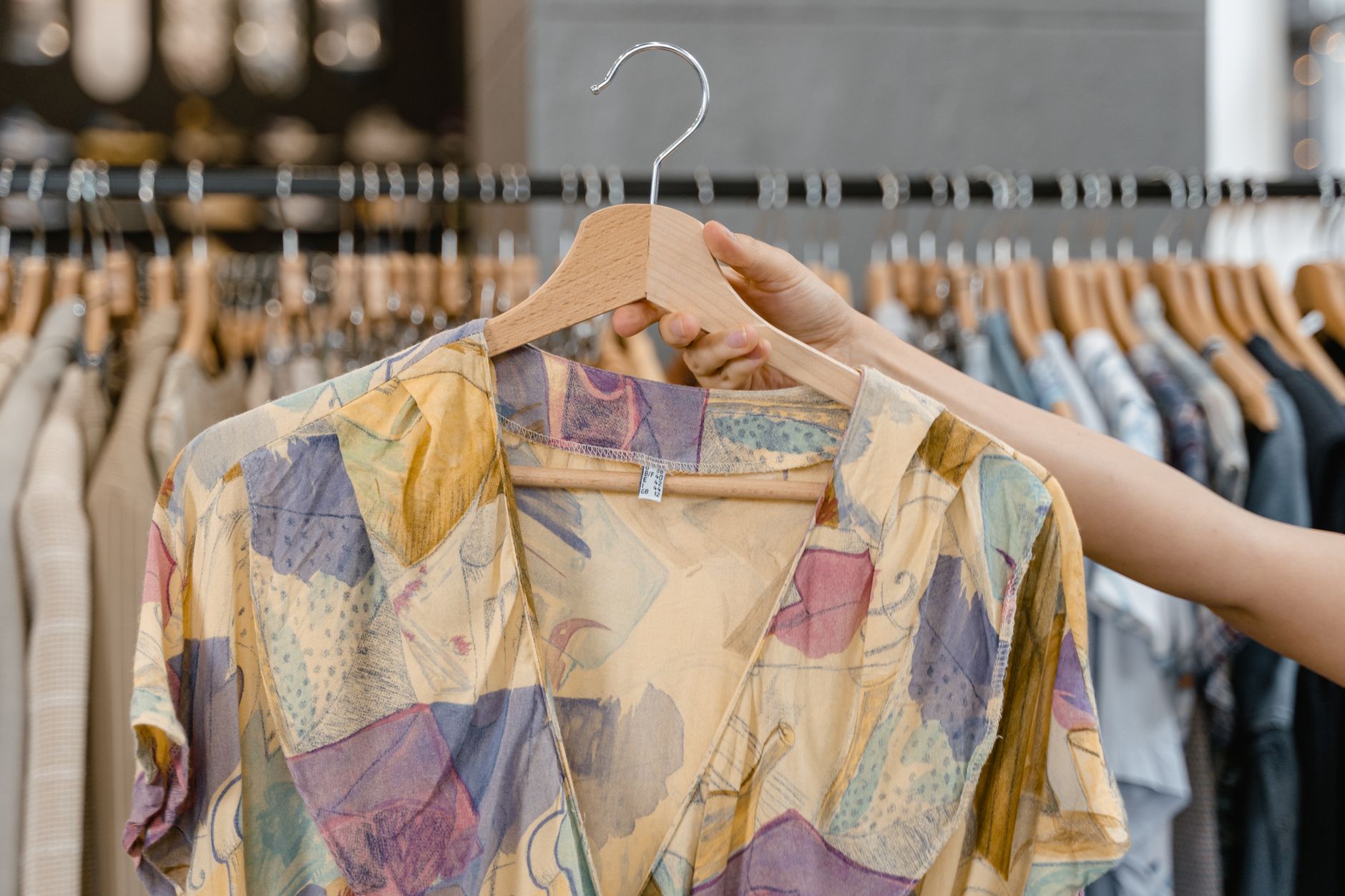
What is Slow Fashion Movement? Your Ethical Style Guide
what is slow fashion movement

What is Slow Fashion Movement? Your Ethical Style Guide

Embrace a more mindful approach to your wardrobe, prioritising quality, sustainability, and fair practices over fleeting trends.

Start Your Slow Fashion Journey

Key Takeaways

  • ✓ Slow fashion prioritises quality and durability over quantity and disposability.
  • ✓ It advocates for ethical production, fair wages, and safe working conditions for garment workers.
  • ✓ Environmental impact reduction is a core principle, focusing on sustainable materials and reduced waste.
  • ✓ The movement encourages conscious consumerism, urging buyers to make informed and thoughtful purchasing decisions.

How It Works

1
Understand the 'Why'

Before making any changes, grasp the environmental and social costs of fast fashion. This foundational understanding fuels your commitment to a more sustainable wardrobe.

2
Evaluate Your Current Wardrobe

Take stock of what you own. Identify items that last, those that don't, and what you truly wear. This helps you recognise purchasing patterns and areas for improvement.

3
Prioritise Quality & Longevity

Shift your focus from buying many cheap items to investing in fewer, higher-quality pieces. Look for durable materials and classic styles that will stand the test of time.

4
Support Ethical & Sustainable Brands

Seek out companies committed to fair labour practices, sustainable materials, and transparent supply chains. Research brands to ensure their values align with yours.

Unpacking the Core Principles of Slow Fashion
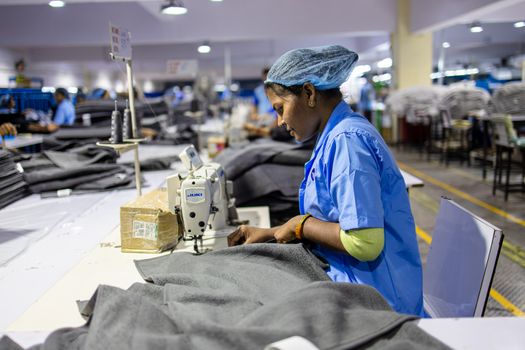
Female worker sewing in a busy textile factory, highlighting industrial skill. Photo: EqualStock IN / Pexels
The term 'slow fashion' was coined in 2007 by Kate Fletcher, a professor of sustainability, to counter the prevailing 'fast fashion' model. But what is slow fashion movement fundamentally about? It's a philosophy, a movement, and a practice that advocates for a more conscious and sustainable approach to clothing. At its heart, slow fashion challenges the rapid production cycles, disposable nature, and often exploitative practices inherent in the fast fashion industry. It encourages consumers to think critically about where their clothes come from, how they are made, and their overall impact on the planet and its people. This isn't just about buying less; it's about buying better, caring for what you have, and fostering a deeper connection with your garments. It encompasses a wide range of practices, from choosing durable materials and timeless designs to supporting local artisans and investing in fair trade brands. The movement champions transparency in the supply chain, ensuring that every step, from fibre to finished garment, is conducted ethically and with minimal environmental harm. It’s a holistic approach that considers the entire lifecycle of a clothing item, from its raw material origins to its eventual disposal or repurposing. This includes everything from water usage and chemical pollution during production to the carbon footprint of transportation and the waste generated at the end of a garment's life. By embracing slow fashion, individuals contribute to a more resilient, equitable, and environmentally sound textile industry. It's about making thoughtful choices that reflect a commitment to a better future, not just for ourselves, but for communities worldwide and for the planet. The shift towards slow fashion isn't merely a trend; it's a necessary evolution in how we consume and interact with clothing, promoting longevity, craftsmanship, and respect for resources. It invites us to slow down, appreciate the artistry and labour involved in making clothes, and ultimately, to build a more meaningful and sustainable wardrobe. This movement empowers consumers to become active participants in shaping a more responsible industry, moving away from mindless consumption towards intentional and impactful purchasing decisions. For more insights into ethical consumption, explore resources on sustainable living.

The Environmental and Social Imperative for Slow Fashion
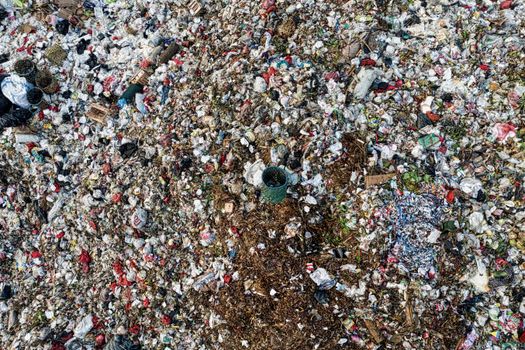
Aerial shot showing extensive environmental pollution at a landfill site. Photo: Tom Fisk / Pexels
The urgency behind the slow fashion movement is rooted in the alarming environmental and social costs of fast fashion. The current linear model of 'take, make, dispose' is unsustainable and has devastating consequences. Environmentally, the fashion industry is one of the largest polluters globally. It's a major consumer of water, particularly in cotton cultivation, and a significant contributor to water pollution through toxic dyes and chemicals released into waterways. Textile production also has a massive carbon footprint, from energy-intensive manufacturing processes to the global transportation of goods. Furthermore, the prevalence of synthetic fibres like polyester, derived from fossil fuels, contributes to plastic pollution, as microplastics shed from clothing during washing end up in our oceans and food chain. Landfills are overflowing with discarded textiles, many of which are non-biodegradable, taking hundreds of years to decompose. Socially, the fast fashion model often relies on exploitative labour practices in developing countries. Garment workers, predominantly women, frequently face low wages, long hours, unsafe working conditions, and a lack of basic human rights. The relentless pressure for cheaper production and quicker turnarounds pushes factories to cut corners, leading to tragedies like the Rana Plaza collapse in Bangladesh, which brought global attention to the horrific realities behind our cheap clothes. The slow fashion movement directly addresses these issues by advocating for fair wages, safe working environments, and the protection of workers' rights. It champions transparency, allowing consumers to see the journey of their clothes and hold brands accountable. By choosing slow fashion, you are actively supporting businesses that prioritise the well-being of their employees and the health of the planet. This conscious choice sends a powerful message to the industry, encouraging a shift towards more humane and environmentally responsible practices. It's about recognising the interconnectedness of our consumption habits with global environmental and social justice. The imperative for slow fashion isn't just about individual choices; it's about driving systemic change, demanding a future where fashion is both beautiful and benign.

Building a Sustainable Wardrobe: Practical Steps and Considerations
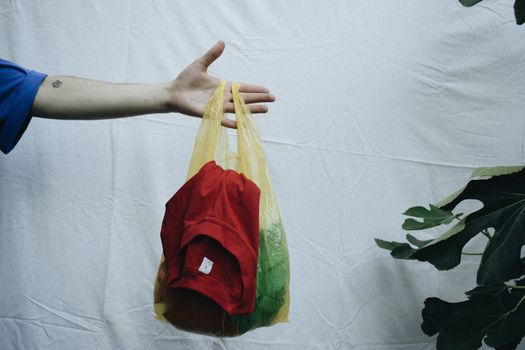
A hand holds a yellow plastic bag containing clothes on a simple white background. Photo: armağan başaran / Pexels
Transitioning to a slow fashion wardrobe doesn't happen overnight; it's a journey of mindful choices and gradual changes. The first step is to adopt a 'buy less, choose well, make it last' mantra. Begin by conducting a thorough wardrobe audit. Go through every item you own, assessing what you wear, what you truly love, and what no longer serves you. This helps you identify gaps and prevent impulse purchases. When you do need to buy something new, prioritise quality over quantity. Look for natural, durable materials like organic cotton, linen, hemp, Tencel, or recycled fibres, and scrutinise garment construction. Strong seams, quality zippers, and well-finished details are indicators of longevity. Beyond new purchases, embrace second-hand and vintage clothing. Thrifting, charity shops, online marketplaces, and clothing swaps are excellent ways to find unique pieces and extend the life cycle of garments, reducing demand for new production. Repairing and mending your clothes is another cornerstone of slow fashion. Learning basic sewing skills or utilising local alteration services can transform worn-out items into beloved staples, combatting the throwaway culture. Customising or upcycling old clothes can also give them a new lease of life, reflecting your personal style while reducing waste. Consider the versatility of each item you purchase. Can it be styled in multiple ways? Does it fit seamlessly with other pieces in your wardrobe? Building a capsule wardrobe, consisting of a limited number of interchangeable items, is a popular slow fashion strategy that promotes versatility and reduces decision fatigue. Furthermore, proper garment care is crucial for longevity. Follow washing instructions, air dry when possible, and store clothes correctly. Supporting brands that are transparent about their supply chains and ethical practices is vital. Research certifications like GOTS (Global Organic Textile Standard), Fair Trade, and B Corp to ensure genuine commitment to sustainability and ethics. Remember, slow fashion is not about perfection, but about progress. Every conscious decision, no matter how small, contributes to a more sustainable and ethical fashion future. For further reading on making impactful choices, consider exploring resources on conscious consumerism.

Common Misconceptions and Tips for Embracing Slow Fashion
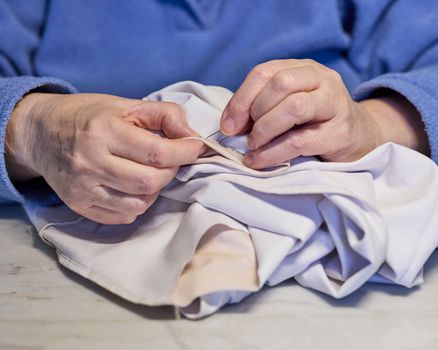
Detailed image of hands sewing white fabric, showcasing precision and skill in a traditional craft. Photo: Erwin Bosman / Pexels
Despite its growing popularity, the slow fashion movement is often plagued by misconceptions. One common myth is that slow fashion is exclusively for the wealthy. While sustainable and ethically produced items can sometimes have a higher upfront cost due to fair wages and quality materials, this perspective overlooks the long-term savings from buying fewer, more durable items and the cost-effectiveness of second-hand shopping and repairs. Another misconception is that slow fashion is about sacrificing style or individuality. On the contrary, it encourages personal style and creativity through unique vintage finds, customisation, and building a versatile wardrobe that truly reflects who you are, rather than blindly following fleeting trends. It's not about wearing drab, unstylish clothes; it's about making intentional choices that align with your values and aesthetic. Here are some tips to help you embrace slow fashion effectively: * **Embrace the '30 Wears' Rule:** Before buying any item, ask yourself if you will wear it at least 30 times. This simple rule encourages thoughtful purchasing and reduces impulse buys. * **Learn Basic Mending Skills:** A needle, thread, and a few basic stitches can extend the life of your clothes significantly. Repairing a popped seam or a small hole is empowering and sustainable. * **Host or Join Clothing Swaps:** Exchange clothes with friends or join local swap events. It’s a fun, free way to refresh your wardrobe and give clothes a new home. * **Rent or Borrow for Special Occasions:** Instead of buying an outfit you'll wear once, consider renting for events. This reduces waste and saves money. * **Research Before You Buy:** Use apps and websites that rate brands on their sustainability and ethical practices. Make informed decisions that align with your values. * **Support Local and Independent Makers:** These businesses often have more transparent supply chains and a deeper commitment to craftsmanship and ethical production. * **Care for Your Clothes:** Proper washing, drying, and storage can drastically prolong the life of your garments, reducing the need for replacements. Remember, slow fashion is a journey, not a destination. Every step you take towards more conscious consumption makes a difference.

Comparison

FeatureSlow FashionFast FashionMid-Range Fashion
Production CycleLong, thoughtfulRapid, trend-drivenModerate, seasonal
Material QualityHigh, durable, sustainableLow, cheap, syntheticMixed, often blended
Ethical Labour✓ (Key Principle)✗ (Often Exploitative)Varies, often opaque
Environmental ImpactLow, conscious effortHigh, significant pollutionModerate to High
Price PointHigher upfront, lower per wearLow upfront, high per wearModerate
LongevityExcellentPoorAverage
Style FocusTimeless, personalTrend-chasing, disposableCurrent trends, some classics

What Readers Say

"Understanding what is slow fashion movement completely changed my shopping habits. I now invest in pieces I truly love and that last, instead of constantly buying cheap, disposable clothes. It feels so much more fulfilling."

Eleanor V. · Bristol, UK

"I used to think slow fashion was just about expensive organic cotton, but this guide showed me it's so much more. Repairing my jeans and buying second-hand has been a game-changer for my wallet and the environment."

Marcus L. · Edinburgh, UK

"After learning what is slow fashion movement, I decluttered my wardrobe and focused on quality. My wardrobe now works for me, and I've saved money by not making impulse buys. My clothes actually last now!"

Sarah J. · Manchester, UK

"The principles of slow fashion are compelling, though the initial investment can be a hurdle. However, the long-term benefits in terms of durability and ethical peace of mind are definitely worth it."

David K. · London, UK

"As a student, I thought slow fashion was out of reach. But with tips on thrifting and mending, I've managed to build a much more sustainable and unique wardrobe on a budget. It's truly empowering."

Chloe P. · Glasgow, UK

Frequently Asked Questions

What is the main difference between slow fashion and fast fashion?

The main difference lies in their approach to production, consumption, and impact. Fast fashion prioritises speed, low cost, and trend replication, leading to high volume, low quality, and significant environmental and social costs. Slow fashion, conversely, values quality, durability, ethical production, and environmental responsibility, encouraging thoughtful consumption and longevity.

Is slow fashion always more expensive?

While individual slow fashion items might have a higher upfront cost due to fair wages, quality materials, and sustainable practices, it is not always more expensive in the long run. Buying fewer, more durable items, coupled with second-hand shopping and repairs, often results in a lower overall clothing expenditure over time compared to constantly replacing cheap fast fashion garments.

How can I start my slow fashion journey on a budget?

Start by shopping second-hand at charity shops, vintage stores, or online marketplaces. Learn basic mending skills to extend the life of your clothes. Host clothing swaps with friends. Prioritise versatility when buying new, and invest in a few high-quality basics that can be mixed and matched, rather than many trendy items.

What are the environmental benefits of adopting slow fashion?

Adopting slow fashion significantly reduces environmental impact by decreasing textile waste in landfills, lowering water consumption and pollution from manufacturing, cutting down on carbon emissions from production and transport, and reducing reliance on synthetic, fossil fuel-derived materials. It promotes a circular economy model.

How does slow fashion compare to sustainable fashion?

Slow fashion is often considered a broader philosophy that encompasses sustainable fashion. Sustainable fashion primarily focuses on the environmental impact of clothing production and materials. Slow fashion extends this to include ethical labour practices, durability, timeless design, and a conscious approach to consumption and care, advocating for a holistic shift in the entire fashion ecosystem.

Who should embrace the slow fashion movement?

Anyone concerned about the environmental and social impact of their clothing choices should embrace the slow fashion movement. It's for conscious consumers who want to build a more ethical, sustainable, and personal wardrobe, reduce their ecological footprint, and support fair labour practices in the global textile industry.

Are there any risks or downsides to slow fashion?

The primary perceived 'downside' can be the higher upfront cost of ethically produced items, potentially making it less accessible for some budgets, although this is offset by longevity. Another 'risk' could be the time investment required for research and mindful shopping. However, these are often outweighed by the significant ethical, environmental, and personal benefits.

What is the future trend for the slow fashion movement?

The future of the slow fashion movement is expected to see increased innovation in sustainable materials, greater transparency in supply chains, and a stronger emphasis on circularity – including advanced recycling technologies and robust repair/resale infrastructures. Consumer demand for ethical and sustainable options will continue to grow, pushing more brands to adopt slow fashion principles.

Embracing what is slow fashion movement is more than just a trend; it's a commitment to a better future for our planet and its people. By making conscious choices, investing in quality, and caring for your clothes, you can transform your wardrobe into a force for good. Start your slow fashion journey today and become part of the solution.

Topics: what is slow fashion movementsustainable fashion UKethical clothing choicesconscious consumerism fashionslow fashion benefits
Leo List

DK Escorts LU Escorts AT Escorts SE Escorts FI Escorts CH Escorts DE Escorts HR Escorts IE Escorts GR Escorts CZ Escorts NO Escorts BE Escorts FR Escorts SI Escorts IL Escorts NL Escorts PL Escorts HU Escorts ES Escorts IT Escorts PT Escorts SK Escorts RO Escorts ZA Escorts UY Escorts US Escorts UK Escorts NZ Escorts AU Escorts
Brampton weed
Adultwork EstrelaBet Vai de Bet R7 Bet Betão Galera Bet Rainbet Bet9ja Shop SportyBet BetKing Sisal Loto Foot Hollywoodbets YesPlay Odibets RushBet Jugabet BetWarrior BetCity MSport betPawa Fortebet