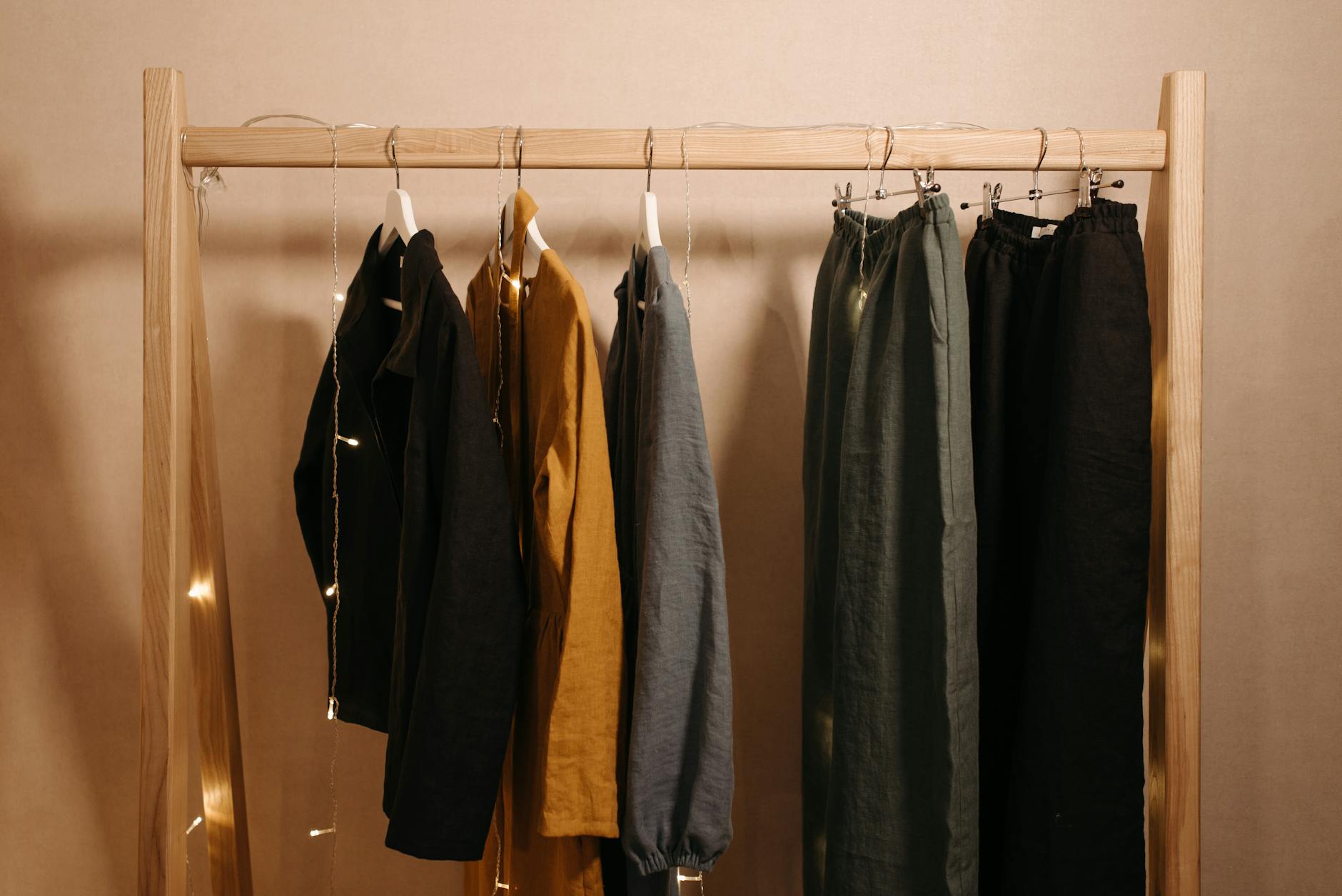
What is Slow Fashion Movement? Your Ethical Style Guide
Embrace a mindful approach to your wardrobe, focusing on quality, durability, and positive impact.
Start Your Slow Fashion JourneyKey Takeaways
- ✓ The slow fashion movement advocates for slower production cycles and ethical treatment of workers.
- ✓ It prioritises quality garments made to last, reducing waste and overconsumption.
- ✓ Slow fashion encourages conscious purchasing, including second-hand, vintage, and locally made items.
- ✓ It stands in direct contrast to the rapid, disposable nature of fast fashion.
How It Works
Research the environmental and social consequences of fast fashion production. This awareness forms the foundation of your slow fashion journey.
Take stock of what you own, identifying items you love, need, and those that are impulse buys. This helps you understand your current consumption patterns.
When purchasing new items, look for well-made garments from sustainable materials. Invest in pieces designed to withstand time and wear.
Embrace options like repairing clothes, buying second-hand, renting, or supporting ethical brands. This reduces demand for new, fast fashion production.
Unpacking the Essence of the Slow Fashion Movement
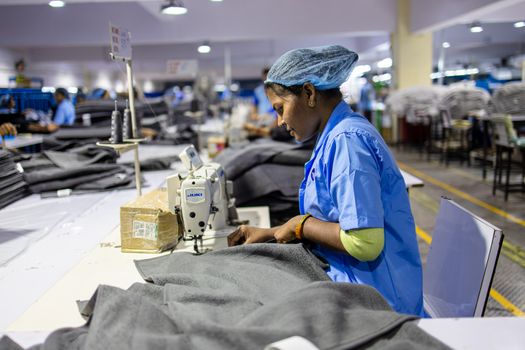 Photo: EqualStock IN / Pexels
The Pillars of Sustainable Fashion: Beyond Just 'Eco-Friendly'
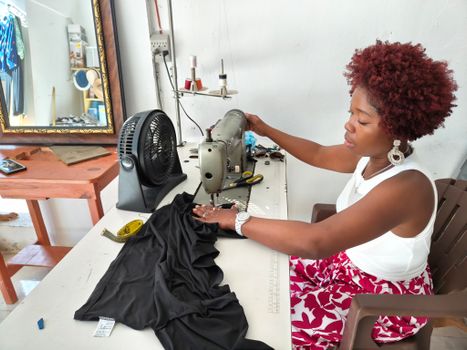 Photo: Joaquin Reyes Ramos / Pexels
The Environmental and Social Imperative of Embracing Slow Fashion
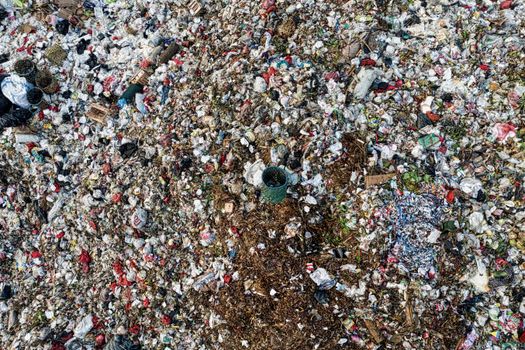 Photo: Tom Fisk / Pexels
Practical Steps to Embrace the Slow Fashion Movement
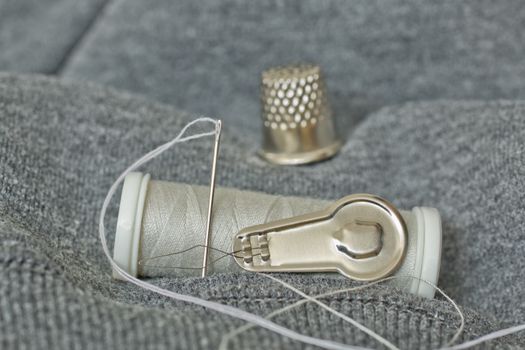 Photo: Marek Ruczaj / Pexels
Comparison
| Feature | Slow Fashion | Fast Fashion | Mid-Range Fashion |
|---|---|---|---|
| Production Cycle | Slow, considered | Rapid, trend-driven | Moderate, seasonal |
| Material Quality | High, durable, sustainable | Low, cheap, synthetic | Variable, often mixed |
| Ethical Labour | Transparent, fair wages | Often exploitative, opaque | Improving, but inconsistent |
| Environmental Impact | Low, regenerative focus | High, polluting | Moderate to high |
| Price Point | Higher initial investment | Very low | Accessible to moderate |
| Longevity | Designed to last | Disposable, short lifespan | Moderate lifespan |
What Readers Say
"Understanding what is slow fashion movement completely changed my shopping habits. I now invest in fewer, better-quality pieces that I truly love, and my wardrobe feels so much more intentional."
Sarah J. · Edinburgh, Scotland"I was overwhelmed by fast fashion, but this guide to what is slow fashion movement made it accessible. I've started buying second-hand and repairing my clothes, and it feels incredibly rewarding."
Mark T. · Manchester, England"After reading about what is slow fashion movement, I decluttered my wardrobe and now only buy from ethical brands. My skin sensitivity has even improved since switching to natural fibres."
Eleanor V. · Bristol, England"It's a big shift, and initially, the higher price point for some items felt daunting. However, knowing the positive impact and the longevity of the clothes makes it a worthwhile investment in the long run."
David K. · London, England"I used to buy new outfits for every event. Now, after learning about what is slow fashion movement, I rent dresses or restyle pieces I already own. It's saved me money and reduced my guilt!"
Chloe L. · Cardiff, WalesFrequently Asked Questions
What is the main difference between slow fashion and fast fashion?
The main difference lies in their approach to production, consumption, and values. Fast fashion prioritises speed, low cost, and trends, leading to high volume, low quality, and often unethical practices. Slow fashion, conversely, values quality, longevity, ethical production, sustainability, and mindful consumption, encouraging investment in durable, timeless pieces.
Is slow fashion only for expensive brands?
Not at all. While some ethical brands can have higher price points due to fair labour and sustainable materials, slow fashion is fundamentally about mindful consumption, not just buying from specific brands. It includes buying second-hand, repairing clothes, swapping, and simply buying less, making it accessible to various budgets.
How can I start my slow fashion journey without feeling overwhelmed?
Begin with small, manageable steps. Start by auditing your current wardrobe, identifying what you truly need. Then, next time you're considering a purchase, pause and think about its longevity, material, and ethical origins. Gradually integrate practices like buying second-hand or repairing items you already own.
Does slow fashion mean I can't be stylish or follow trends?
Absolutely not. Slow fashion encourages personal style that is authentic and sustainable. While it moves away from fleeting micro-trends, it embraces timeless aesthetics, quality craftsmanship, and creative expression through conscious choices. You can still be incredibly stylish while adhering to slow fashion principles by choosing versatile pieces and styling them creatively.
How does slow fashion impact the environment?
Slow fashion significantly reduces environmental impact by promoting sustainable materials, reducing water and energy consumption, minimising chemical pollution, and decreasing textile waste in landfills. By extending the life of garments and encouraging circularity, it lessens the demand for new production and its associated resource depletion.
Who should embrace the slow fashion movement?
Anyone concerned about the environmental and social impact of their clothing choices should embrace the slow fashion movement. It's for individuals who want to build a more conscious wardrobe, support ethical practices, and contribute to a sustainable future for the planet and its people, regardless of their current budget or fashion knowledge.
Are there any risks associated with buying second-hand clothes?
The primary 'risks' are minor, such as finding items that aren't perfectly clean or needing minor repairs. However, these are easily mitigated by washing items thoroughly before wearing and inspecting them carefully before purchase. The benefits of sustainability and affordability far outweigh these minimal concerns, making second-hand a fantastic slow fashion option.
What is the future trend for the slow fashion movement?
The future of slow fashion is expected to see increased innovation in sustainable materials (e.g., bio-based textiles), greater transparency in supply chains through blockchain technology, and a rise in circular business models like rental and repair services. Consumer demand for ethical and sustainable options will continue to grow, pushing more brands to adopt slow fashion principles.
Embracing what is slow fashion movement is a powerful step towards a more sustainable and ethical lifestyle. By making conscious choices about your clothing, you contribute to a healthier planet and a fairer world for garment workers. Start your journey today and transform your wardrobe into a reflection of your values.