✓ The fashion industry is responsible for 10% of global carbon emissions.
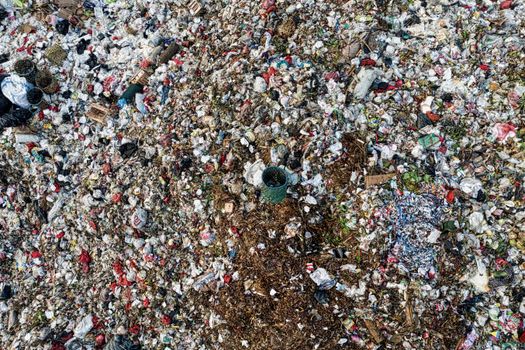
✓ Only 1% of clothing is recycled into new garments, with the rest often ending up in landfills.
✓ Textile dyeing is the second-largest polluter of water globally.
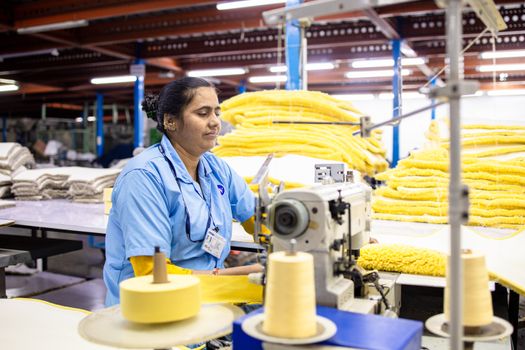
✓ Workers in fast fashion supply chains often face low wages, poor working conditions, and human rights abuses.
How It Works
1
Rapid Production Cycle
Fast fashion brands quickly turn runway trends into affordable garments. This process often involves outsourcing production to countries with lower labour costs and less stringent environmental regulations.
2
Planned Obsolescence & High Consumption
Garments are designed to be worn for a short period, encouraging consumers to frequently purchase new items. This constant demand fuels overproduction and shortens the lifespan of clothing.
3
Environmental Strain
The entire lifecycle, from raw material extraction to manufacturing and disposal, consumes vast amounts of resources and generates significant pollution. Water, energy, and chemicals are heavily used.
4
Social & Economic Repercussions
The push for ever-cheaper clothing puts immense pressure on garment workers, leading to exploitation. It also impacts local economies as traditional textile industries struggle to compete.
Unpacking the Environmental Footprint of Fast Fashion
Photo: Ron Lach / Pexels
The question of 'what is fast fashion impact' begins with a stark look at its environmental devastation. From the moment raw materials are sourced to the final disposal of a garment, every stage of the fast fashion cycle leaves a significant, often irreversible, scar on our planet. Let's delve into the specific ways this industry contributes to environmental degradation, a critical concern for UK consumers increasingly aware of their ecological responsibilities.
Firstly, consider the immense water consumption. Producing just one cotton t-shirt can require up to 2,700 litres of water – enough drinking water for one person for 2.5 years. Denim jeans are even more demanding, often needing thousands of litres. This insatiable thirst for water places immense strain on freshwater resources, particularly in water-stressed regions where much of the world's cotton is grown. Furthermore, the dyeing and finishing processes involved in textile manufacturing are notorious for their chemical-intensive nature. Dyes, bleaches, and other chemicals are often discharged untreated into local waterways, polluting rivers and oceans, harming aquatic life, and posing severe health risks to communities reliant on these water sources. This chemical runoff not only impacts biodiversity but can also enter the food chain, eventually affecting human health.
Secondly, the carbon emissions associated with fast fashion are staggering. The global fashion industry is estimated to be responsible for 10% of global carbon emissions – more than international flights and maritime shipping combined. These emissions stem from various sources: the energy-intensive production of synthetic fibres like polyester (derived from fossil fuels), the manufacturing processes themselves, and the extensive global supply chains involving transportation of materials and finished goods across continents. The rapid turnover of trends means more clothes are produced, transported, and ultimately discarded, exacerbating this carbon footprint. The UK, like other developed nations, contributes significantly to this through its high consumption rates.
Thirdly, waste generation is a monumental issue. The low quality and short lifespan of fast fashion garments mean they are quickly discarded. Landfills globally are overflowing with textiles, many of which are non-biodegradable synthetic fibres that can take hundreds of years to decompose. Even natural fibres, when buried in landfills, produce methane, a potent greenhouse gas, as they break down anaerobically. In the UK, an estimated 300,000 tonnes of clothing ends up in landfill or incinerators every year. This linear 'take-make-dispose' model is fundamentally unsustainable and contributes to resource depletion and pollution. The sheer volume of discarded clothing highlights a critical flaw in the fast fashion model, demanding urgent attention and systemic change. Understanding these environmental consequences is the first step towards embracing more sustainable fashion practices and making informed consumer choices. Learn more about sustainable fashion here.
The Human Cost: Social and Ethical Implications
Beyond the environmental devastation, understanding 'what is fast fashion impact' necessitates confronting its profound social and ethical repercussions. The relentless pursuit of cheaper clothing, quicker production, and higher profits often comes at the expense of human dignity and fair labour practices. This hidden human cost is a dark underbelly of the fast fashion industry, impacting millions of garment workers globally, many of whom are women and children in developing countries.
One of the most pressing concerns is the prevalence of exploitative labour practices. Garment workers, who are predominantly located in countries like Bangladesh, Vietnam, and India, often work incredibly long hours – 12 to 16-hour days are not uncommon – in unsafe and unsanitary conditions. Factories may lack proper ventilation, fire exits, and access to clean drinking water and toilets. Tragic incidents, such as the Rana Plaza collapse in Bangladesh in 2013, which killed over 1,100 garment workers, starkly illustrate the life-threatening environments many endure. Despite some improvements, such tragedies underscore the systemic issues that persist.
Another critical aspect is the issue of poverty wages. Workers are frequently paid far below a living wage, meaning their earnings are insufficient to cover basic necessities like food, housing, healthcare, and education for themselves and their families. This perpetuates a cycle of poverty, trapping workers in a system where they have little power to negotiate for better terms. The pressure from fast fashion brands to produce garments at rock-bottom prices directly translates into suppressed wages and a race to the bottom for labour costs. While some brands have made commitments to improve conditions, the scale of the problem remains immense, and enforcement is often weak.
Furthermore, human rights abuses extend beyond wages and working conditions. Workers often face intimidation, harassment, and restrictions on their right to form or join trade unions, which would enable them to collectively bargain for better conditions. Child labour, although formally condemned, still exists within the complex and opaque supply chains, as desperate families rely on children's income to survive. Gender-based violence and discrimination against women workers are also prevalent, highlighting the disproportionate impact on female labourers.
The psychological impact on consumers is also worth noting. The constant bombardment of new trends and the pressure to keep up with the latest styles can foster a culture of dissatisfaction and overconsumption. This can contribute to anxiety and financial strain, as individuals feel compelled to buy more than they need. Recognising these human costs is crucial for consumers in the UK, as their purchasing power directly influences the demand for these ethically questionable production methods. Moving towards transparency and demanding ethical sourcing are vital steps in mitigating these profound social and ethical consequences.
Your Role as a Consumer: Making Informed Choices in the UK
Understanding 'what is fast fashion impact' is not merely an academic exercise; it's a call to action for consumers, particularly here in the UK. Your purchasing decisions hold significant power to drive change within the fashion industry. By consciously shifting your habits, you can contribute to a more sustainable and ethical future for clothing. The good news is that there are numerous practical steps you can take to move away from the fast fashion cycle and embrace a more responsible approach to your wardrobe.
Firstly, embrace the philosophy of 'buy less, choose well, make it last.' Instead of succumbing to fleeting trends, invest in timeless, high-quality pieces that are designed to endure. This might mean spending a little more upfront, but the cost per wear will be significantly lower, and you'll reduce your overall consumption. Look for durable fabrics, strong stitching, and classic designs that won't go out of style quickly. Before making a purchase, ask yourself if you truly need the item and if it aligns with your existing wardrobe.
Secondly, explore the burgeoning world of second-hand and vintage clothing. The UK has a thriving market for pre-loved fashion, from charity shops and vintage boutiques to online platforms like Vinted and Depop. Buying second-hand gives garments a new lease of life, diverting them from landfill and reducing the demand for new production. It's also a fantastic way to discover unique pieces and develop a distinctive personal style that stands apart from mass-produced trends. Swapping clothes with friends or attending local clothes swap events are also excellent, zero-cost options.
Thirdly, support brands that prioritise sustainability and ethical production. Do your research and look for certifications such as GOTS (Global Organic Textile Standard), Fair Trade, or B Corp, which indicate a commitment to environmental and social responsibility. Many UK-based brands are leading the way in sustainable fashion, using organic materials, recycled fabrics, and ensuring fair wages and safe working conditions for their employees. Transparency is key; look for brands that openly share information about their supply chains. Discover ethical fashion brands that align with your values.
Finally, extend the life of your existing wardrobe through care and repair. Learning basic mending skills – sewing on a button, fixing a seam – can dramatically increase the lifespan of your clothes. Proper washing and drying techniques, as per garment care labels, also play a crucial role in preventing premature wear and tear. When an item truly reaches the end of its wearable life, explore textile recycling options in your local area rather than simply throwing it in the bin. By adopting these conscious consumer habits, you become an active participant in reshaping the fashion industry, advocating for a future where style and sustainability go hand-in-hand.
Navigating Fast Fashion: Practical Tips for a Conscious Wardrobe
While the scale of fast fashion's impact can feel overwhelming, individual actions collectively create powerful change. For UK consumers, transforming your relationship with clothing doesn't have to be drastic; it’s about making informed, conscious choices. Here are some practical tips to help you build a more sustainable and ethical wardrobe:
* **Embrace the '30 Wears' Rule:** Before buying any item, ask yourself if you will wear it at least 30 times. If the answer is no, reconsider the purchase. This simple rule encourages mindful consumption and helps you invest in versatile, long-lasting pieces.
* **Prioritise Quality Over Quantity:** Fast fashion thrives on cheap, disposable items. Instead, save up for fewer, higher-quality garments made from durable materials. These will last longer, reducing the need for frequent replacements and ultimately saving you money in the long run.
* **Learn Basic Mending Skills:** A torn seam or a missing button doesn't have to mean the end for a garment. Learning to sew on a button, patch a hole, or repair a hem can significantly extend the life of your clothes. Many online tutorials and local workshops offer easy-to-follow guides.
* **Shop Second-Hand First:** Make charity shops, vintage stores, and online marketplaces (like Vinted, Depop, eBay) your first port of call. You can find unique items, save money, and give clothes a second life, dramatically reducing their environmental footprint.
* **Research Brands:** Before buying new, take a moment to research the brand's ethical and environmental policies. Look for transparency regarding their supply chain, use of sustainable materials, and fair labour practices. Websites like Good On You provide ethical ratings for thousands of brands.
* **Care for Your Clothes Properly:** Follow washing instructions carefully. Wash clothes less frequently, use cold water, and air dry whenever possible. This conserves energy, reduces microplastic shedding from synthetic fabrics, and helps your clothes last longer.
* **Organise Your Wardrobe:** A decluttered and organised wardrobe helps you see what you already own, preventing impulse purchases of similar items. It also encourages you to mix and match, creating new outfits from existing pieces.
* **Rent or Borrow for Special Occasions:** For events like weddings or parties, consider renting an outfit instead of buying something you'll only wear once. This is a cost-effective and sustainable alternative that reduces waste.
By integrating these tips into your daily routine, you can make a tangible difference in reducing your personal fast fashion impact and contribute to a more sustainable future for the entire industry. Every conscious choice counts.
Low water use, reduced chemicals, lower carbon footprint
High water consumption, chemical pollution, significant carbon emissions
Labour Practices
Fair wages, safe conditions, transparency
Low wages, poor conditions, exploitation, lack of transparency
Garment Quality & Durability
High quality, designed to last years
Low quality, designed for short-term wear, quickly discarded
Cost per Item (Initial)
Higher
Lower
Cost per Wear (Long-term)
Lower
Higher (due to frequent replacement)
What Readers Say
★★★★★
"This article completely opened my eyes to what is fast fashion impact. I knew it was bad, but the details on water usage and worker exploitation are truly shocking. I'm definitely going to be more mindful about where I buy my clothes now."
Eleanor V. · Manchester, GB
★★★★★
"As someone trying to live more sustainably, this deep dive into fast fashion's impact was invaluable. The practical tips for conscious shopping are exactly what I needed to refine my approach to building a more ethical wardrobe."
Mark D. · Bristol, GB
★★★★★
"After reading this, I did a full audit of my wardrobe and realised how much fast fashion I owned. I've since donated a lot, started exploring second-hand shops, and feel so much better about my choices. Thank you for this insightful piece!"
Chloe S. · London, GB
★★★★★
"Very comprehensive article on what is fast fashion impact. While I appreciate the depth, some of the solutions might be financially challenging for everyone. Still, it provides a great framework for making better choices where possible."
James K. · Edinburgh, GB
★★★★★
"I used to just buy whatever was cheap and trendy. This article made me stop and think about the real cost. I'm now actively looking for sustainable brands and trying to mend my clothes – it's a small change, but it feels right."
Sarah P. · Cardiff, GB
Frequently Asked Questions
What are the main environmental impacts of fast fashion?
The main environmental impacts include excessive water consumption for fibre production (especially cotton), severe water pollution from chemical dyes and treatments, significant carbon emissions from manufacturing and global transportation, and massive textile waste ending up in landfills due to the low quality and short lifespan of garments.
Is fast fashion truly harmful, or is it exaggerated?
No, the harm caused by fast fashion is not exaggerated. It is a well-documented issue with extensive evidence pointing to its detrimental effects on the environment (pollution, resource depletion) and society (worker exploitation, human rights abuses). The sheer scale of production and consumption makes its impact profound and systemic.
How can I identify a fast fashion brand?
Fast fashion brands typically offer new collections multiple times a week, sell items at very low prices, have a high volume of production, and often lack transparency about their supply chains and labour practices. They prioritise rapid trend replication over quality and ethical considerations. Look for these indicators when shopping.
Is sustainable fashion more expensive?
Initially, sustainable fashion items can have a higher upfront cost due to ethical labour practices, higher quality materials, and smaller production runs. However, when considering the 'cost per wear' over the garment's longer lifespan, and the avoided environmental and social costs, sustainable fashion often proves to be a more valuable and economical choice in the long run.
What are alternatives to buying new fast fashion clothes?
Excellent alternatives include shopping second-hand (charity shops, vintage stores, online platforms), swapping clothes with friends, renting garments for special occasions, supporting ethical and sustainable brands, and repairing or upcycling existing clothes to extend their life. These options reduce demand for new production and minimise waste.
Who is most affected by fast fashion's negative impacts?
The negative impacts of fast fashion disproportionately affect garment workers in developing countries, who often endure exploitative labour conditions and poverty wages. Environmentally, communities near manufacturing sites suffer from water and air pollution, and globally, everyone is affected by increased carbon emissions and resource depletion.
Are synthetic fabrics like polyester always bad for the environment?
While virgin synthetic fabrics like polyester are derived from fossil fuels and contribute to microplastic pollution, the situation is nuanced. Recycled polyester (rPET) can be a more sustainable option as it diverts plastic waste from landfills and reduces the need for new fossil fuel extraction. However, microplastic shedding remains a concern for all synthetics.
What is the future trend for fast fashion?
The future trend for fast fashion is likely to involve increasing pressure from consumers, regulators, and investors for greater transparency and sustainability. While the model may not disappear entirely, brands are being compelled to adopt more circular practices, use more sustainable materials, and improve labour conditions to meet evolving ethical and environmental standards.
Understanding what is fast fashion impact is the first step towards creating a more sustainable and equitable future for clothing. Empower yourself with knowledge, make conscious choices, and join the movement towards a wardrobe that truly reflects your values. Start your journey to a more ethical closet today.