What is Fast Fashion Impact? A Deep Dive into Sustainability
what is fast fashion impact

What is Fast Fashion Impact? A Deep Dive into Sustainability

Explore the profound environmental, social, and economic consequences of rapid clothing production and consumption.

Understand the Impact

Key Takeaways

  • ✓ The fashion industry is responsible for 8-10% of global carbon emissions.
  • ✓ Textile dyeing is the second-largest polluter of water globally.
  • ✓ An estimated £140 million worth of clothing goes into UK landfills annually.
  • ✓ Garment workers often face low wages and poor working conditions in supply chains.

How It Works

1
Rapid Production Cycles

Fast fashion brands churn out new collections at an unprecedented pace, sometimes weekly. This constant influx encourages consumers to buy more frequently, creating a culture of disposability.

2
Cheap Materials & Labour

To keep prices low, fast fashion relies heavily on synthetic, non-biodegradable materials and often exploits cheap labour in developing countries. This reduces production costs but has significant ethical and environmental tolls.

3
High Consumption & Waste

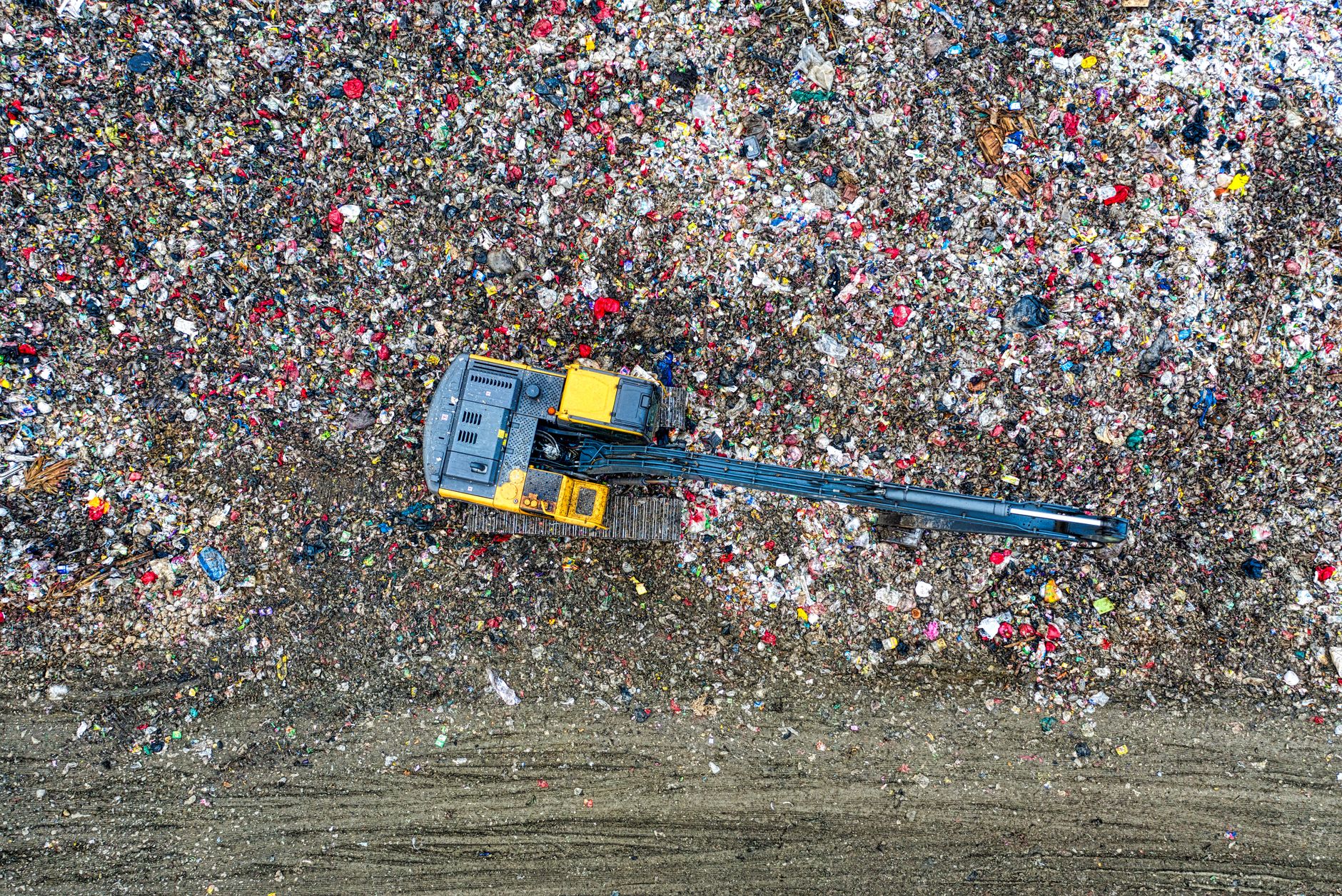
The affordability and trend-driven nature of fast fashion lead to high consumption rates. Garments are often worn only a few times before being discarded, contributing massively to landfill waste and resource depletion.

4
Environmental & Social Toll

From excessive water usage and chemical pollution in production to carbon emissions from transportation and poor worker conditions, the entire fast fashion lifecycle carries a heavy burden on the planet and its people.

Unpacking the Environmental Footprint of Fast Fashion
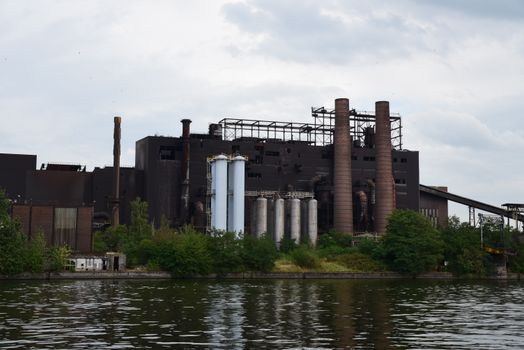
A large industrial factory with chimneys by a river, surrounded by trees on a cloudy day. Photo: Indi Van Kuijk / Pexels
When we ask 'what is fast fashion impact,' the environmental consequences are often the first to spring to mind, and for good reason. The sheer scale of production, coupled with unsustainable practices, places an immense burden on our planet. Let's break down some of the key areas where fast fashion leaves its indelible mark. Firstly, water consumption is staggering. Growing cotton, a staple fibre in many garments, is incredibly water-intensive. It can take thousands of litres of water to produce just one cotton t-shirt or a pair of jeans. Beyond cultivation, the dyeing and finishing processes in textile manufacturing are notorious water guzzlers and major polluters. These processes often involve a cocktail of toxic chemicals, heavy metals, and dyes which, if not properly treated, are discharged directly into rivers and waterways, contaminating ecosystems and posing severe health risks to local communities. In regions where garment factories are prevalent, clean water scarcity and pollution become critical issues. Secondly, carbon emissions are a significant concern. The entire lifecycle of a fast fashion garment, from raw material extraction and manufacturing to transportation across continents, retail, and eventual disposal, contributes to greenhouse gas emissions. Energy-intensive factories, often powered by fossil fuels, coupled with global supply chains reliant on shipping and air freight, mean that the fashion industry is a major contributor to climate change. Some estimates suggest it accounts for 8-10% of global carbon emissions, a figure that rivals the combined emissions of all international flights and maritime shipping. Thirdly, waste generation is an endemic problem. The fast pace of trends and the low cost of items encourage a 'wear once, discard' mentality. Millions of tonnes of textile waste are generated annually, with a significant portion ending up in landfills, particularly in the UK. Synthetic fibres like polyester, nylon, and acrylic, which are prevalent in fast fashion due to their low cost and versatility, are essentially plastics. They can take hundreds of years to decompose, leaching microplastics and harmful chemicals into the soil and water as they break down. Even natural fibres, when dyed and treated, can struggle to biodegrade effectively in landfill conditions due to lack of oxygen. This accumulation of waste is not only an eyesore but also a continuous source of pollution. Fourthly, biodiversity loss is another critical aspect. The expansion of cotton cultivation often leads to deforestation and habitat destruction. Pesticides and herbicides used in conventional cotton farming can degrade soil quality, harm pollinators, and contaminate water sources, impacting local wildlife. The quest for cheap raw materials can also drive unsustainable practices in other areas, such as the over-extraction of wood pulp for rayon or viscose, leading to further deforestation. Understanding these multifaceted environmental impacts is crucial for anyone asking what is fast fashion impact, and it underscores the urgent need for more sustainable alternatives and consumer awareness. The environmental toll is not just a distant problem; it affects air quality, water resources, and ecosystems right here in the UK and globally, demanding a collective shift towards more responsible consumption and production practices.

The Social and Ethical Dimensions of Rapid Clothing Production
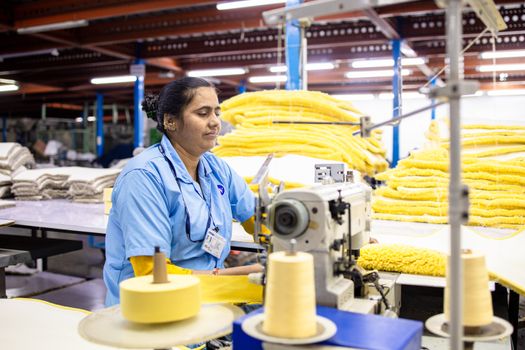
Female textile worker in a factory operating a sewing machine amidst piles of fabric. Photo: EqualStock IN / Pexels
Beyond the environmental devastation, the question 'what is fast fashion impact' also delves deep into profound social and ethical concerns. The pursuit of ever-cheaper clothing comes at a significant human cost, often borne by the most vulnerable workers in the global supply chain. The primary social issue revolves around labour exploitation. Fast fashion brands thrive on rapid production and low costs, which puts immense pressure on manufacturers to cut corners. This often translates into appalling working conditions for garment factory employees, particularly in developing countries. Workers, predominantly women, frequently face extremely low wages that are far below a living wage, making it impossible for them to meet basic needs for themselves and their families. Overtime is often mandatory and unpaid, with shifts extending to 12-16 hours a day, six or even seven days a week, especially during peak seasons. Furthermore, workplace safety is a constant concern. Factories can be poorly constructed, lack proper ventilation, and be prone to fires or structural collapses, as tragically exemplified by incidents like the Rana Plaza collapse. Workers are often exposed to hazardous chemicals without adequate protection, leading to respiratory illnesses, skin conditions, and other long-term health problems. The lack of robust labour laws or their lax enforcement in many production countries exacerbates these issues, leaving workers with little recourse or protection. Child labour is another dark facet of the fast fashion industry. While many brands publicly condemn it, the complex and opaque nature of global supply chains makes it difficult to monitor every tier of production. In some regions, poverty drives families to send their children to work in factories or in the informal sector, where they are exposed to dangerous conditions and deprived of education. This perpetuates a cycle of poverty and exploitation. Gender inequality is also deeply embedded in the fast fashion supply chain. Women make up the vast majority of garment workers, often facing discrimination, sexual harassment, and limited opportunities for advancement. They are frequently paid less than their male counterparts for the same work and are often the first to be laid off during economic downturns. The power imbalance between massive multinational corporations and individual workers or small factories creates a system where human rights can be easily overlooked in the relentless pursuit of profit. The psychological impact on consumers is also worth considering. The constant marketing of new trends fosters a culture of dissatisfaction and disposability, encouraging impulsive buying and contributing to feelings of inadequacy if one doesn't keep up with the latest styles. This creates a vicious cycle where consumers are constantly chasing novelty, further fuelling the demand for cheap, rapidly produced clothing. Addressing these social and ethical dimensions is paramount when discussing what is fast fashion impact, highlighting the need for greater transparency, fair wages, safe working environments, and a fundamental respect for human rights throughout the entire fashion supply chain.

Economic Implications and the Consumer's Role in Changing Fast Fashion
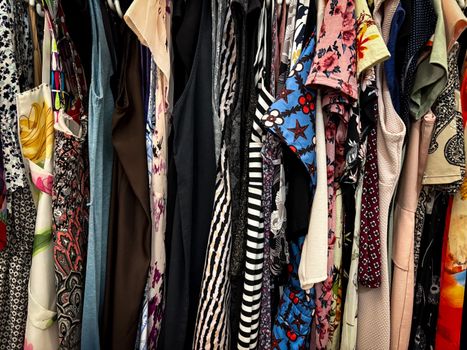
Vibrant collection of assorted vintage clothes hanging on a rack, showcasing patterns and styles. Photo: Magda Ehlers / Pexels
Understanding 'what is fast fashion impact' also requires a critical look at its economic implications, both for the industry and for the consumer, and crucially, the transformative power of informed choices. Economically, fast fashion operates on a model of high volume and low margins, driving down prices to an extent that traditional, more sustainable production methods simply cannot match. This creates immense competitive pressure, often leading to the demise of local textile industries in developed countries like the UK, as manufacturing shifts to regions with cheaper labour and less stringent environmental regulations. While it offers affordable clothing to consumers, the true cost is externalised onto the environment and exploited workers, creating a false economy. The constant demand for newness also fuels overproduction, leading to vast amounts of unsold inventory that often ends up in landfills or is incinerated, representing a massive waste of resources and capital. This economic model is inherently unsustainable in the long run, depleting natural resources and creating social instability in producer countries. The consumer plays a pivotal role in reshaping this landscape. Every purchasing decision is, in essence, a vote for the kind of fashion industry we want to support. Moving away from the 'buy-throw-away' cycle of fast fashion involves several key shifts in consumer behaviour. Firstly, embracing durability and quality over quantity is crucial. Investing in well-made garments that last longer reduces the frequency of purchases and, consequently, the overall demand for new production. This might mean spending a little more upfront, but it often proves more economical in the long run, reducing the need for constant replacements. Secondly, exploring second-hand options is a powerful way to mitigate fast fashion's impact. The UK has a thriving market for pre-loved clothing, from charity shops and vintage stores to online platforms. Buying second-hand extends the life of garments, diverting them from landfill and reducing the demand for new items. It's a circular approach to fashion that is both environmentally friendly and often more affordable. Thirdly, supporting ethical and sustainable brands is vital. As consumers become more aware of what is fast fashion impact, the demand for transparent, environmentally conscious, and ethically produced clothing grows. These brands often use organic or recycled materials, pay fair wages, and employ sustainable manufacturing processes. While they might have a higher price point, the investment supports a more responsible industry. Fourthly, repairing and upcycling clothes extends their lifespan and fosters creativity. Learning basic mending skills or taking items to a local tailor can transform worn-out garments into cherished pieces. Upcycling gives old clothes a new lease of life, reducing waste and personalising one's wardrobe. Finally, being a conscious consumer involves asking questions: Who made my clothes? What are they made from? How long will they last? By becoming more informed and intentional about our purchases, we can collectively drive demand for a more sustainable, ethical, and circular fashion economy, shifting the economic incentives away from destructive fast fashion practices.

Practical Steps: Reducing Your Fast Fashion Footprint in the UK

Vibrant collection of assorted vintage clothes hanging on a rack, showcasing patterns and styles. Photo: Magda Ehlers / Pexels
Understanding 'what is fast fashion impact' is the first step; taking action is the next. For consumers in the UK, there are numerous practical and impactful ways to reduce your personal fast fashion footprint and contribute to a more sustainable wardrobe. These steps are not about abandoning fashion, but about engaging with it more thoughtfully and responsibly. Here's how you can make a difference: * **Embrace the '3 Rs' of Sustainable Fashion: Reduce, Reuse, Recycle (and Repair!):** * **Reduce:** Buy less. Before making a purchase, ask yourself if you truly need the item, if it will last, and if it aligns with your existing wardrobe. Consider a '30 wears test' – if you can't commit to wearing an item at least 30 times, reconsider the purchase. * **Reuse:** This is where second-hand shopping shines. Explore charity shops, vintage boutiques, car boot sales, and online marketplaces like Vinted, Depop, and eBay. Clothes swaps with friends are also a fun way to refresh your wardrobe without buying new. Renting clothes for special occasions is another excellent option, reducing the need for single-use outfits. * **Repair:** Don't discard an item just because of a loose button or a small tear. Learn basic mending skills, or support local tailors and alteration services. This extends the life of your clothes and supports local businesses. * **Recycle:** For garments that are truly beyond repair or reuse, look for textile recycling points. Many councils in the UK offer textile collection, and some high street retailers have in-store take-back schemes. Ensure clothes are clean and dry before donating or recycling. * **Invest in Quality Over Quantity:** Prioritise durable fabrics and well-constructed garments. While the initial cost might be higher, these items will last longer, reducing your overall consumption and waste. Look for natural fibres like organic cotton, linen, hemp, or Tencel, which have a lower environmental impact than many synthetics, or choose recycled synthetic options. * **Educate Yourself on Brands:** Research the brands you buy from. Look for transparency reports, ethical certifications (e.g., Fair Trade, GOTS for organic textiles), and commitment to sustainable practices. Tools like the Good On You app can help you assess brands' ethical and environmental performance. * **Wash Smarter:** Laundry has a significant environmental impact. Wash clothes less frequently, use cold water, and air dry whenever possible. Consider using a microfibre filter bag for synthetic items to catch plastic fibres before they enter waterways. * **Support Local & Independent Designers:** These brands often have smaller production runs, use locally sourced materials, and maintain closer oversight of their supply chains, fostering more ethical and sustainable practices. * **Advocate for Change:** Use your voice. Engage with brands on social media, ask questions about their supply chains, and support policy changes that promote sustainability and ethical labour practices within the fashion industry. Every conscious decision contributes to a larger movement, demonstrating that a responsible and stylish wardrobe is not only possible but increasingly desirable.

Comparison

FeatureFast FashionSustainable FashionCircular Fashion
Production SpeedRapid, constantSlower, thoughtfulRegenerative, closed-loop
Material SourcingCheap synthetics, conventional cottonOrganic, recycled, innovative fibresWaste materials, bio-based
Worker ConditionsOften poor, low wagesFair wages, safe conditionsEmpowering, community-focused
Environmental ImpactHigh (water, carbon, waste)Lower, mindfulMinimal to positive
Product LifespanShort, disposableLonger, durableMaximized, endlessly reusable
Price PointLowModerate to highVariable (rental, resale, new)
Waste GenerationHighLowZero to negative

What Readers Say

"Before reading this, I knew fast fashion was bad, but 'what is fast fashion impact' truly opened my eyes to the depth of the problem. I'm already looking at my wardrobe differently and planning my next charity shop trip."

Eleanor Vance · Manchester, GB

"The details on water pollution and carbon emissions were particularly shocking. This article makes it clear that our choices as consumers really do matter and provides actionable steps."

Ben Carter · Bristol, GB

"I've started using the '30 wears test' and it has dramatically reduced my impulsive purchases. Understanding what is fast fashion impact has saved me money and made my wardrobe more meaningful."

Sarah Jenkins · Glasgow, GB

"While the ethical labour issues are complex, this article provided a comprehensive overview. It's challenging to completely avoid fast fashion, but I'm making a conscious effort to buy less and buy better."

David O'Connell · London, GB

"As a student, I always felt limited by budget, but the tips on second-hand shopping and repairing clothes were brilliant. I now feel empowered to make more sustainable choices without breaking the bank."

Priya Sharma · Birmingham, GB

Frequently Asked Questions

What are the main environmental impacts of fast fashion?

The main environmental impacts include excessive water consumption for fibre cultivation and dyeing, significant carbon emissions from production and transportation, chemical pollution of waterways, and massive textile waste ending up in landfills. Synthetic fibres contribute to microplastic pollution and take hundreds of years to decompose.

Does fast fashion exploit workers?

Yes, fast fashion is frequently linked to worker exploitation. To keep costs low, garment workers often face extremely low wages, long working hours, unsafe working conditions, and a lack of basic labour rights, particularly in developing countries where production is outsourced.

How can I reduce my personal fast fashion footprint?

You can reduce your footprint by buying less, choosing quality over quantity, embracing second-hand shopping, repairing and upcycling clothes, washing clothes less and more efficiently, and supporting ethical and sustainable brands. Educating yourself on brand practices is also key.

Is sustainable fashion more expensive?

Sustainable fashion can often have a higher upfront cost due to ethical labour practices, quality materials, and smaller production runs. However, it offers better durability and longevity, potentially saving money in the long run by reducing the need for frequent replacements. Second-hand sustainable options are often very affordable.

How does fast fashion compare to traditional fashion?

Fast fashion differs from traditional fashion in its rapid trend cycles, lower quality materials, and mass production at low cost. Traditional fashion often emphasised craftsmanship, durability, and slower production, leading to garments designed to last for many seasons, if not a lifetime.

Who is most affected by the fast fashion industry?

The most affected are garment workers, predominantly women in developing countries, who face exploitation. Local communities near factories suffer from environmental pollution. Ultimately, everyone is affected by the climate change and resource depletion driven by the industry's unsustainable practices.

Are there any health risks associated with fast fashion clothing?

Yes, some fast fashion garments contain hazardous chemicals used in dyeing and finishing, such as azo dyes, formaldehyde, and heavy metals. These can cause skin irritation, allergic reactions, and potentially more serious health issues for both wearers and garment workers. Microplastics from synthetic fabrics also pose a long-term environmental and potential health risk.

What is the future outlook for fast fashion and sustainability?

The future outlook suggests a growing consumer demand for transparency and sustainability, pushing brands towards more ethical practices. Innovations in material science, circular economy models (like rental and resale), and stricter regulations are expected to reshape the industry, though significant challenges remain in transitioning away from the current linear model.

Now that you understand what is fast fashion impact, empower yourself to make informed choices. Start building a more sustainable and ethical wardrobe today, contributing to a better future for people and the planet.

Topics: what is fast fashion impactfast fashion sustainabilityethical fashion UKenvironmental impact of fashionsustainable clothing GB
Leo List

DK Escorts LU Escorts AT Escorts SE Escorts FI Escorts CH Escorts DE Escorts HR Escorts IE Escorts GR Escorts CZ Escorts NO Escorts BE Escorts FR Escorts SI Escorts IL Escorts NL Escorts PL Escorts HU Escorts ES Escorts IT Escorts PT Escorts SK Escorts RO Escorts ZA Escorts UY Escorts US Escorts UK Escorts NZ Escorts AU Escorts
Brampton weed
Adultwork EstrelaBet Vai de Bet R7 Bet Betão Galera Bet Rainbet Bet9ja Shop SportyBet BetKing Sisal Loto Foot Hollywoodbets YesPlay Odibets RushBet Jugabet BetWarrior BetCity MSport betPawa Fortebet