What is Fast Fashion Impact? A Deep Dive into its True Cost
Uncover the profound environmental, social, and economic consequences of fast fashion and learn how to navigate them.
Explore the ImpactKey Takeaways
- ✓ The fashion industry is responsible for 10% of global carbon emissions, more than international flights and maritime shipping combined.
- ✓ Textile dyeing is the second-largest polluter of water globally, with chemicals often discharged untreated into waterways.
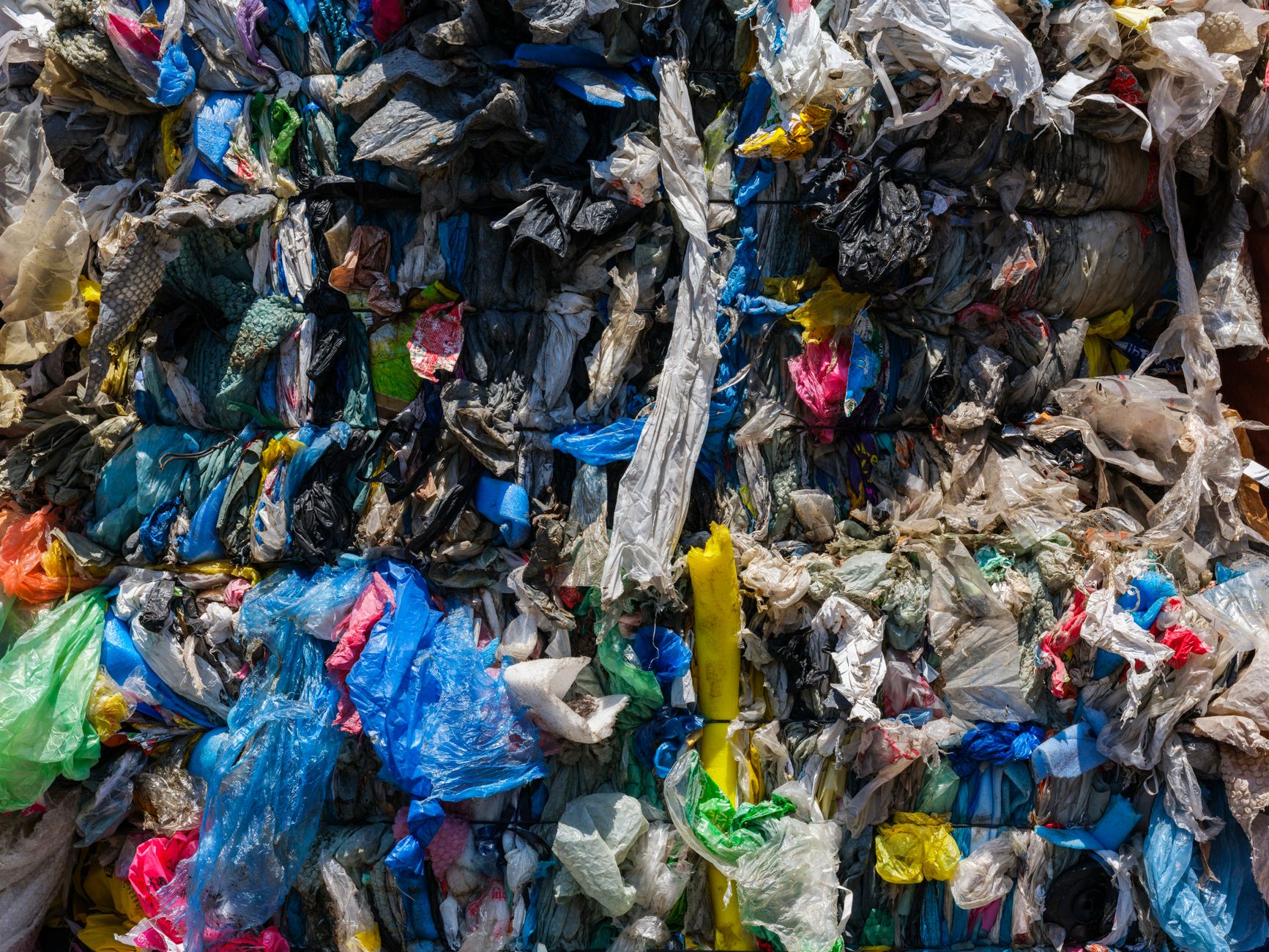
- ✓ An estimated 92 million tonnes of textile waste is created annually, with a truckload of clothing incinerated or landfilled every second.
- ✓ Fast fashion relies heavily on exploitative labour practices, often paying poverty wages and operating in unsafe conditions.
How It Works
Fast fashion brands rapidly design, manufacture, and distribute clothing to keep up with fleeting trends. This constant churn encourages frequent purchases.
Garments are produced using cheap materials and labour, allowing for extremely low retail prices. Consumers are incentivised to buy more, treating clothes as disposable.
The entire lifecycle, from resource extraction to manufacturing and disposal, consumes vast amounts of water and energy, and generates significant pollution and waste.
To maintain low costs, brands often outsource production to countries with lax labour laws. Workers face poor conditions, long hours, and insufficient pay.
The Environmental Toll: Unravelling Fast Fashion's Ecological Footprint
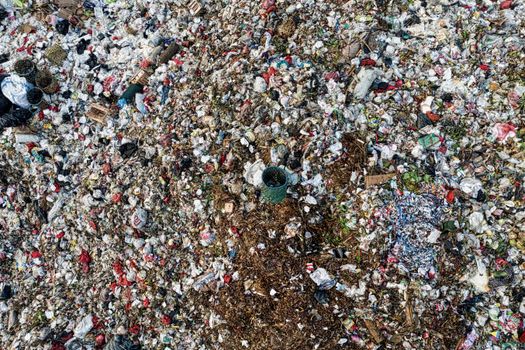 Photo: Tom Fisk / Pexels
The Human Cost: Unpacking the Social Ramifications of Fast Fashion
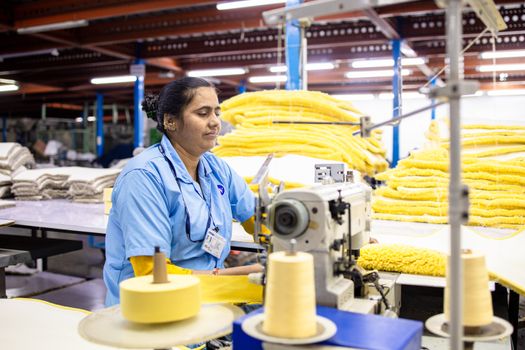 Photo: EqualStock IN / Pexels
Economic and Cultural Shifts: The Broader Impact of Fast Fashion
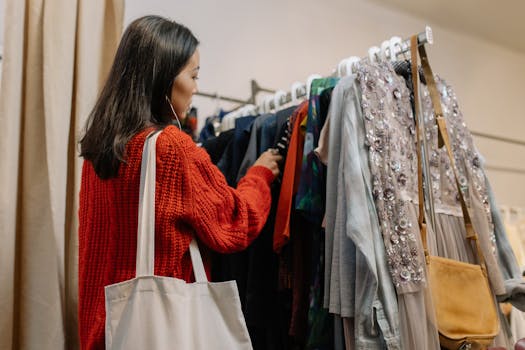 Photo: cottonbro studio / Pexels
Navigating the Impact: Practical Steps for a More Sustainable Wardrobe
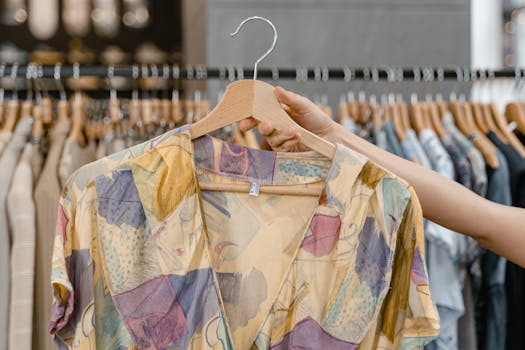 Photo: MART PRODUCTION / Pexels
Comparison
| Feature | Fast Fashion | Slow Fashion | Ethical Brands |
|---|---|---|---|
| Production Speed | Rapid, weekly collections | Slow, seasonal collections | Measured, transparent |
| Price Point | Very Low | Moderate to High | Moderate to High |
| Quality/Durability | Low, disposable | High, long-lasting | High, long-lasting |
| Environmental Impact | High (water, waste, carbon) | Lower (sustainable materials) | Lowest (certified practices) |
| Labour Practices | Often exploitative | Fair wages, safe conditions | Certified fair, transparent |
| Transparency | ✗ | ✓ | ✓ |
What Readers Say
"This article on 'what is fast fashion impact' was incredibly eye-opening. I had no idea the extent of the environmental damage and social exploitation. It's definitely changed how I'll shop for clothes going forward."
Sarah J. · Manchester, GB"As someone trying to be more conscious, this deep dive into fast fashion's true cost was invaluable. The facts presented are stark, but the practical tips offer a clear path to making better choices."
Mark D. · Edinburgh, GB"After reading this, I've already started exploring local charity shops and repairing some of my older clothes. Understanding what is fast fashion impact has directly led to me extending the life of my wardrobe by months!"
Chloe P. · Bristol, GB"A comprehensive look at the issue. While some solutions feel like a drop in the ocean, the emphasis on individual responsibility and informed choices is empowering. It's a complex problem, but this article lays it out clearly."
Liam T. · London, GB"I often felt guilty about my shopping habits but didn't truly grasp the 'what is fast fashion impact'. This article provided the clarity and motivation I needed to shift towards a more sustainable approach. Highly recommend."
Emily R. · Cardiff, GBFrequently Asked Questions
What is the biggest environmental impact of fast fashion?
The biggest environmental impacts are excessive water consumption, particularly for cotton cultivation and dyeing processes; significant greenhouse gas emissions from production and transportation; and massive textile waste ending up in landfills, releasing methane and microplastics. These combined factors put immense strain on natural resources and contribute to climate change and pollution.
Does fast fashion exploit workers?
Yes, fast fashion is frequently linked to worker exploitation. To keep costs low, many brands outsource production to countries with weak labour laws, resulting in poverty wages, long working hours, unsafe factory conditions, and a lack of basic human rights for garment workers, predominantly women and children.
How can I reduce my personal fast fashion impact?
You can reduce your impact by embracing the '3 Rs' (Reduce, Reuse, Recycle, and Repair), buying fewer, higher-quality items, shopping second-hand, researching and supporting ethical brands, and properly caring for your clothes to extend their lifespan. Consider clothes swaps or rental services too.
Is sustainable fashion more expensive?
Initially, sustainable fashion items often have a higher upfront cost due to ethical labour practices, higher quality materials, and smaller production runs. However, these garments are designed to last longer, reducing the need for frequent replacements, which can save money in the long term compared to continually buying cheap, disposable fast fashion.
How does fast fashion compare to slow fashion?
Fast fashion prioritises rapid production, low prices, and fleeting trends, leading to high environmental and social costs. Slow fashion, conversely, focuses on quality, durability, timeless design, ethical production, and conscious consumption, aiming for a smaller environmental footprint and fair treatment of workers. It encourages buying less and making items last.
Who should be concerned about fast fashion's impact?
Everyone should be concerned about fast fashion's impact. Consumers who wear clothes, environmentalists concerned about climate change and pollution, human rights advocates focused on worker exploitation, and anyone interested in sustainable living and ethical consumption should understand and act on this critical issue.
Are there any health risks associated with fast fashion?
Yes, there can be. Workers in fast fashion factories are exposed to harmful chemicals during dyeing and finishing processes, leading to respiratory issues and skin conditions. Consumers might also be exposed to residual chemicals in their clothing, though generally at lower levels. Additionally, the microplastic shedding from synthetic fast fashion garments contributes to wider environmental health concerns.
What trends are emerging to counter fast fashion?
Emerging trends include the rise of circular fashion models (rental, resale, repair services), increased consumer demand for transparency and ethical certifications, innovations in sustainable materials (e.g., bio-based fabrics, recycled fibres), and a growing movement towards 'degrowth' in consumption, encouraging mindful purchasing and valuing longevity over novelty.
By understanding what is fast fashion impact, you gain the power to make informed decisions that benefit both people and the planet. Take the next step towards a more conscious wardrobe and join the movement for a fairer, more sustainable fashion future.