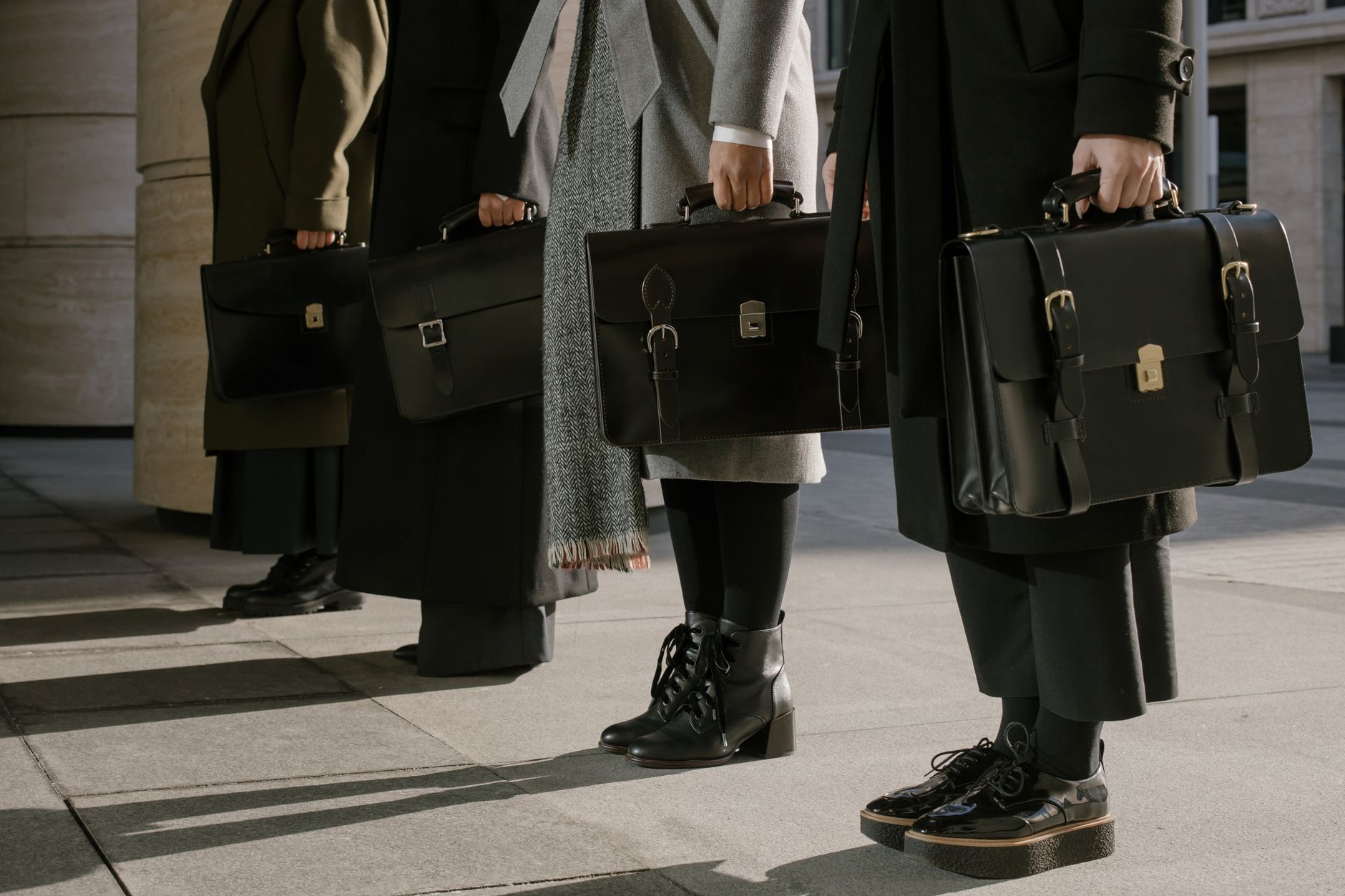
What is Business Casual Attire UK? Your Definitive Guide
what is business casual attire UK

What is Business Casual Attire UK? Your Definitive Guide

Navigate the nuances of professional British dress codes with ease, ensuring you always make a sharp and appropriate impression.

Master Your Style

Key Takeaways

  • ✓ Business casual in the UK is less formal than traditional business attire but more polished than casual wear.
  • ✓ It balances professionalism with comfort, reflecting a more modern workplace culture.
  • ✓ Key elements include tailored trousers, skirts, blouses, smart shirts, knitwear, and blazers.
  • ✓ Denim can be acceptable, but it must be dark, well-fitting, and free from distress.

How It Works

1
Assess Your Workplace Culture

Before selecting your outfit, observe what your colleagues and superiors wear. This provides crucial insight into your specific office's interpretation of business casual.

2
Choose Core Pieces Wisely

Invest in versatile, quality items like tailored trousers, smart skirts, blazers, and button-down shirts. These form the foundation of a strong business casual wardrobe.

3
Focus on Fit and Fabric

Ensure all clothing fits well – not too tight, not too baggy – and is made from appropriate, non-creasing fabrics. A good fit elevates even simpler garments.

4
Accessorise Thoughtfully

Elevate your look with smart accessories. This includes polished shoes, a professional bag, subtle jewellery, and a watch, all contributing to a complete, refined appearance.

Decoding the UK Business Casual Landscape
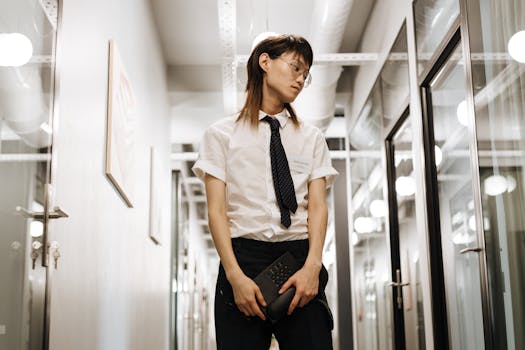
Young professional standing in a modern office hallway with glass doors, wearing eyeglasses and a necktie. Photo: Ron Lach / Pexels
The concept of business casual attire in the UK is a fascinating blend of tradition and contemporary workplace culture. Unlike its American counterpart, which can sometimes lean towards a more relaxed interpretation, the British version often retains a subtle undercurrent of formality and polish. It's a dress code that seeks to bridge the gap between the rigid suits of yesteryear and the overly relaxed wear of home offices. Essentially, it means presenting yourself in a way that is professional, respectful, and appropriate for a work environment, without necessarily requiring a full suit and tie. This balance is crucial; it allows for personal expression while maintaining an air of competence and seriousness. Understanding this nuance is key to mastering the UK business casual look. It's not about being trendy, but about being smart, comfortable, and ready for any professional interaction, from an impromptu client meeting to a team presentation. The core principle revolves around looking 'put-together' and intentional, rather than accidental or underdressed. This often means opting for garments that are structured, well-maintained, and made from quality fabrics. Think fewer t-shirts and more collared shirts, fewer trainers and more smart loafers or heels. The regional variations within the UK can also play a role; a London financial district office might have a slightly stricter interpretation than a creative agency in Manchester. Therefore, observation and adaptability are invaluable skills when navigating this dress code. The goal is to project an image of capability and reliability, fostering trust and rapport with colleagues and clients alike. It's about dressing for the role you have and the role you aspire to, ensuring your attire never distracts from your professional contributions. For more insights into broader fashion trends, explore our guide on contemporary British fashion. This foundational understanding sets the stage for delving into the specific garments and combinations that define UK business casual.

Essential Wardrobe Staples for Men and Women
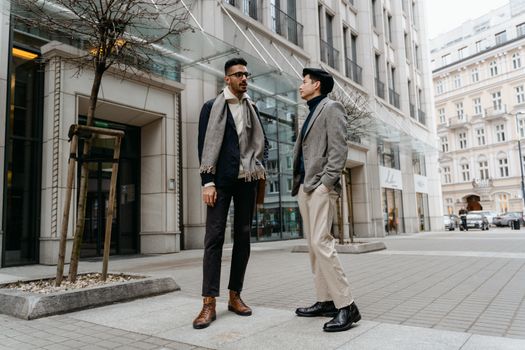
Two stylish men having a conversation in an urban setting. Modern fashion and architecture. Photo: MART PRODUCTION / Pexels
Building a robust business casual wardrobe in the UK requires a strategic approach, focusing on versatile pieces that can be mixed and matched. For men, the foundation often includes tailored trousers in wool, cotton, or a quality blend, typically in conservative colours like navy, charcoal, or black. Chinos, particularly in darker hues, are also a popular and acceptable alternative, provided they are well-pressed and free from excessive casual detailing. Shirts are paramount: long-sleeved button-downs in solid colours, subtle patterns like gingham or fine stripes, and quality oxford shirts are ideal. Polo shirts made from pique cotton or merino wool can also be suitable, especially in less formal environments, but should always be crisp and well-fitting. Knitwear, such as V-neck or crew-neck jumpers (sweaters) in fine gauge wool or cashmere, adds a layer of sophistication and warmth, perfect for layering over a shirt. Blazers are a cornerstone of men's business casual; a well-fitting navy or grey sports jacket instantly elevates any outfit, providing structure and polish. Shoes should be smart, opting for loafers, Oxfords, Derbies, or smart Chelsea boots, all kept polished. Trainers are generally a no-go unless the office culture is exceptionally relaxed. For women, tailored trousers, often in straight-leg or slim-fit styles, are a staple, again in professional colours. Midi-length skirts, pencil skirts, or A-line skirts in smart fabrics are excellent alternatives. Blouses, both button-down and more relaxed, elegant styles, are key, as are smart knit tops. Cardigans and fine-gauge jumpers provide warmth and layering options. Dresses, particularly shift dresses, wrap dresses, or tailored A-line dresses, are perfect when paired with a blazer or smart cardigan. Blazers are just as crucial for women as for men, offering structure and authority. Footwear choices include smart flats (ballet flats, loafers), low to mid-heels (pumps, block heels), and smart boots. Open-toed shoes or overly casual sandals are generally best avoided. The key for both genders is ensuring garments are clean, pressed, and in good condition, reflecting attention to detail and professionalism. Investing in quality pieces will ensure longevity and a consistently polished appearance. Accessorising subtly, with a smart watch, belt, and professional bag, completes the look without overpowering it.

Navigating the 'Casual' in Business Casual: What to Avoid
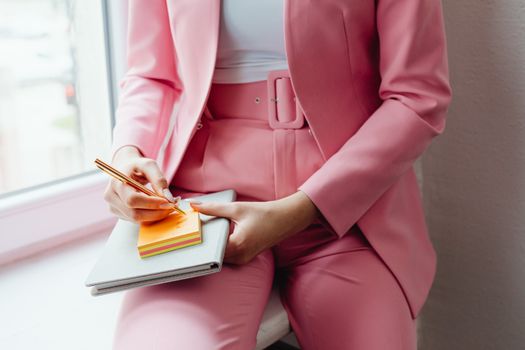
Business professional in pink suit taking notes on colorful sticky notes indoors. Photo: https://kaboompics.com/ / Pexels
While the 'casual' aspect of business casual offers a degree of flexibility, it's crucial to understand its limitations, especially in the UK context. The line between smart casual and overly casual can be thin, and crossing it risks undermining your professional image. The primary pitfall is confusing business casual with weekend wear. This means steering clear of items typically reserved for leisure activities or very informal settings. For instance, ripped or distressed denim, even if dark and well-fitting, is generally inappropriate for a UK business casual environment. While dark, un-ripped jeans might be acceptable in some more relaxed workplaces, it's always safer to err on the side of tailored trousers or chinos. Similarly, t-shirts, especially graphic tees or those with large logos, are usually too informal. Opt instead for collared shirts, smart blouses, or fine-knit tops. Hoodies and sweatshirts, regardless of their brand or quality, almost universally fall outside the business casual remit. They project an image of extreme comfort over professionalism. Footwear is another common area of misstep. Trainers (sneakers), particularly athletic or brightly coloured ones, are rarely suitable. Even 'fashion' trainers, while popular, often lack the polish required for an office setting. Stick to smart leather shoes, loafers, or elegant boots. Flip-flops or open-toed sandals are also definite no-gos. Clothing that is overly revealing, such as very short skirts, low-cut tops, or sheer fabrics, is inappropriate for any professional environment. Similarly, overly baggy or ill-fitting clothes can make you appear dishevelled and unprofessional. Athleisure wear, while comfortable, is designed for exercise or very casual lounging, not for the workplace. This includes leggings (unless under a tunic-length top and paired with a blazer), tracksuits, and activewear tops. Understanding these boundaries helps prevent awkward fashion faux pas and ensures your attire consistently supports your professional aspirations. For further style guidance, explore our articles on professional style guides.

Mastering Accessories and Common Business Casual Mistakes
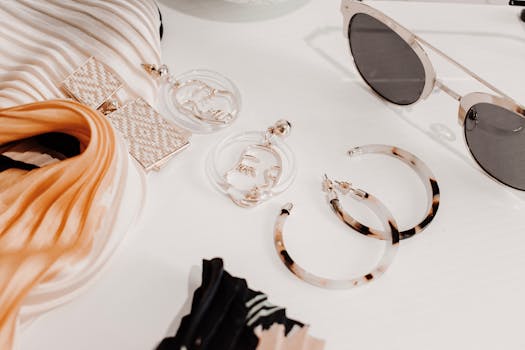
Stylish flat lay of modern fashion accessories including earrings, scarf, and sunglasses. Photo: Harper Sunday / Pexels
Accessories play a vital role in elevating or diminishing a business casual outfit. For men, a good quality leather belt that matches your shoes is essential. A smart watch, rather than a sports watch, adds a touch of sophistication. Keep jewellery minimal; a wedding band and perhaps a subtle watch are usually sufficient. For women, a professional handbag or tote is crucial; avoid overly casual backpacks or oversized, brightly coloured bags. Jewellery should be understated and elegant – think stud earrings, a delicate necklace, or a classic watch. Scarves can add a pop of colour and sophistication, but ensure they are neatly tied or draped. Footwear, as mentioned, must be smart and well-maintained. Polished leather shoes for men and smart flats, heels, or boots for women are ideal. Avoid anything that looks worn, scuffed, or overly trendy. **Common Business Casual Mistakes to Avoid:** * **Overly Casual Denim:** As discussed, ripped, faded, or light-wash jeans are generally too informal. If wearing denim, ensure it's dark, well-fitting, and un-distressed. * **Visible Undergarments:** Avoid low-cut tops or sheer fabrics that expose undergarments. Professionalism demands modesty. * **Wrinkled or Stained Clothing:** Even the most expensive outfit looks unprofessional if it's creased or dirty. Always ensure your clothes are clean and well-pressed. * **Too Much Perfume/Cologne:** Be mindful of strong scents; what one person finds pleasant, another might find offensive or distracting. * **Neglecting Grooming:** A great outfit can be undone by poor personal grooming. Ensure hair is tidy, nails are clean, and you are generally well-presented. * **Ill-Fitting Clothes:** Clothes that are too tight, too loose, or too long/short look sloppy. Invest in tailoring if necessary. * **Ignoring Office Culture:** The biggest mistake is not observing and adapting to your specific workplace's unwritten rules. When in doubt, dress a little smarter rather than too casual. * **Excessive Accessories:** While accessories are good, too many can look cluttered and unprofessional. Less is often more in a business setting.

Comparison

FeatureUK Business CasualTraditional BusinessSmart CasualCasual
Jacket/BlazerOften optional, recommendedMandatory (suit jacket)Optional (sports coat)Rarely
TrousersTailored, chinos (dark)Suit trousersChinos, smart jeansJeans, shorts
ShirtsCollared shirts, blousesDress shirtsPolo, smart t-shirtsT-shirts, hoodies
FootwearSmart shoes/boots, heelsLeather dress shoesSmart trainers, loafersTrainers, sandals
Formality LevelPolished, professionalVery formal, strictRelaxed, but neatRelaxed, informal
Denim AcceptabilityDark, un-distressed (sometimes)✓ (smart)

What Readers Say

"This guide completely demystified what is business casual attire UK for my new job. I felt so much more confident knowing exactly what to wear, avoiding any awkward fashion mishaps on my first day. Truly an essential read for anyone working in a British office."

Eleanor V. · London, England

"As someone transitioning from a very casual startup to a more corporate environment, I was lost. This article provided clear, actionable advice on UK business casual, from specific items to avoid. My wardrobe is now perfectly aligned with my professional goals."

James K. · Manchester, England

"Following the tips here, I've received compliments on my improved professional appearance. The breakdown of essential wardrobe staples helped me invest in the right pieces, resulting in a more versatile and stylish work wardrobe without overspending."

Priya S. · Birmingham, England

"While most of the advice on what is business casual attire UK was spot on, I found some regional differences in my creative agency where smart trainers are more common. Still, the core principles of polish and fit were invaluable and significantly upgraded my look."

David M. · Edinburgh, Scotland

"I used to struggle daily with what to wear, often feeling either overdressed or underdressed. This guide gave me the framework to build outfits that feel appropriate and professional, making my morning routine much smoother. Highly recommend for any UK professional."

Sophie L. · Bristol, England

Frequently Asked Questions

What is the key difference between UK business casual and US business casual?

UK business casual generally leans towards a slightly more formal and polished aesthetic compared to its US counterpart. While both aim for comfort and professionalism, the UK interpretation often places a greater emphasis on tailored pieces, quality fabrics, and a generally more conservative approach, with less room for very casual items like sneakers or distressed denim unless explicitly permitted by the workplace culture.

Can I wear jeans as part of business casual attire in the UK?

It depends heavily on the specific workplace culture. Dark-wash, well-fitting, un-distressed jeans can be acceptable in some more relaxed business casual environments. However, it's generally safer to opt for tailored trousers or smart chinos, especially when starting a new role or attending important meetings. Always observe your colleagues first to gauge acceptability.

How do I know if my office is truly business casual?

The best way to determine your office's specific interpretation of business casual is to observe what your colleagues and superiors wear. Look for common trends in formality, colours, and specific garment types. When in doubt, it's always better to dress slightly more formally than too casually, and you can adjust your attire as you learn the office's unwritten rules.

Is it expensive to build a UK business casual wardrobe?

Building a quality business casual wardrobe doesn't have to be prohibitively expensive. Focus on investing in versatile, foundational pieces that can be mixed and matched, such as a good blazer, tailored trousers, and smart shirts. Look for sales, consider reputable mid-range brands, and prioritise fit and fabric quality over quantity. A few well-chosen items are better than many ill-fitting ones.

What's the difference between 'smart casual' and 'business casual' in the UK?

Smart casual is generally a step down from business casual in formality. While both are polished, smart casual allows for more relaxed elements like smart jeans, polo shirts, and more fashion-forward trainers in certain contexts. Business casual maintains a stricter professional edge, often requiring collared shirts, tailored trousers/skirts, and smarter footwear, suitable for an everyday office environment.

Who should pay close attention to UK business casual guidelines?

Anyone working in a professional office environment, attending interviews, or meeting clients in the UK should pay close attention to business casual guidelines. It's particularly important for new hires looking to make a strong first impression, individuals in client-facing roles, and those aspiring to leadership positions, as attire contributes significantly to perceived professionalism and credibility.

Are there any risks associated with misinterpreting business casual attire?

Yes, misinterpreting business casual can lead to negative perceptions. Dressing too casually might make you appear unprofessional, disrespectful, or lacking attention to detail, potentially hindering career progression or client relations. Dressing too formally in a very relaxed environment, while less risky, could make you seem out of touch. The key is finding the appropriate balance for your specific context.

How might UK business casual evolve in the coming years?

UK business casual is likely to continue its evolution towards greater comfort while retaining its emphasis on polish. We may see more integration of high-quality, performance-fabric garments that offer comfort without sacrificing smartness. The rise of hybrid work models could also further blur the lines, making adaptability and quality more important than ever, with individual offices setting increasingly distinct internal standards.

Ready to master your professional image? Apply these expert insights into what is business casual attire UK and step into every work day with confidence and style. Your wardrobe is an investment in your success.

Topics: what is business casual attire UKUK professional dress codesmart casual UKoffice wear UKbusiness casual guide
Leo List

DK Escorts LU Escorts AT Escorts SE Escorts FI Escorts CH Escorts DE Escorts HR Escorts IE Escorts GR Escorts CZ Escorts NO Escorts BE Escorts FR Escorts SI Escorts IL Escorts NL Escorts PL Escorts HU Escorts ES Escorts IT Escorts PT Escorts SK Escorts RO Escorts ZA Escorts UY Escorts US Escorts UK Escorts NZ Escorts AU Escorts
Brampton weed
Adultwork EstrelaBet Vai de Bet R7 Bet Betão Galera Bet Rainbet Bet9ja Shop SportyBet BetKing Sisal Loto Foot Hollywoodbets YesPlay Odibets RushBet Jugabet BetWarrior BetCity MSport betPawa Fortebet