
What Are The Best Sustainable Fabrics for a Greener Wardrobe?
Explore the leading eco-conscious textiles revolutionising fashion for a more responsible future.
Explore Sustainable ChoicesKey Takeaways
- ✓ Sustainable fabrics significantly reduce environmental impact compared to conventional materials.
- ✓ The 'best' fabric often depends on its entire lifecycle, from production to disposal.
- ✓ Innovations in textile technology are continuously expanding the range of eco-friendly options.
- ✓ Choosing sustainable fabrics supports ethical labour practices and resource conservation.
How It Works
Before choosing, learn about the environmental and social footprint of different textile productions. This includes water use, energy consumption, chemical pollution, and labour conditions.
Opt for materials like organic cotton, linen, hemp, or innovative plant-based fibres that are grown with minimal environmental harm. These often have a lower carbon footprint and are biodegradable.
Consider fabrics made from recycled materials, such as recycled polyester or nylon, which divert waste from landfills. Upcycling textiles also extends their lifespan and reduces demand for new production.
Seek out certifications like GOTS, Oeko-Tex, or Bluesign, which verify environmental and social standards throughout the production chain. These labels provide assurance of a fabric's sustainability claims.
Unravelling the Threads of Sustainable Textile Innovation
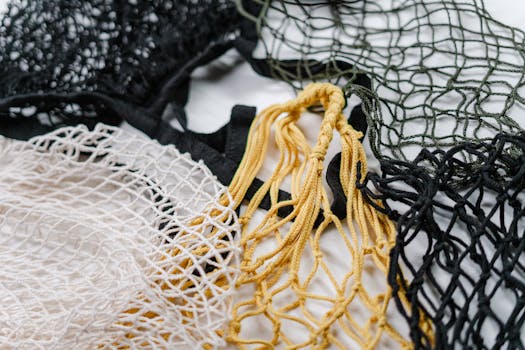 Photo: cottonbro studio / Pexels
Natural Wonders: Organic, Regenerative, and Low-Impact Fibres
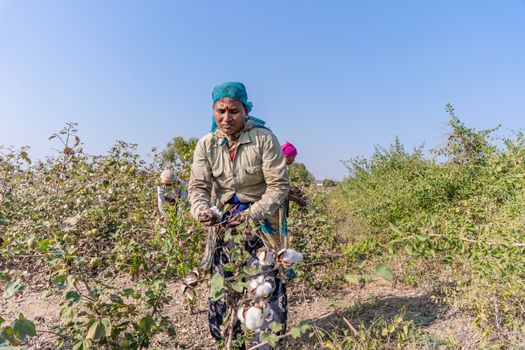 Photo: EqualStock IN / Pexels
Innovative Synthetics and Man-Made Cellulosics: The Future of Responsible Textiles
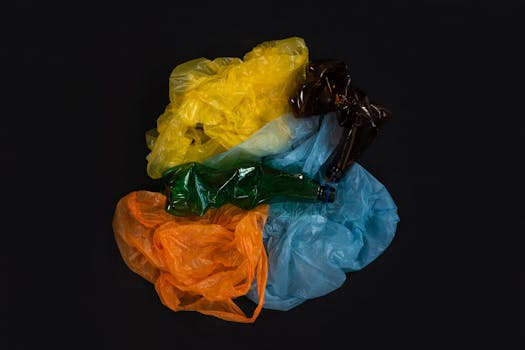 Photo: Mikhail Nilov / Pexels
Choosing Wisely: Tips for a Sustainable Wardrobe and What to Avoid
 Photo: Suzy Hazelwood / Pexels
Comparison
| Feature | Organic Cotton | Recycled Polyester | Tencel Lyocell | Hemp |
|---|---|---|---|---|
| Water Use | Moderate (less than conventional) | Low (repurposed material) | Low (closed-loop system) | Very Low |
| Pesticide Use | None | None (from existing plastic) | None (wood pulp) | None |
| Biodegradability | ✓ | ✗ (but recyclable) | ✓ | ✓ |
| Durability | Good | Excellent | Excellent | Excellent |
| Softness | Very Good | Variable (can be soft) | Excellent | Good (softens with wear) |
| Microplastic Shedding | ✗ | ✓ | ✗ | ✗ |
| Common Uses | T-shirts, denim, bedding | Activewear, outerwear, swimwear | Dresses, shirts, intimates | Jeans, canvas, casual wear |
What Readers Say
"This article completely opened my eyes to what are the best sustainable fabrics! I've been trying to shop more ethically, and now I feel so much more informed about my choices. My next purchase will definitely be organic cotton."
Sarah J. · London, UK"As a keen outdoor enthusiast, I was always wary of synthetic materials. Learning about recycled polyester and Tencel Lyocell's properties has given me great alternatives for my activewear. Fantastic read!"
Mark D. · Edinburgh, UK"I've started switching out all my old clothes for sustainable options, and this guide on what are the best sustainable fabrics made it so much easier to understand. My wardrobe feels so much better now, and I'm confident I'm making a difference."
Chloe P. · Manchester, UK"Very thorough analysis of sustainable fabrics. While the focus is great, I'd love to see even more detail on the certifications, perhaps a comparison table of their specific criteria. Still, an invaluable resource for anyone interested in eco-fashion."
David R. · Bristol, UK"Before reading this, I thought 'sustainable' just meant organic cotton. Now I know about hemp, Lyocell, and recycled options! It's made me rethink how I buy clothes for my whole family, from baby grows to work attire."
Eleanor S. · Cardiff, UKFrequently Asked Questions
What is the single most sustainable fabric?
There isn't one single 'most' sustainable fabric, as sustainability is multifaceted. Fabrics like organic hemp and linen are often cited for their low water and pesticide needs and biodegradability. However, innovative materials like Tencel Lyocell (due to its closed-loop production) and recycled polyester (for diverting waste) also rank highly, depending on the specific criteria being prioritised (e.g., water use, chemical impact, waste reduction).
Are sustainable fabrics more expensive?
Sustainable fabrics can sometimes have a higher upfront cost due to more ethical production practices, certifications, and smaller scale manufacturing. However, many are designed for durability, meaning they last longer and offer better value over time. The investment often reflects the true cost of production, including fair wages and environmental protection, which conventional fashion often externalises.
How can I tell if a fabric is truly sustainable?
Look for reputable certifications like GOTS (Global Organic Textile Standard), Oeko-Tex Standard 100, Bluesign, or the Global Recycled Standard (GRS). These independent third-party certifications verify environmental and social standards throughout the production chain. Also, research the brand's transparency regarding their supply chain and sustainability efforts.
What's the difference between organic cotton and conventional cotton?
Organic cotton is grown without synthetic pesticides, herbicides, or genetically modified organisms (GMOs), protecting soil health, biodiversity, and farmer well-being. Conventional cotton, in contrast, is one of the most chemical-intensive crops globally, leading to significant water pollution and environmental degradation. Organic cotton also typically uses less water, though water use varies by region and farming method.
Is bamboo fabric always sustainable?
Not necessarily. While bamboo is a fast-growing, renewable plant, the most common method of turning it into fabric (bamboo viscose or rayon) involves a chemically intensive process that can be harmful to the environment and workers. For a more sustainable bamboo option, look for 'bamboo lyocell,' which uses a closed-loop system similar to Tencel, recovering and reusing most of the solvents.
Who should prioritise sustainable fabrics?
Anyone concerned about the environmental and social impact of their clothing choices should prioritise sustainable fabrics. This includes environmentally conscious consumers, ethical fashion advocates, individuals with sensitive skin (due to fewer chemicals), and those who want to support responsible manufacturing and fair labour practices. Essentially, it benefits everyone and the planet.
Do sustainable fabrics shed microplastics?
Natural sustainable fabrics like organic cotton, hemp, linen, and Tencel Lyocell do not shed microplastics. However, recycled synthetic fabrics like recycled polyester and recycled nylon, while diverting waste from landfills, can still shed microplastics during washing. Innovations are ongoing to minimise this, such as using microfibre-catching laundry bags or filters.
What are emerging trends in sustainable fabrics?
Emerging trends include regenerative agriculture practices for natural fibres, leading to carbon-positive materials; bio-based synthetics derived from algae, mushrooms (Mylo™), or fruit waste (Piñatex™); and advanced textile recycling technologies that can break down blended fabrics. The future holds promise for materials that are not only less harmful but actively beneficial to the environment.
Embrace a greener wardrobe today by choosing what are the best sustainable fabrics. Make informed decisions that benefit both your style and the planet, contributing to a more sustainable and ethical future for fashion in the UK and beyond.