Top Sustainable Fashion Brands UK: Your Ethical Style Guide
sustainable fashion brands UK

Top Sustainable Fashion Brands UK: Your Ethical Style Guide

Uncover the UK's leading eco-conscious brands committed to ethical practices and stylish, high-quality garments.

Explore Ethical Fashion Now

Key Takeaways

  • ✓ The UK's sustainable fashion market is growing, driven by consumer demand for ethical choices.
  • ✓ Sustainable fashion encompasses fair labour, eco-friendly materials, and reduced waste.
  • ✓ Many UK brands are innovating with recycled, organic, and regenerated fabrics.
  • ✓ Certification labels like GOTS, Fair Trade, and B Corp indicate strong ethical commitments.

How It Works

1
Identify Your Values

Before shopping, consider what aspects of sustainability matter most to you: fair labour, organic materials, circularity, or animal welfare. This helps narrow down your choices.

2
Research UK Brands

Utilise resources like this guide, ethical directories, and brand websites to find UK-based companies aligning with your values. Look for transparency in their supply chains.

3
Check Certifications & Materials

Verify claims by looking for reputable certifications (e.g., GOTS, Fair Trade, B Corp) and research the sustainability of the materials used (e.g., organic cotton, Tencel, recycled polyester).

4
Invest in Quality & Longevity

Sustainable fashion often means investing in higher-quality pieces designed to last. Choose classic styles and durable materials that you'll wear for years, reducing overall consumption.

Understanding Sustainable Fashion in the UK Context

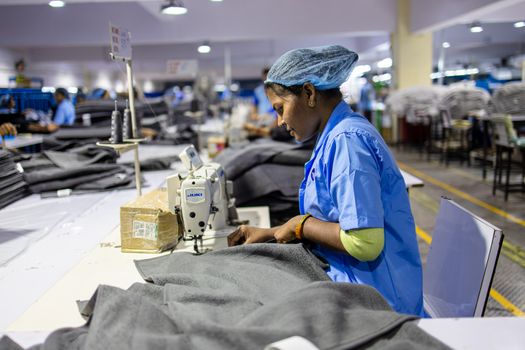
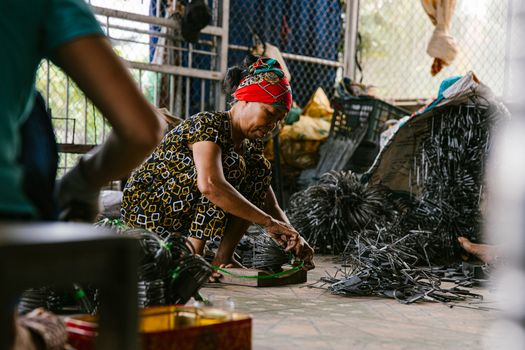
The concept of sustainable fashion has rapidly evolved from a niche concern to a mainstream imperative, particularly within the UK. But what exactly does 'sustainable fashion' mean, especially when we talk about brands operating in Britain? At its core, sustainable fashion refers to clothing that is produced and consumed in a way that is environmentally, socially, and economically responsible. This means considering the entire lifecycle of a garment – from the sourcing of raw materials, through design and manufacturing, to transportation, retail, use, and eventual disposal or recycling. In the UK, this movement is gaining significant traction, fueled by increasing consumer awareness, stricter regulations, and innovative local brands committed to making a difference. The impact of fast fashion, with its rapid production cycles, low prices, and often questionable labour practices, has become undeniable. Consumers are now actively seeking alternatives that align with their values, leading to a surge in demand for ethical clothing UK. This shift towards conscious consumption is not just a trend; it's a fundamental re-evaluation of our relationship with clothing. Many UK brands are at the forefront of this change, demonstrating that style and ethics are not mutually exclusive. They are pioneering new methods, embracing innovative materials, and advocating for greater transparency across the industry. For instance, some brands focus heavily on using organic cotton, which significantly reduces water usage and pesticide exposure compared to conventional cotton. Others prioritise recycled materials, diverting waste from landfills and conserving resources. The social dimension is equally critical. Sustainable fashion brands in the UK often go above and beyond legal requirements to ensure fair wages, safe working conditions, and ethical treatment of all workers in their supply chain, whether located domestically or abroad. This includes supporting local artisans, investing in community development, and ensuring living wages for garment workers. The economic aspect involves creating business models that are viable long-term, not just for profit but also for people and the planet. This might include circular economy principles, where products are designed for durability, repair, and eventual recycling, rather than a linear 'take-make-dispose' model. Furthermore, many UK sustainable brands are committed to reducing their carbon footprint, from optimising their manufacturing processes to choosing greener shipping methods. They often engage in carbon offsetting or invest in renewable energy sources. This holistic approach is what defines true sustainability in fashion. It's a complex challenge, but one that a growing number of UK brands are embracing with dedication and creativity, offering consumers genuine choices for a more responsible wardrobe. Understanding these multifaceted aspects is the first step towards making informed purchasing decisions and supporting the brands that are genuinely committed to positive change.

Key Pillars of Ethical Clothing UK Brands

When evaluating sustainable fashion brands UK, it's essential to look beyond marketing claims and understand the core pillars that define true ethical practices. These pillars form the foundation of responsible production and consumption, guiding brands towards a more positive impact. The first and arguably most critical pillar is material sourcing. Ethical brands meticulously choose materials that minimise environmental harm. This includes organic fibres like GOTS-certified organic cotton, linen, and hemp, which require less water and no harmful pesticides. Innovative materials like Tencel™ Lyocell (derived from sustainably sourced wood pulp), Piñatex (pineapple leaf fibre), and recycled fabrics (such as recycled polyester made from plastic bottles or recycled cotton) are also gaining prominence. Brands committed to sustainability often provide detailed information about their material origins, demonstrating transparency and accountability. They avoid materials like conventional viscose, which can contribute to deforestation, or non-organic cotton, known for its high environmental impact. The second pillar revolves around fair labour practices and social welfare. This means ensuring that everyone involved in the production process, from farmers to factory workers, receives fair wages, works in safe conditions, and is treated with dignity. Many UK sustainable brands work with certified factories or suppliers who adhere to international labour standards. Certifications like Fair Trade, SA8000, and Sedex are strong indicators of a brand's commitment to social responsibility. Transparency in the supply chain is paramount here, with leading brands often mapping out their entire production process, allowing consumers to see where and how their clothes are made. This contrasts sharply with the opaque supply chains often associated with fast fashion, where exploitation can thrive undetected. A third significant pillar is waste reduction and circularity. Ethical brands actively work to minimise waste at every stage of production. This includes cutting fabric efficiently, reusing offcuts, and designing garments for longevity and recyclability. Some brands even implement take-back schemes, where customers can return old garments for recycling or upcycling, closing the loop on textile waste. The concept of a circular economy, where resources are kept in use for as long as possible, is a guiding principle for many leading UK sustainable fashion brands. This also extends to packaging, with a strong preference for recycled, recyclable, or compostable materials, and a reduction in single-use plastics. The fourth pillar encompasses water and energy conservation. Textile production is notoriously resource-intensive. Sustainable brands strive to reduce water consumption through innovative dyeing techniques (e.g., dry dyeing, waterless dyeing), using recycled water, or choosing materials that inherently require less water. Similarly, they aim to minimise energy use by optimising manufacturing processes, using renewable energy sources in their factories, or offsetting their carbon emissions. Brands often publish environmental reports detailing their efforts and progress in these areas, providing measurable data on their impact. Finally, animal welfare is a crucial consideration for many ethical consumers. Brands committed to this pillar avoid materials like conventional leather, fur, or angora, opting instead for vegan alternatives or responsibly sourced animal products (e.g., certified organic wool where animal welfare standards are rigorously upheld). These pillars collectively define what it means to be a truly sustainable and ethical fashion brand in the UK, offering a roadmap for both brands and consumers to navigate the complex world of conscious consumption.

Spotlight on Leading Sustainable Fashion Brands UK
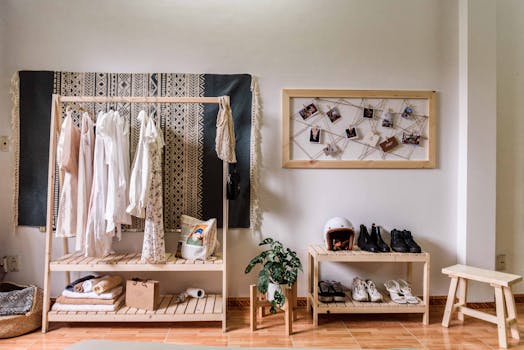
The UK boasts an impressive array of pioneering sustainable fashion brands, each contributing uniquely to the ethical landscape. These brands demonstrate that style, quality, and environmental responsibility can coexist, offering consumers a diverse range of options for building a conscious wardrobe. Let's delve into some of the standout names making a significant impact. One prominent example is People Tree, often considered a pioneer in fair trade and sustainable fashion globally. Founded in 1991, People Tree has consistently championed fair trade practices, ensuring fair wages and safe working conditions for artisans and farmers in developing countries. They use 100% organic cotton, Tencel™ Lyocell, and other eco-friendly materials, and are certified by the World Fair Trade Organization (WFTO). Their collections offer a wide range of women's clothing, from everyday essentials to occasion wear, all with a distinct, conscious aesthetic. Another influential brand is Thought Clothing, formerly Braintree Clothing. Based in London, Thought is renowned for its use of natural, sustainable fibres like organic cotton, bamboo, and hemp. They focus on timeless designs and high-quality construction, encouraging a 'buy less, buy better' philosophy. Thought is committed to ethical manufacturing and transparent supply chains, ensuring their garments are made under fair conditions. Their collections feature comfortable, stylish pieces for both men and women, with distinctive prints and soft textures. Finisterre, a surfwear brand based in Cornwall, stands out for its commitment to sustainability in a challenging niche. They prioritise durable, functional, and repairable clothing designed for life outdoors. Finisterre uses recycled polyester, organic cotton, and innovative natural materials like Merino wool, sourced with strict animal welfare standards. They are also a certified B Corp, signifying their commitment to balancing profit with purpose. Their 'Lived and Loved' repair service further exemplifies their dedication to circularity and extending garment life. For those seeking minimalist elegance, Rixo offers a sustainable capsule collection alongside their main line. While primarily known for their vibrant prints and vintage-inspired dresses, Rixo has begun incorporating more sustainable materials and practices into their production, indicating a growing commitment to ethical considerations within the mainstream fashion market. This demonstrates how even established brands are feeling the pull towards greater responsibility. Another fantastic option is Lucy & Yak, famous for its organic cotton dungarees. This brand has cultivated a loyal following due to its commitment to ethical production, fair wages for its factory workers in India, and the use of GOTS-certified organic cotton. They are incredibly transparent about their supply chain and actively engage with their community on social media, fostering a sense of shared values. Their vibrant, comfortable, and inclusive designs have made them a favourite among younger, ethically-minded consumers. Beyond these, the UK is home to numerous smaller, independent brands specialising in specific sustainable niches. For instance, brands focusing on upcycled clothing, turning textile waste into new garments, or those creating made-to-order pieces to minimise overproduction. The common thread among all these leading brands is a deep-seated commitment to transparency, ethical production, and reducing environmental impact. They are not just selling clothes; they are selling a vision of a more responsible and equitable fashion industry, proving that consumers don't have to compromise on style to make ethical choices.

Navigating the Sustainable Fashion Landscape: Tips for Conscious Consumers

Embarking on a journey into sustainable fashion can sometimes feel overwhelming, but with a few key strategies, you can confidently navigate the landscape and make choices that truly align with your values. Becoming a conscious consumer of sustainable fashion brands UK requires more than just knowing which brands are 'good'; it involves shifting your purchasing habits and mindset. Here are some essential tips to guide you: * **Do Your Research Diligently:** Don't just take a brand's word for it. Look for certifications like GOTS (Global Organic Textile Standard), Fair Trade, B Corp, OEKO-TEX, and PETA-Approved Vegan. These third-party certifications provide independent verification of a brand's ethical and environmental claims. Check their 'About Us' or 'Sustainability' pages for detailed information on their supply chain, materials, and labour practices. Transparency is key; if a brand is vague, that's often a red flag. * **Prioritise Quality Over Quantity:** One of the most impactful ways to be sustainable is to buy fewer, higher-quality items that will last. Fast fashion encourages constant consumption, but sustainable fashion champions longevity. Invest in timeless pieces made from durable materials that you can wear for years, reducing the need for frequent replacements. This often means a higher initial cost, but a lower cost per wear over time. * **Embrace Second-hand and Vintage:** The most sustainable garment is often one that already exists. Explore charity shops, vintage stores, online marketplaces like Vinted or Depop, and even clothing swaps. This not only prevents clothes from going to landfill but also allows you to discover unique pieces and save money. It's a fantastic way to extend the life cycle of clothing. * **Understand Material Choices:** Familiarise yourself with sustainable materials. Organic cotton, linen, hemp, Tencel™ Lyocell, recycled polyester, and innovative bio-based materials are generally better choices. Be wary of conventional cotton, conventional viscose, and virgin polyester, which have significant environmental footprints. A little knowledge about fabrics goes a long way in making informed decisions. * **Support Local and Independent Brands:** Many small, independent sustainable fashion brands UK are incredibly dedicated to ethical practices and often have shorter, more transparent supply chains. By supporting them, you not only get unique, high-quality items but also contribute to local economies and sustainable innovation. * **Care for Your Clothes Properly:** Extend the life of your garments by following care instructions. Wash less frequently, use cold water, air dry when possible, and repair minor damages rather than discarding items. Proper care reduces environmental impact and keeps your clothes looking better for longer. * **Question Your Needs:** Before making a purchase, ask yourself if you truly need the item. Can you make do with something you already own? Will this item integrate well into your existing wardrobe? Mindful consumption is a cornerstone of sustainable living. Avoid impulse purchases and consider the versatility of each potential new item. * **Look for Circularity Initiatives:** Some brands offer repair services, take-back schemes for recycling, or even rental options. These initiatives are part of a circular economy model, aiming to keep materials in use and out of landfills. Supporting brands with these programs helps close the loop on fashion waste. By adopting these practices, you can confidently navigate the ethical fashion landscape, support genuine sustainable fashion brands UK, and contribute to a more responsible and environmentally friendly industry. Every conscious choice makes a difference.

Comparison

FeaturePeople TreeThought ClothingFinisterreLucy & Yak
Ethical CertificationsWFTO, GOTSEthical FactoriesB CorpGOTS, Fair Wages
Primary MaterialsOrganic Cotton, TencelOrganic Cotton, Bamboo, HempRecycled Poly, Organic Cotton, MerinoOrganic Cotton
Product RangeWomen's Apparel, AccessoriesMen's & Women's ApparelOutdoor & Lifestyle ApparelDungarees, Basics
Price PointMid-HighMidMid-HighMid
Supply Chain TransparencyHighHighHighHigh
Circular Initiatives✓ (Repair Service)✗ (Some recycling focus)

What Readers Say

"I've been looking for genuinely sustainable fashion brands UK for ages, and this guide was a lifesaver. I found People Tree through it and their organic cotton dress is not only beautiful but feels incredibly well-made and ethical. Highly recommend!"

Sarah J. · London, UK

"As someone who spends a lot of time outdoors, finding Finisterre listed here was great. Their recycled waterproof jacket is fantastic quality, and knowing it's from a B Corp makes me feel good about my purchase. Finally, ethical outdoor gear!"

Mark D. · Manchester, UK

"Lucy & Yak was a brand I'd heard of, but this article really highlighted their ethical practices. I bought a pair of their organic dungarees, and they are so comfortable and vibrant. It's refreshing to buy from sustainable fashion brands UK that are so transparent."

Emily R. · Bristol, UK

"The guide to sustainable fashion brands UK was very informative. I tried Thought Clothing and while the quality is excellent and the designs are lovely, some pieces are a bit pricier than I'd usually spend. Still, I appreciate the investment in ethical production."

Chloe L. · Edinburgh, UK

"I used to buy fast fashion without thinking, but this article changed my perspective. Now I actively seek out sustainable fashion brands UK, and I've found that the clothes last longer and feel better. My new wardrobe from brands like Thought is a testament to quality over quantity."

David P. · Cardiff, UK

Frequently Asked Questions

What makes a fashion brand truly 'sustainable' in the UK?

A truly sustainable fashion brand in the UK adheres to ethical practices across its entire supply chain. This includes using eco-friendly materials (organic, recycled, renewable), ensuring fair wages and safe working conditions for all labourers, minimising waste and pollution, conserving water and energy, and often operating with a transparent business model. Certifications like GOTS, Fair Trade, and B Corp are strong indicators of genuine commitment.

Are sustainable fashion brands in the UK always more expensive?

While sustainable fashion often has a higher initial price point due to ethical sourcing, fair labour, and quality materials, it's an investment. These garments are designed to last longer, reducing your 'cost per wear' over time. The higher price reflects the true cost of production, without exploiting workers or the environment, ultimately offering better value and reducing overall consumption.

How can I verify a UK brand's sustainability claims?

To verify sustainability claims, look for specific certifications (GOTS, Fair Trade, B Corp), read their 'About Us' or 'Sustainability' pages for detailed information on their supply chain and material sourcing, and check independent ethical directories. Be wary of vague statements or 'greenwashing' without concrete evidence or third-party verification.

What are the best materials to look for in sustainable clothing from UK brands?

Prioritise materials like GOTS-certified organic cotton, linen, hemp, Tencel™ Lyocell, recycled polyester (made from plastic bottles), recycled cotton, and innovative bio-based fibres. These materials have a significantly lower environmental impact compared to conventional cotton, virgin polyester, or conventional viscose. Many UK brands are transparent about their fabric choices.

How do sustainable fashion brands UK contribute to the circular economy?

Many sustainable fashion brands in the UK contribute to the circular economy by designing for durability and longevity, offering repair services, using recycled materials, and sometimes implementing take-back schemes for old garments. Their goal is to keep resources in use for as long as possible, reducing waste and the need for new raw materials, thereby closing the loop on textile consumption.

Who should consider buying from sustainable fashion brands UK?

Anyone concerned about the environmental and social impact of their clothing choices should consider buying from sustainable fashion brands UK. This includes individuals who want to support ethical labour practices, reduce their carbon footprint, minimise textile waste, and invest in high-quality, long-lasting garments that align with their values for a more responsible lifestyle.

Is it safe to trust small, independent sustainable fashion brands in the UK?

Many small, independent sustainable fashion brands in the UK are highly trustworthy and often have very transparent practices due to their smaller scale. They frequently have direct relationships with their suppliers and artisans. However, always apply the same verification steps: look for clarity on materials, production, and ethics. Their passion often translates into genuine commitment.

What is the future outlook for sustainable fashion brands in the UK?

The future outlook for sustainable fashion brands in the UK is very positive, driven by increasing consumer demand, technological advancements in material science, and growing regulatory pressure. We can expect more innovation in circularity, bio-materials, and supply chain transparency, with a greater emphasis on local production and repair services, making ethical choices more accessible than ever.

Ready to transform your wardrobe with purpose? Explore the incredible range of sustainable fashion brands UK and make choices that reflect your values. Every purchase is a step towards a more ethical and eco-conscious future for fashion.

Topics: sustainable fashion brands UKethical clothing UKeco-friendly fashion UKslow fashion UKresponsible fashion UK
Leo List

DK Escorts LU Escorts AT Escorts SE Escorts FI Escorts CH Escorts DE Escorts HR Escorts IE Escorts GR Escorts CZ Escorts NO Escorts BE Escorts FR Escorts SI Escorts IL Escorts NL Escorts PL Escorts HU Escorts ES Escorts IT Escorts PT Escorts SK Escorts RO Escorts ZA Escorts UY Escorts US Escorts UK Escorts NZ Escorts AU Escorts
Brampton weed
Adultwork EstrelaBet Vai de Bet R7 Bet Betão Galera Bet Rainbet Bet9ja Shop SportyBet BetKing Sisal Loto Foot Hollywoodbets YesPlay Odibets RushBet Jugabet BetWarrior BetCity MSport betPawa Fortebet