Top Sustainable Fashion Brands UK: Ethical & Stylish
sustainable fashion brands UK

Top Sustainable Fashion Brands UK: Ethical & Stylish

Explore a curated selection of UK-based brands committed to ethical practices and environmental responsibility.

Find Your Style

Key Takeaways

  • ✓ The fashion industry is responsible for 10% of global carbon emissions.
  • ✓ Fast fashion's linear model (take-make-dispose) is highly unsustainable.
  • ✓ Sustainable brands often prioritise fair wages, safe working conditions, and reduced environmental impact.
  • ✓ Choosing sustainable fashion supports circular economy principles and longevity over disposability.

How It Works

1
Identify Your Values

Determine what aspects of sustainability matter most to you, such as ethical labour, organic materials, or circular design. This helps narrow down your choices.

2
Research Brands

Look for brands that transparently share their supply chain, certifications, and sustainability initiatives. Websites like Good On You can be helpful resources.

3
Invest in Quality

Prioritise durable, well-made pieces that will last for years, reducing the need for frequent replacements. This aligns with the 'buy less, choose well' philosophy.

4
Support Local & Ethical

Opt for UK-based sustainable brands to reduce transport emissions and support local economies committed to ethical production. This strengthens the conscious fashion movement.

Understanding the Urgency: Why Sustainable Fashion Matters
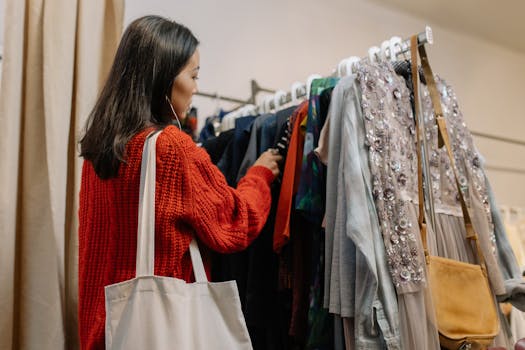
A woman browses a clothing rack in a cozy thrift shop, selecting garments. Photo: cottonbro studio / Pexels
The global fashion industry is a behemoth, contributing significantly to environmental degradation and social inequality. From resource-intensive raw material extraction to polluting manufacturing processes and vast amounts of textile waste, its impact is undeniable. The rise of 'fast fashion' has exacerbated these issues, promoting a culture of disposability where garments are bought cheaply, worn a few times, and then discarded, often ending up in landfills. This linear model is inherently unsustainable, consuming finite resources and generating immense pollution. Consider the environmental footprint: cotton farming, for instance, can be incredibly water-intensive and reliant on pesticides, while synthetic fibres like polyester are derived from fossil fuels and shed microplastics into our oceans with every wash. Dyeing processes often release toxic chemicals into waterways, harming ecosystems and human health. Beyond environmental concerns, the human cost is staggering. Many garment workers, predominantly women in developing countries, endure exploitative conditions, long hours, and poverty wages, often in unsafe factories. This stark reality underscores the urgent need for a paradigm shift in how we produce and consume clothing. Sustainable fashion emerges as a beacon of hope, advocating for practices that respect both people and the planet. It challenges the status quo by prioritising ethical production, environmental stewardship, and circularity. This includes using organic or recycled materials, implementing closed-loop manufacturing systems, ensuring fair wages and safe working environments, and designing for longevity and recyclability. For consumers in the UK, embracing sustainable fashion means making conscious choices that align with their values, supporting brands that are actively working to mitigate their negative impact. It's about investing in quality over quantity, understanding the true cost of clothing, and demanding greater transparency from the brands we patronise. By doing so, we contribute to a more equitable and eco-friendly future for the entire fashion ecosystem. The transition to sustainable practices isn't just a trend; it's a necessity for the long-term health of our planet and its inhabitants. Discover more about conscious consumption.

Spotlight on Leading Sustainable Fashion Brands UK
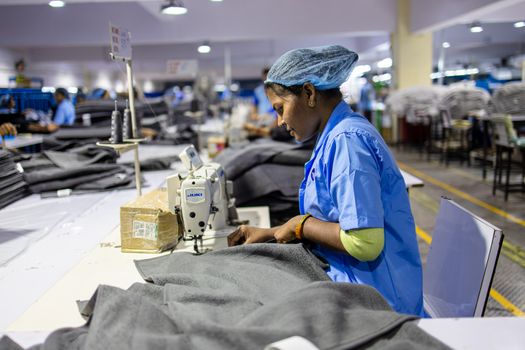
Female worker sewing in a busy textile factory, highlighting industrial skill. Photo: EqualStock IN / Pexels
The UK boasts a vibrant and growing landscape of sustainable fashion brands, each committed to redefining style with ethical integrity. These pioneering companies are demonstrating that fashion can be both beautiful and responsible, offering consumers alternatives to the damaging fast fashion model. Take, for instance, brands like People Tree, often considered a pioneer in fair trade fashion. They were one of the first to be certified by the World Fair Trade Organization (WFTO) and continue to set high standards for ethical production, using organic cotton and hand-crafted techniques while ensuring fair wages and empowering artisans. Another notable player is Finisterre, a B Corp certified brand rooted in surf culture, which focuses on durability, repairability, and sustainable materials like recycled polyester and merino wool. They are known for their commitment to innovation in sustainable performance wear. Rapanui, based on the Isle of Wight, is making waves with its circular economy model. They use GOTS-certified organic cotton, power their factories with renewable energy, and offer a 'remill' service where old clothes can be returned and recycled into new ones. Their transparency is commendable, allowing customers to trace the journey of their garments. Birdsong, a London-based brand, focuses on ethical production by working with women's groups and charities in the UK, ensuring fair wages and empowering local communities. They create timeless pieces, reducing the need for constant new collections and promoting a 'buy less, buy better' philosophy. Thought Clothing, another prominent UK brand, champions natural and sustainable fibres such as bamboo, organic cotton, and hemp, creating comfortable and stylish everyday wear with a strong emphasis on sustainability throughout their supply chain. Their commitment extends to packaging and a desire to educate consumers on how to care for their clothes to extend their lifespan. These brands, among others, are not just selling clothes; they are selling a vision for a better future, proving that style doesn't have to come at the expense of ethics or the environment. They are setting benchmarks for transparency, material innovation, and social responsibility, making it easier for UK consumers to make informed and impactful purchasing decisions. Each brand has its unique approach, but they all share a common thread: a deep commitment to positive change within the fashion industry.

Navigating Your Choices: What to Look for in Ethical Clothing
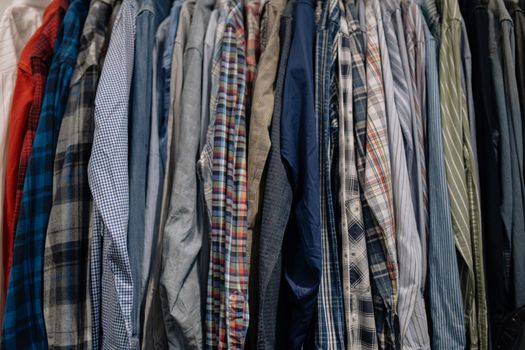
Assorted patterned shirts neatly arranged on a clothes rack. Photo: cottonbro studio / Pexels
Making the switch to sustainable fashion can feel overwhelming, given the multitude of claims and certifications. However, armed with the right knowledge, you can confidently navigate the market and identify truly ethical brands. The first crucial aspect to consider is materials. Prioritise natural, organic, or recycled fibres. Organic cotton, linen, hemp, and Tencel (lyocell) are excellent choices as they require less water and fewer pesticides than conventional cotton, or are derived from sustainably managed forests. Recycled materials, such as recycled polyester (RPET) made from plastic bottles or recycled cotton, help divert waste from landfills and reduce the demand for virgin resources. Avoid conventional synthetic fibres where possible, or look for brands that are actively addressing microplastic shedding. Next, delve into the brand's supply chain transparency. A truly sustainable brand will be open about where their materials come from, where their clothes are manufactured, and the conditions of their workers. Look for information on their website about their factories, audits, and social responsibility initiatives. Certifications can be incredibly helpful indicators. The Global Organic Textile Standard (GOTS) is a leading standard for organic fibres, ensuring environmental and social criteria are met throughout the entire supply chain. Fair Trade certification guarantees fair wages, safe working conditions, and community development. B Corp certification signifies a company meets high standards of verified performance, accountability, and transparency on factors from employee benefits and charitable giving to supply chain practices and input materials. Other certifications like OEKO-TEX Standard 100 ensure textiles are free from harmful substances. Longevity and timeless design are also key components of sustainability. Fast fashion encourages transient trends, leading to frequent discarding. Sustainable brands often focus on creating durable, classic pieces that can be worn for years, reducing the overall consumption cycle. Consider the brand's commitment to circularity – do they offer repair services, take-back programmes, or design for recyclability? Finally, evaluate the brand's overall ethos. Do they prioritise people over profit? Are they genuinely committed to reducing their environmental footprint, or is it just 'greenwashing'? Look for consistency in their messaging and actions. By focusing on these elements – materials, transparency, certifications, longevity, and ethos – you can make informed decisions that support genuine sustainable fashion brands and contribute to a more responsible industry. Explore ethical sourcing practices in detail.

Practical Tips for Building a Sustainable Wardrobe in the UK
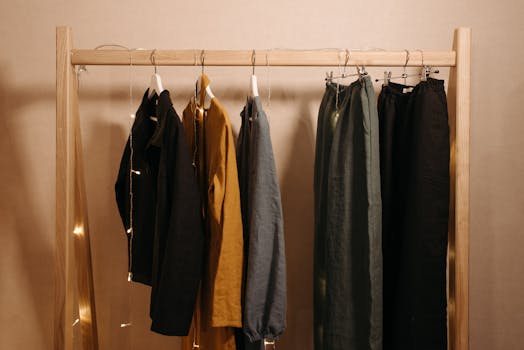
Natural fabric clothes hanging on a wooden rack in a minimalist style, enhanced with fairy lights for warmth. Photo: Pavel Danilyuk / Pexels
Transitioning to a sustainable wardrobe doesn't mean overhauling everything overnight; it's a journey of conscious choices and mindful consumption. Here are some practical tips to help you build a more ethical and eco-friendly closet: * **Audit Your Existing Wardrobe:** Before buying anything new, take stock of what you already own. Identify gaps, rediscover forgotten gems, and understand your personal style. This prevents impulse purchases and helps you make intentional additions. * **Embrace the '30 Wears' Rule:** For every new item you consider buying, ask yourself if you'll wear it at least 30 times. This simple rule encourages mindful purchasing and helps you invest in versatile, durable pieces. * **Prioritise Quality Over Quantity:** Sustainable fashion is an investment. High-quality garments made from ethical materials will last longer, saving you money in the long run and reducing waste. Think 'buy less, choose well, make it last.' * **Explore Second-Hand Options:** The most sustainable garment is often one that already exists. UK charity shops, vintage stores, online marketplaces like Vinted or Depop, and even clothes swaps are fantastic resources for unique and affordable pieces. This extends the life cycle of clothing and reduces demand for new production. * **Support Local and Independent Brands:** Look for smaller, independent UK brands that often have greater transparency and a more direct connection to their production processes. Many are pioneers in sustainable practices. * **Learn Basic Mending Skills:** A small tear or loose button doesn't have to mean discarding a garment. Learning to sew on a button, patch a hole, or hem trousers can significantly extend the life of your clothes. * **Care for Your Clothes Properly:** Follow washing instructions, wash at lower temperatures, and air dry when possible. This reduces energy consumption, prolongs garment life, and minimises microplastic shedding from synthetics. * **Rent or Borrow for Special Occasions:** For events where you need a specific outfit, consider renting from services like Hurr Collective or My Wardrobe HQ. This is a cost-effective and sustainable alternative to buying something you'll wear only once. * **Educate Yourself:** Stay informed about sustainable fashion practices, new materials, and ethical brands. The more you know, the better choices you can make. * **Donate or Recycle Responsibly:** When a garment truly reaches the end of its life, ensure it's donated to a legitimate charity or recycled appropriately, rather than sending it to landfill. Many brands offer textile recycling programmes. By integrating these habits, you can gradually transform your wardrobe into a collection that reflects your values and contributes positively to the planet and its people.

Comparison

FeaturePeople TreeFinisterreRapanui
Core FocusFair Trade & OrganicPerformance & DurabilityCircular Economy
Key MaterialsOrganic Cotton, TencelRecycled Poly, MerinoOrganic Cotton
CertificationsWFTO, GOTSB CorpGOTS, Remill
Price PointMid-RangeMid-HighMid-Range
UK ManufacturingPartial (design)Partial (design & some knitwear)Yes (Isle of Wight)

What Readers Say

"I've been searching for genuinely sustainable fashion brands in the UK, and this article perfectly highlighted some incredible options. My first purchase from Thought Clothing has been fantastic; the quality is superb and I feel good knowing it's ethically made."

Sarah J. · Bristol, England

"Finisterre is my go-to for outdoor wear, and it's great to see them recognised here. Their commitment to durability and recycled materials is evident in every piece. Definitely a brand that walks the talk for sustainable fashion brands UK."

Mark D. · Edinburgh, Scotland

"After reading about Rapanui's circular model, I decided to try their T-shirts. Not only are they incredibly soft and well-fitting, but the idea of returning them for recycling is revolutionary. It's truly inspiring to see such innovation from sustainable fashion brands UK."

Eleanor P. · Manchester, England

"While some sustainable brands can be a bit pricier, the investment in quality and ethics is worth it. This guide helped me discover People Tree, and their organic cotton pieces are lovely, though I wish there were more menswear options."

Liam T. · Cardiff, Wales

"I've been trying to make my wardrobe more sustainable, and this article provided such clear, actionable advice. The tips for auditing my closet and embracing second-hand have been invaluable. Thank you for guiding me to better sustainable fashion brands UK."

Chloe S. · London, England

Frequently Asked Questions

What makes a fashion brand truly sustainable in the UK?

A truly sustainable fashion brand in the UK prioritises ethical labour practices, environmental stewardship throughout its supply chain, and circularity. This includes using organic, recycled, or upcycled materials, ensuring fair wages and safe working conditions for all employees, minimising waste, reducing carbon footprint, and often designing for longevity or recyclability. Transparency about their processes and impact is also a key indicator.

Are sustainable fashion brands in the UK more expensive?

Sustainable fashion often comes with a higher upfront cost due to fair wages, quality materials, and ethical production processes, which are typically more expensive than fast fashion's exploitative models. However, these garments are designed to last, reducing the need for frequent replacements. Viewing it as an investment in quality and ethics, rather than a disposable item, often provides better long-term value and reduces overall consumption.

How can I verify a UK brand's sustainability claims?

To verify a UK brand's sustainability claims, look for third-party certifications like GOTS (Global Organic Textile Standard), Fair Trade, or B Corp. Check their website for detailed information on their supply chain, material sourcing, and labour practices. Transparency is crucial; brands that genuinely commit to sustainability will openly share this information. Be wary of vague 'green' claims without concrete evidence or certifications (greenwashing).

What are the best sustainable materials to look for in clothing?

The best sustainable materials include organic cotton, hemp, linen, Tencel (lyocell), and recycled fabrics like recycled polyester (RPET) or recycled cotton. These materials have a lower environmental impact compared to conventional alternatives, requiring less water, fewer pesticides, or diverting waste from landfills. Look for certifications that confirm their sustainable origins and processing.

How do sustainable fashion brands in the UK contribute to the circular economy?

Sustainable fashion brands in the UK contribute to the circular economy by designing products for durability and recyclability, offering repair services, and implementing take-back programmes where old garments can be returned and repurposed or recycled into new items. This model aims to keep resources in use for as long as possible, eliminating waste and pollution, and regenerating natural systems, in stark contrast to the linear 'take-make-dispose' model.

Who should consider buying from sustainable fashion brands UK?

Anyone concerned about the environmental and social impact of their clothing choices should consider buying from sustainable fashion brands in the UK. This includes individuals who prioritise ethical labour, want to reduce their carbon footprint, avoid harmful chemicals, and invest in quality garments that last. It's for conscious consumers who wish to align their purchasing power with their values.

Is it safe to buy second-hand clothing as part of a sustainable wardrobe?

Yes, buying second-hand clothing is one of the most impactful ways to build a sustainable wardrobe and is generally very safe. It extends the life of garments, reduces demand for new production, and keeps textiles out of landfills. Always inspect items for condition before purchase, and wash them thoroughly before wearing, just as you would with any new clothing. Many platforms and charities ensure quality checks.

What is the future outlook for sustainable fashion brands in the UK?

The future outlook for sustainable fashion brands in the UK is very positive, with growing consumer awareness and demand driving innovation. We can expect to see further advancements in material science (e.g., bio-based textiles, lab-grown fibres), increased adoption of circular business models, greater supply chain transparency through technology, and stronger regulatory frameworks. The industry is moving towards a more responsible and regenerative future.

Embrace a more conscious approach to your wardrobe today. By choosing from the growing number of exceptional sustainable fashion brands UK, you're not just buying clothes; you're investing in a better future for our planet and its people. Start your journey towards ethical and stylish fashion now.

Topics: sustainable fashion brands UKethical fashion UKeco-friendly clothing UKconscious fashion UK
Leo List
Brampton weed
Adultwork