✓ Many UK brands are leading the way in innovation, from recycling textiles to using organic fabrics.
✓ Choosing sustainable fashion reduces environmental impact and supports fair working conditions globally.
How It Works
1
Identify Your Values
Determine what aspects of sustainability are most important to you: fair trade, organic materials, circularity, or local production. This helps narrow your search.
2
Research UK Brands
Explore our curated list and other resources to find UK-based brands that explicitly state their sustainable practices and certifications. Look for transparency.
3
Check Certifications & Materials
Verify claims by looking for reputable certifications (e.g., GOTS, Fair Trade, B Corp) and research the sustainability of their chosen materials. Understand the lifecycle of the garment.
4
Make Informed Purchases
Invest in high-quality, long-lasting pieces from brands committed to ethical production. Consider second-hand options and repair services to extend garment life.
The Rise of Ethical Clothing in the UK
Photo: Joaquin Reyes Ramos / Pexels
The landscape of fashion in the United Kingdom has undergone a significant transformation in recent years, propelled by a growing awareness among consumers regarding the environmental and social costs of fast fashion. This shift has given rise to a vibrant and innovative sector dedicated to ethical clothing. No longer a niche concern, sustainable fashion brands UK are now at the forefront of a movement that prioritises planet and people over fleeting trends and unsustainable production cycles. Consumers are increasingly asking tougher questions about where their clothes come from, who made them, and what impact their purchase has on the world. This demand for transparency and responsibility has spurred many British designers and businesses to adopt more sustainable practices, from sourcing organic cotton and recycled materials to ensuring fair wages and safe working conditions for their garment workers. The concept of 'sustainability' in fashion is multifaceted. It’s not just about using eco-friendly fabrics; it encompasses the entire lifecycle of a garment, from design and production to distribution, use, and disposal. For a brand to truly be considered sustainable, it must address issues such as water usage, chemical pollution, carbon emissions, waste generation, and labour ethics. This holistic approach is what defines the leading sustainable fashion brands UK. They are not merely offering an alternative; they are actively redefining what fashion can and should be. These brands understand that true style should not come at the expense of human rights or ecological health. They are investing in research and development to find innovative solutions, such as closed-loop production systems where materials are recycled and reused indefinitely, or utilising natural dyes that minimise chemical runoff. Furthermore, many UK brands are embracing circular economy principles, designing clothes that are durable, repairable, and ultimately recyclable, thereby reducing the amount of textile waste sent to landfill. This focus on longevity and resource efficiency stands in stark contrast to the disposable nature of fast fashion. The ethical clothing movement in the UK is also deeply intertwined with local economies and communities. Many brands champion local manufacturing, reducing transportation emissions and supporting skilled artisans within the country. This commitment to local production not only lowers the carbon footprint but also allows for greater oversight of working conditions and quality control. As consumers become more educated and discerning, the market for ethical clothing continues to expand, proving that style, ethics, and sustainability can indeed coexist beautifully. This section serves as an introduction to the exciting world of sustainable fashion in the UK, highlighting the critical importance of conscious consumer choices in shaping a more responsible industry. For those looking to dive deeper into the broader impact of their choices, understanding the true cost of fast fashion is an essential step towards becoming a more informed consumer.
Spotlight on Leading Sustainable Fashion Brands UK
Photo: SHOX ART / Pexels
The UK boasts an impressive array of pioneering sustainable fashion brands, each contributing uniquely to the ethical movement. These brands are not just selling clothes; they are selling a philosophy, a commitment to a better future for both people and the planet. Let's delve into some of the prominent players that exemplify what it means to be a truly sustainable fashion brand in the UK.
One such trailblazer is **People Tree**, often cited as a pioneer in fair trade and sustainable fashion. Established over three decades ago, People Tree has consistently championed fair trade practices, ensuring artisans and farmers in developing countries receive fair wages and work in safe conditions. Their collections feature organic cotton, Tencel, and hand-woven fabrics, all produced with a deep respect for the environment and traditional craftsmanship. They demonstrate that stylish, contemporary designs can be created without compromise on ethical principles. Their transparency in their supply chain is a benchmark for other brands.
Another significant name is **Thought Clothing**, formerly known as Braintree Clothing. This brand has built its reputation on using natural and sustainable fabrics like bamboo, hemp, organic cotton, and recycled polyester. Thought is committed to ethical sourcing and manufacturing, working with factories that adhere to strict ethical codes. Their designs are known for their comfort, versatility, and timeless appeal, encouraging consumers to buy less and choose well. They offer a comprehensive range for men and women, proving that sustainable fashion can be both accessible and fashionable for everyday wear.
For those seeking contemporary and stylish pieces, **Finisterre** stands out. Rooted in surfing and the outdoors, Finisterre designs functional and durable clothing built to last. Their commitment to sustainability is evident in their innovative use of recycled materials, organic cotton, and responsible wool standards. They also offer repair services, actively promoting a circular economy and encouraging customers to extend the life of their garments. Finisterre's dedication to product longevity and environmental stewardship resonates strongly with conscious consumers who value performance and sustainability.
**Lucy & Yak** has rapidly gained popularity for its vibrant, comfortable, and ethically produced dungarees and other apparel. This brand is a fantastic example of how a relatively new company can build its entire ethos around sustainability and fairness. They are transparent about their factories in India, ensuring fair wages and good working conditions, and they use organic cotton and recycled materials extensively. Their commitment to inclusivity and body positivity further enhances their appeal, making sustainable fashion feel joyful and accessible.
Finally, **Rixo**, while known for its luxurious and often pricier pieces, is making strides in sustainability by focusing on quality, timeless designs, and responsible production. Their emphasis on creating pieces that can be worn for years, rather than seasons, combats the fast fashion cycle. They are increasingly exploring sustainable fabric options and improving transparency in their supply chain, demonstrating that even high-end fashion can evolve towards greater responsibility. These brands represent just a fraction of the innovative and dedicated sustainable fashion brands UK, each playing a crucial role in shaping a more ethical and environmentally sound future for the industry. They offer diverse styles and price points, making it easier than ever for consumers to align their wardrobes with their values. Their success proves that sustainable fashion is not a compromise but an enhancement of personal style and global responsibility.
Navigating Certifications and Greenwashing in Sustainable Fashion
Photo: MART PRODUCTION / Pexels
As the demand for ethical clothing grows, so too does the complexity of navigating the market. Consumers are increasingly faced with a barrage of claims, labels, and certifications, making it challenging to distinguish genuinely sustainable fashion brands UK from those engaging in 'greenwashing' – the practice of making unsubstantiated or misleading claims about environmental friendliness. Understanding key certifications and knowing what to look for is crucial for making informed choices.
One of the most robust and widely recognised certifications is the **Global Organic Textile Standard (GOTS)**. This standard ensures the organic status of textiles from harvesting of the raw materials through environmentally and socially responsible manufacturing and labelling. If a garment carries the GOTS label, you can be confident that it meets stringent criteria for organic content, chemical use, water treatment, and fair labour practices. It’s a comprehensive guarantee for organic fibres.
Another vital certification, particularly concerning social ethics, is **Fair Trade Certified**. This label ensures that products are produced according to rigorous social, environmental, and economic standards. For fashion, this often means fair wages, safe working conditions, community development funds, and environmental protection. Many sustainable fashion brands UK proudly display this certification, particularly for items sourced from developing countries.
For wool products, the **Responsible Wool Standard (RWS)** is an excellent indicator. RWS addresses the welfare of sheep and the land they graze on, ensuring that wool comes from farms that manage their land progressively, practice holistic respect for animal welfare, and have a robust social welfare system. This is crucial for consumers concerned about animal ethics in fashion.
Beyond specific material certifications, the **B Corp Certification** is a holistic assessment of a company's entire social and environmental performance, transparency, and accountability. A B Corp certified business has met the highest standards of verified performance, encompassing employee benefits, charitable giving, supply chain practices, and input materials. Seeing a B Corp logo on a sustainable fashion brand UK signifies a deep, company-wide commitment to positive impact.
When encountering claims without clear certifications, exercising caution is advisable. Terms like 'eco-friendly', 'green', or 'natural' can be vague and lack verifiable standards. Always look for specific details: what percentage of recycled content? Which specific chemicals are avoided? What are the labour practices in their factories? Reputable sustainable brands will be transparent about their supply chains and offer detailed information on their websites.
Greenwashing often involves highlighting one small sustainable aspect of a product while overlooking larger unsustainable practices. For example, a brand might promote using 'recycled polyester' but produce thousands of garments with short lifespans, contributing to overall waste. True sustainable fashion brands UK commit to sustainability across their entire operations, from design to end-of-life. By familiarising yourself with these key certifications and maintaining a healthy scepticism towards vague claims, you can confidently navigate the sustainable fashion market and support businesses that are genuinely making a positive difference. For a broader understanding of ethical consumption, exploring resources on conscious consumerism can further empower your shopping choices.
Practical Tips for Building a Sustainable UK Wardrobe
Photo: Ron Lach / Pexels
Transitioning to a sustainable wardrobe doesn't have to be an overnight overhaul; it's a journey of conscious choices and thoughtful consumption. Here are practical tips to help you build a sustainable wardrobe, focusing on the resources and opportunities available through sustainable fashion brands UK and beyond.
* **Embrace the 'Buy Less, Choose Well, Make it Last' Mantra:** This is the cornerstone of sustainable fashion. Instead of chasing fleeting trends, invest in high-quality, timeless pieces that you truly love and that will stand the test of time. Sustainable fashion brands UK often design with longevity in mind, using durable materials and classic styles. Consider the cost-per-wear rather than just the initial price.
* **Prioritise Quality Over Quantity:** Fast fashion thrives on cheap, disposable garments. By contrast, sustainable fashion focuses on well-made items. Look for robust stitching, quality fabric compositions (e.g., organic cotton, linen, hemp, Tencel, recycled materials), and thoughtful construction. These pieces will last longer, reducing the need for frequent replacements and ultimately saving you money in the long run.
* **Explore Second-Hand and Vintage:** The most sustainable garment is often one that already exists. The UK has a thriving second-hand market, from charity shops and vintage boutiques to online platforms like Depop, Vinted, and eBay. This is an excellent way to discover unique pieces, reduce waste, and give clothes a second life. Many sustainable fashion brands UK also have their own resale or repair programs.
* **Learn Basic Mending and Repair:** A small tear or a loose button doesn't have to spell the end for a garment. Learning basic mending skills can significantly extend the life of your clothes. Many brands now offer repair services, or you can find local tailors and alteration specialists. This practice directly combats the throwaway culture of fast fashion.
* **Care for Your Clothes Properly:** The way you wash, dry, and store your clothes has a significant impact on their lifespan and environmental footprint. Wash less frequently, use cold water, air dry whenever possible, and follow care labels. This not only saves energy but also preserves the fabric and shape of your garments, ensuring they look good for longer.
* **Support Sustainable Fashion Brands UK:** Actively seek out and support the ethical brands mentioned in this guide and others committed to transparency and sustainability. Your purchasing power is a vote for the kind of industry you want to see. Look for their sustainability reports, certifications, and clear communication about their practices.
* **Rent or Borrow for Special Occasions:** For events or items you'll only wear once or twice, consider renting from services like By Rotation or Hurr Collective. This is a brilliant way to enjoy high-end fashion without the environmental impact of ownership.
* **Understand Material Impact:** Research the environmental footprint of different fabrics. While organic cotton is better than conventional, materials like hemp and linen often require even less water and pesticides. Recycled materials (e.g., recycled polyester, recycled cotton) divert waste from landfills. Avoid virgin synthetic fibres where possible, or choose brands that are addressing microplastic shedding.
By adopting these practical tips, you can steadily build a wardrobe that reflects your values, supports ethical practices, and contributes positively to the environment. It's about mindful consumption and appreciating the true value of your clothing.
Comparison
Feature
People Tree
Thought Clothing
Finisterre
Lucy & Yak
Key Focus
Fair Trade, Organic
Natural Fabrics, Ethical
Outdoor, Durability
Organic, Ethical, Fun
Main Materials
Organic Cotton, Tencel
Bamboo, Hemp, Organic Cotton
Recycled, Organic, Responsible Wool
Organic Cotton, Recycled
Certifications
Fair Trade, GOTS
GOTS, Ethical Trade
B Corp (partial), RWS
GOTS, Ethical Sourcing
Price Range
Mid-High
Mid
Mid-High
Mid
Repair Service
✗
✗
✓
✗
Style
Classic, Bohemian
Casual, Everyday
Functional, Outdoor
Playful, Casual
What Readers Say
★★★★★
"I've been shopping with People Tree for years, and their commitment to fair trade is truly inspiring. The quality of their organic cotton dresses is exceptional, and I love knowing my purchase supports artisans. It's refreshing to find sustainable fashion brands UK that genuinely care."
Eleanor V. · Bristol, UK
★★★★★
"Finisterre's commitment to durability and repair service for their outdoor gear is a game-changer. I bought a jacket from them three years ago, and it still looks brand new. It's worth investing in sustainable fashion brands UK that stand behind their products."
James K. · Edinburgh, UK
★★★★★
"Lucy & Yak has completely transformed my casual wardrobe. Their organic cotton dungarees are not only incredibly comfortable and stylish but also ethically made. It's great to support sustainable fashion brands UK that are transparent about their supply chain."
Chloe P. · Manchester, UK
★★★★★
"Thought Clothing offers fantastic everyday wear using natural fabrics. While their ethical stance is clear, I sometimes wish for a broader range of bolder designs. Still, a solid choice among sustainable fashion brands UK for reliable, comfortable pieces."
David R. · London, UK
★★★★★
"As someone passionate about reducing my environmental footprint, discovering sustainable fashion brands UK like these has been incredible. My wardrobe is now full of beautiful, long-lasting pieces that align with my values, making getting dressed a joy."
Sarah L. · Cardiff, UK
Frequently Asked Questions
What defines a 'sustainable fashion brand' in the UK?
A sustainable fashion brand in the UK typically prioritises ethical labour practices (fair wages, safe conditions), environmentally friendly materials (organic, recycled, low-impact), reduced waste, and a circular approach to production. They often offer transparency about their supply chain and environmental impact, going beyond mere claims.
Are sustainable fashion brands in the UK more expensive?
Initially, pieces from sustainable fashion brands UK might have a higher upfront cost due to ethical production, quality materials, and fair wages. However, they are designed for longevity, meaning you buy less frequently. This often results in a lower cost-per-wear over time compared to frequently replacing fast fashion items.
How can I verify a UK brand's sustainability claims?
Look for reputable third-party certifications like GOTS (Global Organic Textile Standard), Fair Trade, B Corp, and the Responsible Wool Standard (RWS). Check their website for detailed sustainability reports, supply chain transparency, and information on their manufacturing partners. Vague claims without supporting evidence are a red flag.
What are the most common sustainable materials used by UK brands?
Leading sustainable fashion brands UK frequently use organic cotton, hemp, linen, Tencel (lyocell), recycled polyester, recycled cotton, and innovative materials like Piñatex (pineapple leaf fibre). They often avoid conventional cotton and virgin synthetics due to their high environmental impact.
How do sustainable fashion brands UK contribute to the circular economy?
Many UK sustainable brands contribute to the circular economy by designing for durability, offering repair services, taking back old garments for recycling, using recycled materials in new products, and promoting rental or resale models. The goal is to keep resources in use for as long as possible and eliminate waste.
Who should consider buying from sustainable fashion brands UK?
Anyone concerned about the environmental and social impact of their clothing choices should consider buying from sustainable fashion brands UK. This includes individuals who value fair labour, environmental protection, quality over quantity, and want to support businesses committed to responsible practices.
Are there any risks associated with buying from new or lesser-known sustainable brands?
While many new brands are genuinely committed, the risk lies in potential greenwashing or lack of transparency. Always research their claims, look for evidence of ethical practices, read reviews, and check for certifications. Start with well-established brands if you're unsure, then explore newer ones as you gain confidence in vetting their sustainability.
What is the future trend for sustainable fashion brands in the UK?
The future for sustainable fashion brands UK points towards increased innovation in materials (e.g., bio-based textiles, lab-grown fibres), greater transparency through blockchain technology, widespread adoption of circular business models (repair, resale, rental), and a stronger focus on localised production to reduce carbon footprint and support local economies.
Embrace a wardrobe that reflects your values. Explore the diverse and innovative world of sustainable fashion brands UK today and make a positive impact with every conscious choice.
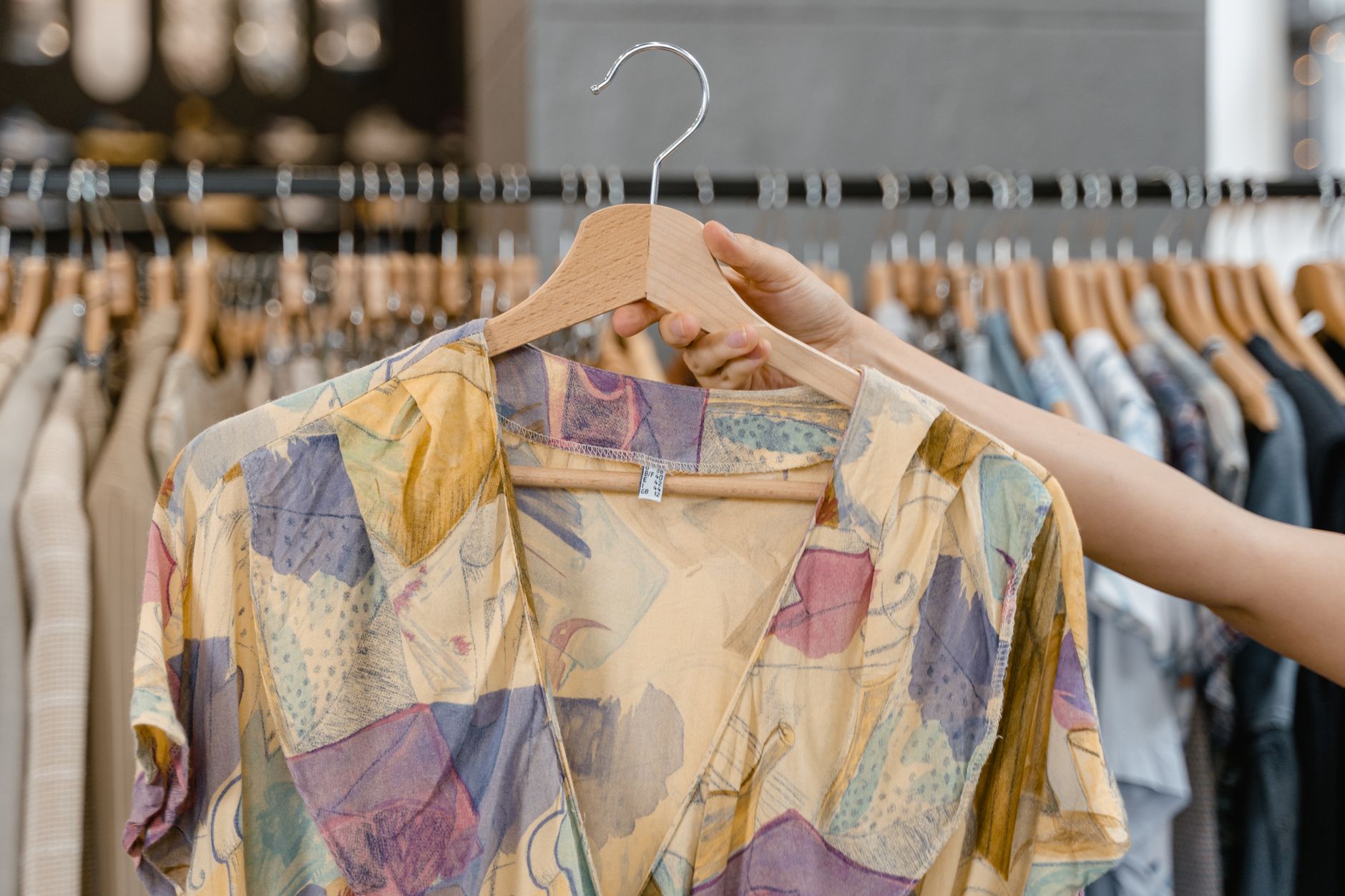
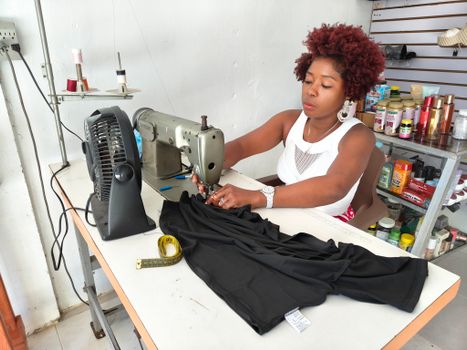 Photo: Joaquin Reyes Ramos / Pexels
 Photo: SHOX ART / Pexels
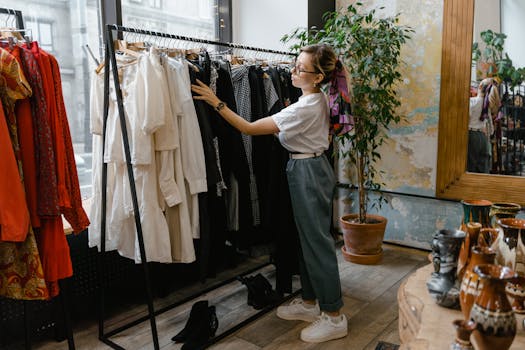 Photo: MART PRODUCTION / Pexels
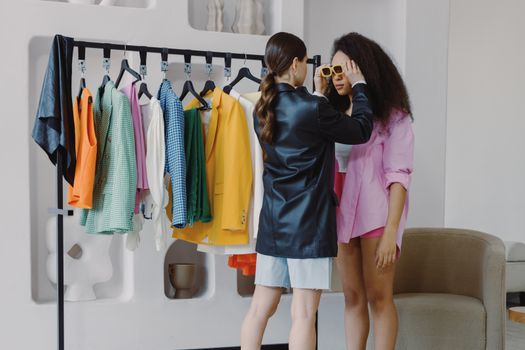 Photo: Ron Lach / Pexels