✓ Over 8 million tonnes of plastic enter oceans annually, impacting marine life.
✓ Recycled nylon (ECONYL) and recycled polyester are common sustainable swimwear materials.
✓ Many eco-friendly brands also focus on ethical labour practices and fair wages.
✓ Choosing sustainable swimwear reduces your fashion footprint and supports responsible businesses.
How It Works
1
Material Innovation
Brands source innovative materials like recycled plastic bottles, fishing nets, or plant-based fabrics. These materials significantly reduce waste and demand for virgin resources.
2
Ethical Production
Focus shifts to fair labour, safe working conditions, and transparent supply chains. This ensures people behind the product are treated justly, aligning with broader sustainability goals.
3
Design & Durability
Garments are designed for longevity, encouraging fewer purchases and reducing textile waste. High-quality construction means your swimwear lasts season after season.
4
Eco-Conscious Packaging
Packaging is often minimal, recyclable, or compostable, reducing environmental impact post-purchase. This holistic approach ensures sustainability from creation to delivery.
The Rise of Sustainable Swimwear in the UK Fashion Scene
Photo: Ron Lach / Pexels
The global fashion industry is undergoing a significant transformation, with a growing emphasis on sustainability. This shift is particularly evident in the swimwear sector, where the environmental impact of traditional production methods is increasingly scrutinised. For years, swimwear has predominantly relied on synthetic materials like nylon and polyester, derived from petroleum – a finite resource whose extraction and processing contribute to greenhouse gas emissions. Moreover, the 'fast fashion' model has led to an abundance of low-quality, disposable garments that quickly end up in landfills, taking hundreds of years to decompose. The UK, a nation with a rich coastline and a strong appreciation for beach holidays, is at the forefront of this sustainable revolution. Consumers are becoming more discerning, actively seeking out brands that align with their values, not just their style preferences. This heightened awareness has fuelled the growth of eco-friendly swimwear brands across the country, offering stylish alternatives that don't cost the Earth. These pioneering brands are redefining what it means to be fashionable, proving that sustainability doesn't mean compromising on design, comfort, or durability. They are embracing innovative materials, ethical manufacturing processes, and transparent supply chains to offer products that are both beautiful and responsible. From bustling city dwellers planning a summer escape to coastal residents enjoying local waters, the demand for swimwear that reflects a commitment to planetary well-being is soaring. This movement isn't just about reducing waste; it's about fostering a deeper connection to nature, understanding the impact of our choices, and supporting businesses that are actively working towards a healthier planet. The UK's sustainable swimwear scene is vibrant and diverse, catering to a wide range of tastes and body types, ensuring that everyone can find a piece that makes them feel good, inside and out. It's a testament to how consumer power, coupled with entrepreneurial vision, can drive positive change within an industry often criticised for its environmental footprint. By choosing eco-friendly swimwear, you're not just buying a garment; you're investing in a future where fashion and environmental stewardship go hand-in-hand, paving the way for a more conscious and respectful approach to what we wear and how it's made. The ripple effect of these choices extends far beyond personal style, influencing broader industry practices and encouraging more brands to adopt sustainable methods. Learn more about sustainable fashion trends and how they are shaping the future of clothing.
Decoding Eco-Friendly Materials: What to Look For
Photo: Ron Lach / Pexels
When it comes to choosing eco-friendly swimwear, the materials used are paramount. Traditional swimwear often uses virgin nylon or polyester, which are petroleum-based and contribute to plastic pollution. However, a new wave of innovative, sustainable fabrics is changing the game. The most common and impactful material you'll encounter is ECONYL® regenerated nylon. This remarkable fabric is made from discarded fishing nets, fabric scraps from mills, carpet flooring, and industrial plastic from landfills and oceans worldwide. The waste is collected, cleaned, and then regenerated back to its original purity, meaning ECONYL® nylon is exactly the same as virgin nylon but can be recycled, recreated, and remoulded again and again. This process significantly reduces the need for new raw materials and helps clean up our oceans. Another popular choice is recycled polyester, often derived from post-consumer plastic bottles. These bottles are sorted, cleaned, flaked, and then melted down and spun into new fibres. This diverts plastic from landfills and oceans, reducing energy consumption and carbon emissions compared to producing virgin polyester. Brands often use names like Repreve® or REPREVE® Our Ocean™ for their recycled polyester, indicating a commitment to specific types of plastic waste. Beyond these synthetics, some brands are exploring plant-based alternatives, though these are less common in swimwear due to performance requirements. Materials like TENCEL™ Lyocell, derived from sustainably sourced wood pulp, offer a softer hand feel but may require blending with other fibres for the necessary stretch and quick-drying properties. Organic cotton is excellent for cover-ups but rarely suitable for swimwear itself due to its water absorbency. Look out for certifications such as GRS (Global Recycled Standard) or OEKO-TEX® Standard 100, which ensure that materials have been recycled according to strict criteria or are free from harmful substances, respectively. These certifications provide an extra layer of assurance about the garment's environmental and social impact. Understanding these materials empowers you to make informed decisions and truly support brands that are committed to reducing their environmental footprint. The choice of fabric directly impacts the lifecycle of your swimwear, from its production to its eventual disposal, making it a critical factor in sustainable shopping. By prioritising these innovative and recycled materials, consumers can actively contribute to a circular economy and promote a healthier environment, both on land and in our precious oceans. It's not just about looking good; it's about doing good for the planet.
Spotlight on Leading Eco-Friendly Swimwear Brands in the UK
Photo: cottonbro studio / Pexels
The UK is home to a fantastic array of eco-friendly swimwear brands, each with its unique approach to sustainability and style. Here, we highlight some of the frontrunners that are making waves in the ethical fashion landscape. First up is Stay Wild Swim, a brand founded by former professional surfer Zanna Van Dijk and naturopath Maria Nilsson. Their collection is designed and made in London using ECONYL® regenerated nylon. They pride themselves on timeless designs, excellent fit, and extreme durability, ensuring their pieces last for many seasons. Stay Wild Swim also champions transparency, detailing their supply chain and manufacturing processes on their website. Next, we have Davy J, a brand based in the South West of England, dedicated to creating durable and well-fitting swimsuits from ECONYL® yarn. Their designs are inspired by the rugged British coastline, focusing on longevity and performance. Davy J's commitment extends to their 'Take Back Scheme,' encouraging customers to return their old Davy J swimwear for recycling, closing the loop on textile waste. Batoko is another brilliant UK brand known for its vibrant prints and commitment to sustainability. Their swimwear is made from 100% recycled plastic, specifically post-consumer waste like plastic bottles and fishing nets. Batoko’s playful designs are popular, and they are passionate about ocean conservation, regularly sharing educational content and supporting marine charities. Their production is small-batch, ensuring quality and minimising waste. Finisterre, while not exclusively a swimwear brand, offers a strong range of sustainable swimwear as part of their broader commitment to cold water surfing and responsible outdoor gear. Their swimwear often features recycled nylon and thoughtful designs built to withstand the elements. Finisterre is a certified B Corp, reflecting their high standards of social and environmental performance, accountability, and transparency. Another notable mention is Deakin and Blue, who focus on body positivity and inclusivity, offering a range of styles and sizes for diverse body shapes. Their swimwear is made from ECONYL® and they prioritise ethical manufacturing in Europe, ensuring fair wages and safe working conditions. They also offer a repair service to extend the life of their garments. These brands exemplify the best of what the UK sustainable swimwear scene has to offer, combining innovative materials with ethical production and stunning designs. By choosing to support these businesses, consumers are not just purchasing a swimsuit; they are investing in a future where fashion is synonymous with responsibility and respect for the planet. They prove that stylish swimwear can indeed be eco-conscious, making it easier than ever to make a positive impact with your wardrobe choices. Discover more ethical fashion brands making a difference.
Making an Impact: Tips for Choosing and Caring for Your Sustainable Swimwear
Photo: The Lazy Artist Gallery / Pexels
Choosing eco-friendly swimwear is just the first step; how you care for it significantly extends its lifespan and further reduces its environmental impact. Here are some essential tips to help you make the most of your sustainable swimwear and contribute to a more circular fashion economy. Firstly, when selecting your swimwear, consider timeless designs over fleeting trends. Sustainable brands often focus on classic cuts and versatile colours that won't go out of style, encouraging you to wear your pieces for many seasons. Look for features like adjustable straps, reversible designs, or mix-and-match separates that offer greater versatility and longevity. Invest in quality over quantity; while eco-friendly swimwear might have a slightly higher upfront cost due to ethical production and premium materials, its durability means you'll replace it less frequently, saving money in the long run and reducing textile waste. Always check the brand's transparency regarding their supply chain, materials, and labour practices. Reputable eco-friendly brands will openly share this information on their websites, often including certifications like GOTS, GRS, or B Corp status. Don't be afraid to ask questions if the information isn't readily available. Once you've chosen your sustainable swimwear, proper care is crucial. Always rinse your swimwear thoroughly in cool, fresh water immediately after each use. Chlorine, salt, and sun cream can degrade fibres over time, so removing these residues is vital. Hand washing is highly recommended to preserve the fabric's integrity and elasticity. Use a mild, eco-friendly detergent and gently squeeze out excess water – never wring, as this can damage the fibres. Air dry your swimwear flat in the shade, away from direct sunlight, which can fade colours and weaken elastic. Avoid tumble drying at all costs, as high heat can destroy the synthetic fibres and reduce the garment's lifespan. When storing your swimwear, ensure it's completely dry to prevent mildew. By following these care instructions, you can significantly extend the life of your sustainable swimwear, reducing the need for premature replacements and further lessening your environmental footprint. Remember, the most sustainable garment is the one you already own and care for diligently. Embrace these practices, and your eco-friendly swimwear will serve you well for many adventures to come, all while supporting a healthier planet.
**Key Care Tips for Longevity:**
* Rinse immediately after use
* Hand wash with mild, eco-friendly detergent
* Air dry flat in the shade
* Avoid wringing and tumble drying
* Store dry to prevent mildew
Comparison
Feature
Stay Wild Swim
Davy J
Batoko
Finisterre
Primary Material
ECONYL® Regenerated Nylon
ECONYL® Regenerated Nylon
100% Recycled Plastic
Recycled Nylon/Polyester
Production Location
London, UK
South West, UK
UK/Europe
Portugal/China (Ethical)
Key Differentiator
Timeless designs, transparency
Durable, 'Take Back Scheme'
Vibrant prints, ocean conservation
B Corp, cold water focus
Price Point
Premium
Mid-High
Accessible Mid
Mid-High
Design Aesthetic
Minimalist, elegant
Sporty, rugged
Playful, graphic
Practical, understated
What Readers Say
★★★★★
"I absolutely love my new swimsuit from one of the eco-friendly swimwear brands UK. The quality is exceptional, and it feels amazing to know I'm supporting a brand that cares about the environment. It's stylish and makes me feel confident on the beach."
Eleanor V. · Brighton, UK
★★★★★
"Finding sustainable men's swimwear can be a challenge, but this guide to eco-friendly swimwear brands UK was a lifesaver. My new shorts are comfortable, durable, and made from recycled materials. Highly recommend for conscious shoppers."
James P. · Bristol, UK
★★★★★
"After reading about the impact of fast fashion, I decided to invest in eco-friendly swimwear. My purchase from a featured UK brand exceeded expectations; it fits perfectly and has held up beautifully after several swims, reducing my environmental guilt."
Sarah L. · Edinburgh, UK
★★★★★
"I appreciate the effort these eco-friendly swimwear brands UK put into their products. While the price point was a little higher than I'm used to, the quality and ethical production make it worth it. I just wish there were more budget-friendly options available."
Chloe M. · Manchester, UK
★★★★★
"As a keen surfer, durability is key. The eco-friendly swimwear I got from a UK brand not only performs well in the waves but also feels good knowing it's made from recycled ocean waste. It's a win-win for me and the planet."
David G. · Cornwall, UK
Frequently Asked Questions
What makes swimwear eco-friendly?
Eco-friendly swimwear is typically made from recycled materials like ECONYL® regenerated nylon (from fishing nets and plastic waste) or recycled polyester (from plastic bottles). It also often involves ethical production practices, fair labour, reduced water and energy consumption, and sustainable packaging, aiming to minimise environmental impact throughout its lifecycle.
Is eco-friendly swimwear as durable as traditional swimwear?
Yes, absolutely. Many sustainable swimwear brands prioritise durability as a core aspect of their eco-conscious design. Materials like ECONYL® are known for their resilience, chlorine resistance, and UV protection, ensuring your swimwear lasts longer, reducing the need for frequent replacements and further minimising environmental impact.
How do I care for my eco-friendly swimwear to maximise its lifespan?
To prolong the life of your eco-friendly swimwear, rinse it in cool, fresh water immediately after each use to remove chlorine or salt. Hand wash with a mild, eco-friendly detergent, avoiding harsh chemicals. Air dry flat in the shade, as direct sunlight and tumble drying can degrade the fabric and elasticity. Never wring out your swimsuit.
Are eco-friendly swimwear brands in the UK more expensive?
Generally, eco-friendly swimwear may have a slightly higher upfront cost compared to fast fashion alternatives. This is due to the innovative, recycled materials, ethical labour practices, and smaller-scale, more sustainable production methods. However, the superior quality and durability mean they last longer, offering better value over time and reducing your overall fashion footprint.
What are the main alternatives to recycled nylon and polyester in eco-friendly swimwear?
While recycled nylon (like ECONYL®) and recycled polyester are dominant, some brands are exploring plant-based alternatives like TENCEL™ Lyocell or using blends with organic cotton for cover-ups. However, for the stretch, quick-drying, and durability required for swimwear, recycled synthetics remain the most effective and widely adopted sustainable option currently.
Who should consider buying eco-friendly swimwear?
Anyone concerned about their environmental impact, interested in ethical fashion, or looking for high-quality, durable swimwear should consider eco-friendly options. It's perfect for those who want to support responsible businesses, reduce plastic pollution, and make conscious choices about their wardrobe, all while enjoying stylish and comfortable beachwear.
Are there any risks associated with wearing recycled plastic swimwear?
No, there are no known risks associated with wearing swimwear made from recycled plastic. The materials, such as ECONYL® or recycled polyester, undergo rigorous processing to ensure they are clean, safe, and perform identically to virgin fabrics. They are often OEKO-TEX® certified, meaning they are free from harmful substances and safe for skin contact.
What future trends can we expect from eco-friendly swimwear brands in the UK?
Future trends in eco-friendly swimwear are likely to include further advancements in bio-based and biodegradable materials, enhanced circularity initiatives like 'take-back' and repair schemes, increased transparency in supply chains, and greater focus on waterless dyeing techniques. Expect more innovative designs that combine sustainability with cutting-edge fashion and performance.
Embrace a more conscious approach to your beach wardrobe by choosing from the incredible range of eco-friendly swimwear brands in the UK. Make a positive impact on the planet while looking stylish and feeling great. Start your sustainable swimwear journey today.

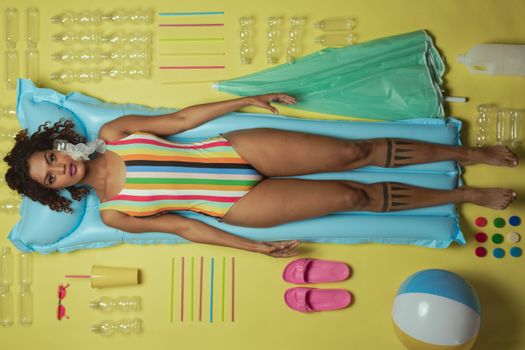 Photo: Ron Lach / Pexels
 Photo: Ron Lach / Pexels
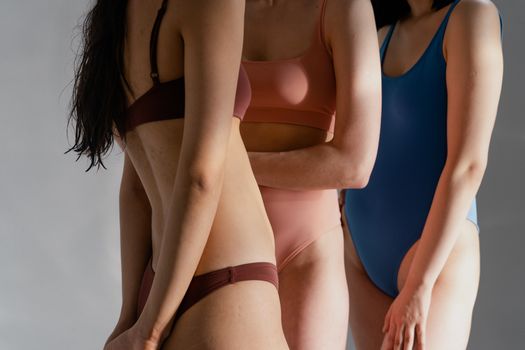 Photo: cottonbro studio / Pexels
 Photo: The Lazy Artist Gallery / Pexels