Top Sustainable Fashion Brands UK: Your Ethical Style Guide
sustainable fashion brands UK

Top Sustainable Fashion Brands UK: Your Ethical Style Guide

Navigate the world of eco-conscious clothing and discover UK brands making a real difference for people and the planet.

Explore Ethical Fashion Now

Key Takeaways

  • ✓ The UK sustainable fashion market is rapidly growing, driven by consumer demand for ethical choices.
  • ✓ Sustainable fashion encompasses environmental protection, fair labor practices, and circular economy principles.
  • ✓ Many UK brands are innovating with organic materials, recycled fabrics, and transparent supply chains.
  • ✓ Choosing sustainable fashion reduces your carbon footprint and supports ethical production.

How It Works

1
Understand Your Values

Before diving into brands, identify what aspects of sustainability matter most to you, whether it's fair trade, organic materials, or circularity. This will guide your choices effectively.

2
Research UK Brands

Utilise resources like this guide to find UK-based brands that align with your ethical priorities. Look for certifications, transparency reports, and clear mission statements.

3
Evaluate Products & Practices

Beyond the initial appeal, delve into the specifics of their products, materials used, and manufacturing processes. Check for durability and timeless design to ensure longevity.

4
Make Conscious Purchases

Invest in pieces that you truly love and will wear often, rather than fast fashion trends. Support brands committed to positive change and share your discoveries with others.

The Rise of Ethical Clothing UK: Why Sustainability Matters
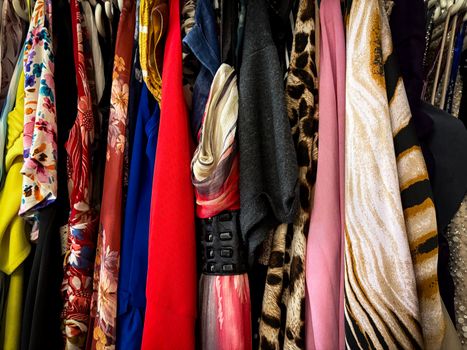
Two volunteers sort donated clothes in a second-hand shop. Photo: Julia M Cameron / Pexels
The fashion industry, globally, is one of the most polluting sectors, responsible for a significant portion of carbon emissions, water pollution, and waste. The rapid cycle of 'fast fashion' has exacerbated these issues, leading to an overconsumption culture where garments are often worn only a few times before being discarded. This linear model of 'take-make-dispose' is unsustainable and has severe environmental and social consequences. In response, a growing movement towards ethical clothing UK has emerged, driven by conscious consumers and innovative brands committed to change. This shift isn't just a trend; it's a fundamental re-evaluation of how we produce, consume, and value clothing. Sustainable fashion brands UK are at the forefront of this transformation, adopting practices that minimise environmental impact and promote social equity. This includes using eco-friendly materials like organic cotton, recycled polyester, hemp, and Tencel, which require less water, pesticides, and energy to produce. They also focus on reducing waste through innovative design, efficient manufacturing processes, and embracing circular economy principles, where garments are designed for longevity, repair, and eventual recycling. Furthermore, ethical brands prioritise fair labour practices, ensuring that everyone in their supply chain, from farmers to factory workers, receives fair wages and works in safe conditions. This contrasts sharply with the often exploitative practices found in conventional fashion manufacturing, where workers in developing countries can face perilous conditions and meager pay. Choosing sustainable fashion isn't just about buying eco-friendly clothes; it's about making a statement against exploitation and environmental degradation. It's about investing in quality over quantity, supporting businesses that are transparent about their operations, and contributing to a healthier planet and fairer society. For consumers in the UK, the availability of sustainable options has never been greater, offering a diverse range of styles and price points. From high-street alternatives to luxury ethical labels, there's a growing understanding that style doesn't have to come at the expense of ethics. By opting for ethical clothing UK, you become part of a powerful movement pushing for systemic change within the fashion industry. It's a proactive step towards building a wardrobe that reflects your values and contributes positively to the world. Understanding the 'why' behind this movement is the first crucial step towards making informed and impactful purchasing decisions in the realm of conscious fashion. It empowers you to demand better from brands and celebrate those already leading the way.

Spotlight on Leading Sustainable Fashion Brands UK

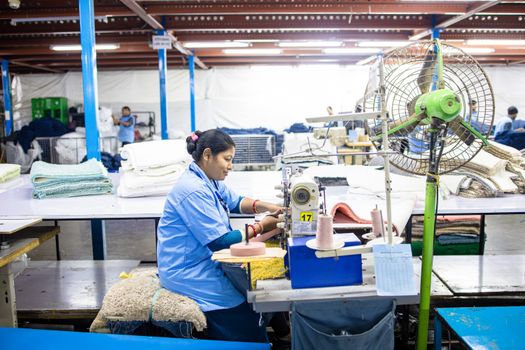
Female worker sewing at textile factory indoor setup, highlighting industrial labor. Photo: EqualStock IN / Pexels
The UK is home to an impressive array of sustainable fashion brands, each with its unique approach to ethical production and design. These brands are not merely paying lip service to sustainability; they are embedding it into their core business models, often from the ground up. Take, for instance, brands that specialise in organic cotton, ensuring that their entire supply chain, from farm to finished garment, adheres to strict environmental and social standards. This often involves certifications like GOTS (Global Organic Textile Standard), which guarantees organic status of textiles from harvesting of the raw materials through environmentally and socially responsible manufacturing. Other brands focus on innovative recycled materials, transforming plastic waste from oceans or landfills into stylish and durable fabrics. This not only diverts waste but also reduces the demand for virgin resources, significantly lowering their environmental footprint. Beyond materials, many sustainable fashion brands UK are pioneering transparency in their supply chains. They provide detailed information about their factories, worker conditions, and environmental impact, allowing consumers to make truly informed choices. This level of openness builds trust and holds brands accountable. For example, some brands map their entire supply chain, making it accessible to the public, demonstrating their commitment to ethical sourcing and production. Others are actively involved in community projects, ensuring that their impact extends beyond just their products to support the people and environments they interact with. The diversity within the UK sustainable fashion scene is remarkable, catering to various styles, budgets, and needs. From everyday essentials to occasion wear, there are ethical alternatives available across the board. Consider brands focusing on 'slow fashion' principles, which advocate for fewer, higher-quality garments designed to last. This philosophy directly combats the fast fashion cycle by encouraging consumers to invest in timeless pieces that transcend seasonal trends. These brands often offer repair services or take-back schemes, further extending the lifespan of their products and closing the loop on textile waste. Furthermore, some UK brands are embracing local production, reducing transportation emissions and supporting local economies and craftsmanship. This local-first approach often allows for greater oversight of working conditions and environmental practices. Exploring these diverse approaches reveals that sustainable fashion is not a monolithic concept but a multifaceted movement, with each brand contributing to a more responsible industry. By supporting these pioneering sustainable fashion brands UK, consumers play a vital role in accelerating the transition towards a truly ethical and eco-conscious fashion landscape. Their commitment to innovation, transparency, and ethical practices makes them true leaders in the industry.

Navigating Eco-Friendly Fashion Britain: What to Look For
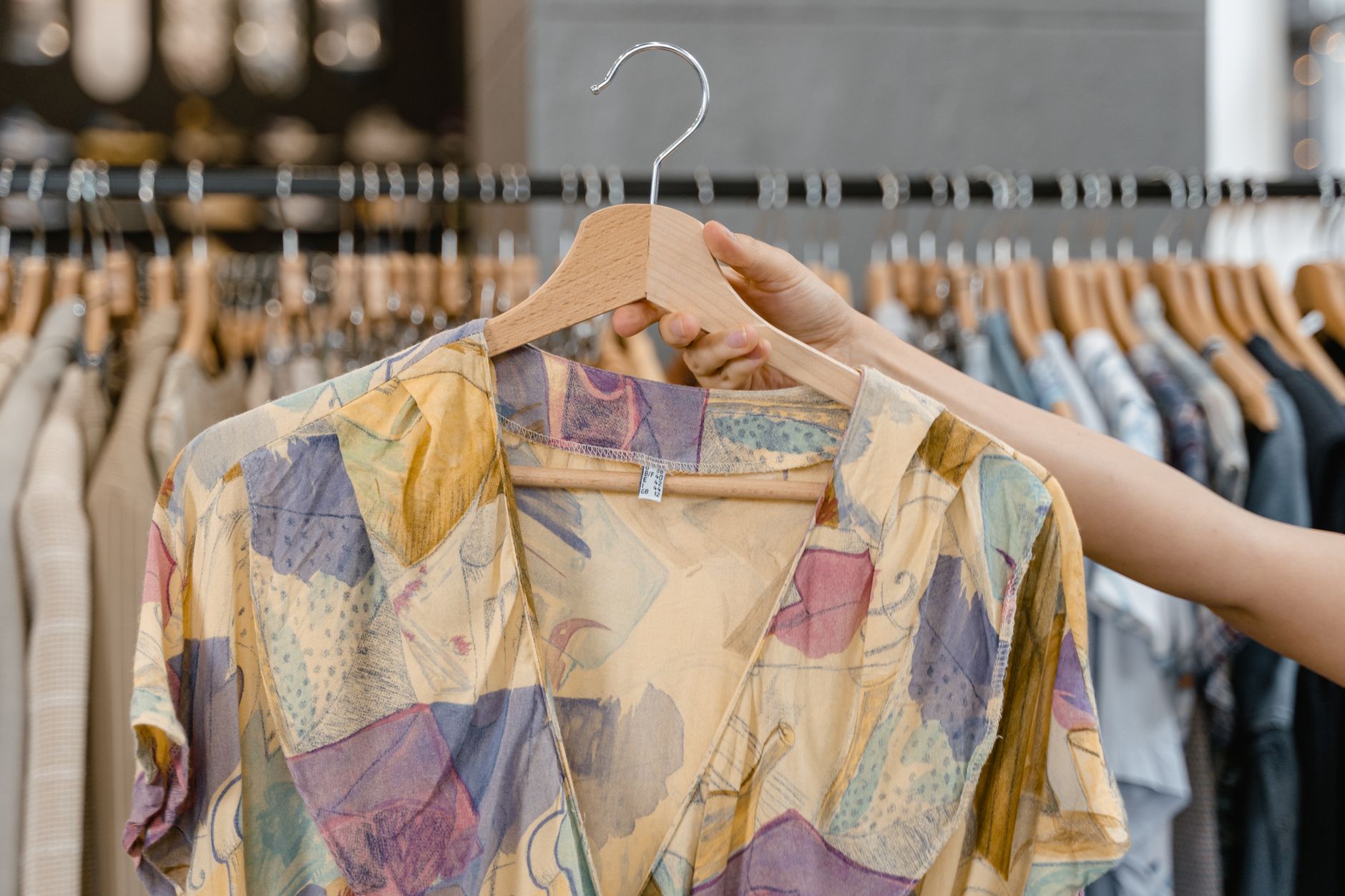
A woman browses a clothing rack in a cozy thrift shop, selecting garments. Photo: cottonbro studio / Pexels
When delving into eco-friendly fashion Britain, the sheer volume of information and claims can sometimes feel overwhelming. It's crucial to understand what truly constitutes sustainability beyond mere marketing buzzwords. One of the primary indicators of a genuinely sustainable brand is its material choices. Look for certifications such as GOTS for organic cotton, OEKO-TEX for textiles tested for harmful substances, or the Global Recycled Standard (GRS) for recycled content. These certifications provide independent verification that a brand's claims are legitimate and that their materials meet stringent environmental and social criteria. Beyond organic and recycled, innovative materials like Tencel (Lyocell), made from sustainably sourced wood pulp in a closed-loop process, or linen, a durable and low-impact fibre, are also excellent choices. Avoiding conventional polyester, nylon, and acrylic, which are petroleum-based and contribute to microplastic pollution, is a significant step towards a more sustainable wardrobe. Transparency is another cornerstone of eco-friendly fashion. A truly sustainable brand will be open about its supply chain, from where its raw materials are sourced to where its garments are manufactured. They should provide information about their factories, labour conditions, and environmental policies. If a brand is vague or unwilling to share this information, it's often a red flag. Look for brands that publish annual sustainability reports, impact assessments, or have dedicated sections on their websites detailing their ethical commitments. This level of openness allows consumers to verify claims and hold brands accountable. Furthermore, consider the brand's approach to waste. Do they have initiatives for reducing textile waste during production? Do they offer repair services, take-back programs for old garments, or endorse circular design principles? These practices demonstrate a commitment to extending the life cycle of clothing and minimising landfill contributions. Beyond materials and transparency, ethical labour practices are non-negotiable. Fair wages, safe working conditions, and the absence of child labour or forced labour are fundamental to sustainable fashion. Certifications like Fair Trade can provide assurance in this area, but many brands also have their own robust codes of conduct and audit their suppliers regularly. Supporting brands that empower workers and invest in their communities contributes to social sustainability. Finally, consider the brand's overall philosophy. Do they encourage conscious consumption and durable design, or do they still promote rapid trend cycles? A truly sustainable brand will encourage you to buy less, choose well, and make your clothes last. By focusing on these key aspects – material certifications, supply chain transparency, waste reduction efforts, and ethical labour practices – you can confidently navigate the landscape of eco-friendly fashion Britain and make choices that align with your values, contributing to a more positive impact on the planet and its people. This comprehensive approach ensures that your sustainable wardrobe is built on solid ethical foundations.

Tips for Building a Sustainable Wardrobe & Common Pitfalls to Avoid

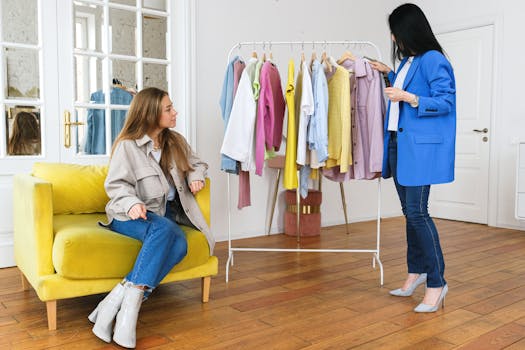
Fashion stylist assists client in a vibrant wardrobe fitting, ensuring perfect accessory choices. Photo: Ron Lach / Pexels
Building a sustainable wardrobe isn't about instantly replacing everything you own; it's a gradual, intentional process. Here are some actionable tips to help you on your journey: * **Audit Your Current Wardrobe:** Before buying anything new, go through what you already have. Identify gaps, rediscover forgotten pieces, and understand what you truly wear. This prevents impulse buys and helps you appreciate your existing items. * **Prioritise Quality Over Quantity:** Invest in well-made garments from sustainable fashion brands UK that are designed to last. While the initial cost might be higher, these pieces will withstand more wear and washing, saving you money in the long run and reducing waste. * **Embrace Second-Hand and Vintage:** The most sustainable garment is often one that already exists. Explore charity shops, vintage stores, online marketplaces, and clothing swap events. This is an excellent way to find unique pieces and extend the life of clothing. * **Learn Basic Repairs:** A missing button, a small tear, or a loose hem doesn't have to mean discarding a garment. Learning simple mending skills can significantly prolong the life of your clothes. * **Care for Your Clothes Properly:** Follow washing instructions, air dry when possible, and use eco-friendly detergents. Proper care reduces environmental impact and keeps your clothes looking better for longer. * **Research Before You Buy:** Before purchasing from any brand, do a quick search about their sustainability practices. Look for information on their materials, supply chain, and labour ethics. * **Consider Rental and Swapping:** For special occasions or to experiment with new styles, consider renting clothes or participating in clothing swap events. This provides access to variety without the commitment of ownership. **Common Pitfalls to Avoid:** * **Greenwashing:** Be wary of brands that use vague terms like 'eco-friendly' or 'sustainable' without providing concrete evidence or certifications. Always look for transparency and third-party verification. * **Overconsumption of 'Sustainable' Items:** Even if an item is sustainably made, buying more than you need still contributes to resource depletion and waste. The goal is conscious consumption, not just sustainable consumption. * **Ignoring End-of-Life:** Don't just focus on how a garment is made, but also consider what happens to it when you're done. Can it be repaired, recycled, or responsibly disposed of? Avoid products that are difficult to recycle. * **Falling for Trends:** Fast fashion thrives on constantly changing trends. Building a sustainable wardrobe means choosing timeless pieces that you'll love for years, rather than chasing fleeting styles. * **Assuming Price Equals Sustainability:** While sustainable items can sometimes be more expensive due to ethical production costs, a high price tag doesn't automatically guarantee sustainability. Always do your research. By adopting these practices and avoiding common traps, you can build a wardrobe that is both stylish and genuinely sustainable, making a positive impact with every choice.

Comparison

FeatureBest Option (e.g., Thought Clothing)Alternative 1 (e.g., People Tree)Alternative 2 (e.g., Finisterre)
Key MaterialsOrganic Cotton, Bamboo, HempFair Trade Certified Cotton, TencelRecycled Polyester, Organic Cotton
Ethical CertificationsGOTS, OEKO-TEXFair Trade, GOTSB Corp Certified, GOTS
TransparencyHigh (detailed supply chain)High (producer stories)High (impact reports)
Style FocusEveryday essentials, understatedEthical basics, vibrant printsOutdoor, durable, functional
Price RangeMid-rangeMid-range to premiumPremium
Circular InitiativesTake-back scheme, repair adviceLongevity focusRepair service, recycled products

What Readers Say

"I've been seeking truly sustainable fashion brands UK for years, and this guide was incredibly helpful. I found a new brand that perfectly aligns with my values and their organic cotton pieces are divine. It's great to know my purchases support ethical practices."

Eleanor V. · London, England

"As someone trying to reduce my environmental footprint, shifting to sustainable fashion was important. This article provided a fantastic overview of UK brands and what to look for. My wardrobe is slowly but surely becoming more ethical, and I feel good about it."

Mark R. · Manchester, England

"I used to think sustainable fashion was only expensive or limited in style. This guide completely changed my perspective, highlighting diverse and affordable sustainable fashion brands UK. I've successfully swapped out 70% of my fast fashion items for ethical alternatives, and they've lasted much longer."

Sarah J. · Bristol, England

"The information on greenwashing was particularly useful. It's hard to tell what's truly sustainable sometimes, but the tips here helped me identify genuinely ethical brands. While some options are still a bit pricey, the longevity makes it worth the investment."

David L. · Glasgow, Scotland

"This resource is a goldmine for anyone interested in eco-friendly fashion. I especially appreciated the comparison table, which made it easy to see the different strengths of various sustainable fashion brands UK. My latest purchase from a featured brand is incredibly high quality."

Chloe P. · Cardiff, Wales

Frequently Asked Questions

What defines a sustainable fashion brand in the UK?

A sustainable fashion brand in the UK is typically one that prioritises environmental protection, ethical labour practices, and circular economy principles throughout its entire supply chain. This includes using eco-friendly materials, ensuring fair wages and safe working conditions, reducing waste, and often providing transparency about their operations to consumers.

Are sustainable fashion brands UK more expensive?

Sustainable fashion can sometimes have a higher upfront cost due to ethical production, fair wages, and high-quality eco-friendly materials. However, these items are often designed for durability and longevity, meaning they last longer than fast fashion alternatives, offering better value over time and reducing the need for frequent replacements.

How can I identify truly ethical clothing brands in the UK?

Look for specific certifications like GOTS (Global Organic Textile Standard), Fair Trade, OEKO-TEX, or B Corp certification. Additionally, genuine ethical brands provide high transparency about their supply chain, material sourcing, and labour practices on their websites or through impact reports. Be wary of vague 'green' claims without supporting evidence.

What materials are considered most sustainable for fashion?

Highly sustainable materials include organic cotton, hemp, linen, Tencel (Lyocell), recycled polyester, and innovative bio-based fabrics. These materials generally have a lower environmental impact in terms of water usage, pesticide use, energy consumption, or waste diversion compared to conventional alternatives.

How do UK sustainable fashion brands contribute to a circular economy?

Many UK sustainable fashion brands contribute to a circular economy by designing durable garments, offering repair services, implementing take-back schemes for old clothing, and using recycled or upcycled materials. Their goal is to minimise waste and keep resources in use for as long as possible, reducing reliance on virgin materials.

Who should consider buying from sustainable fashion brands UK?

Anyone concerned about the environmental and social impact of their clothing choices should consider buying from sustainable fashion brands UK. This includes individuals looking to reduce their carbon footprint, support fair labour, invest in high-quality items, and contribute to a more responsible and ethical fashion industry.

Is 'greenwashing' a significant issue in UK sustainable fashion?

Yes, greenwashing is a considerable issue globally, including within the UK fashion market. It refers to brands making misleading or unsubstantiated claims about their environmental or ethical practices. Consumers need to be vigilant, research claims, and look for concrete evidence and certifications to avoid falling for greenwashing tactics.

What is the future outlook for sustainable fashion brands in the UK?

The future for sustainable fashion brands in the UK looks promising. Consumer demand for ethical and eco-friendly options is growing, driving innovation in materials, production methods, and circularity initiatives. Regulations and industry standards are also evolving, pushing more brands towards sustainable practices, making ethical fashion increasingly mainstream.

Embrace a wardrobe that reflects your values. Explore the diverse and ethical offerings from sustainable fashion brands UK today and make a positive impact with every stylish choice you make.

Topics: sustainable fashion brands UKethical clothing UKeco-friendly fashion Britainconscious fashion UKUK slow fashion
Leo List
Brampton weed
Adultwork EstrelaBet Vai de Bet R7 Bet Betão Galera Bet Rainbet Bet9ja Shop SportyBet BetKing Sisal Loto Foot Hollywoodbets YesPlay Odibets RushBet Jugabet BetWarrior BetCity MSport betPawa Fortebet