Why You Need to Shop Independent Fashion UK Now
shop independent fashion UK

Why You Need to Shop Independent Fashion UK Now

Unearth unique styles, support local talent, and make a conscious choice for your wardrobe and the planet.

Explore Independent Brands

Key Takeaways

  • ✓ The UK independent fashion sector contributes significantly to local economies and job creation.
  • ✓ Many independent brands prioritise ethical production, fair wages, and sustainable materials.
  • ✓ Shopping independent offers unique designs, often handcrafted, that stand out from mass-produced items.
  • ✓ Directly supporting independent designers fosters creativity and innovation within the fashion industry.

How It Works

1
Identify Your Style & Values

Before diving in, consider what kind of fashion resonates with you and what ethical or sustainable practices are most important. This will help narrow your search and make shopping more targeted.

2
Discover Independent Brands

Utilise online directories, social media, and dedicated marketplaces to find independent UK fashion brands. Look for brands that align with your aesthetic and commitment to conscious consumption.

3
Engage with the Brand

Read their 'About Us' page, check their sustainability statements, and follow them on social media. Understanding their story and mission enhances the shopping experience and builds connection.

4
Make a Conscious Purchase

Invest in pieces that you truly love and will wear for years, knowing that your purchase directly supports a small business and often more ethical practices. Share your finds to help others discover these gems.

The Unrivalled Allure of Independent UK Fashion
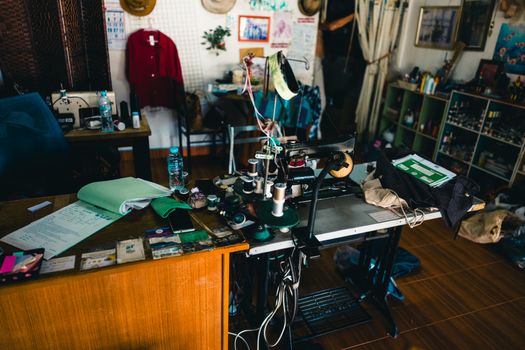
A detailed view of a tailor's workshop in Phuket, showcasing a sewing machine and multiple fabrics. Photo: Ali Kazal / Pexels
In an era dominated by fast fashion and global chains, the distinct charm and profound value of independent fashion in the UK stand out as a beacon for conscious consumers. When you choose to shop independent fashion UK, you're not merely purchasing a garment; you're investing in creativity, craftsmanship, and a more sustainable future. This decision goes beyond personal style, touching upon economic, ethical, and environmental considerations that are increasingly pertinent in today's world. Independent designers often pour their heart and soul into every piece, offering unique narratives and limited-edition collections that simply cannot be replicated by mass manufacturers. They are the artisans, the innovators, the trendsetters who are pushing the boundaries of design while often adhering to principles of slow fashion and ethical production. Each stitch, every fabric choice, and the very design philosophy behind an independent brand usually carries a much deeper meaning. This stands in stark contrast to the often anonymous and standardised offerings of high-street brands. The allure lies in exclusivity; knowing that your outfit isn't one of millions, but perhaps one of a handful, or even a unique creation. It’s about owning something special, something that tells a story, rather than just another item of clothing. Beyond aesthetics, the commitment to quality is a hallmark of independent UK fashion. Smaller brands often have more control over their supply chains and production processes, allowing them to meticulously select higher-quality materials and employ skilled craftspeople. This attention to detail results in garments that are not only beautiful but also durable, designed to last far beyond a single season. This longevity is a critical component of sustainable fashion, directly combating the throwaway culture perpetuated by fast fashion. By choosing well-made items, consumers reduce waste and minimise their environmental footprint. Furthermore, many independent brands are founded on strong ethical principles. They often prioritise fair wages for their workers, safe working conditions, and transparency throughout their operations. This ethical stance resonates deeply with consumers who are increasingly concerned about the human cost of fashion. Supporting these brands means contributing to a fairer, more equitable industry, making your purchase a powerful statement of your values. It's a proactive step towards a fashion landscape where people are treated with dignity and respect. The personal connection formed with independent brands is also a significant draw. When you shop independent fashion UK, you're often interacting directly with the designer or a small team, fostering a sense of community and shared values. This direct relationship allows for a level of customer service and personalisation that large corporations struggle to match. It's a more human approach to commerce, transforming a transactional experience into a meaningful exchange. For those seeking to refresh their wardrobe with intention and impact, exploring the vibrant world of independent UK fashion is an enriching and rewarding journey. It's about making choices that reflect not just who you are, but what you believe in. Discover more about making conscious fashion choices by exploring resources on sustainable fashion practices.

Navigating the Landscape: Finding Your Perfect Independent UK Brand
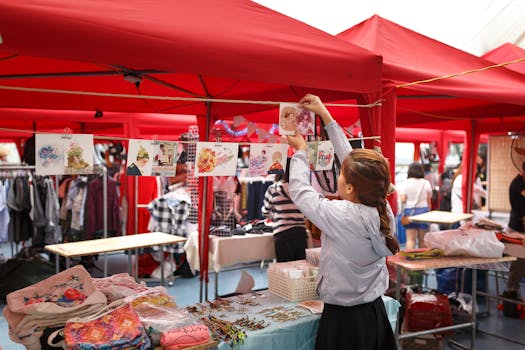
Vibrant marketplace with red tents, shoppers, and colorful goods on display. Photo: Quang Nguyen Vinh / Pexels
The burgeoning independent fashion scene in the UK offers a treasure trove of styles, from avant-garde conceptual pieces to timeless, minimalist staples. However, for the uninitiated, finding the perfect brand amidst this rich tapestry can seem daunting. The key is to approach the search with a clear understanding of your personal style, your ethical priorities, and where to look. Begin by defining what you're seeking. Are you on the hunt for sustainable knitwear, unique handcrafted jewellery, bespoke tailoring, or perhaps gender-neutral apparel? Identifying your niche will significantly streamline your search. Consider the materials you prefer – organic cotton, recycled fabrics, wool, or innovative vegan alternatives – as many independent brands proudly highlight their material sourcing and sustainability efforts. This initial self-assessment is crucial for a fruitful exploration of the independent market. Online platforms and dedicated marketplaces are invaluable resources for discovering independent UK fashion brands. Websites like Etsy, ASOS Marketplace, and specific UK-focused independent brand directories host a multitude of designers, each with their distinct aesthetic and ethos. These platforms allow you to filter by location, style, price point, and even ethical credentials, making it easier to pinpoint brands that align with your values. Social media, particularly Instagram and Pinterest, have also become powerful discovery tools. Many independent designers build strong visual narratives around their brands, showcasing their collections, behind-the-scenes processes, and their commitment to ethical practices. Following relevant hashtags such as #sustainablefashionUK, #madeinUK, #independentdesigner, or #slowfashionUK can unveil a wealth of talent you might not otherwise encounter. Engage with these communities, read comments, and explore the accounts that inspire you. Beyond the digital realm, physical pop-up shops, artisan markets, and independent boutiques are fantastic places to experience independent fashion firsthand. Cities like London, Manchester, Bristol, and Edinburgh are vibrant hubs for creative talent, often hosting events where designers showcase their latest collections. Visiting these events allows you to touch and feel the quality of the garments, meet the designers, and hear their stories directly. This personal interaction often deepens the appreciation for the craftsmanship and the brand's mission. Furthermore, many independent fashion brands collaborate with local artists and other small businesses, creating a supportive ecosystem that benefits the wider creative community. Don't overlook the power of word-of-mouth recommendations. Ask friends, family, or even local fashion influencers about their favourite independent brands. Personal endorsements can lead you to hidden gems that perfectly match your preferences. By combining these discovery methods, you can effectively navigate the diverse landscape of independent UK fashion and curate a wardrobe that is truly unique and meaningful. The journey of discovering these brands is part of the joy, opening up a world of conscious choices and distinctive style.

The Ethical Imperative: Why Independent Brands Lead the Way in Responsible Fashion
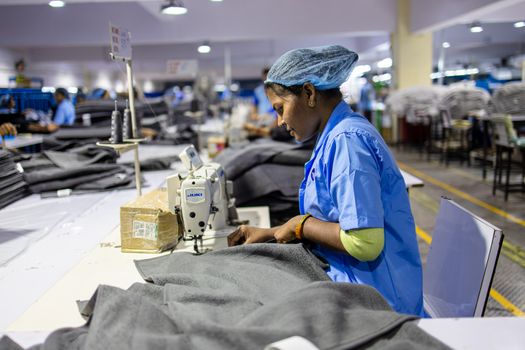
Female worker sewing in a busy textile factory, highlighting industrial skill. Photo: EqualStock IN / Pexels
The global fashion industry is often scrutinised for its environmental impact and ethical shortcomings, from excessive waste generation to exploitative labour practices. In stark contrast, independent fashion brands in the UK are frequently at the forefront of the ethical and sustainable movement, leading by example and demonstrating that style and responsibility can coexist harmonously. This commitment to ethical production is not merely a marketing ploy for many; it is woven into the very fabric of their brand identity and operational philosophy. One of the most significant advantages of independent brands is their ability to maintain greater transparency and control over their supply chains. Unlike large corporations with complex, global networks, smaller brands can often trace their materials from source to final product, ensuring that each stage adheres to ethical standards. This might involve sourcing organic or recycled fabrics, working directly with local artisans, or ensuring fair trade certifications for imported materials. This meticulous approach minimises their ecological footprint and guarantees that human rights are respected throughout the production process. Many independent UK fashion brands champion slow fashion principles, directly opposing the detrimental effects of fast fashion. Slow fashion emphasises quality over quantity, encouraging consumers to invest in durable, timeless pieces that are made to last. This reduces the demand for mass production, conserves resources, and lessens textile waste destined for landfills. Designers often focus on creating versatile garments that can be worn in multiple ways and across different seasons, extending the lifespan of each item. Furthermore, the production methods employed by independent brands are typically more sustainable. This can include small-batch production to avoid overstock, made-to-order models that eliminate waste, and the use of environmentally friendly dyes and finishes. They often embrace upcycling and repurposing existing materials, transforming what would otherwise be discarded into unique and valuable new pieces. This innovative approach not only conserves resources but also fosters unique design aesthetics that celebrate the individuality of each item. Beyond environmental considerations, independent brands are often exemplary in their commitment to social ethics. They frequently prioritise fair wages, safe working conditions, and dignified treatment for all their employees, whether they are in-house staff or external craftspeople. This stands in stark contrast to reports of sweatshop labour prevalent in parts of the global fashion industry. By supporting these brands, consumers are directly contributing to a more equitable and humane working environment for those who create their clothes. The emphasis on local production, where possible, also reduces carbon emissions associated with long-distance shipping and supports local economies. When you shop independent fashion UK, you are not just buying a product; you are endorsing a business model that prioritises people and the planet alongside profit. This ethical imperative is a powerful differentiator, making independent brands a compelling choice for anyone looking to align their purchasing power with their values. For further insights into ethical sourcing, explore the nuances of sustainable material choices in textiles.

Tips for a Rewarding Independent Fashion Shopping Experience
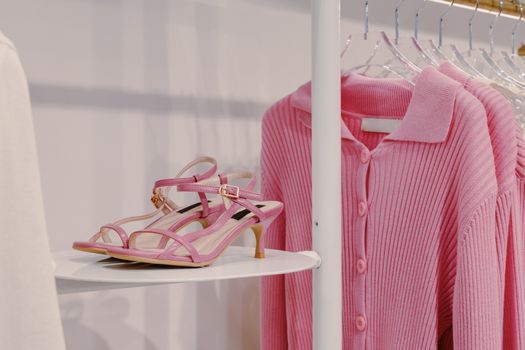
Elegant pink sandals and a knit sweater displayed on a shelf in a fashion boutique. Photo: Ron Lach / Pexels
Embarking on a journey to shop independent fashion UK can be incredibly rewarding, offering unique finds and a connection to conscious consumerism. However, to make the most of this experience, a few strategic tips can guide you toward truly satisfying purchases. Avoiding common pitfalls and embracing a thoughtful approach will ensure your independent fashion journey is both impactful and enjoyable. **Do's:** * **Do Your Research:** Before purchasing, spend time exploring the brand's 'About Us' page, their sustainability statements, and customer reviews. Understand their mission, their production methods, and their values. This due diligence ensures alignment with your personal ethics and helps you appreciate the brand's story. * **Do Embrace Quality Over Quantity:** Independent fashion often comes with a higher price point due to ethical production, quality materials, and skilled craftsmanship. View these purchases as investments in pieces that will last, rather than disposable items. Focus on timeless designs that integrate well into your existing wardrobe. * **Do Engage with the Community:** Follow independent brands on social media, sign up for their newsletters, and attend virtual or in-person pop-ups. This allows you to stay informed about new collections, sales, and gain insights into the brand's ethos. It also fosters a sense of community around shared values. * **Do Check Sizing Guides Carefully:** Independent brands may have unique sizing specifications. Always consult their detailed sizing charts and measure yourself if necessary. Don't hesitate to reach out to their customer service for advice if you're unsure; they often offer personalised guidance. * **Do Support Beyond Buying:** If you love a brand but can't purchase right away, share their content on social media, tell your friends, or leave a positive review. Word-of-mouth is incredibly powerful for small businesses. **Don'ts:** * **Don't Expect Instant Gratification:** Independent brands often operate on smaller scales, sometimes with made-to-order models. Shipping times might be longer than what you're used to with large retailers. Patience is key, knowing that your item is being crafted with care. * **Don't Be Afraid to Ask Questions:** If you have concerns about materials, ethical practices, or fit, reach out to the brand. Independent designers are often passionate about their work and happy to provide detailed answers, fostering transparency and trust. * **Don't Dismiss Brands Based Solely on Price:** While some independent items are more expensive, consider the 'cost per wear' and the ethical value. A higher initial investment can lead to a more durable, unique, and ethically produced item that you cherish for years, ultimately saving money and reducing waste in the long run. * **Don't Limit Your Search:** While you might have a specific style in mind, be open to exploring different independent designers. You might discover a new aesthetic or a brand that perfectly encapsulates your evolving style. Diversifying your sources enriches your wardrobe and supports a broader range of talent. * **Don't Ignore Return Policies:** Always review the return and exchange policies before purchasing, especially for international orders or bespoke items. Independent brands may have different policies than larger retailers due to their operational scale.

Comparison

FeatureIndependent UK FashionFast Fashion GiantsLuxury Designer Brands
Ethical ProductionHigh (often core value)Low (frequent concerns)Varies (improving, but complex)
Sustainability FocusHigh (often intrinsic)Low (greenwashing common)Medium (increasingly a focus)
Uniqueness of DesignVery High (limited runs, bespoke)Low (mass-produced trends)High (distinct brand identity)
Quality of MaterialsHigh (curated, durable)Low (cheap, disposable)High (premium, often exclusive)
Price PointMedium to HighVery LowVery High
Support Local Economy
Transparency

What Readers Say

"I've been consciously trying to shop independent fashion UK for the past year, and the quality and uniqueness I've found are incredible. My latest dress from a small Bristol designer is a masterpiece – ethically made and beautifully crafted. It feels so good to wear something that truly stands out."

Eleanor V. · Bristol, UK

"Switching to independent UK brands has transformed my wardrobe. I used to struggle with finding pieces that truly fit my style, but now I discover unique, well-made items that align with my values. The customer service from these smaller businesses is also exceptional."

Marcus P. · London, UK

"Finding independent fashion in the UK has been a game-changer for my ethical consumption goals. I found a fantastic brand for sustainable knitwear, and their jumper has lasted me through multiple winters, looking as good as new. It's proof that investing in quality pays off."

Chloe R. · Manchester, UK

"While the price point can sometimes be higher, the value you get from independent UK fashion is undeniable. I recently bought a handcrafted leather bag that I know will last me a lifetime. It's a different mindset than fast fashion, and a very positive shift, though it takes a bit more effort to discover the right brands."

David L. · Edinburgh, UK

"As a graphic designer, I appreciate creativity and craftsmanship, and that's exactly what I find when I shop independent fashion UK. From a unique scarf to a custom-fit jacket, every piece feels like a work of art. It's truly inspiring to support these talented individuals and their passion."

Sarah J. · Glasgow, UK

Frequently Asked Questions

What are the main benefits of choosing to shop independent fashion UK?

The primary benefits include supporting local economies and creative talent, accessing unique and often limited-edition designs, and contributing to more ethical and sustainable production practices. Independent brands typically prioritise quality, transparency, and fair treatment for workers, offering a more conscious and personal shopping experience compared to mass-market options.

Is independent fashion in the UK more expensive than high street brands?

Often, yes, the initial price point for independent fashion can be higher. This reflects the true cost of ethical production, fair wages, high-quality materials, and smaller production runs. However, these items are typically more durable and timeless, offering a better 'cost per wear' over time and reducing the need for frequent replacements, making them a wise long-term investment.

How can I discover new independent fashion brands in the UK?

You can discover new brands through various channels. Online, explore dedicated marketplaces like Etsy UK, ASOS Marketplace, and independent brand directories. Social media platforms, especially Instagram, are rich with independent designers. Additionally, look out for local artisan markets, pop-up shops, and independent boutiques in major UK cities, which offer a chance to meet designers directly.

What is the typical price range for independent fashion items?

The price range for independent fashion is highly variable, depending on the type of garment, materials used, and the designer's niche. You can find accessories and smaller items starting from £20-£50, while more complex garments like dresses, coats, or bespoke pieces might range from £100 to several hundred pounds or more. It's an investment in quality and craftsmanship.

How does independent fashion compare to luxury designer brands?

Independent fashion often shares the focus on quality and unique design with luxury brands, but typically at a more accessible price point and with a stronger emphasis on transparency and direct connection to the creator. While luxury brands often have heritage and global recognition, independent brands offer a fresh, often more innovative and ethically-driven approach, without the premium attached to a global 'brand name'.

Who should consider buying from independent fashion brands in the UK?

Anyone looking for unique, high-quality, and ethically produced clothing should consider independent fashion. It's ideal for those who value sustainability, support local businesses, seek distinctive styles, and want to make conscious purchasing decisions that align with their personal values rather than simply following fleeting trends.

Are independent fashion brands generally more sustainable?

Yes, a strong commitment to sustainability is a hallmark for many independent fashion brands. They often employ small-batch production, use organic or recycled materials, minimise waste, and ensure ethical labour practices. While not every independent brand is 100% sustainable, the sector as a whole leads the way in adopting more environmentally and socially responsible approaches compared to conventional fashion.

What trends are emerging within the UK independent fashion scene?

Emerging trends often revolve around hyper-personalisation, gender-fluid designs, innovative uses of sustainable and upcycled materials, and a strong focus on artisanal craftsmanship. There's also a growing movement towards 'repair culture' and clothing designed for longevity, challenging the fast-paced consumption cycle. Many brands are also exploring digital fashion and immersive online experiences.

Ready to transform your wardrobe with purpose and style? Dive into the vibrant world of independent fashion in the UK. By choosing to shop independent fashion UK, you're not just buying clothes; you're investing in creativity, sustainability, and a fairer future for the fashion industry. Start your discovery today and wear your values with pride.

Topics: shop independent fashion UKethical UK fashionsustainable British brandsunique UK clothingsupport local fashion
Leo List

IE Escorts NO Escorts US Escorts NZ Escorts AU Escorts
Brampton weed
Adultwork EstrelaBet Vai de Bet R7 Bet Betão Galera Bet Rainbet Bet9ja Shop SportyBet BetKing Sisal Loto Foot Hollywoodbets YesPlay Odibets RushBet Jugabet BetWarrior BetCity MSport betPawa Fortebet