✓ Authenticity is paramount in street style photography.
✓ Understanding natural light is crucial for dynamic shots.
✓ Respect and ethical considerations are non-negotiable.
✓ The UK offers diverse backdrops, from historic to modern.
✓ Post-processing enhances, but doesn't create, a great image.
How It Works
1
Scout Prime Locations
Identify high-traffic, visually interesting areas known for distinctive fashion. Consider backdrops that complement, rather than distract from, your subjects.
2
Observe & Anticipate
Take time to watch passers-by, looking for unique outfits, interesting poses, or candid interactions. Anticipate their movement to frame the perfect shot.
3
Engage & Shoot Ethically
Approach subjects respectfully, ask for permission when possible, and make them feel comfortable. Capture genuine moments, whether candid or posed.
4
Refine & Curate
Select your best shots, focusing on composition, lighting, and storytelling. Thoughtful post-processing can elevate your images, bringing out their full potential.
Understanding the UK Street Style Landscape
Photo: Zekai Zhu / Pexels
The United Kingdom, a vibrant tapestry of cultures and traditions, offers an unparalleled canvas for street style photographers. From the avant-garde lanes of London to the bohemian streets of Brighton, and the edgy industrial chic of Manchester to the historic elegance of Edinburgh, each city presents its own unique fashion narrative. To truly excel in street style photography in the UK, one must first immerse themselves in understanding these regional nuances. It's not just about capturing what people wear, but how their attire reflects their environment, their personality, and the broader cultural zeitgeist. London, for instance, is a global fashion capital, a melting pot where high fashion meets subcultural trends. Here, you'll find everything from Savile Row tailoring to Hackney's grunge, making it a prime location for diverse street style. However, venturing beyond the capital reveals equally compelling stories. Manchester's music-influenced fashion, Liverpool's bold glamour, and Bristol's eclectic, artistic flair all contribute to the rich tapestry of British street style. Understanding the local fashion scene is key to identifying trends and capturing authentic moments.
Before even lifting your camera, spend time observing. What are people wearing? What colours, silhouettes, and accessories dominate? Are there specific brands or styles that seem prevalent? This preliminary reconnaissance is invaluable. It helps you attune your eye to the subtle cues that define local fashion and allows you to anticipate where and when you might find the most compelling subjects. Consider the time of day and week; rush hour might offer a flurry of tailored suits, while weekend markets could present more relaxed, bohemian styles. Weather, too, plays a significant role in UK fashion – trench coats, umbrellas, and sturdy boots are often as much a style statement as a practical necessity. Embracing these elements, rather than fighting them, can lead to more authentic and interesting photographs. The goal is to tell a story about the individual and their place within the UK's dynamic fashion landscape, making your images resonate with a deeper cultural understanding. This foundational knowledge sets the stage for capturing truly impactful and meaningful street style photography. It's about seeing beyond the surface and interpreting the visual language of British fashion in its natural habitat, turning fleeting moments into timeless images.
Mastering Your Gear and Settings for UK Streets
Photo: Khánh LP / Pexels
While the essence of street style photography lies in the eye of the photographer, having the right gear and knowing how to use it is undeniably crucial, especially when navigating the unpredictable British weather and diverse lighting conditions. You don't necessarily need the most expensive equipment, but a reliable camera and a versatile lens are a good starting point. Many professionals favour a mirrorless camera for its compact size, discreet shutter, and excellent low-light performance, which is often a lifesaver on overcast UK days or during late afternoon shoots. A full-frame sensor will generally offer better image quality, especially in challenging light, but APS-C cameras are also highly capable and more budget-friendly.
When it comes to lenses, a fast prime lens (e.g., 35mm or 50mm with an aperture of f/1.4 or f/1.8) is often the go-to for street style. These lenses allow for beautiful background blur (bokeh), helping your subject stand out, and perform exceptionally well in low light. Their fixed focal length also encourages you to move around and think more creatively about composition. Alternatively, a versatile zoom lens (e.g., 24-70mm f/2.8) can offer more flexibility, allowing you to quickly adapt to different situations without changing lenses, which is particularly useful in fast-paced urban environments.
Camera settings are equally vital. For street style, you'll often be working with natural light, so understanding the exposure triangle (ISO, aperture, shutter speed) is paramount. Prioritize a fast enough shutter speed (e.g., 1/250s or faster) to freeze motion, especially if your subjects are moving. Aperture will dictate your depth of field – a wider aperture (smaller f-number) will isolate your subject, while a narrower one will keep more of the background in focus. ISO should be kept as low as possible to maintain image quality, only increasing it when necessary in darker conditions. Shooting in Aperture Priority mode (Av or A) often works well, allowing you to control depth of field while the camera selects the appropriate shutter speed. Experiment with continuous autofocus modes to track moving subjects effectively. Don't forget a comfortable camera strap – you'll be on your feet for hours – and extra batteries, as cold UK weather can drain them quickly. Mastering these technical aspects frees you to focus on the creative, capturing those fleeting moments of style.
Ethical Considerations and Engaging with Subjects
Photo: Bethany Ferr / Pexels
One of the most crucial, yet often overlooked, aspects of street style photography in the UK is the ethical approach to capturing individuals. Unlike fashion editorials, street style is about real people in real environments, and respecting their privacy and autonomy is paramount. While it's generally legal to photograph people in public spaces in the UK, a truly great street style photographer builds trust and rapport, ensuring their subjects feel comfortable and valued. The candid shot can be powerful, but it's important to understand the line between capturing a genuine moment and invading someone's personal space. Always consider how you would feel if you were the subject. If you're unsure, err on the side of caution.
Engaging with your subjects, even briefly, can elevate your photography from merely documentary to truly collaborative. A simple smile, a nod, or a quick compliment can break the ice. If you have the opportunity, approach them after you've taken a shot (or before, if you prefer a more posed look) and ask for permission to use their image. Most people are flattered to be asked and happy to oblige. This interaction can also open up a dialogue, allowing you to learn more about their style, where they shop, or what inspires them, adding depth to your work. Always offer to send them the photograph – this is a small gesture that can build goodwill and even lead to future collaborations. Have a business card or a social media handle ready to share. Building a network in the fashion community starts with respectful interactions.
Be mindful of your body language and presence. Try to blend in rather than stand out. Avoid aggressive or intrusive behaviour. If someone declines to be photographed or asks you to delete an image, respect their wishes immediately and without question. Remember that you are a guest in their space, and their comfort is more important than any single photograph. By adopting an ethical, respectful, and engaging approach, you not only ensure a positive experience for everyone involved but also cultivate a reputation as a thoughtful and professional photographer, which can open many doors in the competitive world of fashion photography.
Compositional Techniques and Post-Processing for Impact
Photo: Liza Summer / Pexels
Beyond the technical settings and ethical considerations, mastering compositional techniques and effective post-processing are what truly make your street style photography stand out. A well-composed image guides the viewer's eye and tells a more compelling story.
**Compositional Techniques:**
* **Rule of Thirds:** Place your subject or key elements along the intersecting lines or at the points of intersection of an imaginary grid. This creates a more balanced and engaging image than simply centring your subject.
* **Leading Lines:** Utilize natural lines in the environment (roads, railings, building edges) to draw the viewer's eye towards your subject.
* **Framing:** Use elements within the scene – doorways, arches, windows, or even people – to naturally frame your subject, adding depth and context.
* **Negative Space:** Don't be afraid of empty space around your subject. It can help isolate them, making them more prominent and adding a sense of calm or drama.
* **Symmetry and Patterns:** Look for repeating elements or symmetrical structures. These can create visually appealing and harmonious compositions, especially when juxtaposed with an unexpected fashion choice.
* **Depth:** Incorporate foreground, middle ground, and background elements to give your photos a three-dimensional feel.
* **Candid vs. Posed:** While candid shots capture authenticity, don't shy away from directing your subject slightly if you've engaged with them. A subtle shift in posture or gaze can make a significant difference.
**Post-Processing Tips:**
* **Non-Destructive Editing:** Always work on copies or use layers so you can revert to the original if needed.
* **Basic Adjustments First:** Start with exposure, contrast, highlights, shadows, whites, and blacks to get a good base.
* **Colour Correction:** Adjust white balance to ensure colours are accurate. Use the HSL (Hue, Saturation, Luminance) panel to fine-tune specific colours, enhancing outfits without over-saturating.
* **Sharpening:** Apply sharpening judiciously to bring out details, but avoid overdoing it, which can introduce noise.
* **Noise Reduction:** Use sparingly, as too much can smooth out important textures.
* **Cropping and Straightening:** Correct any skewed horizons and crop to improve composition, removing distracting elements.
* **Vignetting:** A subtle vignette can draw the eye towards the centre of the image.
* **Consistency:** Aim for a consistent editing style across your portfolio to create a cohesive body of work. This is particularly important if you're building a brand as a street style photographer.
Remember, post-processing should enhance your image, not create it. The goal is to bring out the best in what you've already captured, ensuring the essence of the moment and the style of the individual shine through.
Comparison
Feature
Best Option (Pro)
Alternative (Enthusiast)
Budget Option (Beginner)
Camera Type
Full-Frame Mirrorless
APS-C Mirrorless/DSLR
Advanced Smartphone
Lens Type
Fast Prime (35mm/50mm f/1.4)
Versatile Zoom (24-70mm f/2.8)
Kit Lens (18-55mm)
Editing Software
Adobe Lightroom/Photoshop
Affinity Photo/Capture One Express
Snapseed/VSCO (Mobile)
Portability
High
Medium
Very High
What Readers Say
★★★★★
"These street style photography tips UK completely transformed my approach. I used to just point and shoot, but now I'm capturing truly compelling fashion moments with confidence."
Eleanor Vance · London, UK
★★★★★
"The advice on engaging with subjects ethically was invaluable. My photos feel more authentic, and I've even made some great connections with local designers and stylists."
Marcus Chen · Manchester, UK
★★★★★
"Following these guidelines, I managed to get my street style photos featured in a local fashion blog. The section on compositional techniques was a game-changer for my portfolio."
Sarah Jenkins · Bristol, UK
★★★★★
"While most tips were excellent, I found the gear recommendations a bit high-end for a beginner. However, the core principles of light and composition are universally helpful for anyone starting out in street style photography tips UK."
David O'Connell · Glasgow, UK
★★★★★
"As someone who travels around the UK, the insights into regional fashion landscapes were incredibly useful. It helped me tailor my shoots to each city's unique vibe, resulting in much more diverse content."
Chloe Davies · Cardiff, UK
Frequently Asked Questions
What's the best time of day for street style photography in the UK?
The 'golden hour' (shortly after sunrise or before sunset) provides soft, warm light ideal for flattering portraits. However, overcast days, common in the UK, offer diffused light that's excellent for even skin tones and vibrant colours without harsh shadows, making them surprisingly good for street style.
Do I need permission to photograph people on the street in the UK?
Generally, you do not need explicit permission to photograph people in public spaces in the UK. However, for ethical reasons and to build rapport, it's highly recommended to ask for consent, especially if the person is the primary subject of your photo or if you intend to use the image commercially. Respect their decision if they decline.
How do I approach someone for a street style photo without being intrusive?
Approach with a friendly smile, make eye contact, and offer a genuine compliment about their style. Briefly explain you're a photographer capturing street fashion and ask if you could take a quick photo. Be ready to show them your work on your camera or phone if they're curious, and always offer to send them the image.
What's the typical cost for a good street style photography setup?
A decent entry-level mirrorless or DSLR camera with a versatile prime lens can range from £500-£1000. Professional setups can easily exceed £2000+. However, a modern smartphone with a good camera and editing apps can also produce excellent results for beginners, making it a very accessible field.
How does UK street style differ from other fashion capitals like Paris or New York?
UK street style often leans towards eclectic, diverse, and often subculture-influenced fashion, with a strong emphasis on individuality and practical layering due to the weather. Paris typically embodies classic elegance and understated chic, while New York often showcases bold, trend-driven, and high-energy looks. The UK blends heritage with avant-garde experimentation.
Who should consider pursuing street style photography in the UK?
Anyone with a passion for fashion, a keen eye for detail, and an interest in documenting urban culture would thrive. It's ideal for aspiring fashion photographers, content creators, bloggers, or hobbyists looking to hone their skills in a dynamic and rewarding genre.
Are there any legal risks associated with street style photography?
While generally legal in public spaces, be mindful of private property signs. Avoid photographing children without parental consent. If using images commercially, obtaining a model release is advisable, though not always strictly required for incidental public shots. Always prioritize respect and ethical conduct to avoid any issues.
What future trends might impact street style photography in the UK?
The rise of sustainable fashion, upcycling, and gender-neutral styling will increasingly influence UK street style. Expect more focus on unique individual expression over fast fashion, and a growing integration of digital elements like AR filters and virtual fashion influencing real-world trends, creating new opportunities for visual storytelling.
Ready to capture the vibrant pulse of British fashion? Apply these street style photography tips UK to your next outing and transform your visual storytelling. Start your journey today and let your lens reveal the captivating narratives of the streets.

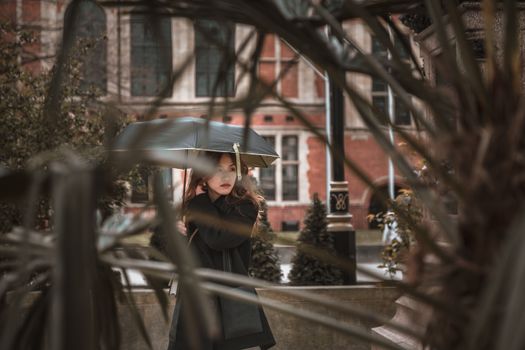 Photo: Zekai Zhu / Pexels
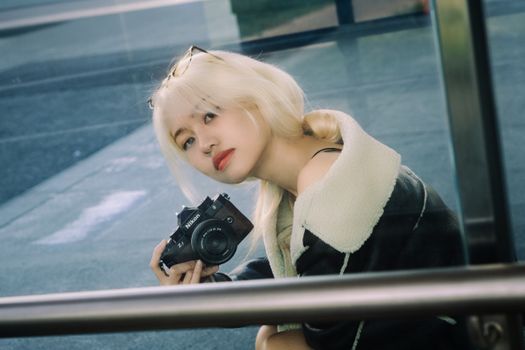 Photo: Khánh LP / Pexels
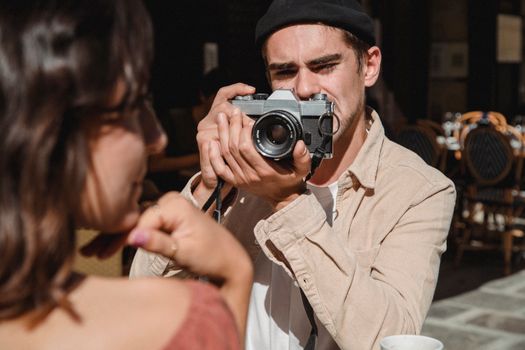 Photo: Bethany Ferr / Pexels
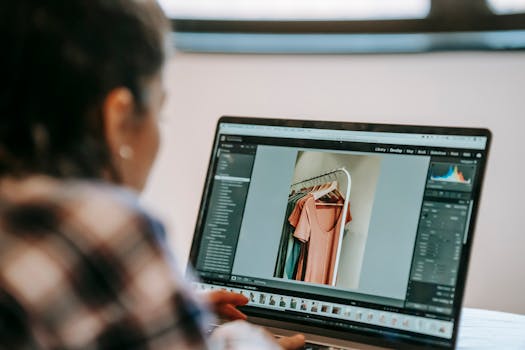 Photo: Liza Summer / Pexels