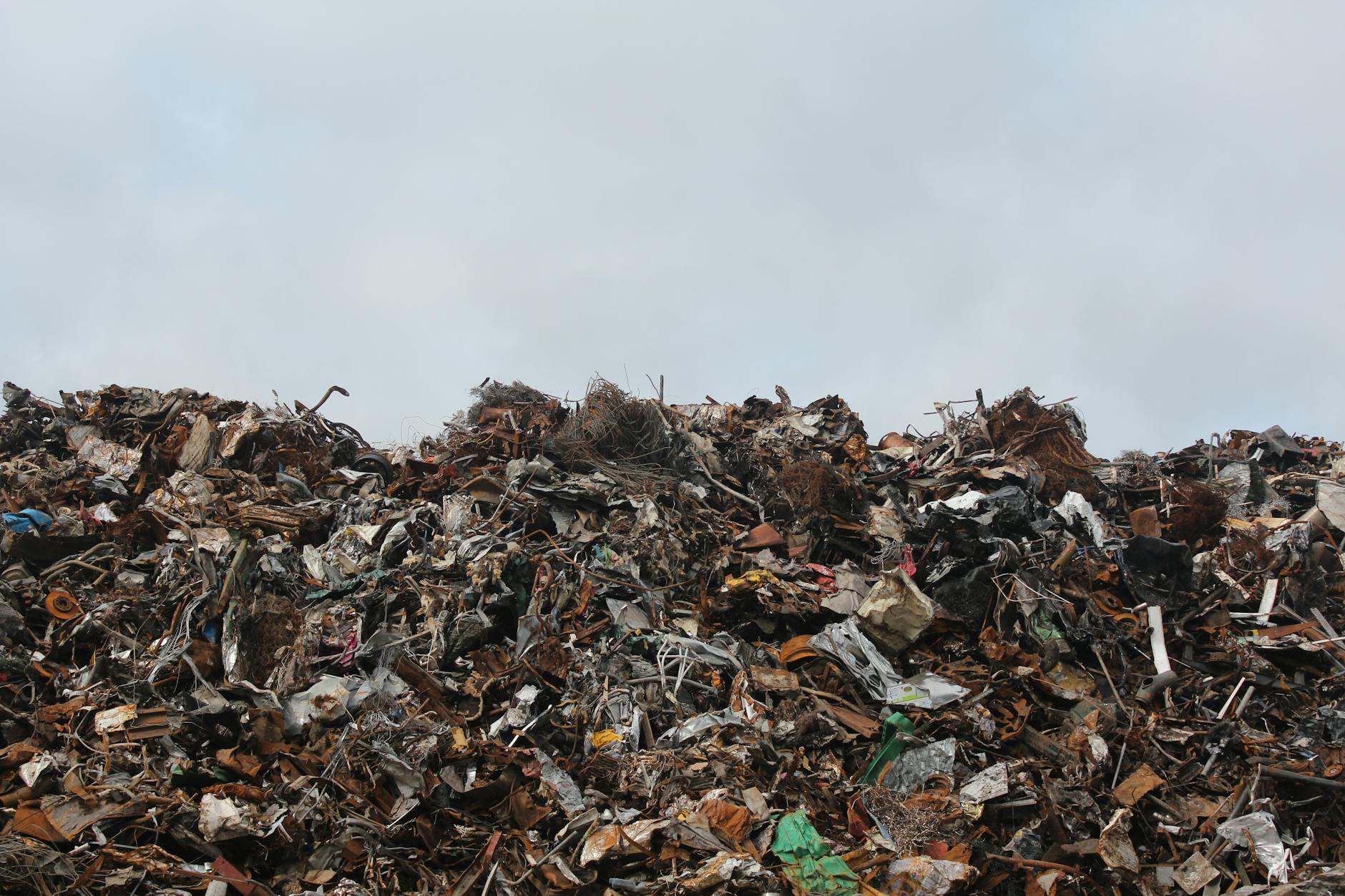
Is Fast Fashion Bad for Environment? The Shocking Truth Revealed
Explore the critical environmental consequences of fast fashion and discover actionable steps for a more sustainable wardrobe.
Discover Your ImpactKey Takeaways
- ✓ The fashion industry is responsible for 10% of global carbon emissions, more than international flights and maritime shipping combined.
- ✓ Textile dyeing is the second largest polluter of clean water globally, often using toxic chemicals.
- ✓ An estimated £140 million worth of clothing goes to landfill in the UK each year.
- ✓ Producing a single cotton t-shirt can require up to 2,700 litres of water, equivalent to what one person drinks in 2.5 years.
How It Works
Fast fashion brands churn out new collections at an unprecedented pace, sometimes weekly. This requires accelerated manufacturing processes, often in countries with lax environmental regulations.
To keep costs low, fast fashion relies heavily on synthetic fabrics like polyester and conventionally grown cotton. These materials have significant environmental footprints and are often produced by underpaid workers.
The low price point encourages consumers to buy more and treat clothing as disposable. Poor quality construction means garments quickly fall apart or go out of style, leading to rapid disposal.
The end result is an enormous volume of textile waste, much of which ends up in landfills or is incinerated. This process releases greenhouse gases, microplastics, and toxic chemicals into the environment.
The Carbon Footprint of Fast Fashion: A Global Crisis
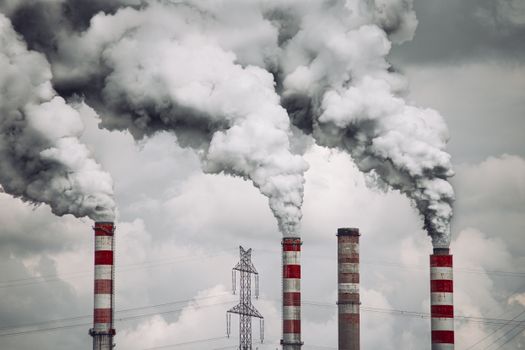 Photo: Janusz Walczak / Pexels
Water Pollution and Resource Depletion: The Hidden Costs of Cheap Clothes
 Photo: Tom Fisk / Pexels
Waste Mountains and Microplastic Menace: The Afterlife of Fast Fashion
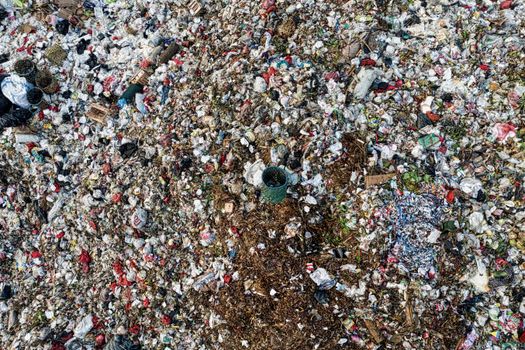 Photo: Tom Fisk / Pexels
Making Sustainable Choices: Your Role in Combating Fast Fashion's Impact
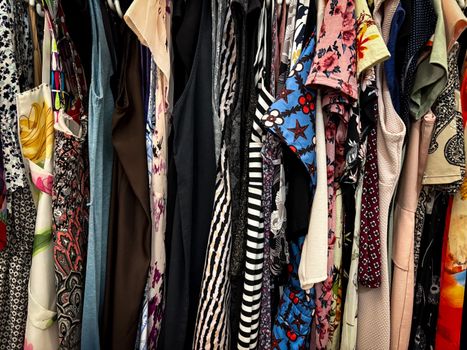 Photo: Magda Ehlers / Pexels
- Embrace the '3 Rs': Reduce, Reuse, Recycle (and Repair!): This classic environmental mantra is particularly relevant to fashion. Reduce your consumption by buying less and focusing on quality over quantity. Reuse by shopping second-hand, swapping clothes with friends, or renting garments for special occasions. Repair items when they tear or break, extending their lifespan. Finally, recycle textiles responsibly when they can no longer be worn or repaired, looking for local textile recycling points.
- Shop Second-Hand and Vintage: This is one of the most effective ways to reduce your fashion footprint. By purchasing pre-loved clothing, you're directly diverting items from landfill and giving them a new life. Charity shops, vintage boutiques, online marketplaces like Vinted or eBay, and dedicated second-hand apps offer a vast array of unique and affordable options.
- Invest in Quality and Durability: Opt for well-made garments from durable materials that are designed to last. While the initial cost might be higher, these items will withstand more wears and washes, proving more economical and sustainable in the long run. Look for natural fibres like organic cotton, linen, hemp, or Tencel, and consider brands known for their craftsmanship.
- Support Ethical and Sustainable Brands: Research brands that prioritise environmental responsibility and ethical labour practices. Look for certifications like GOTS (Global Organic Textile Standard), Fair Trade, or B Corp. These brands often use sustainable materials, minimise waste, and ensure fair wages and safe working conditions for their employees.
- Care for Your Clothes Properly: Proper garment care can significantly extend the life of your clothing. Follow washing instructions, wash less frequently, use cold water, and air dry when possible. This not only saves energy but also reduces the shedding of microplastics from synthetic fabrics.
- Educate Yourself and Others: Stay informed about the issues surrounding fast fashion and share your knowledge with friends and family. The more people who understand the impact of their choices, the greater the collective shift towards a more sustainable fashion industry.
- Participate in Clothing Swaps and Rentals: Organise or join clothing swap events to refresh your wardrobe without buying new. For special occasions or items you'll only wear once, consider renting instead of purchasing. Services like HURR Collective or Rotaro offer stylish options without the commitment of ownership.
Comparison
| Feature | Sustainable Fashion | Fast Fashion | Mid-Range Fashion |
|---|---|---|---|
| Environmental Impact | Low (circular, natural materials) | High (linear, synthetic) | Medium (mixed practices) |
| Production Ethics | High (fair wages, safe conditions) | Low (exploitation, poor conditions) | Variable (some transparency) |
| Quality & Durability | High (made to last) | Low (disposable) | Medium (decent longevity) |
| Price Point | Higher initial, lower cost per wear | Very Low initial, higher cost per wear | Moderate |
| Trend Cycle | Timeless, classic, individual style | Rapid, disposable trends | Seasonal trends, some classics |
| Material Sourcing | Organic, recycled, innovative | Cheap synthetics, conventional cotton | Mix of natural & synthetic |
What Readers Say
"This article completely opened my eyes to just how bad fast fashion is for the environment. I used to buy cheap clothes without thinking, but now I'm actively seeking out second-hand and sustainable brands. It's a real wake-up call!"
Sarah J. · Manchester, GB"I've always been aware of the issue, but this deep dive into water pollution and microplastics truly solidified my decision to only buy ethical fashion. The details on resource depletion were particularly shocking."
Tom K. · Bristol, GB"After reading this, I did a complete wardrobe overhaul, donating what I could and investing in a few quality pieces from sustainable brands. I feel much better about my choices and my clothes are lasting longer."
Eleanor V. · Edinburgh, GB"While the information on why fast fashion is bad for the environment is thorough, I'd love to see even more UK-specific resources for finding sustainable brands or textile recycling points. Still, a very valuable read."
Liam P. · London, GB"As a student on a budget, I thought sustainable fashion was out of reach. This article showed me how second-hand shopping and repairing clothes are fantastic, affordable ways to make a difference. It's truly inspiring."
Chloe M. · Cardiff, GBFrequently Asked Questions
What are the main environmental impacts of fast fashion?
The main impacts include high carbon emissions from production and transport, extensive water pollution from dyeing and chemical use, massive textile waste ending up in landfills, and the release of microplastics from synthetic fabrics into waterways and ecosystems. Each stage contributes significantly to environmental degradation.
Is it true that fast fashion uses a lot of water?
Yes, absolutely. Fast fashion relies heavily on water-intensive crops like conventional cotton, which requires thousands of litres of water per garment. Additionally, the dyeing and finishing processes in manufacturing consume vast amounts of water, often leading to severe water pollution when untreated wastewater is discharged.
How can I tell if a brand is fast fashion?
Look for signs like extremely low prices, frequent new collections (sometimes weekly), an emphasis on fleeting trends, and a lack of transparency about their supply chain and environmental practices. If it seems too good to be true, it likely is.
Is sustainable fashion more expensive?
While sustainable fashion often has a higher initial price point due to ethical production, quality materials, and fair wages, it typically offers a lower 'cost per wear' because garments are designed to last longer. Second-hand and vintage options also make sustainable fashion highly affordable.
How does fast fashion contribute to plastic pollution?
Fast fashion heavily uses synthetic materials like polyester, nylon, and acrylic, which are plastics. When these garments are washed, they shed tiny microfibres (microplastics) that bypass water treatment plants and pollute oceans, rivers, and even our food chain, harming ecosystems.
Who is most affected by fast fashion's environmental issues?
Developing countries, where much of fast fashion production takes place, are often disproportionately affected. Their local communities face severe water pollution, air degradation, and health issues due to unregulated factories and poor waste management practices linked to the industry.
Are there any regulations in the UK to combat fast fashion's environmental impact?
While the UK has some environmental regulations, the global nature of fast fashion supply chains makes comprehensive regulation challenging. There's growing pressure for policy changes, extended producer responsibility, and greater transparency, but consumer action remains a powerful driving force for change.
What are some emerging solutions to the fast fashion problem?
Emerging solutions include circular economy models (recycling, upcycling, repair), innovative sustainable materials (e.g., mushroom leather, algae fabrics), advanced textile recycling technologies, rental and resale platforms, and increased consumer demand for transparency and ethical production.
The answer to 'is fast fashion bad for environment?' is a resounding yes, but your choices have power. By embracing sustainable practices and supporting ethical brands, you can significantly reduce your environmental footprint and contribute to a healthier planet. Make the conscious choice for a better fashion future today.