✓ Always test cleaning solutions on an inconspicuous area first.
✓ Avoid harsh chemicals, which can damage leather's natural oils.
✓ Regular conditioning is crucial for maintaining suppleness.
✓ Professional cleaning is recommended for deep stains or overall rejuvenation.
How It Works
1
Assess Your Jacket's Condition
Before cleaning, carefully inspect your leather jacket for its type, any existing damage, and the nature of the stains. This initial assessment guides your cleaning approach.
2
Gather Your Tools & Supplies
Assemble all necessary items: soft cloths, mild soap, leather cleaner, conditioner, and a spray bottle. Having everything ready streamlines the process.
3
Perform a Spot Test
Apply any cleaning solution to a small, hidden area of the jacket to ensure it doesn't cause discoloration or damage. This crucial step prevents irreversible mistakes.
4
Clean, Condition, and Protect
Follow the appropriate cleaning method for your jacket, then always recondition the leather to restore moisture and finish with a protective layer. This comprehensive approach ensures longevity.
Understanding Your Leather Jacket: Types and Initial Assessment
Photo: Edgar Martínez / Pexels
Before embarking on the journey of how to clean a leather jacket, it's paramount to understand the material you're working with. Leather isn't a monolithic entity; it comes in various forms, each with its unique characteristics and, consequently, its specific care requirements. The most common types include full-grain, top-grain, corrected-grain (often referred to as genuine leather), suede, and nubuck. Full-grain leather is the highest quality, retaining the natural imperfections and grain of the hide, making it incredibly durable but also more susceptible to absorbing oils and stains. Top-grain is slightly buffed to remove imperfections, making it softer and more pliable, while corrected-grain leather has a more significant surface treatment, making it less natural but more resistant to damage. Suede and nubuck are distinct as they have a napped finish, giving them a softer, velvety feel but also making them highly absorbent and prone to staining, requiring a very different cleaning approach than smooth leathers.
Your initial assessment should begin with identifying the type of leather. If you're unsure, check the care label or consult the manufacturer's website. Next, scrutinise the jacket for any pre-existing damage such as tears, scuffs, or areas of excessive wear. These might require professional attention before cleaning. Crucially, examine the nature and extent of the dirt or stains. Is it a light surface dust, a food spill, ink, or perhaps mould? Different types of stains demand specific treatments. For instance, a simple wipe-down might suffice for dust, while an oil stain will require a degreasing agent. Always remember that prevention is better than cure; regularly wiping down your jacket with a dry cloth can prevent dust and grime buildup. Also, consider the age of your jacket; older leather can be more delicate and may require a gentler touch. Knowing these details will not only help you choose the right cleaning method but also prevent accidental damage during the process. Neglecting this crucial first step can lead to irreversible damage or ineffective cleaning, making your efforts futile. Taking the time to properly assess your jacket is the foundation for successful leather garment care and ensures you maintain its integrity and aesthetic appeal for years to come. This foundational understanding is key to any effective leather jacket cleaning strategy.
Essential Tools and Techniques for Cleaning Smooth Leather
Photo: Veli Dede / Pexels
Once you've identified your leather type and assessed its condition, gathering the right tools is the next critical step in understanding how to clean a leather jacket, particularly for smooth leather varieties like full-grain or top-grain. You'll need a collection of soft, clean cloths (microfiber is ideal as it won't scratch), a mild soap (such as saddle soap or a gentle liquid hand soap, free from harsh chemicals, dyes, and fragrances), distilled water, a spray bottle, and a dedicated leather cleaner and conditioner. For minor surface dirt and dust, a simple dry wipe-down with a soft cloth is often sufficient. This should be done regularly to prevent grime from accumulating and embedding itself into the leather's pores.
For more stubborn dirt or general cleaning, start by mixing a small amount of mild soap with distilled water in the spray bottle. Lightly dampen one of your soft cloths with this solution – it should be damp, not soaking wet. Gently wipe down the entire surface of the jacket in small sections, using a circular motion. Avoid scrubbing vigorously, as this can damage the leather finish. Immediately follow with a second clean, damp cloth (dampened with plain distilled water) to wipe off any soap residue. It's crucial to remove all soap, as left-over residue can dry out or discolour the leather over time. After cleaning, allow the jacket to air dry completely in a well-ventilated area, away from direct sunlight or heat sources. Never use a hairdryer or artificial heat, as this can cause the leather to crack or shrink. Once dry, apply a high-quality leather conditioner using a separate clean cloth. Work the conditioner into the leather in small sections, allowing it to absorb for a few minutes before buffing gently with another clean, dry cloth. Conditioning replenishes the natural oils in the leather, keeping it supple, preventing cracking, and restoring its lustre. This dual approach of cleaning and conditioning is vital for maintaining the health and appearance of your smooth leather jacket, ensuring it remains a stylish staple in your wardrobe for years.
For specific stains, different techniques apply. For oil or grease stains, sprinkle cornstarch or talcum powder directly onto the stain and let it sit for several hours, or even overnight, to absorb the oil. Gently brush off the powder. Repeat if necessary. For ink marks, a cotton swab dipped in rubbing alcohol can be used, but only with extreme caution and after a thorough spot test, as alcohol can strip the leather's finish. For mould or mildew, a solution of equal parts rubbing alcohol and water applied with a damp cloth can be effective, followed by a thorough drying. Always remember to test any new cleaning agent on an inconspicuous area first to prevent accidental damage or discoloration. Consistency and gentleness are key when cleaning smooth leather.
Specialised Care for Suede, Nubuck, and Challenging Stains
Photo: Ray Piedra / Pexels
Cleaning suede and nubuck leather jackets requires a distinctly different approach compared to their smooth counterparts, primarily due to their unique napped texture. These materials are far more delicate and absorbent, making them highly susceptible to water damage and permanent staining. The golden rule for how to clean a leather jacket made of suede or nubuck is to avoid water-based solutions as much as possible. Instead, invest in a good quality suede brush and a suede eraser. For everyday dust and light dirt, use the suede brush to gently brush the surface in one direction, lifting the nap and removing superficial particles. For scuffs and minor marks, the suede eraser works wonders; gently rub the eraser over the mark, then brush the nap back into place. For more persistent stains, a specialised suede cleaner (often a spray-on solution) should be used, always following the product's instructions and performing a spot test first. It's also advisable to regularly treat suede and nubuck jackets with a water and stain repellent spray to create a protective barrier against future damage. Air drying is crucial, and never expose these leathers to direct heat.
Beyond specific leather types, challenging stains on any leather jacket demand careful attention. For stubborn grime that a mild soap solution can't tackle, a dedicated commercial leather cleaner is often the best recourse. These products are formulated to be safe for leather while effectively breaking down dirt and grease. Always apply them to a cloth first, rather than directly onto the jacket, and work in small sections. For ink stains on smooth leather, a cotton swab dipped in rubbing alcohol can be used, but with extreme caution. Dab, don't rub, and only apply to the ink itself, then immediately blot dry. This method carries a risk of stripping the leather's finish, so a spot test is non-negotiable. For oil or grease, cornstarch or talcum powder remains the most effective home remedy, absorbing the oil over several hours. For mould or mildew, a diluted solution of white vinegar (equal parts vinegar and water) can be applied with a damp cloth, followed by drying and conditioning. In all cases, after treating a stain, recondition the entire jacket to ensure even moisture distribution and prevent dry patches. When in doubt about a particularly challenging stain or if your jacket is a valuable or delicate piece, seeking professional leather cleaning services is always the safest and most recommended option. Professionals have access to specialised tools and chemicals that can address complex issues without damaging the leather, offering peace of mind and preserving your investment.
Common Mistakes to Avoid and Long-Term Leather Care Tips
Photo: Moe Magners / Pexels
Understanding how to clean a leather jacket effectively goes hand-in-hand with knowing what *not* to do. Many common mistakes can inadvertently damage your beloved leather piece, often irreversibly. One of the biggest errors is using harsh household cleaning products like bleach, ammonia-based cleaners, or abrasive scrubs. These chemicals will strip the leather's natural oils, leading to dryness, cracking, discoloration, and irreparable damage to the finish. Another frequent mistake is over-wetting the leather. Water, especially in excess, can stain, stiffen, and even warp leather, particularly delicate types like suede. Always use a damp, not soaking, cloth, and blot spills immediately. Direct heat is also a significant enemy; never dry your leather jacket with a hairdryer, radiator, or in direct sunlight, as this causes the leather to shrink, crack, and become brittle. Similarly, storing your jacket in plastic bags or airtight containers can lead to moisture buildup and mould growth, so always use breathable garment bags and store it in a cool, dry place.
Here are some crucial mistakes to avoid and long-term care tips:
* **Avoid Machine Washing:** Leather jackets are never suitable for washing machines, regardless of the setting. The tumbling action and harsh detergents will destroy the leather's structure and finish.
* **Don't Over-Condition:** While conditioning is essential, over-conditioning can clog pores and make the leather feel greasy. Apply a thin, even layer as recommended by the product.
* **Neglecting Spot Tests:** Always, without exception, test any cleaning product or solution on an inconspicuous area first. This prevents potential damage to visible parts of the jacket.
* **Ignoring Care Labels:** Manufacturers' care labels provide specific instructions for your jacket's leather type. Always read and follow them.
For long-term leather care, regular maintenance is key. Dust your jacket weekly with a soft cloth. Condition it every 3-6 months, or more frequently if you live in a dry climate or wear it often. Hang your jacket on a wide, padded hanger to maintain its shape, avoiding wire hangers that can cause shoulder creases. If your jacket gets wet from rain, allow it to air dry naturally at room temperature, then recondition it. For scuffs and minor scratches, a leather repair balm or cream can often blend them away, restoring the jacket's appearance. Investing in a good quality leather protector spray can also add an extra layer of defence against water and stains. By avoiding these common pitfalls and adopting a routine of proactive care, you can ensure your leather jacket remains a stylish, cherished item in your wardrobe for many years, truly standing the test of time.
Comparison
Feature
Home Cleaning (Mild)
Home Cleaning (Deep)
Professional Cleaning
Suede/Nubuck Specific
Cost
Low
Medium
High
Medium
Effectiveness for Light Dirt
Excellent
Good
Excellent
Good
Effectiveness for Stubborn Stains
Limited
Good (with caution)
Excellent
Limited
Risk of Damage
Low
Medium
Low (if reputable)
High (if water-based)
Required Expertise
Low
Medium
High
Medium
Time Commitment
Low
Medium
Low (for you)
Medium
Best For
Regular upkeep
Specific stains
Overall rejuvenation
Napped leathers
What Readers Say
★★★★★
"This guide on how to clean a leather jacket was a lifesaver! My vintage biker jacket had some old, dried-on grime, and following the mild soap method brought it back to life. It looks so much richer now."
Sarah J. · London, England
★★★★★
"I was hesitant to clean my expensive leather jacket myself, but the detailed steps provided here made it straightforward. The advice on spot testing was invaluable, preventing a potential disaster on a new stain."
Mark D. · Manchester, England
★★★★★
"My suede jacket had a few scuffs that I thought were permanent. Using the suede brush and eraser as recommended really worked! The difference is remarkable, it looks almost new again."
Eleanor P. · Edinburgh, Scotland
★★★★★
"Good practical advice, especially on avoiding harsh chemicals. I managed to get a food stain off my jacket, though it took a couple of attempts with the cornstarch method. Still, much better than paying for professional cleaning."
Tom R. · Cardiff, Wales
★★★★★
"The long-term care tips in this article were fantastic. I've started conditioning my jacket regularly, and it feels so much softer and looks healthier. Definitely a comprehensive resource on how to clean a leather jacket."
Jessica L. · Birmingham, England
Frequently Asked Questions
What is the safest way to clean a leather jacket at home?
The safest way involves using a mild soap (like saddle soap or gentle hand soap) diluted in distilled water, applied with a soft, damp cloth. Always test on an inconspicuous area first, wipe off residue, and follow with a leather conditioner to rehydrate the material.
Can I use water to clean my leather jacket?
For most smooth leathers, a lightly damp cloth with a mild cleaning solution is acceptable, but avoid over-wetting. For suede and nubuck, water should generally be avoided as it can cause permanent stains and damage to the nap. Always blot, don't rub, and air dry naturally.
How do I remove a grease stain from my leather jacket?
For grease stains, sprinkle a generous amount of cornstarch or talcum powder directly onto the stain. Let it sit for several hours or overnight to absorb the oil, then gently brush it off. Repeat the process if necessary until the stain is lifted.
Is professional leather cleaning worth the cost?
Professional leather cleaning is often worth the cost for valuable, delicate, or heavily soiled jackets, or for complex stains that you're unsure how to tackle. Professionals have specialized equipment and expertise to clean thoroughly without damaging the leather, preserving your investment.
What's the difference between cleaning smooth leather and suede/nubuck?
Smooth leather can tolerate mild water-based solutions, while suede and nubuck, with their napped texture, are highly sensitive to water and require dry cleaning methods like brushing and specialized erasers or spray cleaners to avoid damage and matting.
Who should consider cleaning their leather jacket at home?
Anyone with minor dirt, light stains, or simply looking to refresh their leather jacket and perform routine maintenance can clean it at home. However, for significant damage, deep stains, or if unsure, professional cleaning is always the safer option.
Are there any chemicals I should absolutely avoid using on leather?
Yes, absolutely avoid harsh chemicals such as bleach, ammonia-based cleaners, nail polish remover, abrasive cleaners, furniture polish, or any product not specifically formulated for leather. These can strip natural oils, cause discoloration, and lead to irreversible damage.
What are the emerging trends in eco-friendly leather cleaning products?
The trend is towards natural, plant-based leather cleaners and conditioners that are free from harsh chemicals, sulfates, and parabens. Brands are focusing on biodegradable formulas and sustainable sourcing, offering effective cleaning while being gentler on the environment and the leather itself.
Now that you're armed with the comprehensive knowledge on how to clean a leather jacket, you can confidently maintain your cherished garment. Regular care and the right techniques will ensure your leather jacket remains a stylish and durable companion for countless seasons to come. Don't let dirt or stains diminish its appeal – embrace the art of leather care and keep your jacket looking its best.

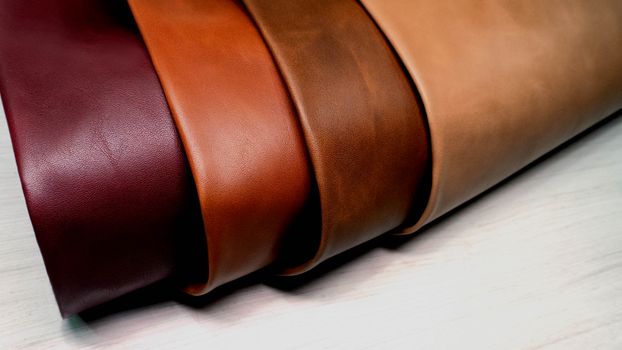 Photo: Edgar Martínez / Pexels
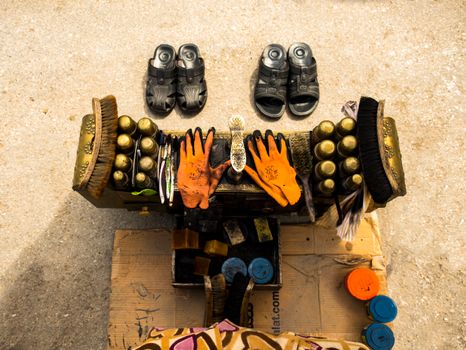 Photo: Veli Dede / Pexels
 Photo: Ray Piedra / Pexels
 Photo: Moe Magners / Pexels