How to Choose the Right Jeans: Your Ultimate Guide
June 15, 2026 18 min read 3,589 words
Discover the perfect pair of jeans that flatters your figure and reflects your personal style with expert advice.
Find Your Perfect Pair
Understanding Your Unique Body Shape for Flattering Denim
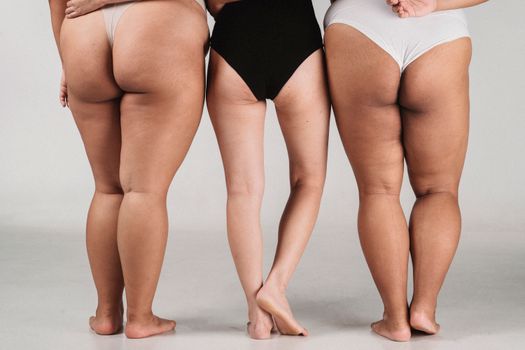 Photo: Roberto Hund / Pexels
Finding the perfect pair of jeans is less about following fleeting trends and more about understanding your unique body shape. This fundamental step is often overlooked, yet it’s the cornerstone of selecting denim that flatters and makes you feel confident. Let's break down the most common body shapes and the jean styles that tend to complement them best, ensuring you know how to choose the right jeans for your figure.
For those with an 'Apple' body shape, characterised by a fuller midsection, slimmer legs, and broader shoulders, the goal is often to balance the silhouette. High-waisted jeans can be incredibly effective here, providing support and creating a defined waistline. Styles like straight-leg, bootcut, or even a subtle flare can help to balance out the upper body, drawing attention downwards and creating a more harmonious look. Avoid anything too tight around the waist or overly skinny on the legs, which can accentuate the midsection.
Discover more fashion tips for apple shapes.
If you have a 'Pear' body shape, meaning you have wider hips and thighs compared to your bust and shoulders, the aim is usually to elongate the legs and balance the lower half. Bootcut and flare jeans are fantastic choices as they create a visual balance with the hips. Darker washes are also very flattering as they have a slimming effect. Mid-rise jeans can work well, sitting comfortably without cutting into the widest part of your hips. Skinny jeans can also work, but opt for ones with a good amount of stretch and ensure the waist isn't too tight, which can cause gaping at the back.
'Hourglass' figures, defined by a well-defined waist, balanced bust and hips, are often considered the easiest to dress. The key is to highlight that natural waistline. High-waisted and mid-rise jeans are excellent choices, accentuating the smallest part of your torso. Straight-leg, skinny, bootcut, and even wide-leg styles can all look fantastic, provided they fit well around the waist and hips. Avoid very low-rise jeans that can make your torso appear shorter and disrupt your natural proportions.
'Rectangle' body shapes typically have a more athletic build with shoulders, waist, and hips of similar measurements. The goal here is often to create curves or add definition. Low to mid-rise jeans can help create the illusion of a curvier hip line. Styles like bootcut, flare, or even a relaxed straight leg can add volume to the lower half. Jeans with details like whiskering on the thighs or embellished pockets can also add visual interest and create a more shapely appearance. Avoid overly boxy or straight cuts that might further emphasise a lack of curves.
Finally, the 'Inverted Triangle' body shape features broader shoulders and bust compared to narrower hips. Here, the focus is on adding volume to the lower body to balance the wider upper half. Wide-leg, flare, and bootcut jeans are excellent for this, as they add bulk and create a more proportional silhouette. Lighter washes and jeans with distinctive pocket details can also draw attention downwards. High-waisted styles can also work well, especially if they are wider through the leg, as they help to lengthen the lower body. Understanding these basic principles of body shape and denim selection is the first, most crucial step in mastering how to choose the right jeans that truly enhance your personal style and comfort.
Navigating the World of Denim Styles and Rises
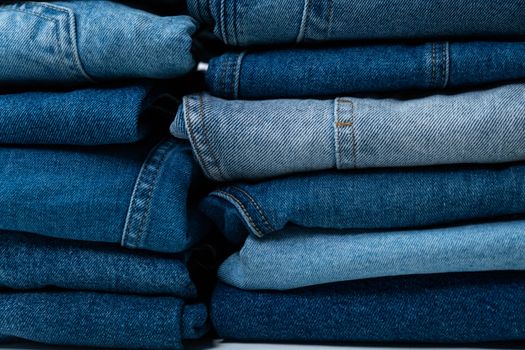 Photo: cottonbro studio / Pexels
Once you've got a handle on your body shape, the next crucial step in knowing how to choose the right jeans is to decode the vast array of denim styles and rises available. Each cut and waist height offers a distinct aesthetic and can dramatically alter how your figure appears. Understanding these options will empower you to make informed choices that align with your personal style and comfort preferences.
Let's start with the classic 'Skinny' jean. This style is characterised by a tight fit from the waist all the way down to the ankle. Skinnies are incredibly versatile and can be dressed up or down. They work well for many body types, especially when paired with longer tops or tunics for those who prefer more coverage. For pear shapes, a skinny with good stretch can be flattering, while hourglass figures can rock them effortlessly. Rectangle shapes might find skinnies accentuate their straight lines, but can be balanced with voluminous tops.
'Straight-leg' jeans offer a universally flattering and timeless silhouette. They maintain a consistent width from the thigh down to the ankle, providing a more relaxed fit than skinnies without being baggy. This style is a fantastic choice for almost all body types, offering a comfortable and chic alternative. They can elongate the legs and provide a clean line, making them perfect for both casual and more polished looks. They are particularly good for apple shapes, as they don't cling to the midsection, and for pear shapes, as they balance the hips.
'Bootcut' jeans, as the name suggests, are designed to fit over boots. They are typically fitted through the thigh and then flare out slightly from the knee down. This subtle flare helps to balance wider hips and can make legs appear longer, making them a superb option for pear and hourglass figures. They also work well for apple shapes by creating a more balanced lower half. Their classic appeal makes them a staple in many wardrobes.
'Flare' jeans take the bootcut concept further, with a more dramatic widening from the knee downwards. Rooted in 70s fashion, flares are excellent for creating an exaggerated silhouette that balances broader shoulders, making them ideal for inverted triangle body types. They also work wonders for pear shapes by adding volume to the lower leg, thus creating a more proportional look. When choosing flares, consider the length; they often look best when just skimming the floor with your chosen footwear.
'Mom jeans' are a vintage-inspired style, typically high-waisted, with a relaxed fit through the thigh and tapering slightly at the ankle. They offer comfort and a casual, retro vibe. Mom jeans are great for rectangle body shapes as the higher waist can create the illusion of curves, and for apple shapes, offering comfort around the midsection while still providing a stylish silhouette. For hourglass figures, they can accentuate the waist beautifully.
'Boyfriend jeans' are another relaxed option, designed to look as if you've borrowed them from a man's wardrobe – hence the name. They are generally looser through the leg and often rolled at the cuff. This relaxed fit makes them incredibly comfortable and perfect for casual wear. They can work for various body types, adding a casual edge. For rectangle shapes, they offer a relaxed, stylish alternative to tighter fits, and for pear shapes, they provide comfort without clinging.
Beyond the cuts, the 'rise' of your jeans is equally important. 'Low-rise' jeans sit below the natural waist, often on the hips. While popular in the early 2000s, they can be less forgiving and are generally not recommended for apple shapes. 'Mid-rise' jeans sit just below the navel, offering a comfortable and versatile option that suits most body types. They provide good coverage without being overly high. 'High-rise' jeans sit at or above the natural waist, often covering the navel. These are incredibly popular for their ability to cinch the waist, elongate the legs, and provide a flattering silhouette for hourglass, apple, and rectangle shapes, offering support and a defined waistline. Understanding these styles and rises is paramount in mastering how to choose the right jeans that perfectly blend fashion with function.
The Impact of Fabric, Wash, and Sustainable Choices
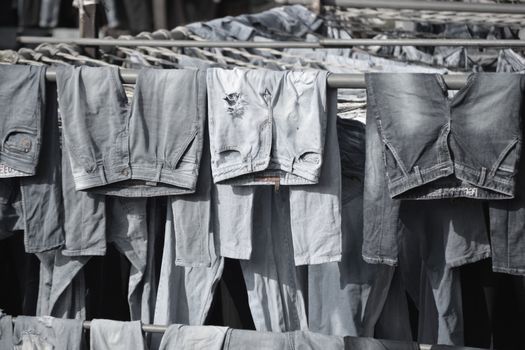 Photo: AMOL NAKVE / Pexels
Beyond fit and style, the fabric composition, wash, and increasingly, the sustainability of your jeans play a pivotal role in comfort, appearance, and ethical consumption. When learning how to choose the right jeans, these elements are just as critical as the cut and rise. They dictate how the denim feels, how it drapes, and even how long it lasts.
Let's delve into fabric first. Traditional denim is made from 100% cotton, known for its durability and ability to mould to the wearer's body over time. This type of denim, often referred to as 'raw denim' or 'selvedge denim' (which refers to the self-finished edges that prevent unraveling), is stiff initially but softens beautifully with wear, developing unique fades and creases that tell the story of your life. While highly valued by denim purists, 100% cotton can lack the immediate comfort and flexibility many seek. For those who prioritize comfort and ease of movement, 'stretch denim' is the answer. This blend typically incorporates a small percentage of elastane (also known as spandex or Lycra) with cotton. The stretch content can range from 1% for a slight give to 5% or more for super-stretchy, jegging-like comfort. Stretch denim is excellent for skinny jeans and other fitted styles, as it allows for a snug fit without restricting movement. However, too much stretch can lead to jeans losing their shape over time, so finding the right balance is key. Some newer denim fabrics also incorporate Tencel or Modal for added softness and drape, or recycled polyester for improved sustainability.
Next, consider the 'wash' of the denim. The wash refers to the process used to give jeans their colour and texture after they are dyed indigo. 'Raw' or 'unwashed' denim is the darkest, stiffest, and will fade uniquely with wear. 'Dark wash' jeans retain a deep indigo hue and are incredibly versatile, suitable for both casual and more formal settings. They tend to have a slimming effect and are a great starting point for any wardrobe. 'Mid-wash' jeans are a classic, everyday option, offering a balanced blue tone that pairs well with almost anything. 'Light wash' jeans have a faded, often distressed look, evoking a more casual, vintage, or summery vibe. 'Acid wash' and 'stone wash' are specific treatments that create distinctive patterns and a softer, worn-in feel. The wash can significantly alter the perceived formality and style of the jeans, so choose one that aligns with your overall aesthetic.
Explore how different washes impact your overall outfit.
Finally, the conversation around 'sustainable denim' is more important than ever. Traditional denim production is notoriously resource-intensive, particularly in terms of water usage and chemical dyes. As consumers become more environmentally conscious, many brands are now offering eco-friendly alternatives. Look for jeans made from organic cotton, which is grown without harmful pesticides, or recycled cotton, which reduces waste. Brands employing innovative dyeing techniques that use less water and fewer chemicals, or those using technologies like laser distressing instead of traditional stone washing, are also contributing to a more sustainable future. Checking for certifications like GOTS (Global Organic Textile Standard) or BCI (Better Cotton Initiative) can help you identify brands committed to ethical practices. Investing in sustainable denim not only benefits the planet but often means a higher quality, more durable product that you'll feel good about wearing. These considerations of fabric, wash, and sustainability are integral to making an informed decision about how to choose the right jeans that not only look good but also align with your values.
Fit Assessment and Common Mistakes to Avoid
 Photo: Mikhail Nilov / Pexels
The final, and arguably most critical, stage in mastering how to choose the right jeans involves a thorough fit assessment and being aware of common pitfalls. Trying on jeans isn't just about the size label; it's about how they feel, move, and look on your unique body. Don't rush this process; it's an investment in your comfort and style.
When you try on jeans, pay attention to these key areas:
* **The Waist:** It should fit snugly without being uncomfortably tight or digging in. There should be no significant gap at the back when you sit down. If there is a gap, the waist is too large, or the rise isn't right for your body.
* **The Hips and Thighs:** The fabric should lay smoothly across your hips and thighs. If you see horizontal lines or 'whiskering' radiating from the crotch area, the jeans are too tight. If there's excess fabric bunching up, they're too loose.
* **The Crotch:** This area should fit comfortably, not too high or too low. A saggy crotch indicates the jeans are too big, while a 'camel toe' situation means they are too small or the rise is incorrect.
* **The Length:** This is crucial. For skinny jeans, they should typically hit at or just above the ankle. Straight-leg jeans often look best grazing the top of your shoes. Bootcut and flare jeans should be long enough to cover most of your shoe, with the hem just above the ground when wearing your intended footwear. Always try jeans on with the shoes you plan to wear them with most often.
* **The Back:** Check the pockets. They should be proportionate to your bum and sit flatteringly. Pockets that are too small or too far apart can make your bum look wider; too large can make it look flatter.
**Common Mistakes to Avoid When Choosing Jeans:**
1. **Buying the Wrong Size:** Don't get fixated on the number on the label. Sizes vary wildly between brands. Focus on how the jeans feel and look, not the vanity size. If they feel slightly snug but comfortable in the changing room, they might be perfect after a bit of wear, especially if they're 100% cotton.
2. **Ignoring the Stretch Factor:** If you're buying stretch denim, remember they will likely give a little. If they feel perfectly comfortable and slightly loose when you first try them on, they might become too baggy after a few hours of wear. Aim for a comfortable snugness.
3. **Forgetting About the Rise:** The rise (low, mid, high) dramatically impacts comfort and how your body looks. A high-rise might be perfect for defining a waist, while a mid-rise offers versatility. Don't just grab the first pair; experiment with different rises.
4. **Not Trying Before You Buy:** This is perhaps the biggest mistake. Jeans need to be tried on. Move around, sit down, bend over. Do they restrict you? Do they gape? A quick try-on in front of a mirror isn't enough.
5. **Only Sticking to One Style:** Be open to trying different cuts, even ones you think won't suit you. You might be surprised! Your 'perfect' jeans could be a style you've never considered before.
6. **Neglecting Your Personal Style:** While expert advice is helpful, your jeans should ultimately reflect who you are. If you don't feel like yourself in them, they're not the right jeans for you, no matter how 'flattering' they're supposed to be.
By meticulously assessing the fit and consciously avoiding these common errors, you'll significantly improve your chances of discovering that elusive, perfect pair. This detailed approach is central to truly understanding how to choose the right jeans that will serve you well for years to come.