✓ Always check the care label first, as silk blends may require different treatment.
✓ Hand washing is generally preferred for silk to minimise damage and preserve fabric integrity.
✓ Avoid high heat for both washing and drying, as it can shrink, damage, and dull silk fibres.
✓ Use pH-neutral, silk-specific detergents to protect the delicate protein structure of silk.
How It Works
1
Pre-Treat Stains Gently
Address any stains promptly by gently dabbing with a mild silk-friendly detergent. Never rub vigorously, as this can damage the delicate fibres.
2
Hand Wash or Machine Wash Delicately
For hand washing, use cool water and a specialised silk detergent. If machine washing, place the garment in a mesh bag and select a 'delicate' or 'hand wash' cycle with cold water.
3
Rinse Thoroughly and Press
Rinse the silk thoroughly under cool, running water until all detergent is gone. Gently press out excess water by rolling the garment in a clean towel, avoiding twisting or wringing.
4
Air Dry Away from Direct Heat
Lay the silk garment flat on a clean, dry surface or hang it on a padded hanger, away from direct sunlight or heat. Allow it to air dry completely to prevent shrinking or damage.
Understanding Silk: The Foundation of Proper Care
Photo: Davis Vidal / Pexels
Silk, often hailed as the 'Queen of Fabrics', is renowned for its exquisite sheen, luxurious feel, and natural breathability. Its unique properties stem from its protein structure, similar to human hair, making it incredibly strong yet delicate. This natural protein fibre, produced by silkworms, has been cherished for millennia, gracing everything from royal robes to everyday scarves. Understanding this fundamental composition is the first step in learning how to care for silk garments effectively. Unlike synthetic fabrics, silk is a poor conductor of heat, meaning it feels cool in summer and warm in winter, adapting to your body temperature. It's also naturally hypoallergenic and resistant to dust mites, making it an excellent choice for those with sensitive skin or allergies. However, its protein-based nature also means it's susceptible to damage from harsh chemicals, high temperatures, and direct sunlight. These elements can degrade the protein fibres, leading to dullness, loss of elasticity, and even irreparable damage like shrinking or yellowing. For instance, chlorine bleach will dissolve silk fibres, and strong alkaline detergents can strip away its natural lustre. Therefore, the approach to cleaning and maintaining silk must be gentle, mirroring the fabric's own delicate elegance. Always check the care label on your silk items, as some manufacturers might have specific recommendations, especially for blended fabrics or intricate designs. While most silk is washable, some heavily embellished or structured pieces might be 'dry clean only'. Ignoring these labels can lead to disastrous results, turning a cherished item into a textile mishap. The investment in silk is not just financial; it's an investment in timeless style and comfort. Preserving this investment requires knowledge and a gentle hand, ensuring that each silk piece retains its signature drape and softness for years to come. This foundational understanding sets the stage for the practical steps we'll explore, from washing to storage, all designed to extend the life and beauty of your silk collection. Learning the nuances of silk care is akin to mastering a craft; it requires patience, attention to detail, and the right tools. From the moment you purchase a silk item, consider its care a part of its journey with you. Proper handling from day one can significantly impact its longevity and appearance, making it a sustainable choice in your wardrobe. Explore more about sustainable fashion choices here.
The Art of Washing Silk: Hand vs. Machine
Photo: Burst / Pexels
When it comes to washing silk, the primary goal is to cleanse without compromising the fabric's delicate structure or natural lustre. The choice between hand washing and machine washing often depends on the garment's construction, embellishments, and your comfort level. For most silk garments, particularly blouses, scarves, and lingerie, hand washing is the gold standard. It offers the most control and minimises stress on the fibres. To hand wash, begin by filling a clean basin or sink with cool to lukewarm water. Avoid hot water, as it can cause silk to shrink and lose its sheen. Add a small amount of pH-neutral, silk-specific detergent. These detergents are formulated to be gentle on protein fibres, unlike conventional detergents that can be too harsh. Submerge your silk item, gently swishing it around for a few minutes. Do not rub, scrub, or wring the fabric, as this can stretch or damage the fibres. Allow it to soak for no more than 5-10 minutes. Prolonged soaking can also weaken the fibres. Rinse the garment thoroughly under cool, running water until all soap residue is gone. Again, avoid twisting or wringing. Instead, gently press the water out by rolling the garment in a clean, dry towel. This absorbs excess moisture without stressing the fabric.
While hand washing is preferred, modern washing machines often feature delicate or silk cycles that can be used for less fragile silk items, such as silk sheets or pyjamas. If opting for machine washing, always place your silk garment in a mesh laundry bag. This acts as a protective barrier, preventing snags, stretching, and friction with other items in the load. Select the 'delicate' or 'hand wash' cycle with cold water and the lowest spin speed available. Use a silk-specific detergent. Never use bleach or detergents containing enzymes, as these will break down silk proteins. Even with a delicate cycle, machine washing still carries a higher risk of fibre damage compared to hand washing, so it's a decision to make based on the garment's resilience and your personal preference. After washing, whether by hand or machine, the drying process is crucial. Never put silk in a tumble dryer. The high heat will cause irreversible shrinkage, dullness, and can even scorch the fibres. Instead, lay the garment flat on a clean, dry towel or hang it on a padded hanger, away from direct sunlight or heat sources. Sunlight can cause silk to fade and weaken over time. Ensure the garment is completely dry before storing to prevent mildew. The gentle approach during washing and drying is paramount to maintaining the luxurious feel and appearance of your silk garments, ensuring they remain a cherished part of your wardrobe.
Drying, Ironing, and Storing Your Silk Treasures
Photo: https://kaboompics.com/ / Pexels
Once your silk garment is freshly washed, the subsequent steps of drying, ironing, and storage are equally vital in preserving its pristine condition. As previously mentioned, tumble drying is a strict no-go for silk. The intense heat of a dryer will cause irreversible shrinkage, dull the fabric's natural lustre, and weaken its delicate fibres. Instead, after gently pressing out excess water, the best method is air drying. Lay the silk item flat on a clean, dry towel. This helps maintain its original shape and prevents stretching that can occur if hung when too wet. Alternatively, if the garment can support its own weight without stretching (e.g., a sturdy silk shirt), you can hang it on a padded hanger. Avoid wire hangers, which can leave marks or distort the fabric. Crucially, always dry silk away from direct sunlight or any artificial heat sources like radiators. Direct sunlight can cause silk to fade unevenly and weaken the fibres over time, leading to premature deterioration. Allow the garment to dry completely before storing to prevent mildew or musty odours. Patience is key here; rushing the drying process can do more harm than good.
Ironing silk requires a delicate touch and the correct settings. Always iron silk when it is slightly damp, or use a steamer. If the garment is dry, mist it lightly with water before ironing. Turn the garment inside out before ironing to protect the outer surface from shine marks. Use the lowest heat setting on your iron, typically labelled 'silk' or 'low'. A pressing cloth (a thin piece of cotton or linen) can also be used between the iron and the silk for added protection. Move the iron quickly and smoothly across the fabric, avoiding prolonged contact in any one spot. If you have a steamer, this is often the gentlest and most effective method for removing wrinkles from silk, as it uses steam to relax the fibres without direct heat contact. Hang the garment immediately after steaming or ironing to allow any remaining moisture to evaporate and the fabric to cool and set.
Proper storage is the final piece of the puzzle in how to care for silk garments. Silk should be stored in a cool, dry, and dark place. Avoid storing silk in plastic bags or containers for extended periods, as this can trap moisture and lead to yellowing or mildew. Breathable garment bags made from cotton or canvas are ideal for protecting silk items from dust and light while allowing air circulation. For delicate items like scarves or lingerie, you can gently fold them and place them in drawers lined with acid-free tissue paper. For garments that are prone to wrinkling or that you wish to keep pristine, hanging them on padded hangers is best. Ensure your wardrobe isn't overcrowded, as crushed silk can lead to permanent creases. Keep silk away from direct sunlight in your wardrobe, as light exposure can still cause fading even when stored. Consider using cedar blocks or lavender sachets to deter moths, but ensure they don't directly touch the silk, as essential oils can stain. By diligently following these drying, ironing, and storage guidelines, you can significantly extend the life and maintain the exquisite beauty of your cherished silk collection, ensuring they remain luxurious for years to come. Discover more tips for extending the life of your luxury fashion items here.
Common Silk Care Mistakes and Expert Tips
Photo: Tima Miroshnichenko / Pexels
Even with the best intentions, it's easy to make mistakes when caring for delicate silk garments. Avoiding these pitfalls is crucial for preserving the fabric's integrity and luxurious appeal. One of the most common errors is using harsh detergents. Standard laundry detergents, especially those with enzymes or bleach, are formulated to break down proteins and stains, which unfortunately means they will degrade silk fibres. Always opt for a pH-neutral, silk-specific detergent. Another frequent mistake is using hot water. High temperatures, whether in washing or drying, cause silk to shrink, lose its sheen, and can even damage the molecular structure of the protein fibres. Stick to cool or lukewarm water for washing and always air dry. Vigorous rubbing or wringing during washing is also detrimental, as it stretches and breaks the delicate threads, leading to pilling or distortion. Instead, handle silk with the utmost gentleness, pressing out water rather than twisting.
Direct sunlight is a powerful enemy of silk. Leaving silk to dry in direct sun, or storing it where it's exposed to sunlight, will cause fading, yellowing, and weaken the fibres over time. Always dry and store silk away from direct light. Similarly, using a hot iron directly on dry silk can scorch or create permanent shine marks. Iron silk while slightly damp on a low setting, preferably from the inside out, or use a steamer. Over-washing is another subtle mistake. Silk is naturally resistant to dirt and odours, so it doesn't need to be washed after every wear unless visibly soiled. Airing out silk garments between wears can often be sufficient. Lastly, neglecting professional dry cleaning for 'dry clean only' items can lead to irreparable damage. Always respect the care label, especially for structured or embellished silk pieces.
Here are some expert tips to elevate your silk care routine:
* **Spot Treat Immediately:** For spills, blot gently with a clean, damp cloth and a tiny bit of silk detergent. Never rub.
* **Use a Laundry Bag:** Even for hand washing, a mesh bag can provide an extra layer of protection, particularly for lace-trimmed or very delicate items.
* **Store Properly:** Always use padded hangers for blouses and dresses, and fold delicate items with acid-free tissue paper to prevent creasing and yellowing.
* **Avoid Perfumes and Deodorants:** Allow perfumes and deodorants to dry completely on your skin before putting on silk, as the chemicals can stain or discolour the fabric.
* **Rotate Your Silk:** If you have multiple silk items, rotate their wear to reduce stress on individual garments and extend their lifespan.
* **Invest in Quality Silk:** Higher quality silk (e.g., 19 momme or higher) tends to be more durable and can withstand gentle washing better than lower quality, thinner silks.
By understanding these common mistakes and implementing these expert tips, you can ensure your silk collection remains a luxurious and long-lasting part of your wardrobe, radiating elegance with every wear.
Comparison
Feature
Hand Washing Silk
Machine Washing Silk (Delicate)
Dry Cleaning Silk
Control over Garment
Excellent (Gentle, low stress)
Limited (Risk of agitation)
None (Professional handling)
Cost
Low (Detergent cost only)
Low (Detergent, electricity)
High (Per garment cost)
Suitability for Delicates
Best Option (Lingerie, scarves)
Acceptable (Sheets, pyjamas)
Best Option (Embellished, structured)
Chemical Exposure
Minimal (Mild detergent)
Minimal (Mild detergent)
Moderate (Solvents)
Time Commitment
Moderate (Active washing + drying)
Low (Machine time + drying)
Low (Drop-off/Pick-up)
Risk of Damage
Lowest if done correctly
Moderate (Higher than hand wash)
Low (If professional is reputable)
Environmental Impact
Lower (Less water/energy)
Moderate (Water/energy)
Higher (Chemicals, transport)
What Readers Say
★★★★★
"This guide completely transformed how I care for my silk scarves. I used to be terrified of washing them, but following these steps, they come out looking brand new every time, with their beautiful sheen perfectly intact."
Eleanor V. · London, England
★★★★★
"My silk pillowcases were starting to look a bit dull, but the tips on pH-neutral detergent and air drying have restored their luxurious feel. I appreciate the detailed breakdown of hand vs. machine washing."
Marcus P. · Manchester, England
★★★★★
"I followed the advice for my silk dress, which previously shrunk slightly after a poor wash. This time, it retained its shape and softness perfectly. The specific instructions on ironing were a lifesaver!"
Chloe G. · Edinburgh, Scotland
★★★★★
"While I still send my most delicate silk ties to the dry cleaner, this guide gave me the confidence to hand wash my silk shirts. They've held up well, though I'm still careful with the drying process."
David S. · Cardiff, Wales
★★★★★
"As someone who travels a lot, the tips on storing silk and dealing with wrinkles on the go were incredibly useful. My silk camisoles no longer arrive looking like crumpled rags!"
Sophia R. · Bristol, England
Frequently Asked Questions
Can all silk garments be washed at home?
While most pure silk items like scarves, pillowcases, and lingerie can be hand-washed or machine-washed on a delicate cycle, certain garments, especially those with intricate embellishments, linings, or structured designs, may be labelled 'dry clean only'. Always check the care label first, as professional dry cleaning might be necessary to preserve the garment's integrity.
Will my silk shrink if I wash it?
Silk can shrink if exposed to high temperatures during washing or drying. To prevent shrinkage, always wash silk in cool or lukewarm water and never put it in a tumble dryer. Air drying flat or on a padded hanger, away from direct heat, is crucial for maintaining its original size and shape.
How do I remove stains from silk without damaging it?
For stains on silk, act quickly. Gently blot the stain with a clean, damp cloth and a tiny amount of pH-neutral, silk-specific detergent. Avoid rubbing or scrubbing, as this can spread the stain or damage the fibres. Rinse the spot thoroughly and air dry. For stubborn or set-in stains, professional dry cleaning is often the safest option.
Is investing in silk-specific detergent really necessary?
Yes, investing in a pH-neutral, silk-specific detergent is highly recommended. Standard detergents often contain harsh chemicals, enzymes, or bleaches that can break down the protein structure of silk fibres, leading to dullness, weakening, and discolouration. Silk detergents are formulated to be gentle and preserve the fabric's natural lustre and strength.
How does silk care compare to caring for other luxury fabrics like cashmere?
While both silk and cashmere are natural protein fibres and require gentle care, there are differences. Silk is known for its smooth, lustrous finish and requires protection from high heat and harsh chemicals. Cashmere, a wool fibre, is prone to felting if agitated excessively or exposed to heat, and often benefits from specific wool washes. Both should be air-dried flat and stored carefully, but silk's smooth surface makes it less prone to pilling than cashmere.
Who should follow these silk care guidelines?
Anyone who owns silk garments, from luxurious blouses and dresses to delicate scarves, lingerie, or even silk bedding, should follow these guidelines. Whether you're a seasoned fashion enthusiast or new to the world of silk, understanding proper care is essential for preserving the beauty and longevity of these exquisite items.
Are there any risks associated with improper silk care?
Absolutely. Improper silk care can lead to a range of irreversible damages, including shrinkage, fading, discolouration (yellowing), loss of natural sheen, weakening and tearing of fibres, pilling, and distortion of the garment's shape. Using harsh chemicals can also cause permanent damage, making the fabric brittle or dissolving it entirely.
What are the emerging trends in eco-friendly silk care products?
The trend in eco-friendly silk care is towards biodegradable, plant-based, and pH-neutral detergents that are free from harsh chemicals, dyes, and synthetic fragrances. Many brands are also focusing on concentrated formulas to reduce packaging waste and offering products specifically designed to protect delicate fibres while being kind to the environment. Look for certifications that guarantee sustainability and ethical sourcing.
By embracing these comprehensive guidelines on how to care for silk garments, you're not just cleaning clothes; you're preserving works of art. Extend the life, lustre, and luxurious feel of your silk collection, ensuring every piece remains as stunning as the day you first fell in love with it.
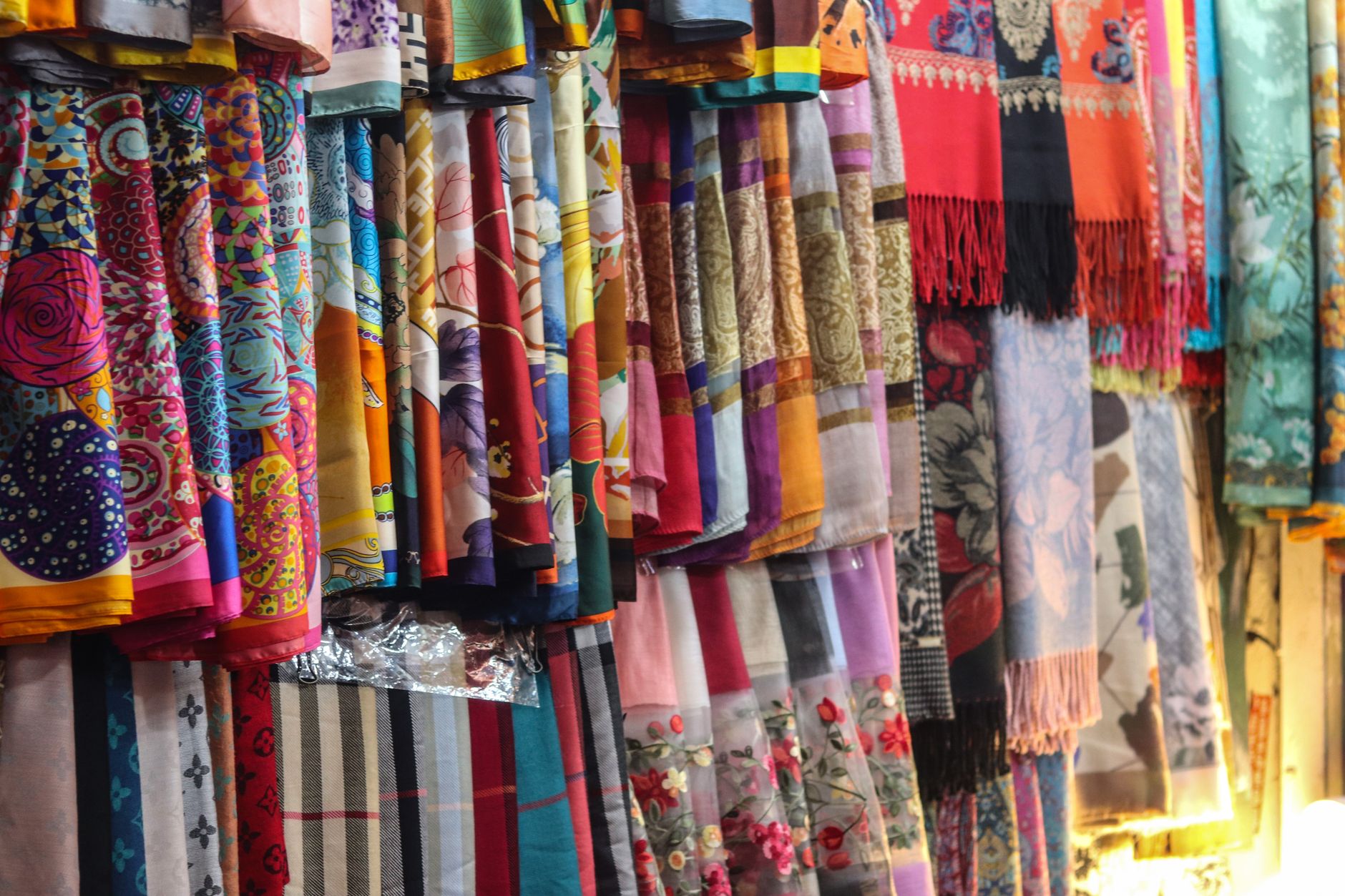
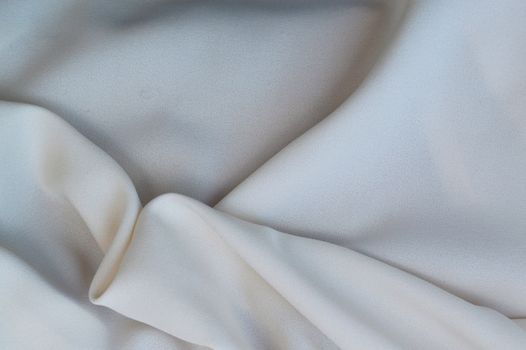 Photo: Davis Vidal / Pexels
 Photo: Burst / Pexels
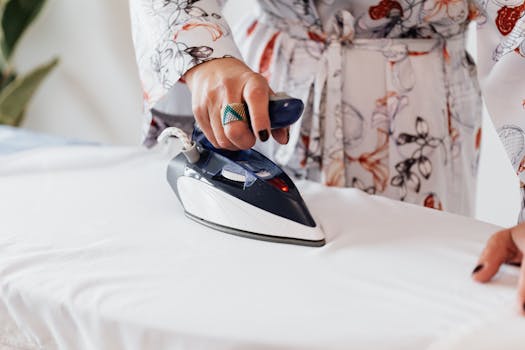 Photo: https://kaboompics.com/ / Pexels
 Photo: Tima Miroshnichenko / Pexels