✓ Silk is a natural protein fibre, requiring gentle care.
✓ Hand washing is often preferred, but machine washing is possible with specific settings.
✓ Harsh chemicals, high heat, and direct sunlight can damage silk.
✓ Proper storage prevents wrinkles and extends garment life.
How It Works
1
Assess Garment Label & Fabric Type
Always check the care label first, as some silk items may be dry-clean only. Identify if it's pure silk or a blend, as this can influence care methods.
2
Choose Appropriate Washing Method
Decide between hand washing for maximum gentleness or machine washing on a delicate cycle. Use a silk-specific or mild pH-neutral detergent.
3
Gentle Drying & Ironing
Avoid direct sunlight and machine dryers; instead, air dry flat or on a padded hanger. Iron silk when slightly damp on the lowest setting, inside out.
4
Correct Storage & Stain Treatment
Store silk in a cool, dry place away from direct light, preferably in breathable garment bags. Address stains promptly and gently, avoiding rubbing.
Understanding Silk: The Foundation of Proper Care
Photo: www.kaboompics.com / Pexels
Silk, often hailed as the 'Queen of Fabrics', is a natural protein fibre derived from the cocoons of silkworms. Its unique structure gives it unparalleled lustre, softness, and strength, making it a highly sought-after material for everything from luxurious scarves to elegant bedding. However, this natural origin also means silk requires a particular approach to care, vastly different from synthetic fabrics or even other natural fibres like cotton or linen. Understanding the intrinsic properties of silk is the first crucial step in mastering how to care for silk clothes and ensuring their longevity.
At a microscopic level, silk fibres are smooth and long, which contributes to their characteristic sheen and soft hand-feel. This smoothness also makes silk less prone to dust mites and allergens, adding to its appeal. Yet, being a protein fibre, silk is susceptible to damage from harsh chemicals, extreme temperatures, and friction. Chlorine bleach, for instance, can dissolve silk fibres, while high heat can scorch and weaken them, leading to irreversible damage. Even prolonged exposure to direct sunlight can cause silk to fade and degrade over time. The dyes used on silk are also often more delicate than those on other fabrics, meaning colour bleeding can be a concern if not washed correctly.
Different types of silk, such as Charmeuse, Crepe de Chine, Organza, or Dupioni, may have subtle variations in their weave and finish, which can slightly influence their care needs, although the fundamental principles remain the same. For example, a delicate silk chiffon might require even more gentle handling during washing than a more robust silk twill. Always checking the garment's care label is paramount, as manufacturers often provide specific instructions tailored to the garment's construction and any embellishments. Ignoring these labels is the quickest way to accidentally ruin a beloved silk item. By appreciating silk's delicate yet durable nature, we can approach its care with the respect it deserves, ensuring it retains its beauty and luxurious feel for years to come. This foundational knowledge will empower you to make informed decisions about washing, drying, and storing your silk garments, transforming what might seem like a daunting task into a simple, rewarding routine. For more insights into selecting high-quality fabrics, explore our guide on choosing luxury materials.
The Art of Washing Silk Garments Gently
Photo: Kindel Media / Pexels
When it comes to washing silk, gentleness is not just a recommendation; it's a necessity. The two primary methods are hand washing and machine washing on a delicate cycle, each with its own merits depending on your garment and comfort level. Hand washing is universally considered the safest and most effective way to preserve silk's integrity, especially for intricate or heirloom pieces. To hand wash, begin by filling a clean basin or sink with lukewarm water – never hot, as high temperatures can cause silk to shrink and lose its sheen. Add a small amount of a pH-neutral, mild detergent specifically designed for delicate fabrics or silk. Harsh detergents, especially those containing enzymes or bleach, will break down silk's protein fibres. Submerge your silk item, gently swishing it in the water for no more than a few minutes. Avoid harsh scrubbing, twisting, or wringing, which can damage the fibres and distort the garment's shape. After washing, drain the soapy water and refill with clean, cool water for rinsing. Repeat the rinsing process until all soap residue is gone.
For those who prefer the convenience of a machine, it is possible to machine wash silk, but with extreme caution. Always place silk garments in a mesh laundry bag to protect them from snagging and stretching during the wash cycle. Select the 'delicate' or 'hand wash' cycle on your machine, ensuring the water temperature is cold. Use a silk-friendly detergent and opt for a low spin speed to minimise agitation. While machine washing is quicker, it inherently carries more risk than hand washing, so reserve it for less delicate silk items or when time is of the essence. Never overload the washing machine, as this can increase friction and stress on the fabric.
Regardless of the method, always wash silk items separately from other fabrics, particularly those with zippers, buttons, or rough textures that could snag the delicate silk. Sort by colour to prevent dye transfer, especially with vibrant or dark silk pieces. If you notice any stubborn stains, pre-treat them *before* washing, but do so with extreme care. Dab, don't rub, with a small amount of diluted silk-friendly stain remover or detergent. The key to successful silk washing lies in minimal agitation, appropriate water temperature, and the right detergent. By following these steps, you can effectively clean your silk clothes while maintaining their luxurious feel and extending their lifespan.
Drying, Ironing, and Storing Your Silk Treasures
Photo: www.kaboompics.com / Pexels
The post-wash care of silk is just as vital as the washing process itself. Improper drying and storage can quickly undo all the careful work you've put into cleaning your garments. After washing, never put silk in a tumble dryer. The high heat of a dryer is one of silk's biggest enemies, causing irreversible shrinkage, dulling its natural sheen, and weakening the fibres. Instead, gently roll the silk garment in a clean, dry towel to absorb excess water. Press lightly, avoiding any wringing or twisting. Once the majority of the water has been absorbed, reshape the garment to its original form.
For drying, lay the silk item flat on a clean, dry surface, or hang it on a padded hanger. Avoid wire hangers, which can leave marks or distort the shape. The most crucial rule for drying silk is to keep it out of direct sunlight and away from direct heat sources like radiators. Sunlight can cause silk to fade and weaken over time. Allow it to air dry completely in a well-ventilated area. Patience is key here; rushing the drying process can compromise the fabric's integrity. Once dry, your silk garment should feel soft and retain its natural drape.
Ironing silk should be approached with caution. Ideally, iron silk when it is still slightly damp, and always on the lowest heat setting, preferably the 'silk' or 'delicate' setting on your iron. Turn the garment inside out before ironing to protect the outer surface from shine marks or scorching. If the garment is dry, use a pressing cloth between the iron and the silk, or use a steamer. Steaming is often a gentler alternative to ironing, as it relaxes wrinkles without direct heat contact. Always move the iron quickly and avoid lingering in one spot. For intricate items like silk blouses or dresses, consider professional steaming or ironing if you're unsure.
Proper storage is the final piece of the puzzle in how to care for silk clothes. Ensure silk garments are completely dry before storing them to prevent mildew. Hang silk dresses, blouses, and skirts on padded hangers to maintain their shape and prevent creasing. Fold knit silk items, like sweaters, to avoid stretching. Store silk in a cool, dry place, away from direct sunlight and humidity. Breathable garment bags are excellent for protecting silk from dust and potential snags, especially for seasonal storage. Avoid plastic garment bags, which can trap moisture and cause yellowing. For long-term storage, consider acid-free tissue paper to prevent discolouration. Regularly check stored items for any signs of pests. By diligently following these drying, ironing, and storage guidelines, your silk pieces will remain beautiful and ready to wear for many years. For further tips on maintaining your wardrobe, see our article on wardrobe organisation hacks.
Common Silk Care Mistakes and How to Avoid Them
Photo: Mikhail Nilov / Pexels
Even with the best intentions, it's easy to make mistakes when caring for delicate silk garments. Being aware of these common pitfalls can save your precious items from unnecessary damage and extend their luxurious life. Here’s a rundown of what to avoid and how to correct course:
* **Using Harsh Detergents:** This is perhaps the most frequent mistake. Regular laundry detergents, especially those with enzymes or bleach, are designed to break down tough stains, which often means they also break down the protein fibres of silk. The result is dullness, weakness, and potential holes. *Avoid:* Any detergent not specifically labelled for delicates or silk. *Solution:* Always use a pH-neutral, gentle detergent. If in doubt, baby shampoo can be a surprisingly effective and safe alternative for hand washing.
* **Wringing or Twisting Wet Silk:** Silk is weakest when wet. Aggressive wringing can stretch, pull, and permanently damage the fibres, leading to distortion and loss of shape. *Avoid:* Forcefully squeezing water out. *Solution:* Gently roll the garment in a clean, dry towel to absorb excess moisture, then lay flat to air dry.
* **Tumble Drying:** As mentioned, high heat is silk's nemesis. Tumble drying causes severe shrinkage, dulls the fabric's lustre, and can even scorch it. *Avoid:* Any machine drying. *Solution:* Always air dry silk. Patience is crucial for preserving its quality.
* **Direct Sunlight Exposure:** While drying, or even storing, prolonged exposure to direct sunlight can cause silk to fade unevenly and weaken the fibres over time, making them brittle. *Avoid:* Drying or storing silk in sunny spots. *Solution:* Dry silk in a shaded, well-ventilated area and store it in a dark wardrobe or garment bag.
* **Using Hot Water:** Just like tumble drying, hot water can cause silk to shrink and lose its natural sheen. It can also cause dyes to bleed. *Avoid:* Washing silk in hot water. *Solution:* Always use cold or lukewarm water for washing and rinsing.
* **Ignoring Care Labels:** Manufacturers provide specific instructions for a reason. Embellished silk items or those with delicate linings might have unique requirements, such as dry cleaning only. *Avoid:* Assuming all silk is treated the same. *Solution:* Always check the care label before washing or treating any silk garment.
* **Spraying Perfume or Deodorant Directly:** Alcohol and chemicals in these products can stain or discolour silk, leaving permanent marks. *Avoid:* Applying personal care products directly onto silk. *Solution:* Dress in silk after your perfume, deodorant, and lotions have fully dried.
* **Rubbing Stains:** When a stain occurs, the natural instinct is to rub it away. However, rubbing silk can spread the stain, damage the fibres, and create a permanent mark. *Avoid:* Aggressive rubbing. *Solution:* Blot stains gently with a clean cloth and a diluted silk-friendly stain remover or mild detergent. Prompt action is key.
By being mindful of these common mistakes and adopting the correct practices, you can significantly prolong the life and beauty of your cherished silk clothes, ensuring they remain a luxurious part of your wardrobe for years to come. Investing time in proper care is an investment in your garment's future.
Comparison
Feature
Hand Washing
Machine Delicate
Dry Cleaning
Gentleness
Highest
Medium
High (professional)
High (professional)
Convenience
Low
High
Low (requires trip)
Cost
Low (detergent only)
Low (detergent only)
High
Risk of Damage
Lowest
Medium
Lowest (if reputable cleaner)
Best For
Delicate, heirloom items
Less delicate, everyday silk
Embellished, structured items
What Readers Say
★★★★★
"Following these steps on how to care for silk clothes has completely transformed my silk blouses. They used to lose their lustre, but now they feel just like new after every wash. Truly invaluable advice!"
Eleanor V. · London, England
★★★★★
"I was always scared to wash my silk ties, but the hand washing guide here made it so simple. They look fantastic, and I saved a fortune on dry cleaning. Highly recommend this guide!"
Marcus P. · Edinburgh, Scotland
★★★★★
"My silk pillowcases were starting to look a bit sad. After reading this article, I adjusted my washing and drying routine, and they've regained their softness and shine. My skin feels the difference too!"
Fiona K. · Manchester, England
★★★★★
"The information on avoiding common mistakes was particularly helpful. I used to tumble dry a lot of my silk, which explains why they never lasted. It's a learning curve, but this guide is a great start."
David L. · Cardiff, Wales
★★★★★
"I have several vintage silk scarves, and this guide on how to care for silk clothes has been a lifesaver. The gentle hand wash technique kept their delicate colours vibrant without any damage."
Sophie H. · Belfast, N. Ireland
Frequently Asked Questions
What is the best detergent to use for silk clothes?
The best detergents for silk are pH-neutral, mild formulas specifically designed for delicate fabrics or silk. Avoid harsh chemicals, enzymes, or bleach, as these can damage the protein fibres of silk. Baby shampoo can also be a gentle alternative for hand washing.
Can I machine wash all silk items?
While some silk items can be machine washed on a delicate or hand wash cycle with cold water and a mesh bag, hand washing is generally safer. Always check the garment's care label first, as some silks (especially embellished or structured items) may require dry cleaning only.
How do I remove wrinkles from silk without an iron?
To remove wrinkles without an iron, you can hang the silk garment in a steamy bathroom for 15-20 minutes. Alternatively, use a handheld garment steamer, keeping it a few inches away from the fabric. Lightly misting with water and gently smoothing by hand can also help with minor creases.
Is dry cleaning always necessary for silk?
No, dry cleaning is not always necessary for silk. Many silk garments can be safely hand washed or machine washed on a delicate cycle. However, for heavily structured items, those with intricate embellishments, or if the care label specifically states 'dry clean only,' professional dry cleaning is recommended.
How does silk care compare to caring for other delicate fabrics like cashmere?
Both silk and cashmere are natural protein fibres that require gentle care, avoiding harsh chemicals and high heat. However, cashmere often benefits from specific wool/cashmere detergents and is prone to pilling, which silk is not. Silk is also more sensitive to sunlight and prone to water spotting if not handled correctly during drying, while cashmere's care focuses more on preventing stretching and moth damage.
Who benefits most from learning how to care for silk clothes?
Anyone who owns silk garments, from luxurious blouses and dresses to scarves, lingerie, or bedding, will benefit immensely. Learning proper silk care ensures these delicate items retain their beauty, softness, and longevity, protecting your investment and allowing you to enjoy them for many years.
Can certain perfumes or deodorants damage silk?
Yes, certain perfumes, deodorants, and even lotions can cause discolouration, staining, or weakening of silk fibres due to their alcohol content or chemical compounds. It's best to apply these products and allow them to dry completely before dressing in silk to avoid direct contact.
Are there any eco-friendly ways to care for silk?
Absolutely! Using cold water for washing, opting for eco-friendly, pH-neutral detergents, and air-drying instead of tumble drying all significantly reduce your environmental footprint. Choosing a reputable, eco-conscious dry cleaner for 'dry clean only' items also contributes to more sustainable silk care.
Mastering how to care for silk clothes is an investment in your wardrobe's longevity and luxury. By following these expert tips, you can preserve the exquisite beauty and delicate feel of your silk garments, ensuring they remain cherished pieces for years to come. Embrace the art of silk care and enjoy its timeless elegance.

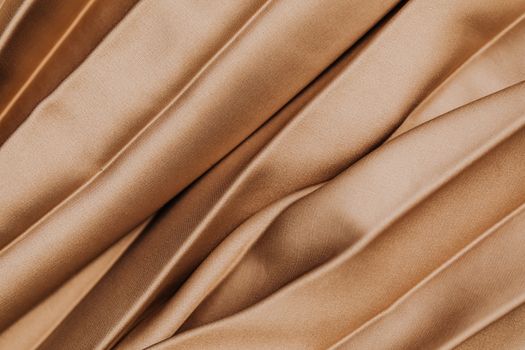 Photo: www.kaboompics.com / Pexels
 Photo: Kindel Media / Pexels
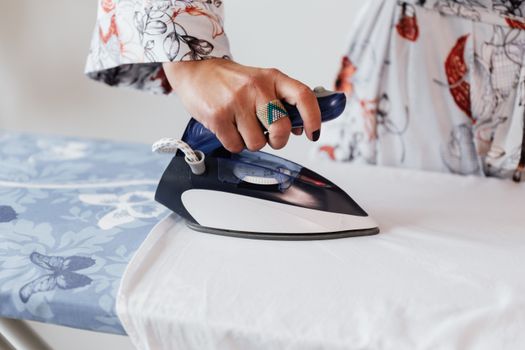 Photo: www.kaboompics.com / Pexels
 Photo: Mikhail Nilov / Pexels