Mastering: How to Care for Cashmere Jumper for Lasting Luxury
how to care for cashmere jumper

Mastering: How to Care for Cashmere Jumper for Lasting Luxury

Discover the definitive guide to maintaining your cherished cashmere, ensuring its exquisite quality endures.

Read the Full Guide

Key Takeaways

  • ✓ Cashmere requires gentle hand-washing or a delicate machine cycle.
  • ✓ Always dry cashmere flat to prevent stretching and maintain shape.
  • ✓ Pilling is natural; remove gently with a cashmere comb.
  • ✓ Proper storage protects cashmere from moths and damage.
  • ✓ Regular, gentle care significantly extends the life of your cashmere.

How It Works

1
Assess Your Jumper

Before starting, check your cashmere jumper for any stains or loose threads. Address these issues gently before washing to prevent further damage.

2
Choose Your Washing Method

Decide between hand-washing or machine-washing on a delicate cycle, always using a specialist cashmere detergent. Hand-washing offers the most control and gentleness.

3
Gentle Drying

Never hang a wet cashmere jumper, as this will cause stretching and distortion. Instead, reshape and dry it flat on a clean towel, away from direct heat.

4
Store Correctly

Once completely dry, fold your cashmere jumper and store it in a breathable bag with natural moth repellents. Avoid hanging to prevent shoulder bumps and stretching.

Understanding Your Cashmere: The Foundation of Proper Care

Detailed close-up of various fabric textures and patterns in a wardrobe setting. Photo: Sara mazin / Pexels
Cashmere, derived from the soft undercoat of cashmere goats, is renowned for its exceptional softness, warmth, and luxurious feel. Its delicate fibres, significantly finer than sheep's wool, are what give it its distinctive qualities but also make it susceptible to damage if not cared for correctly. Understanding the nature of this exquisite material is the first step in mastering how to care for cashmere jumper. Unlike more robust fabrics, cashmere's fibres are prone to stretching, pilling, and shrinking if exposed to harsh chemicals, excessive heat, or aggressive agitation. This is why the 'gentle' approach is not just a recommendation but a necessity. The weaving technique also plays a role; tighter weaves might be slightly more resilient, but the fundamental care principles remain the same. Recognising the quality of your cashmere can also inform your care routine. High-quality cashmere, often indicated by longer, finer fibres, tends to pill less and hold its shape better over time, but even the finest garments require diligent attention. Many people mistakenly treat cashmere like regular wool, leading to disappointment when their cherished jumper loses its shape or softness. The key difference lies in the fibre's scale structure. While wool fibres have prominent scales that interlock (leading to felting if agitated in hot water), cashmere scales are much smoother and less pronounced. This contributes to its incredible softness but also means it's less forgiving of harsh treatment. For instance, high temperatures can cause the protein structure of the fibres to contract irreversibly, leading to shrinkage. Similarly, strong detergents can strip the natural oils from the fibres, making them brittle and harsh. Before you even consider washing, take a moment to inspect your cashmere jumper. Are there any small snags or loose threads? Addressing these *before* washing can prevent them from worsening. A small pull can become a significant ladder in the wash. Gently push snags back through to the inside with a needle. If there are any stubborn stains, pre-treat them carefully (more on this later) to ensure they lift effectively without needing aggressive scrubbing. This proactive approach is a cornerstone of how to care for cashmere jumper, ensuring that each wash is as gentle and effective as possible. Another crucial aspect of understanding cashmere is recognising its natural tendency to pill. Pilling, those small balls of fibre that appear on the surface, is not an indicator of poor quality but rather a natural occurrence as short fibres work their way to the surface due to friction. It's more common in areas of high friction, such as under the arms or where a bag rubs against the garment. This is a normal process and can be managed effectively without damaging the jumper. Knowing this helps to demystify the material and removes the fear often associated with its maintenance. By appreciating the unique characteristics of cashmere, you're better equipped to provide the specific care it needs to remain a luxurious staple in your wardrobe for years to come. For more insights into luxury materials, explore our guide on maintaining high-end fabrics.

The Art of Washing: Hand-Washing vs. Machine-Washing Cashmere

From above of crop unrecognizable mom washing hands of kid in big white washing basin Photo: Ketut Subiyanto / Pexels
When it comes to the crucial step of washing, you have two primary options for how to care for cashmere jumper: hand-washing or machine-washing. While hand-washing is often recommended as the safest and most gentle method, modern washing machines equipped with a 'delicate' or 'wool' cycle can also be a viable option, provided you follow specific guidelines. The choice largely depends on your comfort level, the specific care instructions on your garment's label, and the quality of your washing machine's delicate cycle. **Hand-Washing: The Gold Standard** Hand-washing offers the most control and minimises the risk of damage. Start by filling a clean basin or sink with lukewarm water – never hot, as heat can cause cashmere to shrink. Add a small amount of specialist cashmere shampoo or a mild, pH-neutral detergent. Avoid harsh biological detergents or those containing bleach, as these can strip the natural oils from the fibres. Gently submerge your cashmere jumper, ensuring it's fully saturated. Allow it to soak for no more than 5-10 minutes. Resist the urge to rub, twist, or stretch the fabric. Instead, gently squeeze the soapy water through the garment. Once soaked, drain the basin and refill it with clean, lukewarm water. Gently rinse the jumper, continuing to squeeze the water through rather than wringing it. Repeat this rinsing process until all traces of detergent are gone and the water runs clear. The goal is to remove the soap without causing any friction or stretching. **Machine-Washing: A Convenient Alternative** If you opt for machine-washing, extreme caution is paramount. First, ensure your washing machine has a dedicated 'delicate,' 'wool,' or 'hand-wash' cycle with a cold water setting. Even if it does, it's advisable to place your cashmere jumper inside a mesh laundry bag. This provides an extra layer of protection against agitation and prevents the fibres from snagging on other items or the machine drum. Use a specialist cashmere detergent or a very mild, pH-neutral liquid detergent designed for delicates. Avoid powder detergents, which may not dissolve completely and can leave residue on the fibres. Select the lowest spin speed available – ideally, no spin at all, or a very gentle one to remove excess water. The less agitation, the better. Never wash cashmere with heavier items like jeans or towels, as their weight and friction can damage the delicate fibres. Washing cashmere alone or with other very light, delicate items is always the safest bet. After the cycle, remove the jumper immediately to prevent creasing. Regardless of your chosen method, the principle remains the same: gentle handling and appropriate water temperature are non-negotiable. Always read the care label on your specific cashmere garment, as manufacturers' recommendations can sometimes vary slightly. Some high-end cashmere brands may specifically recommend dry cleaning, though many cashmere enthusiasts find gentle home washing to be just as effective, if not better, at preserving the softness and lustre over time. The key is to be attentive and mindful throughout the entire washing process, ensuring your precious cashmere receives the delicate treatment it deserves to maintain its luxurious feel and appearance.

Drying and Finishing: Preserving Shape and Softness
Close-up of rice paper sheets drying indoors, showcasing Vietnamese cuisine preparation. Photo: Quang Nguyen Vinh / Pexels
The drying and finishing stages are just as critical as washing when learning how to care for cashmere jumper. Improper drying techniques are a leading cause of misshapen or stretched garments. The golden rule for drying cashmere is simple: never hang it. The weight of the wet fibres, combined with gravity, will inevitably pull the jumper out of shape, leading to stretched shoulders, elongated bodies, and distorted sleeves. Instead, always dry your cashmere jumper flat. As soon as you've finished rinsing (or the machine cycle is complete), gently lift the garment out of the water. Do not wring it; instead, gently press out as much excess water as possible by rolling it in a clean, dry towel. Place the jumper flat on a fresh, absorbent towel, away from direct sunlight or artificial heat sources like radiators. Direct heat can cause the fibres to shrink or become brittle. Carefully reshape the jumper to its original dimensions. Pay attention to the sleeves, body, and neckline, gently pulling and coaxing the fabric back into shape. You can even use a measuring tape if you want to be precise, comparing it to the garment's pre-wash measurements or another similar jumper you own. Allow the jumper to air dry completely, turning it over periodically and replacing the damp towel if necessary. This process can take 24-48 hours, depending on the thickness of the cashmere and the humidity of your environment. Patience is key here; ensure it's bone dry before storing to prevent mildew or moth damage. Once your cashmere jumper is completely dry, you might notice some pilling, especially after the first few washes. As mentioned earlier, this is a natural characteristic of cashmere. Do not panic; it's easily managed. Use a dedicated cashmere comb or a fabric shaver to gently remove these pills. Lay the jumper flat and carefully glide the comb or shaver over the affected areas. Always work in one direction and avoid pressing too hard, as this can damage the fibres. Regular de-pilling will keep your cashmere looking fresh and new. Steaming is another excellent finishing touch that can refresh your cashmere without the need for re-washing. A garment steamer can gently relax the fibres, remove light wrinkles, and restore some of the jumper's natural loft. Hold the steamer a few inches away from the fabric and move it slowly over the surface. Avoid direct contact and never use a hot iron directly on cashmere, as the intense heat can flatten the fibres and cause irreversible damage. If absolutely necessary to iron, do so on the lowest setting with a pressing cloth between the iron and the cashmere, using steam. However, steaming is generally preferred. Proper drying and finishing are not just about aesthetics; they are about maintaining the structural integrity and luxurious feel of your cashmere. By dedicating a little extra time and care to these steps, you ensure that your jumper retains its original shape, softness, and extends its lifespan, allowing you to enjoy its comfort and elegance for many seasons. For more tips on fabric maintenance, consider reading our advice on extending the life of your wardrobe essentials.

Storage Solutions and Common Care Mistakes to Avoid
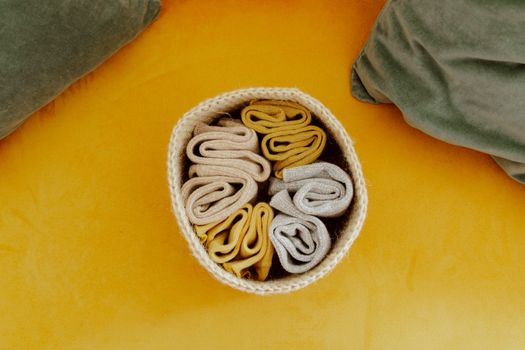
Top-down view of neatly arranged woolen socks in a basket on a vibrant yellow surface. Photo: Ron Lach / Pexels
Proper storage is the final, yet equally critical, pillar in learning how to care for cashmere jumper effectively. Once your cashmere is clean, dry, and de-pilled, how you store it will significantly impact its longevity and appearance. The primary threats to stored cashmere are moths, creasing, and stretching. **Optimal Storage Practices:** 1. **Fold, Don't Hang:** As with drying, never hang your cashmere jumpers for long-term storage. The delicate fibres can stretch and distort at the shoulders, leading to unsightly bumps and permanent misshaping. Instead, fold your jumpers neatly. 2. **Use Breathable Storage:** Store cashmere in breathable garment bags, cotton pillowcases, or acid-free tissue paper. Plastic bags, while seemingly protective, can trap moisture and lead to mildew, which can permanently damage the fibres and create an unpleasant odour. 3. **Moth Protection is Key:** Moths are cashmere's worst enemy. To deter them, incorporate natural moth repellents into your storage. Cedar blocks or balls, lavender sachets, or cedar-scented hangers (though still fold the jumper, don't hang it) are effective. Ensure these are refreshed periodically, as their efficacy wanes over time. For severe moth issues, consider airtight containers or vacuum-seal bags for short periods, but always ensure the cashmere is bone dry before sealing. 4. **Clean Before Storing:** Always store cashmere clean. Moths are attracted to dirt, body oils, and food particles. A seemingly clean jumper might still have invisible residues that attract pests. 5. **Cool, Dark, Dry Place:** Store your cashmere in a cool, dark, and dry place. Humidity can encourage mildew, and direct sunlight can cause fading. **Common Cashmere Care Mistakes to Avoid:** * **Wringing or Twisting:** This is a major no-no. It stretches and damages the delicate fibres, leading to irreversible distortion. * **Hot Water:** Hot water causes cashmere to shrink and felt. Always use lukewarm or cold water for washing. * **Harsh Detergents:** Biological detergents, bleaches, and fabric softeners (which can coat and stiffen the fibres) should be avoided. Stick to specialist cashmere shampoos or mild, pH-neutral detergents. * **Tumble Drying:** The high heat and tumbling action of a tumble dryer will almost certainly shrink and damage your cashmere beyond repair. Always air dry flat. * **Direct Ironing:** High heat from an iron can flatten and burn cashmere fibres. Steaming is the preferred method for wrinkle removal. If you must iron, use the lowest setting with a pressing cloth. * **Over-Washing:** Cashmere does not need to be washed after every wear. Unless visibly dirty or smelly, air it out between wears. This preserves the fibres and reduces wear and tear. * **Ignoring Pilling:** While natural, neglecting pilling can make a jumper look worn and uncared for. Regular de-pilling keeps it looking pristine. * **Storing Uncleaned:** As mentioned, this is an open invitation for moths. * **Hanging Wet or for Long-Term:** This leads to irreversible stretching and misshaping. By understanding these common pitfalls and adopting meticulous storage habits, you can significantly prolong the life and beauty of your cashmere jumpers. These garments are an investment, and with the right care, they will remain a luxurious and comforting part of your wardrobe for many years to come.

Comparison

FeatureHand-WashingMachine-Washing (Delicate)Dry Cleaning
GentlenessExcellent (most control)Good (if correct settings)Variable (depends on cleaner)
CostLow (detergent only)Low (detergent, electricity)High (professional service)
ConvenienceLow (time-consuming)High (less effort)Medium (drop-off/pickup)
Fibre PreservationExcellent (retains natural oils)Good (if mild detergent)Can strip natural oils
Risk of ShrinkageLow (if cold/lukewarm water)Low (if cold water, no heat)Low (if reputable cleaner)
Recommended for StainsYes (direct spot treatment)No (can set stains)Yes (professional stain removal)
Overall ControlHighMediumLow (external service)

What Readers Say

"This guide completely changed how I approach my cashmere collection. My jumpers now feel softer and look brand new after following the hand-washing and flat-drying advice. It's truly a game-changer for preserving luxury."

Eleanor V. · London, GB

"I used to be terrified of washing my cashmere, always sending it to the dry cleaner. After reading this, I tried the machine-wash method with a mesh bag, and my jumper came out perfectly! So much more convenient and cost-effective."

Marcus P. · Edinburgh, GB

"The tips on pilling and proper storage were invaluable. My favourite cashmere cardigan used to look tired, but with regular de-pilling and correct folding, it's restored to its former glory. Excellent, practical advice."

Sophie K. · Manchester, GB

"While the hand-washing method is effective, it does take a bit of time. However, the results are undeniable, and my jumpers feel incredibly soft. I appreciate the detailed explanations on why certain steps are important."

David L. · Cardiff, GB

"As someone who inherited several vintage cashmere pieces, this guide was a lifesaver. The advice on moth prevention and dealing with older, more delicate fibres has helped me preserve these precious garments beautifully."

Chloe S. · Bristol, GB

Frequently Asked Questions

What is the best way to wash a cashmere jumper?

The best way to wash a cashmere jumper is typically by hand, using lukewarm water and a specialist cashmere shampoo or mild, pH-neutral detergent. Gently squeeze the water through the fabric, avoiding rubbing or twisting, then rinse thoroughly. Machine washing on a cold, delicate cycle with a laundry bag is also an option for some garments.

Will my cashmere jumper shrink if I wash it?

Cashmere jumpers can shrink if exposed to hot water or excessive agitation, especially in a washing machine. Always use cold or lukewarm water and a gentle cycle or hand-wash method to prevent shrinkage. High heat from tumble dryers is also a major cause of shrinkage.

How do I dry a cashmere jumper without stretching it?

To dry a cashmere jumper without stretching, always dry it flat. After gently pressing out excess water with a clean towel, reshape the jumper to its original dimensions and lay it flat on a fresh, dry towel. Allow it to air dry completely, away from direct heat or sunlight, turning it periodically.

Is it worth investing in special cashmere detergent?

Yes, investing in a specialist cashmere detergent is highly recommended. These detergents are formulated to be pH-neutral and contain conditioning agents that help preserve the natural oils in the cashmere fibres, maintaining their softness and preventing damage that harsh regular detergents can cause.

How often should I wash my cashmere jumper?

Cashmere does not need to be washed after every wear. Unless it's visibly soiled or has an odour, airing it out after a few wears is often sufficient. Washing too frequently can cause unnecessary wear and tear on the delicate fibres, so wash only when truly needed.

Who should follow these cashmere care guidelines?

Anyone who owns a cashmere jumper, cardigan, or any cashmere garment should follow these care guidelines. Whether you've just purchased your first piece or have a cherished collection, proper care is essential for maintaining the garment's luxurious feel, shape, and longevity.

What are the risks of dry cleaning cashmere?

While dry cleaning is an option, it can sometimes strip the natural oils from cashmere fibres, potentially making them feel less soft over time. The chemicals used can also be harsh. For many, gentle home washing is preferred for maintaining the fabric's original luxurious feel, but always follow the garment's specific care label.

Are there new innovations in cashmere care products?

The market for cashmere care is evolving, with new eco-friendly and specially formulated detergents emerging that offer even gentler cleaning and conditioning. Innovations in fabric shavers and de-pillers also make maintaining your cashmere easier and more effective, ensuring your garments look pristine for longer.

By diligently following these expert tips on how to care for cashmere jumper, you're not just cleaning a garment; you're preserving an investment. Embrace these simple yet crucial steps to ensure your beloved cashmere remains sumptuously soft, perfectly shaped, and a timeless staple in your wardrobe for many years to come. Your luxurious cashmere deserves nothing less than the best care.

Topics: how to care for cashmere jumpercashmere washing guidemaintain cashmere softnessprevent cashmere pillingstore cashmere sweaters
Leo List
Brampton weed
Adultwork EstrelaBet Vai de Bet R7 Bet Betão Galera Bet Rainbet Bet9ja Shop SportyBet BetKing Sisal Loto Foot Hollywoodbets YesPlay Odibets RushBet Jugabet BetWarrior BetCity MSport betPawa Fortebet