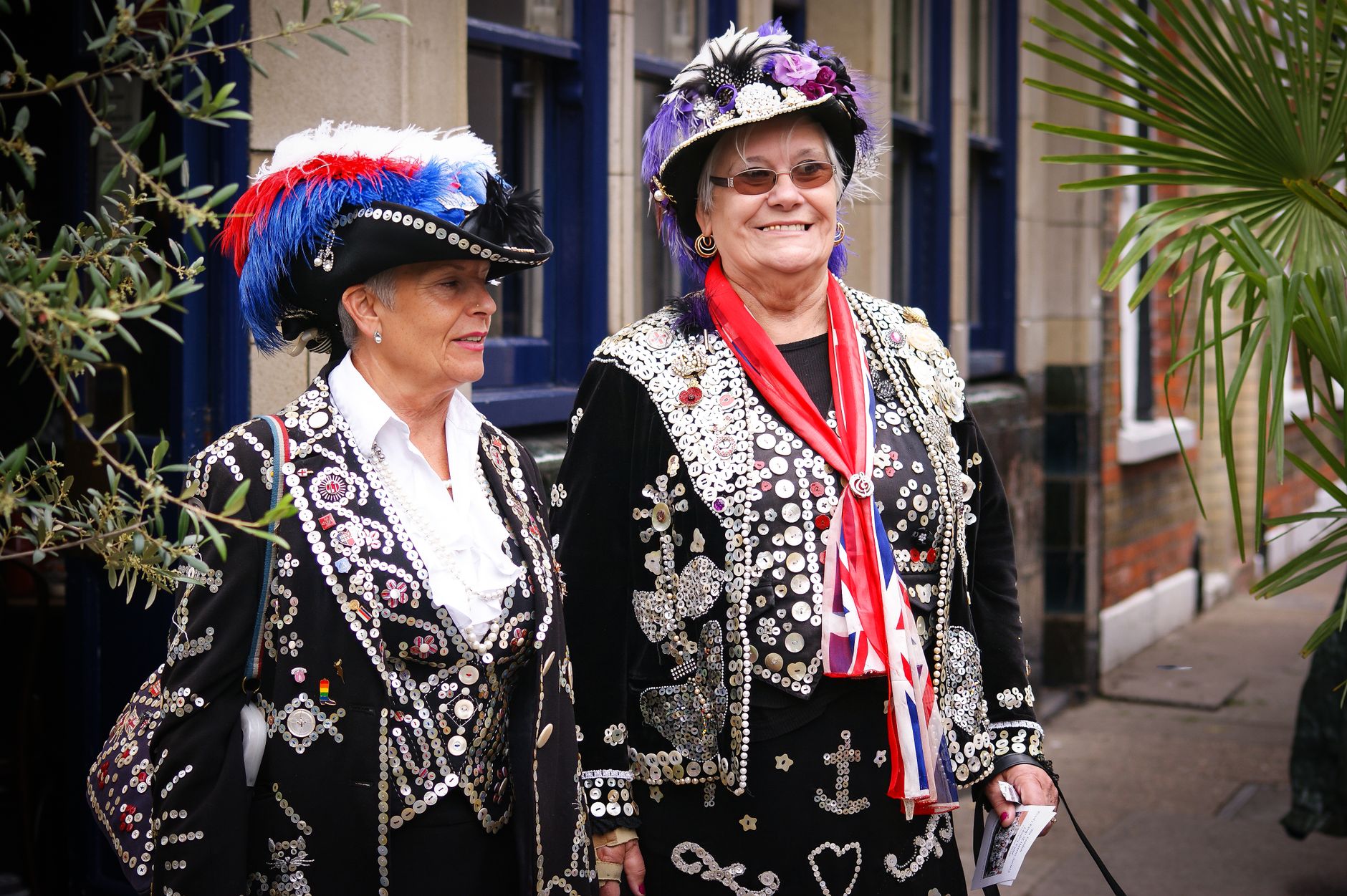
The Enduring Legacy: A Deep Dive into the History of British Fashion
Discover how British style has shaped global trends for centuries, from regal elegance to rebellious street chic.
Explore the EvolutionKey Takeaways
- ✓ British fashion has a rich history spanning over a millennium, influenced by royalty, war, and social change.
- ✓ Iconic British styles include Savile Row tailoring, tweed, punk, and Mod fashion.
- ✓ The UK has been a consistent innovator, often setting global trends rather than merely following them.
- ✓ British designers like Vivienne Westwood and Alexander McQueen have significantly impacted contemporary fashion.
How It Works
Journey through distinct periods, from the practical attire of early Britain to the elaborate garments of the Tudor and Georgian eras. Understand the social and economic factors driving fashion choices.
Learn about the monarchs, designers, and subcultures that have left an indelible mark on British style. Discover how these influences shaped silhouettes, fabrics, and aesthetics over time.
Familiarize yourself with the quintessential British looks, from the dapper suits of the Edwardian era to the rebellious spirit of 20th-century youth movements. See how these styles continue to resonate today.
Grasp the profound international reach of British fashion. Appreciate how British innovation and creativity have inspired designers and consumers worldwide, cementing its place on the global stage.
Early Foundations: From Medieval Garb to Tudor Grandeur in British Fashion
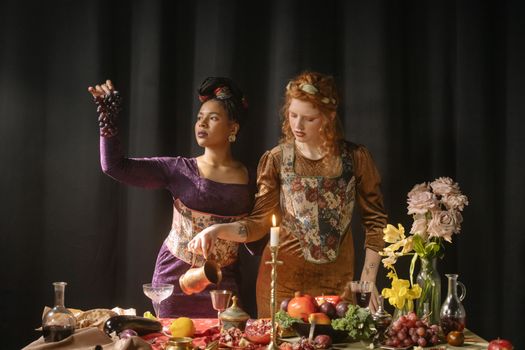 Photo: cottonbro studio / Pexels
Georgian Elegance and Victorian Strictness: Shaping British Style
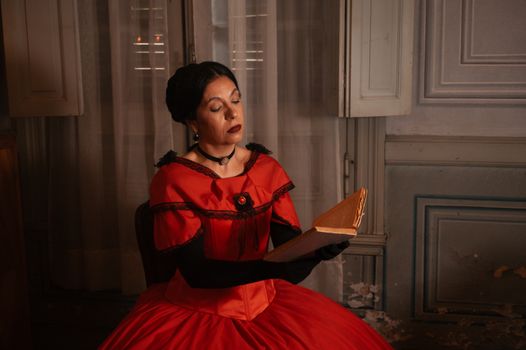 Photo: Patricia Bozan / Pexels
20th Century Revolutions: From Flappers to Punk in British Fashion History
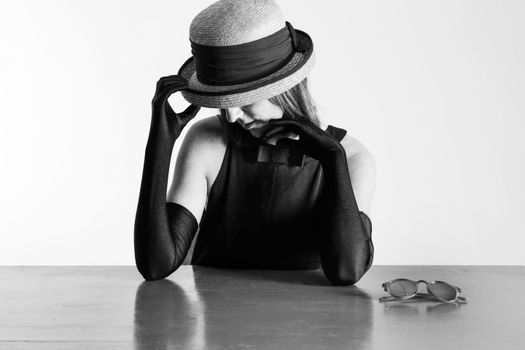 Photo: Wilhelm Gunkel / Pexels
Contemporary British Fashion: Global Influence and Future Trends
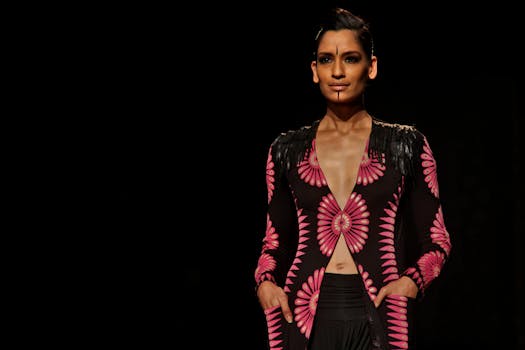 Photo: Sachin Bharti / Pexels
Comparison
| Era | Key Silhouette | Defining Fabric | Cultural Impact |
|---|---|---|---|
| Tudor | Voluminous, corseted | Velvet, brocade | Royal grandeur, status display |
| Victorian | Crinolines, bustles, modest | Wool, silk, cotton | Industrialization, social strictures |
| 1960s Mod | A-line, fitted, mini-skirts | Man-made fibers, wool | Youth rebellion, London as fashion hub |
| 1970s Punk | Deconstructed, ripped | Leather, tartan, safety pins | Anti-establishment, DIY aesthetic |
What Readers Say
"This article on the history of British fashion is incredibly comprehensive. It really brought to life the evolution of styles and the social context behind them. A must-read for anyone interested in UK fashion heritage!"
Eleanor Vance · Manchester, UK"As a fashion design student, understanding the history of British fashion is crucial. This piece provides a fantastic overview, highlighting key periods and designers with great clarity. Very insightful."
Marcus Thorne · London, UK"I've always admired British style, and this article helped me connect the dots from its historical roots to today's trends. It gave me a much deeper appreciation for its global influence."
Sophia Chen · New York, USA"A very thorough exploration of British fashion. While it focuses heavily on England, it still offers a brilliant perspective on how various eras shaped the broader UK aesthetic. Excellent research."
David O'Connell · Dublin, Ireland"I teach fashion history, and this article is a superb resource. It's well-structured, easy to understand, and covers all the essential periods, providing a solid foundation for further study of British fashion."
Priya Sharma · Mumbai, IndiaFrequently Asked Questions
What are the most iconic periods in the history of British fashion?
The Tudor era for its opulence, the Georgian period for elegance, the Victorian era for strict formality, the 1960s for youth revolution (Mod, Mary Quant), and the 1970s for punk rock's rebellion are arguably the most iconic and influential periods in the history of British fashion, each leaving a distinct and lasting mark on global style.
Did British fashion always lead global trends?
While British fashion has consistently been a significant global influencer, especially from the 20th century onwards with subcultures like Mod and Punk, it was often influenced by European courts (particularly French and Spanish) in earlier centuries. However, Britain has a unique ability to adapt, innovate, and create entirely new movements that then resonate worldwide.
How did the Industrial Revolution impact British fashion?
The Industrial Revolution profoundly impacted British fashion by making textiles and clothing more accessible and affordable through mass production. The invention of the sewing machine and new dyeing techniques allowed for faster manufacturing, changing consumption patterns and making fashion available to a wider segment of society beyond the aristocracy.
What is the value of studying the history of British fashion today?
Studying the history of British fashion offers invaluable insights into social, economic, and cultural shifts. It helps us understand how clothing reflects identity, power, and rebellion, providing context for contemporary trends and inspiring future designers to draw from a rich heritage while pushing creative boundaries.
How does British fashion compare to French fashion in terms of influence?
While French fashion is often associated with haute couture and classic elegance, British fashion is renowned for its blend of traditional tailoring, avant-garde creativity, and groundbreaking subcultures. French influence traditionally lay in formal wear and luxury, whereas British influence often stems from street style, music, and a rebellious spirit, making both distinct and globally significant.
Who should explore the history of British fashion?
Anyone with an interest in design, culture, sociology, or textiles should explore the history of British fashion. It's particularly relevant for fashion students, designers, historians, and enthusiasts who want to understand the roots of contemporary styles and the powerful relationship between clothing and identity.
Is British fashion only about traditional styles like tweed and tailoring?
Absolutely not. While traditional elements like Savile Row tailoring, tweed, and heritage checks are integral to British fashion, it is equally defined by its rebellious subcultures (Punk, Mod), avant-garde designers (Vivienne Westwood, Alexander McQueen), and a constant push for innovation and sustainability. It's a rich tapestry of tradition and disruption.
What are the future trends expected in British fashion?
Future trends in British fashion are expected to be heavily influenced by sustainability and ethical practices, digital innovation (virtual fashion, AI), increased inclusivity and diversity, and a continued blurring of lines between high fashion and streetwear. The reinterpretation of heritage through a modern lens will also remain a key characteristic.
Embark on a captivating journey through centuries of style. The history of British fashion is a testament to its enduring creativity, innovation, and profound global impact. Dive deeper and discover the stories behind the clothes that shaped an era.