✓ British fashion has profoundly influenced global trends for centuries, from tailoring to subcultures.
✓ Royal patronage and social class have historically dictated fashion norms in Britain.
✓ The 20th century saw Britain become a hotbed of youth culture and street style innovation.
✓ British designers continue to push boundaries, blending tradition with avant-garde aesthetics.
How It Works
1
Feudal Foundations (Medieval - Tudor)
Understand how sumptuary laws and social hierarchy dictated clothing, with fabric and colour signifying status. Royal courts, like those of Henry VIII and Elizabeth I, set opulent trends.
2
Georgian & Victorian Elegance
Explore the rise of tailored menswear, dandyism, and the restrictive yet elaborate silhouettes of women's wear. The Industrial Revolution brought new textiles and manufacturing methods.
3
20th Century Revolutions
Witness the dramatic shifts from wartime austerity to the 'Swinging Sixties' and the birth of punk. British subcultures became global trendsetters, challenging norms.
4
Contemporary British Design
Discover how modern British designers blend heritage with innovation, maintaining London's status as a global fashion capital. Sustainability and diversity are key modern considerations.
From Regal Robes to Georgian Grandeur: Early British Fashion History
Photo: Vika Glitter / Pexels
The tapestry of British fashion is woven with threads of power, class, and cultural exchange, dating back centuries. In the medieval period, clothing was not merely a covering but a stark indicator of social standing, dictated by strict sumptuary laws. These regulations prescribed what fabrics, colours, and embellishments various social classes could wear, ensuring that nobility stood apart from commoners. Wool was the staple for most, while silk, velvet, and furs were reserved for the elite. The Tudor era, particularly under Henry VIII and Elizabeth I, saw an explosion of extravagant fashion, heavily influenced by European courts. Men embraced padded doublets, wide shoulders, and elaborate breeches, while women adorned themselves in voluminous gowns, ruffs, and corsets that sculpted extreme silhouettes. The iconic ruff, a starched pleated collar, became a symbol of status and wealth, often reaching enormous proportions. This period also marked the emergence of distinct national styles, albeit still heavily borrowing from continental trends. The 17th century brought a shift towards more subdued but equally elaborate styles, influenced by the English Civil War and the subsequent Restoration. Cavalier fashion, with its flowing locks, wide-brimmed hats, and lace-trimmed attire, contrasted sharply with the Puritan's plainer dress. The Georgian era, spanning the 18th and early 19th centuries, introduced a profound transformation, particularly in menswear. The rise of the 'dandy' championed a new aesthetic of understated elegance, focusing on impeccable tailoring, quality fabrics, and a refined silhouette. Figures like Beau Brummell set the standard for sophisticated masculinity, moving away from the overtly ornate styles of the past. Women's fashion, while still elaborate, saw a gradual easing of the rigid corsetry, culminating in the high-waisted, flowing Empire line gowns inspired by classical antiquity, though this trend was relatively short-lived before the return of more structured styles. The innovation of textiles, spurred by the early stages of the Industrial Revolution, began to make fashion more accessible to a broader population, laying the groundwork for future mass production. Understanding historical fashion eras provides a crucial context for appreciating these developments.
Victorian Virtue to World War Practicality: British Fashion Evolution in the 19th & Early 20th Centuries
Photo: Nicolas Postiglioni / Pexels
The Victorian era (1837-1901) was a period of immense social change and industrial growth, profoundly impacting British fashion. For women, the silhouette evolved from the wide crinolines of the mid-century to the bustles and elaborate draping of the later decades. Modesty and propriety were paramount, with high necklines, long sleeves, and layers of undergarments defining the ideal female form. The invention of the sewing machine and the expansion of mass production made clothing more accessible, though high fashion remained the preserve of the wealthy, setting trends that trickled down through society. Men's fashion solidified into the formal wear we recognise today: the three-piece suit, top hats, and frock coats became standard for gentlemen. The emphasis was on sobriety, respectability, and a sense of professionalism. The late Victorian period saw the emergence of various reform movements, including the Aesthetic Dress movement, which challenged the restrictive nature of mainstream fashion, advocating for looser, more artistic garments and a rejection of the corset. This foreshadowed the dramatic changes of the 20th century. The Edwardian era (1901-1910) brought a brief return to opulence and a more curvaceous, S-bend silhouette for women, before the practicalities of World War I fundamentally reshaped fashion. Wartime saw women entering the workforce in unprecedented numbers, necessitating more functional and less restrictive clothing. Skirts shortened, waists loosened, and tailored suits for women began to appear, reflecting a newfound independence and practicality. This period marked a significant departure from centuries of elaborate dress, paving the way for the radical transformations of the 1920s. The post-war years, leading into the 'Roaring Twenties', saw the flapper style emerge, characterised by short hemlines, dropped waists, and bobbed hair, symbolising liberation and a break from past traditions. The emphasis shifted from rigid structure to fluidity and ease of movement, reflecting the changing role of women in society and the burgeoning jazz age culture. This era truly began to redefine what it meant to be fashion-forward in Britain, moving away from purely aristocratic influences to a more democratised, youth-oriented style.
Swinging Sixties to Punk Rock: British Subcultures and Global Influence
Photo: cottonbro studio / Pexels
The mid-20th century cemented Britain's reputation as a global fashion powerhouse, particularly through its vibrant youth cultures. After the austerity of World War II, the 1950s saw a blend of American influence (rock and roll, denim) with traditional British tailoring. However, it was the 1960s that truly exploded onto the international scene. London, specifically areas like Carnaby Street and King's Road, became the epicentre of the 'Swinging Sixties'. Designers like Mary Quant popularised the mini-skirt, a revolutionary garment that symbolised youth, liberation, and defiance. Geometric prints, bold colours, and futuristic aesthetics defined the era. The Mod subculture, with its sharp suits, Vespa scooters, and distinctive hairstyles, offered a clean, sophisticated rebellion. This period was characterised by a rapid democratisation of fashion, with trends originating on the street and influencing high fashion, rather than the other way around. The 1970s brought a diverse array of styles, from the bohemian chic of hippies and disco glamour to the gritty, provocative aesthetic of punk. Punk, born in the streets of London with Vivienne Westwood and Malcolm McLaren at its forefront, was a direct rejection of mainstream culture. Ripped clothing, safety pins, bondage gear, and anti-establishment slogans became its hallmarks, challenging societal norms and leaving an indelible mark on global fashion. This movement was less about beauty and more about attitude and social commentary. The 1980s continued this trend of bold self-expression, with New Romanticism, Goth, and casual wear (like the rise of sportswear brands) all flourishing. Shoulder pads, neon colours, and power dressing defined the mainstream, while subcultures continued to innovate. British designers, often emerging from these subcultural scenes, gained international acclaim for their creativity and willingness to push boundaries. The influence of British music, art, and film intertwined with fashion, creating a powerful cultural export that resonated worldwide. The ability of British fashion to continuously reinvent itself, often through grassroots movements, is a key element of its enduring appeal and influence. London Fashion Week continues to showcase this dynamic creativity.
Contemporary British Fashion: Heritage, Innovation, and Future Trends
Photo: Mahmood Alhussein / Pexels
As we navigate the 21st century, British fashion continues its dynamic journey, constantly balancing its rich heritage with a relentless drive for innovation. London remains one of the 'Big Four' fashion capitals, renowned for its experimental spirit and the ability to launch groundbreaking talent. Contemporary British designers often draw inspiration from the nation's diverse subcultures, historical archives, and traditional craftsmanship, reinterpreting them for a modern audience. Figures like Alexander McQueen, Stella McCartney, and Vivienne Westwood (who continued to be a powerful force until her passing) have defined modern luxury with their unique blend of artistry, tailoring, and conceptual design. The emphasis on individual expression, rather than rigid adherence to trends, remains a hallmark of British style. The casualisation of fashion, which began in the late 20th century, has continued apace, with streetwear and sportswear becoming increasingly integrated into high fashion. Collaborations between luxury brands and street labels are common, blurring traditional boundaries. In recent years, sustainability and ethical production have become critical considerations for British designers and consumers alike. There's a growing movement towards slow fashion, upcycling, and the use of eco-friendly materials, reflecting a broader societal shift towards environmental consciousness. Diversity and inclusivity are also central to the contemporary British fashion narrative, with designers, models, and campaigns increasingly representing the multicultural fabric of the UK. The digital age has further transformed the industry, with e-commerce, social media, and virtual fashion shows playing a significant role in how trends are disseminated and consumed. British fashion's future lies in its continued ability to foster creativity, challenge conventions, and adapt to global shifts, all while maintaining its distinctive, often rebellious, spirit. It's a landscape where tradition meets technology, and where individuality reigns supreme. Its enduring appeal lies in its refusal to be easily categorised, always surprising and always evolving.
Comparison
Era/Movement
Key Characteristic
Iconic Item
Social Impact
Tudor Period
Opulence, status display
Ruff, farthingale
Strict sumptuary laws
Victorian Era
Modesty, structured silhouettes
Corset, bustle, tailored suit
Industrialisation, class distinctions
Swinging Sixties
Youth rebellion, liberation
Mini-skirt, geometric prints
Democratisation of fashion
Punk Era
Anti-establishment, DIY
Ripped clothes, safety pins
Social commentary, shock value
What Readers Say
★★★★★
"This article beautifully captures the essence of British fashion's journey. I particularly loved the insights into how subcultures shaped global trends, truly an enlightening read on the history of British fashion."
Eleanor V. · London, England
★★★★★
"As a design student, understanding the historical context is crucial. This piece on the history of British fashion provides an incredibly detailed and engaging overview, from medieval times to modern designers."
Marcus P. · Manchester, England
★★★★★
"I always knew British fashion was influential, but this article truly opened my eyes to the depth of its impact. The section on the 'Swinging Sixties' was particularly inspiring, showing how British creativity changed the world."
Chloe L. · Edinburgh, Scotland
★★★★★
"A very comprehensive look at British fashion history. While I found some parts a bit dense, the sheer amount of information and the way it connects fashion to social movements is commendable. Great work."
David R. · Cardiff, Wales
★★★★★
"Having always admired British style, this article gave me a much deeper appreciation for its origins. It's fascinating to see how the history of British fashion continually reinvents itself while retaining its unique character."
Sophie K. · New York, USA
Frequently Asked Questions
What are the most iconic periods in the history of British fashion?
While every era contributed, the Tudor period for its opulence, the Georgian era for tailored menswear, the Victorian era for its structured elegance, and the 1960s (Swinging Sixties) and 1970s (Punk) for their revolutionary youth subcultures are often considered the most iconic and globally influential periods in British fashion history.
How did British fashion influence global trends?
British fashion has influenced global trends through its pioneering tailoring (e.g., the suit), its role in launching revolutionary youth subcultures like Mod and Punk, and its ability to blend tradition with avant-garde design. London has consistently been a hub for innovation, with British designers shaping aesthetics worldwide.
Who are some key figures in the history of British fashion?
Key figures include Beau Brummell (Georgian dandy), Mary Quant (mini-skirt pioneer), Vivienne Westwood (Queen of Punk), Alexander McQueen (master couturier), and Stella McCartney (sustainable luxury). These individuals, among many others, have left an indelible mark on British and global fashion.
What role did social class play in British fashion history?
Social class played a dominant role throughout much of British fashion history. From medieval sumptuary laws dictating what different classes could wear to the nuances of tailoring and fabric quality that signified wealth in later centuries, clothing was a powerful visual marker of one's position in society. The rise of ready-to-wear and youth cultures began to democratise fashion later on.
How does British fashion differ from French or Italian fashion?
British fashion is often characterised by its blend of classic tailoring with an experimental, sometimes rebellious edge. It's known for its strong subcultural influences and a focus on individual expression. French fashion is often associated with haute couture, elegance, and timeless chic, while Italian fashion is celebrated for its luxurious fabrics, craftsmanship, and sensual glamour. Each has its distinct flavour.
Who should be interested in the history of British fashion?
Anyone with an interest in fashion, history, culture, design, or sociology will find the history of British fashion fascinating. It's particularly relevant for students of fashion design, cultural studies, and those who appreciate how clothing reflects and shapes societal change.
Is British fashion still relevant today?
Absolutely. British fashion remains highly relevant, with London being a major global fashion capital. It continues to produce innovative designers, set trends, and lead discussions on sustainability and inclusivity within the industry, proving its enduring influence and dynamic nature.
What are some future trends in British fashion?
Future trends in British fashion are likely to continue focusing on sustainability, digital innovation (e.g., virtual fashion, AI in design), and an increasing emphasis on diversity and gender fluidity. Expect more customisation, ethical sourcing, and a continued blend of heritage craftsmanship with cutting-edge technology and design.
Delve deeper into the fascinating history of British fashion and discover how centuries of innovation, rebellion, and elegance have shaped not just what we wear, but who we are. Explore the enduring legacy that continues to inspire designers and fashion enthusiasts worldwide.

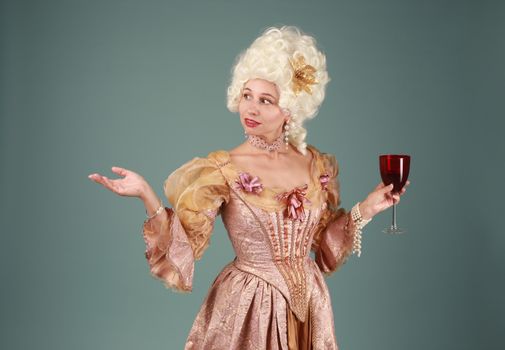 Photo: Vika Glitter / Pexels
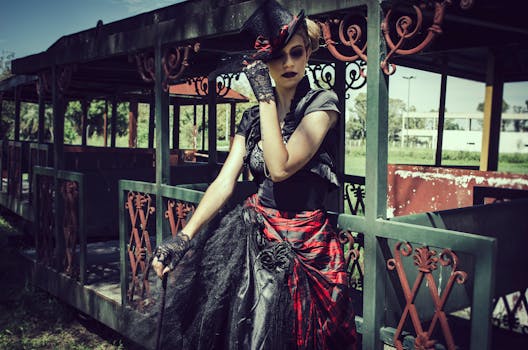 Photo: Nicolas Postiglioni / Pexels
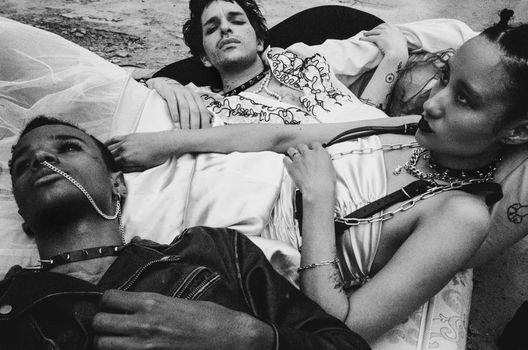 Photo: cottonbro studio / Pexels
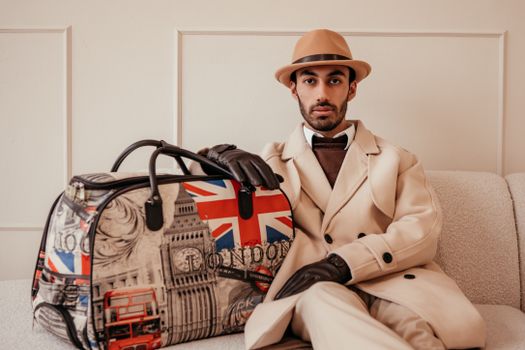 Photo: Mahmood Alhussein / Pexels