Unraveling the History of British Fashion
Journey through centuries of sartorial innovation, influence, and rebellion that shaped British style.
Discover Your StyleKey Takeaways
- ✓ British fashion has influenced global trends for centuries.
- ✓ From Savile Row tailoring to punk, British style is incredibly diverse.
- ✓ Monarchy and social movements have significantly shaped fashion.
- ✓ British designers are renowned for both tradition and avant-garde innovation.
How It Works
Delve into distinct periods like the Georgian, Victorian, and Swinging Sixties to understand their unique fashion contributions. Each era brought new silhouettes and materials.
Learn about the monarchs, designers, and subcultures that pioneered new styles. From Queen Victoria's mourning attire to Vivienne Westwood's punk aesthetics, individuals drove change.
Recognize how societal shifts, economic conditions, and political events mirrored and molded fashion choices. War, industrialization, and youth movements all left their mark.
Discover how British fashion innovations, from tweed to trench coats, permeated international wardrobes. British style continues to resonate worldwide, demonstrating its enduring legacy.
Foundations: From Regal Splendour to Georgian Elegance
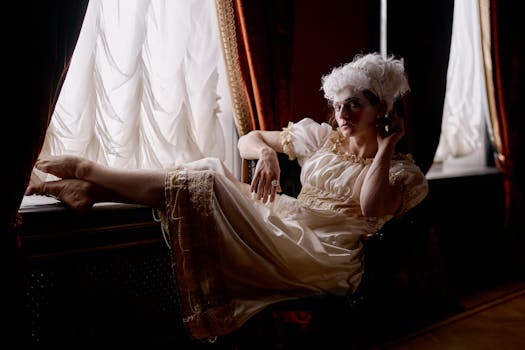 Photo: cottonbro studio / Pexels
Moving into the Elizabethan era, Queen Elizabeth I, a true fashion icon of her time, championed elaborate ruffs, intricate embroidery, and padded sleeves. Her wardrobe was a display of national wealth and power, influencing not only the English aristocracy but also setting trends across the continent. The importation of luxurious silks, velvets, and exotic furs from new trade routes further enriched the British textile industry and expanded the palette available to the elite. The Puritan movement in the 17th century brought a temporary shift towards more subdued, practical clothing, reflecting a rejection of ostentatious display. However, with the Restoration, opulence returned, ushering in the baroque styles of the late 17th and early 18th centuries.
The Georgian period (1714-1837) marked a significant evolution, moving away from the rigid, formal styles of the past towards a more relaxed, yet still elegant aesthetic. For women, the wide panniers of the early 18th century gradually gave way to softer, more flowing gowns, influenced by classical antiquity towards the end of the century. The Empire line, popularized by figures like Emma Hamilton and influenced by the French Revolution's neoclassical leanings, became a dominant silhouette. Men's fashion saw the emergence of the 'dandy' – a figure exemplified by Beau Brummell, who championed understated elegance, impeccable tailoring, and a focus on fit and quality over excessive ornamentation. Brummell's influence was profound, laying the groundwork for modern menswear and the concept of the suit as we know it. He emphasized hygiene and meticulous grooming, making simplicity and precise tailoring the hallmarks of true gentlemanly style. This era also saw the rise of specialist tailors and dressmakers, particularly in London, solidifying Britain's reputation for quality craftsmanship. The development of new dyeing techniques and textile production methods, spurred by the early stages of the Industrial Revolution, also began to make a wider range of fabrics more accessible, albeit still predominantly for the affluent. This period set the stage for Britain's future dominance in tailored clothing and understated chic, a legacy that continues to define aspects of British style today. Understanding these early influences is crucial to grasping the broader evolution of fashion in Britain.
Victorian Morality to Edwardian Opulence: The Rise of Industrial Fashion
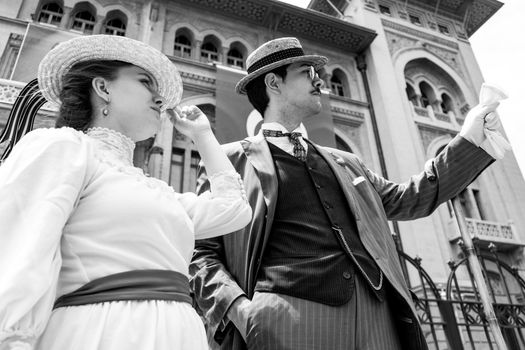 Photo: Bunyamin Cicek / Pexels
The Industrial Revolution, which accelerated during this period, had a transformative effect on fashion production. The invention of the sewing machine in the mid-19th century revolutionized garment manufacturing, moving it from artisanal workshops to factories. This led to the mass production of clothing, making ready-to-wear garments more accessible to a wider segment of the population. Department stores began to emerge, offering a vast array of clothing and accessories, democratizing fashion to some extent. While the wealthy still sought bespoke creations, the burgeoning middle class could now afford fashionable items, albeit often in simpler styles and less luxurious materials. This era also saw the rise of fashion magazines, like 'Godey's Lady's Book,' which disseminated trends and patterns to a wider audience, further accelerating the pace of fashion change.
The late Victorian and early Edwardian periods (1901-1910) saw a gradual loosening of the rigid Victorian silhouette. While corsets remained, the S-bend corset aimed to create a different posture, and skirts became less voluminous, often flaring out at the hem. Edwardian fashion, influenced by King Edward VII's love of luxury and leisure, embraced opulence and a more relaxed elegance. Women's clothing featured elaborate lace, embroidery, and softer fabrics, reflecting a greater emphasis on comfort and practicality for activities like cycling and tennis. Men's fashion became more sporty, with the introduction of the lounge suit for informal wear and tweed for country pursuits. The increasing popularity of travel and sports also influenced the development of more practical and specialized clothing. The groundwork laid by industrialization meant that fashion was no longer solely the domain of the elite but was slowly becoming a reflection of broader societal aspirations and changing lifestyles across Britain. This period truly cemented Britain's role as a leader in both traditional tailoring and innovative textile production.
War, Rebellion, and Youthquakes: The Twentieth Century's Impact
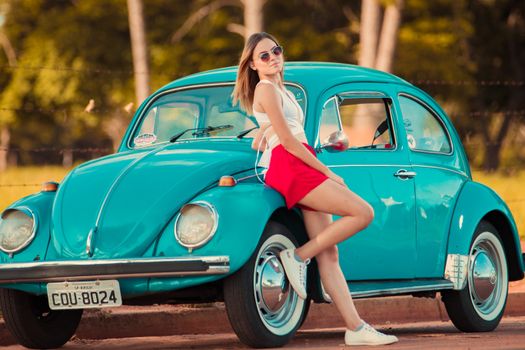 Photo: Breno Cardoso / Pexels
World War II (1939-1945) brought about severe rationing, leading to the Utility Scheme in Britain, which dictated strict regulations on fabric use and garment design. Clothes became incredibly practical, durable, and minimalist, with a focus on functionality. 'Make do and mend' became a national mantra, fostering creativity in repurposing old garments. Despite the austerity, British designers like Norman Hartnell and Hardy Amies continued to create for the royal family, maintaining a sense of elegance even amidst scarcity. The post-war era saw a craving for glamour, leading to the 'New Look' introduced by Christian Dior in Paris, which, despite its French origins, heavily influenced British fashion with its cinched waists and full skirts, a stark contrast to the wartime austerity.
However, it was the 1960s that truly cemented Britain's place as a global fashion powerhouse, particularly through its youthquake movements. London became the epicentre of cool, with designers like Mary Quant introducing the miniskirt, a symbol of youthful rebellion and liberation. Carnaby Street and King's Road were the pulsating hearts of this revolution, breeding subcultures like the Mods, who championed sharp tailoring, scooters, and a distinctive clean-cut aesthetic. The 1970s brought further diversification with the rise of glam rock, disco, and the raw, anti-establishment energy of punk. Vivienne Westwood and Malcolm McLaren's shop SEX on King's Road became the birthplace of punk fashion, challenging conventional aesthetics with ripped fabrics, safety pins, and provocative slogans. This era showcased Britain's unique ability to merge high fashion with street style, creating trends that resonated worldwide. The 1980s continued this trend with New Romanticism, emphasizing theatricality and elaborate dressing, while the 1990s brought minimalism, grunge, and the rise of supermodels. The 20th century fundamentally reshaped the history of fashion in Britain, moving it from a follower of continental trends to a global trendsetter, driven by its vibrant subcultures and innovative designers.
Contemporary British Fashion: Diversity, Innovation, and Global Influence
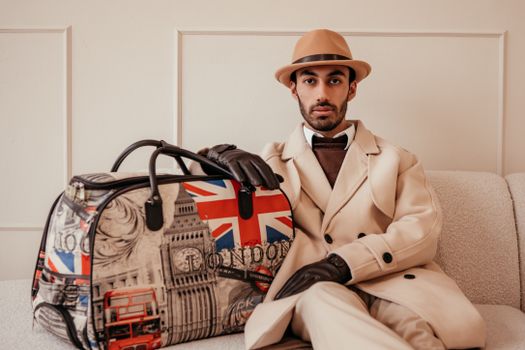 Photo: Mahmood Alhussein / Pexels
Contemporary British fashion is characterized by its eclecticism. On one hand, the legacy of Savile Row continues to thrive, with bespoke tailoring remaining a hallmark of British craftsmanship, adapting to modern sensibilities while upholding traditional techniques. Brands like Burberry, with its iconic trench coat and tartan, have successfully reinvented themselves for the modern age, blending heritage with contemporary design and digital engagement. On the other hand, London's fashion scene is a hotbed for emerging designers who push boundaries, often blending art, technology, and social commentary into their collections. Central Saint Martins, the Royal College of Art, and London College of Fashion continue to produce world-renowned talent, ensuring a constant influx of fresh perspectives.
Key trends in recent decades reflect a growing awareness of sustainability, ethical production, and inclusivity. Many British designers are at the forefront of the slow fashion movement, championing upcycling, responsible sourcing, and circular design principles. The rise of streetwear and activewear has also significantly influenced mainstream fashion, blurring the lines between casual and formal wear. Diversity in representation, both on the runway and in campaigns, has become a crucial focus, reflecting Britain's multicultural society. From the avant-garde designs of Alexander McQueen (even posthumously influential) and Gareth Pugh to the commercial success of brands like Stella McCartney (a pioneer in sustainable luxury), British fashion continues to demonstrate its unique blend of tradition and radical innovation. It is a dynamic landscape that constantly reinvents itself, drawing inspiration from its storied past while fearlessly embracing the future, ensuring its enduring relevance on the global stage. The influence of British music, art, and street culture remains a powerful catalyst for new trends, solidifying its reputation as a vibrant and unpredictable source of fashion inspiration. The continuous interplay between high fashion and everyday style is what truly defines its unique contribution.
Comparison
| Era/Style | Key Feature | Iconic Garment | Social Impact |
|---|---|---|---|
| Georgian (1714-1837) | Understated elegance, Dandyism | Tailored coat, Empire dress | Reflected aristocratic refinement |
| Victorian (1837-1901) | Modesty, corsetry, mass production | Crinoline, three-piece suit | Mirrored industrialisation, strict social norms |
| 1960s (Youthquake) | Rebellion, youth focus, pop art | Miniskirt, A-line dress | Symbolised liberation, cultural shift |
| Punk (1970s) | Anti-establishment, DIY aesthetic | Ripped t-shirts, safety pins | Challenged norms, expressed social anger |
What Readers Say
"This article beautifully captures the essence of British fashion history. I especially enjoyed the detailed breakdown of how social changes influenced styles across different eras. It's incredibly insightful and a must-read for any fashion enthusiast."
Eleanor Vance · London, UK"As someone who appreciates classic tailoring, the section on Savile Row's origins was fascinating. This piece provided a comprehensive yet engaging overview, connecting the dots between history and modern trends seamlessly."
Marcus Chen · Manchester, UK"I learned so much about the evolution of British style, from the regency period to punk. The article helped me understand the cultural context behind iconic fashion movements, enriching my appreciation for my own wardrobe."
Sophie Davies · Bristol, UK"A very well-researched article. While it covered a vast period, I would have loved even more detail on the regional fashion differences within Britain, but overall, it's an excellent resource."
Tom Harrison · Edinburgh, UK"I've always admired British fashion, and this article provided the perfect historical context. It's inspiring to see how British designers and subcultures have consistently pushed boundaries and influenced global style."
Chloe Lim · New York, USAFrequently Asked Questions
What are the most influential periods in the history of British fashion?
While every era contributed, the Georgian period laid the groundwork for modern tailoring, the Victorian era brought mass production, and the 1960s 'Youthquake' and 1970s punk movements cemented Britain's role as a global trendsetter, showcasing its unique blend of tradition and rebellion.
How did wars impact British fashion?
Both World Wars significantly streamlined fashion, promoting practicality and austerity due to rationing and the necessity of women entering the workforce. This led to simpler silhouettes and a focus on durability, fundamentally shifting away from previous opulence.
Who are some iconic British fashion designers?
Key figures include Mary Quant, who popularized the miniskirt in the 1960s; Vivienne Westwood, the 'Queen of Punk'; Alexander McQueen, known for his dramatic and avant-garde designs; and Stella McCartney, a pioneer in sustainable luxury fashion.
Is British fashion still influential globally?
Absolutely. London remains a major fashion capital, known for nurturing emerging talent and showcasing innovative, often experimental, designs. British designers continue to influence global trends through their unique blend of heritage, street style, and avant-garde creativity.
How does British fashion compare to French or Italian fashion?
British fashion is often characterized by its eclectic mix of tradition (like Savile Row tailoring) and rebellious subcultures (punk, mod), leading to a diverse and often experimental aesthetic. French fashion is typically associated with haute couture, effortless chic, and timeless elegance, while Italian fashion is known for luxury, quality craftsmanship, and sensual glamour.
Who should read about the history of British fashion?
Anyone interested in fashion design, cultural history, sociology, or simply understanding the roots of modern style will find this topic fascinating. It's particularly relevant for students of fashion, designers seeking inspiration, and enthusiasts of British culture.
Are there any ethical considerations in the history of British fashion?
Historically, concerns arose from labour practices during the Industrial Revolution's mass production. More recently, the industry has faced questions regarding sustainability, fast fashion's environmental impact, and ethical sourcing, leading to a growing movement towards conscious and responsible fashion practices within Britain.
What are the future trends for British fashion?
Future trends in British fashion are likely to focus on increased sustainability, digital innovation (e.g., virtual fashion, AI in design), inclusivity, and the continued blurring of traditional fashion categories. Personal expression and fluid gender norms are also expected to drive new aesthetics.
Dive deeper into the fascinating history of British fashion and discover how centuries of innovation, rebellion, and elegance have shaped the styles we see today. Let this comprehensive guide inspire your appreciation for Britain's enduring sartorial legacy.