The Enduring History of British Fashion Brands
history of British fashion brands

The Enduring History of British Fashion Brands

Explore the captivating journey of British fashion, celebrating its innovation, tradition, and timeless appeal across centuries.

Discover British Style

Key Takeaways

  • ✓ British fashion has influenced global trends for centuries, from tailoring to subcultures.
  • ✓ Many iconic brands boast heritage dating back to the 18th and 19th centuries.
  • ✓ British designers are renowned for blending tradition with avant-garde creativity.
  • ✓ The UK has been a birthplace for numerous influential fashion movements, like Mod and Punk.

How It Works

1
Explore Historical Foundations

Delve into the origins of British fashion, understanding how tailoring, textiles, and royal patronage shaped early styles. Learn about the societal shifts that influenced clothing choices.

2
Discover Iconic Eras & Movements

Journey through pivotal periods like the Victorian age, the swinging sixties, and the punk revolution. See how distinct subcultures and designers left their indelible mark on British style.

3
Uncover Legendary Brands

Gain insight into the stories behind globally recognized British brands, from their founding principles to their enduring legacy. Understand what makes them quintessentially British.

4
Recognize Modern Influence

Appreciate how contemporary British designers continue to innovate while respecting their heritage. See how British fashion remains at the forefront of global trends and sustainability.

The Genesis of British Fashion: From Regal Roots to Industrial Revolution
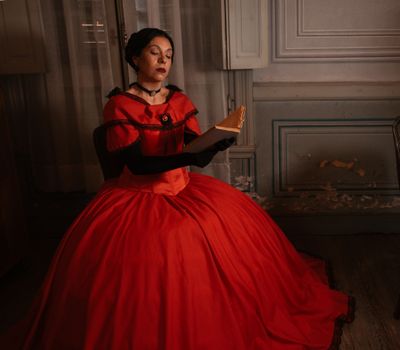
A woman in a red Victorian gown reading by a window, evoking a historic ambiance. Photo: Patricia Bozan / Pexels
The narrative of British fashion brands is deeply interwoven with the nation's history, a tapestry woven with threads of royal decree, industrial innovation, and evolving social mores. Before the concept of 'brands' as we understand them today, the quality and style of British attire were largely dictated by the monarchy and the aristocracy. Sumptuary laws, though often flouted, attempted to regulate dress according to social status, laying an early foundation for a structured approach to clothing. The 17th and 18th centuries saw the burgeoning of bespoke tailoring, particularly in London, establishing a reputation for unparalleled craftsmanship. Savile Row, though not formally established until the late 18th century, began to cultivate the bespoke suit – a cornerstone of British menswear that would come to define elegance and precision worldwide. This era wasn't just about the elite; the burgeoning merchant class and the expansion of the British Empire brought new textiles and influences, enriching the local fashion landscape. The Industrial Revolution in the 19th century was a seismic shift, transforming not just Britain but the world, and fashion was no exception. The mechanization of textile production, particularly cotton and wool, made clothing more accessible and affordable to a wider population. Factories sprang up, mass-producing fabrics and garments, moving away from the purely bespoke model. This period saw the rise of drapery stores and early department stores, which allowed for a broader distribution of ready-to-wear garments. Brands like Burberry, founded by Thomas Burberry in 1856, emerged from this era, innovating with functional yet stylish outerwear like gabardine, designed to protect against the British weather. Similarly, Aquascutum, established in 1851, patented its waterproof wool fabric, catering to a similar need. These brands weren't just creating clothes; they were solving practical problems with sophisticated design, setting a precedent for utility and style that would become a hallmark of British fashion. The Victorian era, with its strict social codes and elaborate dress, further cemented the importance of attire as a marker of identity and status, even as mass production began to democratize access to fashionable clothing. The foundational principles of quality, practicality, and a distinct aesthetic were firmly laid during these formative centuries, shaping the trajectory of the global fashion industry for generations to come.

Mid-20th Century: Subcultures, Revolution, and Global Influence

Young woman in stylish outfit holding drink on a sunny street in Los Angeles. Photo: Devin Dygert / Pexels
The 20th century witnessed an explosion of creativity and rebellion in British fashion, moving beyond traditional tailoring to embrace vibrant subcultures and revolutionary design. The post-war era, particularly the 1950s, saw a shift towards more casual wear, influenced by American styles but filtered through a distinctly British lens. The Teddy Boys, with their dandyish Edwardian-inspired suits and quiffed hair, were one of the first truly distinct youth subcultures to emerge, signaling a nascent desire for self-expression through dress that challenged parental norms. This paved the way for the seminal 'Swinging Sixties' in London, a period synonymous with liberation and radical change. Carnaby Street and King's Road became epicentres of this revolution, with designers like Mary Quant at the forefront. Quant, often credited with popularizing the mini-skirt, epitomized the youthful, playful, and accessible fashion that defined the era. Her designs were not just clothes; they were symbols of a new freedom for women, challenging the restrictive silhouettes of previous decades. Other notable designers like Biba, founded by Barbara Hulanicki, offered affordable, stylish clothing that captured the bohemian spirit of the time, making high fashion accessible to the masses. The 1970s brought further cultural upheaval, giving birth to the punk movement. Vivienne Westwood and Malcolm McLaren's shop, SEX (later Seditionaries), on King's Road became the spiritual home of punk fashion. Their provocative designs – ripped clothing, safety pins, bondage gear, and anti-establishment slogans – were a direct rejection of mainstream conformity and a powerful statement against the status quo. Punk wasn't just a style; it was a philosophy, and its raw, DIY aesthetic resonated globally, proving the power of British subcultures to dictate worldwide trends. Following punk, the New Romantics of the early 80s offered a more theatrical and romantic counterpoint, with designers like John Galliano and Stephen Jones (milliner) beginning to make their mark, showcasing an extravagant, historical-influenced aesthetic. This period also saw the rise of influential figures like Princess Diana, whose style became a global obsession, blending classic elegance with emerging trends and showcasing British designers on the world stage. The mid-20th century cemented Britain's reputation not just for heritage, but as a hotbed of innovation, rebellion, and a unique ability to translate street style into high fashion, profoundly impacting the global fashion landscape.

Contemporary Powerhouses and the Future of British Design

Man striking a powerful dance pose against a vibrant red backdrop with dramatic lighting. Photo: Wolrider YURTSEVEN / Pexels
As the 20th century drew to a close and the new millennium began, British fashion continued its dynamic evolution, balancing its rich heritage with a relentless drive for innovation. The 1990s saw a renewed focus on minimalism and grunge, but British designers often infused these trends with their signature wit and edge. Alexander McQueen, a prodigy from working-class London, emerged as a visionary, known for his theatrical shows, impeccable tailoring, and often dark, emotionally charged collections. His work pushed boundaries and redefined what high fashion could be, cementing Britain's reputation for avant-garde creativity. Stella McCartney, championing ethical and sustainable fashion long before it became mainstream, brought a conscious approach to luxury, proving that style doesn't have to come at the expense of the planet. Her brand, launched in 2001, quickly became a global leader in responsible luxury, showcasing British ingenuity in a new light. Today, British fashion brands span a vast spectrum, from the enduring legacy houses to exciting new talents. Brands like Paul Smith continue to offer classic British tailoring with a playful twist, while designers such as Simone Rocha bring a romantic, darkly whimsical aesthetic that is distinctly her own. The British Fashion Council (BFC) plays a crucial role in nurturing emerging talent, providing platforms like London Fashion Week to showcase diverse voices and innovative designs. Sustainability has become a central theme, with many British brands, both established and new, actively pursuing ethical production practices, circular design, and transparency. The digital age has also transformed how British brands connect with consumers globally, leveraging e-commerce and social media to reach wider audiences and tell their unique stories. From the timeless appeal of a trench coat from Burberry, a brand that has successfully reinvented itself for the modern era, to the edgy streetwear influences seeping into high fashion, British design remains a powerful force. The future of British fashion promises a continued blend of tradition and disruption, a commitment to craftsmanship, and a unique ability to reflect and shape cultural narratives, ensuring its place at the forefront of global style. The enduring spirit of British creativity, a blend of irreverence and elegance, continues to inspire and redefine what fashion means on an international stage.

Key British Fashion Brands and Their Enduring Legacy

Fashionable blonde woman posing on an outdoor escalator, showcasing modern style in sunny conditions. Photo: Mâide Arslan / Pexels
Understanding the history of British fashion brands is incomplete without a closer look at the key players who have shaped its narrative and continue to define its global appeal. These brands represent the diverse facets of British style, from quintessential tailoring to rebellious subculture influences. * **Burberry:** Founded in 1856 by Thomas Burberry, this brand is synonymous with the trench coat. Its iconic check pattern is instantly recognizable, and its history is deeply intertwined with military and exploration. Burberry has successfully navigated modernization, blending its heritage with contemporary design and a strong digital presence. * **Aquascutum:** Established in 1851, Aquascutum, meaning 'watershield' in Latin, was another pioneer in waterproof outerwear. It dressed royalty, politicians, and military personnel, establishing a reputation for quality and innovation in protective yet stylish garments. * **Paul Smith:** Launched in 1970, Paul Smith is celebrated for its 'classic with a twist' aesthetic. Known for vibrant colours, unexpected details, and impeccably tailored menswear and womenswear, the brand embodies a playful yet sophisticated British sensibility. * **Vivienne Westwood:** A true iconoclast, Vivienne Westwood rose to prominence in the 1970s as the architect of punk fashion. Her designs continue to challenge norms, blending historical references with rebellious spirit, making her one of the most influential and provocative designers globally. * **Alexander McQueen:** Though tragically short-lived, Lee McQueen's career left an indelible mark on fashion. His eponymous brand, founded in 1992, is known for its dramatic, theatrical shows, exquisite tailoring, and exploration of dark romanticism. Sarah Burton has continued his legacy with critical acclaim. * **Stella McCartney:** A pioneer in sustainable luxury, Stella McCartney launched her brand in 2001. She has proven that high fashion can be produced without leather, fur, or animal products, championing ethical practices and innovative materials. * **Mulberry:** A luxury fashion company founded in 1971, Mulberry is best known for its leather goods, particularly its iconic handbags like the Bayswater and Alexa. It represents British craftsmanship and understated luxury. * **Dr. Martens:** More than just a shoe, Dr. Martens boots became a symbol of working-class pride and later, various youth subcultures including punk, skinheads, and grunge. Their durable, distinctive design has made them a global footwear icon since their first boot was produced in 1960. These brands, among many others, collectively tell the story of British fashion's ingenuity, its ability to adapt, innovate, and continuously inspire, cementing its unique place in the global fashion lexicon.

Comparison

FeatureTraditional British LuxuryModern British InnovatorsSubculture-Inspired Brands
Founding Era18th-19th CenturyLate 20th-Early 21st CenturyMid-Late 20th Century
Core AestheticTailored, Classic, HeritageEthical, Avant-garde, ContemporaryRebellious, Edgy, Statement
Key ProductsTrench Coats, Suits, Leather GoodsSustainable Apparel, Artistic CollectionsPunk clothing, Iconic Footwear
Global Influence

What Readers Say

"This article beautifully chronicles the history of British fashion brands. I learned so much about the origins of iconic styles and designers I adore. It's truly a must-read for anyone interested in fashion heritage."

Eleanor Vance · Manchester, UK

"As a fashion student, understanding the history of British fashion brands is crucial. This piece offers a comprehensive and engaging overview, highlighting the cultural shifts that shaped what we wear today."

James O'Connell · Dublin, Ireland

"I've always admired British style, and this article explains exactly why. It connected the dots from royal influence to punk rock, giving me a much deeper appreciation for brands like Vivienne Westwood and Burberry."

Sophie Laurent · Paris, France

"A very informative read on the history of British fashion brands. While it covered many great designers, I would have loved to see a bit more on the impact of specific textile innovations from Britain."

Marcus Chen · New York, USA

"The evolution of British fashion brands is fascinating, and this article captured it perfectly. From bespoke tailoring to the rise of subcultures, it shows how Britain consistently reinvents and influences global trends."

Anya Sharma · Mumbai, India

Frequently Asked Questions

What are some of the oldest active British fashion brands?

Some of the oldest active British fashion brands include Burberry (founded 1856), Aquascutum (1851), and John Smedley (1784), known for its fine knitwear. These brands have demonstrated remarkable longevity by adapting to changing tastes while maintaining their core quality and heritage.

How did British fashion brands influence global trends?

British fashion brands influenced global trends through various means: establishing bespoke tailoring standards, innovating with functional outerwear like the trench coat, and pioneering youth subcultures (e.g., Mod, Punk) whose styles spread internationally. London's fashion weeks also serve as a global platform for emerging trends and designers.

Who are some iconic British fashion designers from the 20th century?

Iconic British fashion designers from the 20th century include Mary Quant, credited with popularizing the mini-skirt and bringing youthful fashion to the masses; Vivienne Westwood, the 'Queen of Punk' who revolutionized rebellious style; and Alexander McQueen, known for his theatrical, avant-garde designs and impeccable tailoring.

Are British luxury fashion brands still relevant today?

Yes, British luxury fashion brands are highly relevant today. Many heritage brands like Burberry have successfully reinvented themselves for the modern consumer, while newer luxury brands like Stella McCartney lead in sustainable fashion. Their blend of tradition, quality, and innovation ensures their continued appeal and influence on the global stage.

How does British fashion differ from French or Italian fashion?

British fashion often distinguishes itself through a blend of heritage and irreverence, a strong emphasis on tailoring and outerwear, and a significant influence from street style and subcultures. While French fashion often embodies effortless chic and Italian fashion focuses on sensual glamour and exquisite craftsmanship, British fashion frequently marries tradition with a rebellious, experimental edge.

Who should explore the history of British fashion brands?

Anyone with an interest in fashion, design, cultural history, or branding should explore the history of British fashion brands. It offers insights into how clothing reflects societal changes, the evolution of design, and the lasting impact of creative individuals and movements on global style.

What role did the British monarchy play in shaping fashion?

The British monarchy historically played a significant role in shaping fashion, setting trends for the aristocracy and influencing sartorial standards. Royal patronage provided legitimacy and visibility to designers, and royal events often dictated formal wear. Modern royals continue to influence trends, showcasing British designers on a global stage.

What are future trends for British fashion brands?

Future trends for British fashion brands are likely to include continued leadership in sustainable and ethical practices, increased integration of digital technologies (e.g., AI in design, virtual fashion), and a persistent blending of heritage with avant-garde aesthetics. Expect a strong focus on individuality, gender fluidity, and community-driven design.

Embark on your own style journey by appreciating the rich tapestry that is the history of British fashion brands. Discover the designers and movements that continue to shape global trends and inspire personal expression. Dive deeper and let the legacy of British style inform your next fashion choice.

Topics: history of British fashion brandsBritish fashion heritageiconic UK designersevolution of British styleluxury British labels
Leo List

IE Escorts NO Escorts US Escorts NZ Escorts AU Escorts
Brampton weed
Adultwork EstrelaBet Vai de Bet R7 Bet Betão Galera Bet Rainbet Bet9ja Shop SportyBet BetKing Sisal Loto Foot Hollywoodbets YesPlay Odibets RushBet Jugabet BetWarrior BetCity MSport betPawa Fortebet