Unlock Your Future: Fashion Internships UK for Students
fashion internships UK for students

Unlock Your Future: Fashion Internships UK for Students

Navigate the competitive world of UK fashion internships to kickstart your dream career with practical, hands-on experience.

Find Your Internship Now

Key Takeaways

  • ✓ Over 80% of fashion roles require prior industry experience, often gained through internships.
  • ✓ The UK fashion industry contributes £32 billion to the economy annually.
  • ✓ London is a global fashion capital, offering diverse internship opportunities.
  • ✓ Many internships lead directly to entry-level positions or provide crucial networking contacts.

How It Works

1
Define Your Niche

Identify which area of fashion – design, marketing, merchandising, PR, sustainability – truly excites you. This focus will streamline your search and application process significantly.

2
Build a Stellar Portfolio/CV

Showcase your skills and passion through a tailored CV, a compelling cover letter, and for creative roles, a strong portfolio. Highlight any relevant projects or voluntary work.

3
Network Strategically

Attend industry events, connect with professionals on LinkedIn, and leverage university career services. Personal connections often open doors to unadvertised opportunities.

4
Apply and Follow Up

Submit well-researched applications, paying close attention to each company's unique culture and requirements. Always follow up politely after an interview or application submission.

Navigating the Landscape of Fashion Internships UK for Students
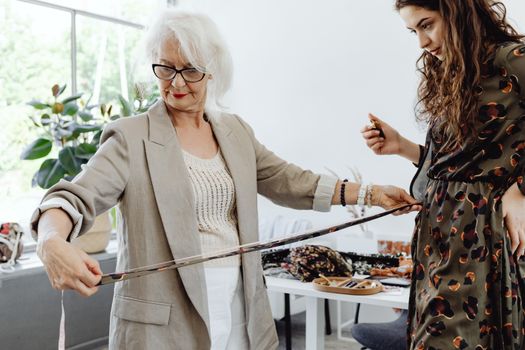
Elderly woman measuring a young woman's waist with tape in a comfortable indoor setting. Photo: https://kaboompics.com/ / Pexels
The UK fashion industry is a vibrant, dynamic, and incredibly competitive landscape, making fashion internships UK for students not just beneficial, but often essential for career entry and progression. For aspiring professionals, securing an internship offers an unparalleled opportunity to gain practical experience, build a professional network, and understand the intricate workings of this fast-paced sector. From high-street giants to luxury brands, independent designers to sustainable fashion innovators, the breadth of opportunities is vast, catering to a wide array of interests and skill sets. Understanding this landscape is the first critical step in your journey. Internships in the UK can vary significantly in duration, from short, intensive week-long placements to year-long sandwich courses integrated into degree programmes. They can be paid, expenses-only, or sometimes unpaid, though regulations around unpaid internships are becoming stricter, particularly for roles exceeding a few weeks. It's crucial for students to research the legalities and ethical considerations surrounding unpaid work, ensuring they are not exploited and that the experience genuinely serves their career development. Many universities offer support through career services, helping students identify legitimate opportunities and understand their rights. Beyond the legalities, the types of roles available are incredibly diverse. You could find yourself assisting designers with mood boards and fabric sourcing, working in a PR agency drafting press releases and managing social media campaigns, supporting merchandising teams with stock analysis and trend forecasting, or delving into the operational side of e-commerce. Each role offers a unique window into the industry, allowing you to test different career paths and discover where your true passions lie. The key is to approach your search strategically, identifying areas that align with your long-term goals. For instance, if you dream of becoming a fashion buyer, an internship in a merchandising or retail operations department would be invaluable. If your passion is sustainable fashion, seeking out brands committed to ethical practices would be a smart move. The UK, particularly London, is a hub for fashion innovation and business, providing a concentrated environment for these opportunities. Other cities like Manchester, Leeds, and Edinburgh also boast burgeoning fashion scenes, offering a broader range of regional experiences. Engaging with industry bodies and events, such as London Fashion Week or various textile trade shows, can also provide direct access to companies offering internships. These events are not just for showcasing collections; they are prime networking opportunities where you can meet professionals and learn about potential placements. Remember, every interaction is a chance to make a positive impression and potentially open a door. The journey to securing a fashion internship is as much about proactive engagement as it is about academic preparation. Understanding the core disciplines of fashion and how they interconnect will give you a significant advantage when applying for these competitive roles. Be prepared to demonstrate your enthusiasm, willingness to learn, and a genuine interest in the specific company or area you are applying to. This initial dive into the UK fashion internship landscape sets the stage for a rewarding and career-defining experience.

Crafting Your Application: Standing Out from the Crowd
Fashion model striking a pose in elegant brown clothing against a white backdrop. Photo: Pietro Henricky / Pexels
In a highly competitive field like fashion, a generic application simply won't cut it. To secure one of the coveted fashion internships UK for students, you need to meticulously craft an application that not only showcases your skills but also demonstrates a genuine understanding of and passion for the specific company and role. This involves several key components, each requiring careful attention. Firstly, your CV (Curriculum Vitae) is your professional snapshot. It should be concise, well-organised, and tailored to the fashion industry. Include relevant academic achievements, particularly any fashion-related courses, projects, or awards. Crucially, highlight any transferable skills gained from part-time jobs, volunteering, or extracurricular activities. These might include teamwork, communication, problem-solving, attention to detail, or proficiency in software like Adobe Creative Suite. Quantify your achievements wherever possible – for example, 'assisted in organising a charity fashion show attended by 200 guests' is more impactful than 'helped with events'. Secondly, the cover letter is your opportunity to tell your story and explain why you are the ideal candidate for *that specific* internship. Avoid generic templates. Research the company thoroughly: understand their brand identity, recent collections, sustainability initiatives, and target market. Weave this knowledge into your letter, explaining how your skills, interests, and aspirations align with their values and the internship's requirements. Mention specific projects or experiences that demonstrate your suitability. For instance, if applying for a marketing internship, reference a social media campaign you managed or a market research project you undertook. Show, don't just tell, your passion for fashion and for their brand. Thirdly, for creative roles such as design, styling, or visual merchandising, a strong portfolio is non-negotiable. This should be a curated collection of your best work, demonstrating your aesthetic, technical skills, and creative vision. Whether digital or physical, ensure it is professional, easy to navigate, and tells a coherent story about your design philosophy. Include sketches, mood boards, photography, garment constructions, or any other relevant creative output. Quality over quantity is key here; present a few exceptional pieces rather than many mediocre ones. Finally, be prepared for an interview. This is your chance to shine in person. Research common interview questions for fashion roles and practice your answers. Think about behavioural questions ('Tell me about a time you faced a challenge and how you overcame it') and be ready to discuss your knowledge of current fashion trends, designers, and industry news. Prepare thoughtful questions to ask the interviewer, demonstrating your engagement and curiosity. This also helps you assess if the company culture and internship role are a good fit for you. Remember, every element of your application should work in harmony to present you as a motivated, capable, and enthusiastic individual ready to contribute to the fashion world. The goal is not just to get an interview, but to leave a lasting impression that makes them want to hire you.

Maximising Your Internship Experience: Beyond the Basics

Side view of crop anonymous diverse girlfriends with netbook speaking under roof on summer day Photo: Zen Chung / Pexels
Securing a fashion internship in the UK for students is a significant achievement, but the real work begins once you step through the door. To truly maximise this invaluable experience, you need to go beyond simply completing assigned tasks. This means adopting a proactive mindset, demonstrating initiative, and actively seeking opportunities for growth and learning. Firstly, be a sponge. Observe everything: how teams collaborate, how decisions are made, the flow of operations, and the communication styles within the company. Ask thoughtful questions – not just about your immediate tasks, but about the broader context of projects and the company's overall strategy. Show genuine curiosity about different departments and roles. If you're in design, try to understand how your work impacts merchandising or marketing. This holistic understanding will not only make you a more valuable intern but also help you solidify your own career aspirations. Secondly, take initiative. Don't wait to be told what to do. If you finish a task, ask for more work, or identify an area where you could offer assistance. Propose new ideas, even if they're small, and offer to research solutions to problems. This demonstrates your engagement and enthusiasm. For example, if you notice a repetitive manual task, suggest a digital tool that could streamline it. This proactive approach will make you stand out and prove your value beyond just being an extra pair of hands. Thirdly, network within the company. Build rapport with your colleagues, mentors, and even senior management. Attend company events, team lunches, and any opportunities for social interaction. These connections can be invaluable for future job prospects, references, and mentorship. Don't be afraid to ask for informational interviews with people in roles you find interesting; most professionals are happy to share their career journeys. Maintain these relationships even after your internship concludes. Fourthly, document your achievements. Keep a log of your tasks, projects, and contributions. Note down specific skills you've developed and any positive feedback you receive. This record will be incredibly useful when updating your CV, preparing for future interviews, or requesting references. Quantify your impact wherever possible – for example, 'assisted in increasing social media engagement by X% during a campaign'. Finally, seek feedback regularly. Don't wait for your end-of-internship review. Ask your supervisor for constructive criticism throughout your placement. This shows maturity, a commitment to improvement, and a willingness to learn. Act on the feedback you receive to demonstrate your growth. Even if the internship doesn't lead to a direct job offer, the skills you gain, the network you build, and the insights into the industry are priceless. This experience will significantly enhance your employability and clarify your future career path within the dynamic world of fashion. Remember, every internship is a learning curve, and the more you put into it, the more you will get out of it. Developing a strong professional presence will serve you well in any future role.

Common Pitfalls and How to Avoid Them in Your Fashion Internship

Four teenage boys in school uniforms shaking hands on a rooftop terrace. Photo: HONG SON / Pexels
While fashion internships UK for students offer incredible opportunities, there are common pitfalls that can hinder your experience or even damage your professional reputation. Being aware of these and actively working to avoid them is crucial for a successful and impactful placement. **1. Lack of Professionalism:** This is a broad category but encompasses many aspects. Arriving late, dressing inappropriately for the workplace culture, or using your phone excessively for personal reasons are all professionalism red flags. Always err on the side of being overdressed rather than underdressed, and treat every task, no matter how menial, with dedication. **2. Poor Communication:** Failing to ask for clarification, not reporting issues, or not providing updates on your progress can lead to misunderstandings and missed deadlines. If you're unsure about something, ask. If you anticipate a delay, communicate it proactively. Clear and concise communication is paramount in any professional setting. **3. Expecting Instant Glamour:** The fashion industry, especially at entry-level, involves a lot of grunt work. You might be making tea, running errands, organising samples, or doing data entry. Expecting to be styling photoshoots or designing collections from day one is unrealistic and can lead to disillusionment. Embrace every task as a learning opportunity. **4. Not Taking Initiative:** As discussed earlier, waiting to be told what to do limits your learning and impact. While it's important not to overstep, showing enthusiasm and offering to help when you've completed your tasks demonstrates your value and eagerness to learn. **5. Neglecting Networking:** Focusing solely on your immediate tasks and not engaging with colleagues or other interns is a missed opportunity. Your network is one of the most valuable assets you'll gain from an internship. Make an effort to connect with people at all levels. **6. Being Afraid to Ask Questions:** It’s better to ask a 'silly' question than to make a significant mistake due to misunderstanding. Supervisors expect interns to have questions and appreciate when you seek clarity rather than guessing. **7. Not Documenting Your Work:** Failing to keep a record of your contributions means you won't have solid examples to discuss in future interviews or to add to your CV. Make a habit of noting down your achievements and the skills you've developed. By being mindful of these common mistakes, you can ensure your fashion internship is a truly positive and productive experience, setting you up for future success in the competitive UK fashion industry.

Comparison

FeatureSmall Independent BrandLarge Retail CorporationPR/Marketing AgencyLuxury Fashion House
Exposure to departmentsHigh (often wear many hats)Limited (specialised roles)Medium (client variety)Medium (highly structured)
Pace of workFast-paced, agileStructured, process-drivenVery fast-paced, client-drivenDeliberate, meticulous
Networking opportunitiesIntimate, direct with foundersBroader internal networkExtensive external (media, clients)Exclusive, high-level contacts
Likelihood of paid roleLower (often expenses only)Higher (structured programs)MediumVariable (often expenses/stipend)
Creative inputHigher potentialLower (often execution)Medium (campaign ideas)Highly specific, brand-aligned
Location focusOften regional/onlineMajor cities, nationwideMajor citiesLondon-centric, global reach

What Readers Say

"My fashion internship in London was transformative. I worked with a sustainable brand and gained hands-on experience in production and marketing, which I wouldn't have learned in a classroom. It truly solidified my career path."

Chloe Davies · London, UK

"I secured a merchandising internship through my university's career fair. The practical skills I developed, from stock management to trend analysis, were invaluable and directly led to a graduate job offer."

Ben Carter · Manchester, UK

"The guidance on crafting my portfolio for fashion internships UK for students was spot on. I landed an internship at a major high-street retailer, and by the end, I had completely revamped their social media strategy, seeing a 15% increase in engagement."

Sarah Khan · Leeds, UK

"My internship with a small design studio was intense and often unpaid, but the direct mentorship and creative freedom I experienced were worth every moment. It was a steep learning curve but incredibly rewarding."

Liam Murphy · Edinburgh, UK

"As an international student, finding fashion internships UK for students seemed daunting. This resource helped me understand the visa requirements and application processes, leading to a fantastic placement in PR that expanded my network globally."

Jessica Lee · Birmingham, UK

Frequently Asked Questions

What are the typical durations for fashion internships UK for students?

Fashion internships in the UK can vary significantly in length. They can range from short, intensive periods of 1-4 weeks, often during university breaks, to longer placements of 3-6 months, or even year-long 'sandwich' internships integrated into degree programs. The duration often depends on the company's needs and the student's academic schedule.

Are fashion internships in the UK usually paid?

While some larger companies and structured programs offer paid internships or at least cover expenses, many fashion internships, particularly with smaller brands or for shorter durations, can be unpaid. It's crucial to research the company's policy and be aware of your rights regarding minimum wage if the internship involves actual work rather than just training or observation.

How can I find reputable fashion internships UK for students?

Start by checking your university's career services, as they often have established relationships with industry partners. Reputable job boards like BoF Careers, Drapers Jobs, Fashion Workie, and LinkedIn are also excellent resources. Additionally, directly approaching brands you admire with a tailored application can sometimes yield results. Networking at industry events is also highly effective.

What skills are most valued in a fashion intern?

Employers look for a blend of hard and soft skills. Essential hard skills include proficiency in relevant software (e.g., Adobe Creative Suite for design, Excel for merchandising), strong research abilities, and a good understanding of fashion trends. Soft skills like proactivity, strong communication, attention to detail, teamwork, adaptability, and a genuine passion for the industry are highly valued.

Should I have a portfolio even if I'm not applying for a design role?

While a traditional design portfolio is crucial for creative roles, students applying for marketing, PR, or business roles can benefit from a 'professional portfolio'. This might include examples of marketing campaigns you've worked on, social media content you've created, writing samples, or reports you've compiled. It demonstrates your practical skills and initiative beyond your CV.

Who should pursue fashion internships in the UK?

Anyone currently studying fashion, textiles, marketing, business, or related fields who is passionate about building a career in the fashion industry should pursue internships. They are particularly beneficial for students seeking practical experience, networking opportunities, and a clear understanding of specific career paths within the diverse fashion sector.

What are the risks associated with unpaid fashion internships?

The primary risks include potential exploitation, lack of fair compensation for work performed, and the financial burden on the intern. It's important to differentiate between genuine work experience and free labour. Always ensure the internship offers clear learning objectives and a structured program, and be aware of UK employment laws regarding intern rights.

How will the rise of digital and sustainable fashion impact future internships?

Future fashion internships will increasingly focus on digital skills (e-commerce, digital marketing, AI in fashion) and sustainability practices (circular design, ethical sourcing, supply chain transparency). Students should highlight any experience or interest in these areas, as they represent the leading edge of industry innovation and demand.

Embark on your journey into the dynamic world of fashion. By strategically seeking out and excelling in fashion internships UK for students, you're not just gaining experience; you're building the foundation for a successful and fulfilling career. Start your search today and transform your passion into a profession.

Topics: fashion internships UK for studentsUK fashion industry placementsstudent fashion experience UKfashion career development UK
Leo List

DK Escorts LU Escorts AT Escorts SE Escorts FI Escorts CH Escorts DE Escorts HR Escorts IE Escorts GR Escorts CZ Escorts NO Escorts BE Escorts FR Escorts SI Escorts IL Escorts NL Escorts PL Escorts HU Escorts ES Escorts IT Escorts PT Escorts SK Escorts RO Escorts ZA Escorts UY Escorts US Escorts UK Escorts NZ Escorts AU Escorts
Brampton weed
Adultwork EstrelaBet Vai de Bet R7 Bet Betão Galera Bet Rainbet Bet9ja Shop SportyBet BetKing Sisal Loto Foot Hollywoodbets YesPlay Odibets RushBet Jugabet BetWarrior BetCity MSport betPawa Fortebet