Unveiling the Roaring Twenties: Fashion History 1920s UK
fashion history 1920s UK

Unveiling the Roaring Twenties: Fashion History 1920s UK

Dive into the transformative era that redefined British style, liberating women and embracing modernism.

Discover the Era

Key Takeaways

  • ✓ The 1920s in the UK saw a dramatic shift from restrictive Edwardian fashion to looser, more boyish silhouettes.
  • ✓ The Flapper style, characterized by short hemlines, dropped waists, and bobbed hair, became iconic.
  • ✓ Post-World War I societal changes empowered women, reflected in their clothing choices for increased mobility and freedom.
  • ✓ Art Deco influences, jazz music, and new manufacturing techniques profoundly impacted British fashion trends.

How It Works

1
Understand the Pre-War Context

Before delving into the 1920s, grasp the restrictive fashion norms of the late Victorian and Edwardian eras. This provides a stark contrast to the revolutionary styles that followed.

2
Explore Post-War Societal Shifts

Examine how World War I fundamentally altered British society, particularly for women. Increased roles in the workforce and newfound freedoms directly influenced fashion demands for practicality and modernity.

3
Deconstruct Key Fashion Elements

Break down the defining characteristics of 1920s British fashion, such as the dropped waist, shorter skirts, bobbed hair, and accessories. Understand the 'why' behind each trend.

4
Connect to Cultural Influences

Recognize the impact of movements like Art Deco, the rise of jazz music, and the growing popularity of cinema on British fashion. These cultural phenomena inspired specific aesthetics and attitudes.

The Dawn of a New Era: Post-War Societal Impact on British Fashion
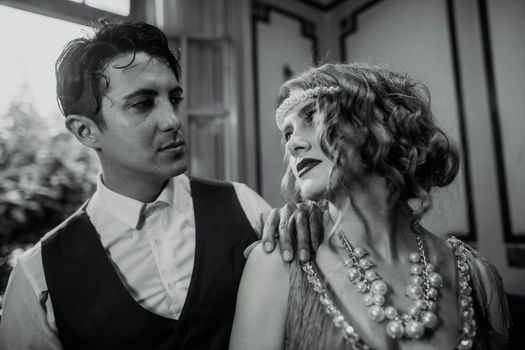
A stylish couple in 1920s attire gazing lovingly at each other in a vintage Buenos Aires setting. Photo: Gera Cejas / Pexels
The 1920s, often dubbed the 'Roaring Twenties,' represented a profound cultural and social upheaval in the United Kingdom, directly translating into a radical transformation of fashion. The preceding Edwardian era, extending into the early 1910s, was characterized by highly structured, restrictive garments designed to emphasize an hourglass figure. Corsets were ubiquitous, skirts were long and voluminous, and formal attire was the norm. Women's roles were largely confined to the domestic sphere, and their clothing reflected this perceived fragility and dependence. However, the cataclysmic events of World War I fundamentally shattered these societal constructs. With millions of men conscripted, women stepped into roles previously deemed masculine, working in factories, transport, and other essential industries. This unprecedented participation in the public sphere not only granted them newfound economic independence but also fostered a sense of liberation and agency. The practical demands of wartime work necessitated more comfortable, less restrictive clothing. Uniforms and simpler dresses became commonplace, paving the way for a permanent shift in sartorial preferences. Upon the war's end, women, many of whom had experienced a taste of freedom and self-sufficiency, were unwilling to return to the constricting fashions of yesteryear. The suffrage movement, which saw women over 30 gain the right to vote in 1918 (extended to all women over 21 in 1928), further cemented their elevated status and desire for self-expression. This burgeoning sense of independence, coupled with the desire to move on from the somber war years, fueled a demand for clothing that was modern, playful, and liberating. Designers, both in Paris and London, quickly responded to this shift. The focus moved from accentuating the bust and waist to creating a more streamlined, almost boyish silhouette. The flapper, an iconic figure of the decade, embodied this new spirit. Her style was a deliberate rejection of Victorian prudishness and Edwardian formality. This foundational societal change is crucial to understanding the dramatic evolution of fashion in 1920s UK, laying the groundwork for the iconic styles that would define the decade. The shift was not merely aesthetic; it was a powerful statement of social progress and female empowerment, marking a definitive break from the past and ushering in an era of unprecedented modernity in British dress.

The Flapper Phenomenon: Defining Styles and Silhouettes in British Fashion
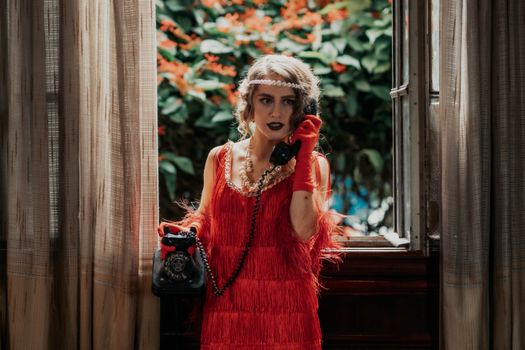
Elegant woman in vintage flapper dress holding rotary phone, near window with lush background. Photo: Gera Cejas / Pexels
The flapper, though originating in America, quickly became a global phenomenon, finding its unique expression within the fashion history of 1920s UK. This iconic figure was characterized by a specific aesthetic that was revolutionary for its time. The most striking element was the dropped waistline, which moved from the natural waist down to the hips, creating a straight, column-like silhouette that de-emphasized the bust and curves. Skirt hemlines, once sweeping the floor, rose dramatically, often reaching just below the knee, and sometimes even above it, especially for evening wear. This newfound leg exposure was scandalous to some but celebrated by many as a symbol of liberation. Dresses were typically loose-fitting, often made of lightweight fabrics like silk, chiffon, and rayon, allowing for ease of movement, perfect for the energetic new dances like the Charleston. Daytime dresses were often simple slips, sometimes adorned with subtle embroidery or pleats, while evening gowns sparkled with beads, sequins, and fringe, designed to shimmer and sway with every step. The 'garçonne' or 'boyish' look was highly fashionable, achieved through the straight silhouette and often complemented by a bobbed haircut – a radical departure from the long, elaborate hairstyles of previous decades. Hair was cut short, sometimes into a sleek 'Eton crop,' and styled close to the head, often adorned with cloche hats that covered the forehead and ears, further enhancing the streamlined look. Accessories played a crucial role in completing the flapper ensemble. Long strings of pearls, often knotted or draped, were a signature item. Art Deco-inspired jewellery, with its geometric patterns and bold colours, became popular. Elaborate headbands, often embellished with feathers, jewels, or intricate beading, were essential for evening wear. Small, decorative handbags, often with fringe or embroidery, and T-strap or Mary Jane shoes with moderate heels, completed the look. Make-up also underwent a transformation; women embraced darker kohl-rimmed eyes, cupid's bow lips, and rouged cheeks, a stark contrast to the more natural look previously favoured. The flapper was more than just a style; it was a statement of independence, modernity, and a rejection of traditional femininity. In the UK, while perhaps slightly less flamboyant than their American counterparts, British flappers embraced the spirit of the age, adapting the trends to a slightly more understated elegance, yet still embodying the profound shift in female identity and the exhilarating freedom of the Jazz Age. The widespread adoption of these styles across British society cemented the 1920s as a truly transformative decade for women's attire.

Beyond the Flapper: Menswear, Sportswear, and Cultural Influences in 1920s UK
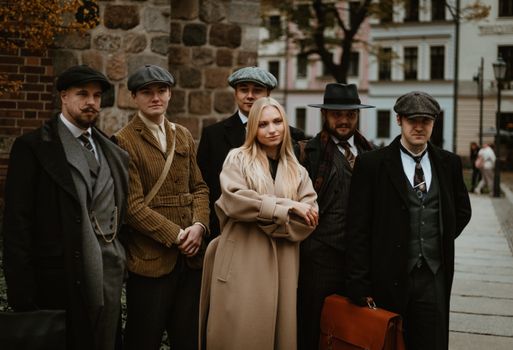
A group of adults in vintage-style clothing posing on a city street. Photo: Sabine Meier / Pexels
While the flapper defined women's fashion, menswear in 1920s UK also underwent significant, though perhaps less dramatic, changes. The era saw a move towards more casual and comfortable attire for men, reflecting the general societal shift away from rigid formality. Suits remained the cornerstone of a gentleman's wardrobe, but they became less stiff and more relaxed. The 'lounge suit' gained prominence, often featuring wider shoulders, a slightly looser fit, and often made from lighter weight wools or tweeds. Trousers were generally wide-legged, often featuring cuffs, a style known as 'Oxford Bags,' particularly popular among university students. Waistcoats remained common, but the overall silhouette was less constrained than in previous decades. For leisure activities, sportswear surged in popularity. Golf attire, tennis whites, and motoring clothes became fashionable, emphasizing comfort and practicality. Knitted jumpers and cardigans, often in bold patterns, replaced more formal jackets for casual wear. Accessories for men included fedoras, trilbies, and boater hats, often worn tilted at a jaunty angle. Ties became narrower and more colourful, and pocket squares added a touch of personal flair. The influence of American jazz culture also permeated British menswear, with some younger men adopting flashier styles, though generally, British menswear retained a more conservative edge compared to its transatlantic counterpart. Beyond specific garments, the cultural landscape of the 1920s profoundly shaped British fashion. The Art Deco movement, with its geometric patterns, clean lines, and luxurious materials, influenced everything from textile designs to jewellery and accessories. The discovery of Tutankhamun's tomb in 1922 sparked an Egyptomania craze, inspiring motifs in jewellery, embroidery, and even evening wear. The rise of cinema and Hollywood stars provided new style icons, disseminating trends rapidly across the Atlantic. Jazz music, with its energetic rhythms and associated subcultures, encouraged a freedom of movement in clothing and a more relaxed approach to dressing. Furthermore, advances in textile technology introduced new fabrics like rayon, offering more affordable and versatile options for clothing production, making fashionable styles accessible to a wider segment of the population. Even the concept of department stores and ready-to-wear clothing gained significant traction, making fashion trends more democratized. This confluence of societal shifts, evolving menswear, and powerful cultural forces ensured that fashion in 1920s UK was a vibrant tapestry of modernity and innovation, moving far beyond the simple image of the flapper and truly reflecting the dynamic spirit of the age.

Preserving the Past: Tips for Understanding and Recreating 1920s British Fashion

A group of adults in vintage-style clothing posing on a city street. Photo: Sabine Meier / Pexels
Understanding the nuances of 1920s British fashion offers a fascinating glimpse into a transformative era. For enthusiasts, historians, or those looking to recreate the style, a deep dive into historical resources is key. Original fashion plates from magazines like Vogue UK, Harper's Bazaar, and even everyday catalogues provide invaluable visual evidence of prevailing trends. Consulting archival photographs from British society events, everyday street scenes, and even family albums can reveal how these styles were adopted and adapted by the general public. **Tips for Deeper Understanding and Recreation:** * **Study Original Sources:** Look for digitised archives of British newspapers and magazines from the 1920s. Advertisements for clothing and accessories offer insights into what was mass-produced and available to the average consumer. * **Distinguish Between Day and Evening Wear:** The formality levels differed greatly. Daywear was generally simpler and more practical, while evening wear was opulent, featuring beading, fringe, and luxurious fabrics. * **Pay Attention to Undergarments:** While the corset was largely abandoned, specific undergarments like brassieres and girdles were still worn to achieve the desired streamlined silhouette. Understanding these foundations is crucial for authentic recreation. * **Consider Regional Variations:** While Paris set many trends, British fashion often interpreted them with a slightly more conservative or practical edge. Look for specific British designers or retailers of the era. * **Accessories are Key:** Hats (cloche for women, fedoras for men), gloves, long pearl necklaces, T-strap shoes, and period-appropriate handbags are essential for completing a 1920s look. * **Hair and Make-up:** The bobbed haircut was revolutionary for women. Recreating the slicked-down, close-to-the-head styles or finger waves is vital. For make-up, think dark kohl-rimmed eyes and a defined cupid's bow lip. * **Fabric Choices:** Focus on silks, chiffons, velvets, and rayon for dresses, and wools and tweeds for menswear. The feel and drape of the fabric contribute significantly to the authenticity of the garment. * **Avoid Common Mistakes:** Don't confuse Hollywood's exaggerated interpretation of the flapper with the everyday British style. While glamorous, not everyone was dripping in beads and feathers constantly. Also, remember that hemlines, while shorter, rarely went above the knee for everyday wear. The 'boyish' look was about silhouette, not necessarily dressing like a man. By meticulously researching and paying attention to these details, one can truly appreciate and authentically recreate the distinct and revolutionary fashion history of 1920s UK, moving beyond caricatures to a genuine understanding of the era's style.

Comparison

Feature1920s UK Women's Fashion1910s UK Women's Fashion1920s UK Men's Fashion
SilhouetteStraight, dropped waist, boyishHourglass, S-bend, high waistLooser, wider shoulders, relaxed
HemlineKnee-length or just belowFloor-lengthTrousers, cuffed
UndergarmentsMinimal corsetry, brassieresTight corsets, petticoatsSuspenders, vests
Hair StyleBobbed, short, finger wavesLong, piled up, elaborateShort, slicked back
Key AccessoryCloche hats, long pearlsLarge hats, elaborate pinsFedoras, colourful ties

What Readers Say

"This article beautifully captures the essence of fashion history 1920s UK. It's incredibly detailed and really brings the era to life, explaining the 'why' behind the styles."

Eleanor V. · London, UK

"As a history enthusiast, I found this deep dive into 1920s British fashion fascinating. The connection between societal change and clothing evolution is exceptionally well-explained."

James P. · Manchester, UK

"I'm planning a 1920s themed event, and this article on fashion history 1920s UK has been an invaluable resource. The tips for recreation are spot on and have helped me choose the perfect outfit details."

Sophia G. · Edinburgh, UK

"A very comprehensive overview, though I would have loved to see a bit more on regional British variations in fashion. Still, it's an excellent starting point for understanding the decade's style."

Oliver K. · Bristol, UK

"This article on fashion history 1920s UK provided such clear insights into both men's and women's attire. It's rare to find such balanced coverage, and the cultural context added so much depth."

Isabella R. · Cardiff, UK

Frequently Asked Questions

What were the main characteristics of fashion history 1920s UK?

The main characteristics included a radical shift from restrictive to liberated styles. For women, this meant dropped waistlines, shorter hemlines (often to the knee), boyish silhouettes, and bobbed hair. Menswear became more relaxed, with wider trousers and less formal suits, reflecting a general societal move towards comfort and modernity.

Was the 'flapper' style as common in the UK as in the US?

While the flapper style was incredibly influential and widespread in the UK, it often manifested with a slightly more understated elegance compared to its more flamboyant American counterpart. British fashion generally adopted the core elements – dropped waist, shorter skirts – but perhaps with less extreme ornamentation for everyday wear, though evening wear could be equally dazzling.

How did World War I impact 1920s fashion in Britain?

World War I profoundly impacted British fashion by empowering women through their participation in the workforce. This led to a demand for more practical, comfortable, and less restrictive clothing, directly contributing to the abandonment of corsets and the adoption of simpler, more mobile styles that reflected women's newfound independence and changing societal roles.

What were typical costs for clothing in 1920s UK?

Typical clothing costs varied widely based on social class and garment type. Ready-to-wear clothing became more accessible and affordable due to new manufacturing techniques and fabrics like rayon. However, bespoke tailoring and designer pieces from exclusive London ateliers remained expensive, catering to the wealthy elite. A simple day dress might be a few shillings, while an elaborate evening gown could cost several pounds.

How did Art Deco influence fashion in 1920s UK?

Art Deco, with its emphasis on geometric shapes, bold lines, and luxurious materials, heavily influenced 1920s UK fashion. Its motifs appeared in embroidery, beadwork on evening gowns, jewellery designs, and even textile patterns. The sleek, streamlined silhouette of the flapper dress itself mirrored the clean lines characteristic of Art Deco architecture and design, making it a truly modern aesthetic for the era.

Who should explore the fashion history of 1920s UK?

Anyone interested in cultural history, fashion design, social studies, or vintage styles should explore the fashion history of 1920s UK. It offers unique insights into post-war societal changes, women's liberation, and the birth of modern aesthetics, making it relevant for students, designers, historians, and vintage enthusiasts alike.

Were there any safety concerns related to 1920s fashion?

While less overtly dangerous than previous eras (e.g., flammable crinolines), some aspects of 1920s fashion could pose minor safety concerns. Extremely long beaded necklaces could get caught, and the rising hemlines, though liberating, were still a novelty. The use of certain dyes in fabrics could also sometimes cause skin irritation, though this was less of a defining safety issue for the era.

What's the legacy of 1920s UK fashion on modern trends?

The legacy of 1920s UK fashion is profound. It championed comfort, liberation, and a streamlined silhouette that continues to influence modern design. The 'little black dress' gained prominence in this era, and the emphasis on sportswear and casual attire laid groundwork for contemporary everyday wear. Its rejection of rigid formality still resonates in today's adaptable and individualistic fashion landscape.

Immerse yourself further in the captivating world of fashion history 1920s UK. This era wasn't just about clothes; it was about a revolution in identity and expression. Explore more and let the spirit of the Roaring Twenties inspire your understanding of style and society.

Topics: fashion history 1920s UK1920s British fashionflapper style UKjazz age clothing Britainroaring twenties fashion
Leo List

DK Escorts LU Escorts AT Escorts SE Escorts FI Escorts CH Escorts DE Escorts HR Escorts IE Escorts GR Escorts CZ Escorts NO Escorts BE Escorts FR Escorts SI Escorts IL Escorts NL Escorts PL Escorts HU Escorts ES Escorts IT Escorts PT Escorts SK Escorts RO Escorts ZA Escorts UY Escorts US Escorts UK Escorts NZ Escorts AU Escorts
Brampton weed
Adultwork EstrelaBet Vai de Bet R7 Bet Betão Galera Bet Rainbet Bet9ja Shop SportyBet BetKing Sisal Loto Foot Hollywoodbets YesPlay Odibets RushBet Jugabet BetWarrior BetCity MSport betPawa Fortebet