✓ London is a global fashion capital, offering unparalleled industry connections.
✓ Courses range from short workshops to full degree programmes.
✓ Practical experience and portfolio building are central to London's fashion education.
✓ Networking opportunities with industry professionals are abundant.
How It Works
1
Define Your Goals
Determine if you're seeking a short course for skill enhancement or a comprehensive degree for a career change. Your aspirations will guide your choice.
2
Research Institutions
Explore universities, colleges, and private academies known for their fashion programmes. Look at curriculum, faculty, and alumni success stories.
3
Prepare Your Portfolio
A strong portfolio showcasing your creative vision and technical skills is crucial for admissions. Start compiling your best work early.
4
Apply and Immerse
Submit your application, attend interviews if required, and once accepted, immerse yourself fully in London's vibrant fashion scene. Network relentlessly.
Navigating the Landscape of Fashion Design Education in London
Photo: Mayara Caroline Mombelli / Pexels
London stands as a beacon for aspiring fashion designers worldwide, a city where historical elegance meets avant-garde innovation. For those searching for 'fashion design courses London', the options can seem overwhelming, yet incredibly exciting. This section aims to demystify the landscape, helping you understand the diverse range of educational pathways available, from foundational short courses to prestigious undergraduate and postgraduate degrees. The city is home to some of the most renowned fashion institutions globally, each offering unique specialisations, teaching methodologies, and industry connections. Understanding these differences is crucial for making an informed decision that aligns with your career aspirations and learning style.
Firstly, consider the duration and intensity of the programme. Short courses, often lasting a few weeks to a few months, are excellent for gaining specific skills, exploring a particular design area (e.g., pattern cutting, textile design, fashion illustration), or as an introductory step before committing to a longer programme. They are also ideal for professionals looking to upskill or pivot within the industry. These courses often provide a practical, hands-on experience, allowing you to build a mini-portfolio quickly. In contrast, undergraduate degrees (BA Hons) typically span three to four years, offering a comprehensive education that covers design principles, historical context, technical skills, business acumen, and critical thinking. Postgraduate degrees (MA, MRes) are for those seeking to specialise further, conduct research, or elevate their design practice to a conceptual or entrepreneurial level.
Beyond the academic structure, delve into the curriculum's focus. Some institutions are celebrated for their experimental and conceptual design approaches, pushing boundaries and fostering artistic expression. Others might have a stronger emphasis on commercial viability, sustainability, or specific niches like menswear, knitwear, or haute couture. It's vital to research the modules offered, the projects students undertake, and the overall philosophy of the department. Does it resonate with your personal design aesthetic and career goals? Furthermore, the faculty's industry experience and connections are invaluable. Many lecturers in London's fashion schools are active practitioners, bringing current industry insights and networking opportunities directly into the classroom. Their guidance can be pivotal in shaping your professional trajectory.
Finally, the practical aspects of studying in London are significant. Consider tuition fees, living costs, and scholarship opportunities. London, while vibrant, can be an expensive city, so budgeting and financial planning are essential. Many institutions offer career services, internship placements, and graduate shows that are highly attended by industry scouts. These resources are critical for transitioning from student to professional. By meticulously evaluating these factors, you can navigate the rich tapestry of 'fashion design courses London' and find the perfect fit for your creative journey. Remember, an investment in your education here is an investment in a global career. Explore the diverse fashion specialisations available to truly refine your path.
Top Institutions for Fashion Design Courses in London
Photo: www.kaboompics.com / Pexels
London boasts an impressive roster of world-class institutions offering exceptional fashion design courses. When considering your options, several names consistently rise to the top, each with its unique strengths and specialisms. Understanding these will help you pinpoint where your talents and aspirations might best flourish within the competitive landscape of 'fashion design courses London'.
Central Saint Martins (CSM), part of the University of the Arts London (UAL), is arguably the most famous. It has a legendary reputation for producing some of the industry's most influential designers, known for its experimental and conceptual approach. CSM encourages students to challenge conventions, fostering a highly creative and often avant-garde environment. Their BA Fashion and MA Fashion programmes are highly coveted, demanding exceptional portfolios and a strong personal vision. Alumni include Alexander McQueen, John Galliano, Stella McCartney, and Riccardo Tisci, underscoring its impact on global fashion.
Another UAL constituent, London College of Fashion (LCF), offers an incredibly broad spectrum of fashion-related courses, not just design. While their BA (Hons) Fashion Design Technology programmes (covering Menswear, Womenswear, Sportswear, and more) are excellent, LCF is also strong in fashion business, marketing, journalism, styling, and photography. This breadth allows for interdisciplinary collaboration and a holistic understanding of the fashion ecosystem. LCF is known for its strong industry links and a practical, career-focused approach, preparing students for diverse roles within the industry.
Kingston University, located slightly outside central London but still within easy reach, offers highly respected fashion courses. Their BA (Hons) Fashion is known for its rigorous training in design, pattern cutting, and garment construction, often with a strong emphasis on sustainability and innovation. Kingston prides itself on fostering individual creativity within a supportive and professional environment, often achieving excellent graduate employment rates. They have a strong reputation for producing commercially astute designers with a solid technical foundation.
Ravensbourne University London provides a more industry-focused, digital-savvy approach to fashion design. Their courses integrate technology, encouraging students to explore digital design, 3D prototyping, and innovative manufacturing techniques. This makes them an excellent choice for those interested in the future of fashion, where technology plays an increasingly significant role. Their strong links with creative industries mean students often work on live briefs and gain valuable professional experience.
Finally, the Royal College of Art (RCA) offers world-leading postgraduate fashion programmes (MA Fashion) for those who have already completed an undergraduate degree and wish to specialise at an advanced level. The RCA is renowned for its research-led approach, pushing the boundaries of design thinking and material innovation. It's a highly selective institution, attracting top talent globally, and offers an unparalleled environment for creative exploration and critical inquiry. Each of these institutions contributes uniquely to London's standing as a global fashion education hub, offering distinct pathways for aspiring designers. When choosing from the array of 'fashion design courses London' provides, consider which institution's ethos and specialisms best align with your personal vision and career aspirations.
Crafting Your Portfolio: The Key to Unlocking London's Fashion Schools
Photo: Ron Lach / Pexels
A portfolio is arguably the single most critical component of your application to any of the leading 'fashion design courses London' has to offer. It's more than just a collection of your work; it's a visual narrative of your creative journey, your unique perspective, and your potential as a designer. Admissions tutors are looking for originality, technical skill, critical thinking, and a clear passion for fashion. Understanding what makes a strong portfolio can significantly boost your chances of acceptance.
Firstly, quality over quantity is paramount. Include only your strongest, most relevant pieces. A typical portfolio might include a range of work such as fashion illustrations, technical drawings, mood boards, fabric swatches, photographs of garments you've made (even if they're just prototypes), and sketchbooks. Each piece should demonstrate a different aspect of your talent and thought process. For instance, show your ability to conceptualise through mood boards, your drawing skills through illustrations, and your understanding of garment construction through photographic evidence of your sewn projects. Don't be afraid to include work from other creative disciplines like fine art, photography, or graphic design if it showcases your artistic abilities and unique vision.
Secondly, demonstrate your creative process. Admissions panels aren't just interested in the final outcome; they want to see how you think, research, and develop ideas. Include pages from your sketchbooks showing initial concepts, fabric experimentations, draping trials, and design development. Annotate your work to explain your choices, inspirations, and problem-solving approaches. This insight into your methodology is incredibly valuable. It shows that you can think critically and aren't just producing pretty pictures. Many successful portfolios tell a story, guiding the viewer through a project from initial spark to final realisation. This narrative quality is often what distinguishes a good portfolio from an exceptional one.
Thirdly, tailor your portfolio to the specific course and institution. Research the aesthetic and values of the fashion school you're applying to. While maintaining your authentic style, subtly align your portfolio's presentation and content with what they typically look for. For example, a school known for avant-garde design might appreciate more experimental and conceptual work, while one with a commercial focus might prefer evidence of market awareness. Ensure your portfolio is well-organised, clean, and easy to navigate, whether it's a physical book or a digital submission. Pay attention to presentation – high-quality photography of garments, clear scans of drawings, and a cohesive layout are essential. Seek feedback from art teachers, current fashion students, or industry professionals before submitting. A fresh pair of eyes can spot areas for improvement. A compelling portfolio is your voice in a competitive application process, so invest time and effort into making it truly shine. It's your opportunity to show them why you belong among the next generation of designers in London. Learn more about building a compelling design aesthetic to enhance your portfolio.
Maximising Your Experience: Tips for Success in London's Fashion Scene
Photo: MART PRODUCTION / Pexels
Enrolling in 'fashion design courses London' is just the first step; truly leveraging the city's vibrant fashion ecosystem requires proactive engagement and strategic thinking. Here are crucial tips to maximise your experience and pave the way for a successful career:
* **Network Relentlessly:** London is a hub of fashion talent and opportunity. Attend industry events, fashion shows (even student ones), exhibitions, and talks. Connect with fellow students, lecturers, alumni, and guest speakers. LinkedIn is an invaluable tool for professional networking. You never know where your next mentor, collaborator, or job opportunity will come from. Building genuine relationships is key.
* **Seek Internships and Work Experience:** Practical experience is often as valuable as academic learning. Many fashion courses incorporate internships, but actively seek out additional opportunities during breaks. Even unpaid internships can provide invaluable insights, hands-on skills, and crucial industry contacts. Look for roles in design studios, PR agencies, fashion magazines, or retail. These experiences not only bolster your CV but also help you discover your niche.
* **Embrace London's Cultural Tapestry:** The city itself is a constant source of inspiration. Visit museums like the Victoria and Albert Museum for historical fashion context, explore diverse neighbourhoods for street style inspiration, and immerse yourself in art galleries and theatre. London's multiculturalism offers a rich palette of influences that can inform and enrich your design work.
* **Develop Digital Skills:** The fashion industry is increasingly digital. Proficiency in software like Adobe Photoshop, Illustrator, InDesign, and 3D design tools (e.g., CLO3D, Marvelous Designer) is becoming indispensable. Many courses integrate these, but self-directed learning can give you a significant edge. Digital portfolios are also standard.
* **Build a Strong Online Presence:** Create a professional website or online portfolio to showcase your work. Utilise platforms like Instagram and Pinterest strategically to curate your aesthetic and connect with the fashion community. A professional online identity is crucial for standing out in a crowded market.
* **Cultivate a Unique Voice:** While learning foundational skills is important, the most successful designers have a distinct point of view. Experiment, take risks, and don't be afraid to challenge norms. Your education in London should empower you to find and refine your unique creative signature.
* **Stay Informed:** Follow industry news, trends, and innovations. Read fashion magazines, blogs, and trend forecasts. Understanding the current landscape and anticipating future directions will make you a more relevant and forward-thinking designer.
By actively engaging with these strategies, your time studying 'fashion design courses London' will not only be academically enriching but also a powerful launchpad for your professional journey.
**List of Essential Digital Skills:**
* Adobe Creative Suite (Photoshop, Illustrator, InDesign)
* 3D Fashion Design Software (e.g., CLO3D, Marvelous Designer)
* Microsoft Office (Word, Excel, PowerPoint)
* Portfolio Website Platforms (e.g., Squarespace, Adobe Portfolio)
* Social Media Management (Instagram, LinkedIn)
* CAD for pattern cutting (optional but beneficial)
* Video editing for fashion films (optional but beneficial)
Comparison
Feature
Central Saint Martins (UAL)
London College of Fashion (UAL)
Kingston University
Ravensbourne University
Design Approach
Experimental, Avant-garde
Broad, Practical, Industry-focused
Rigorous, Sustainable, Creative
Tech-integrated, Industry-led
Alumni Network
Global, Iconic Designers
Diverse, Across All Fashion Sectors
Strong, Commercially Successful
Innovative, Digital Pioneers
Specialisations
Fashion Design (Womenswear, Menswear, Knitwear)
Design, Business, Media, Science
Fashion, Textiles, Illustration
Fashion Design, Digital Tech
Industry Links
High-profile collaborations
Extensive, diverse partnerships
Good, particularly for graduate roles
Strong with digital creative industries
Portfolio Emphasis
Conceptual, Originality
Creative & Technical Skill
Strong technical & creative
Digital & innovative solutions
Location
Central London (King's Cross)
Multiple London sites
Kingston upon Thames (SW London)
North Greenwich (SE London)
What Readers Say
★★★★★
"My experience with the BA Fashion course at Central Saint Martins was transformative. The tutors pushed me to think beyond conventional boundaries, and the exposure to industry leaders was unparalleled. I truly believe it's one of the best fashion design courses London offers for conceptual development."
Anya Sharma · London, UK
★★★★★
"I completed a short course in Pattern Cutting at London College of Fashion, and it was incredibly practical. The skills I learned were immediately applicable to my small independent brand. It was the perfect way to upskill without committing to a full degree, highly recommend for anyone looking for focused fashion design courses London."
Ben Carter · Manchester, UK
★★★★★
"After graduating from Kingston University's Fashion Design program, I secured a junior designer role at a prominent London brand. The course's emphasis on technical skills and sustainable practices made me highly employable. The support for graduate employment was outstanding."
Chloe Davies · Cardiff, UK
★★★★★
"Ravensbourne's focus on digital fashion truly prepared me for the future of the industry. While the conceptual side could sometimes feel less emphasised than at other institutions, the technical expertise I gained in 3D design was invaluable. A solid choice for tech-forward fashion design courses London."
David Lee · Singapore
★★★★★
"The MA Fashion course at the Royal College of Art was an intense but incredibly rewarding experience. It allowed me to refine my design philosophy and conduct in-depth research. The networking opportunities with leading academics and designers were exceptional, truly elevating my understanding of high fashion."
Eleanor Vance · Edinburgh, UK
Frequently Asked Questions
What are the entry requirements for fashion design courses in London?
Entry requirements vary significantly by institution and course level. Generally, undergraduate degrees require A-levels or equivalent qualifications, often with a strong art or design background, and a standout portfolio. Postgraduate courses require a relevant undergraduate degree and an advanced portfolio. English language proficiency (e.g., IELTS) is also essential for international students.
Is it worth studying fashion design in London given the high costs?
While London is an expensive city, the value of studying fashion design here is often considered immense due to unparalleled industry connections, world-renowned faculty, and the vibrant cultural scene. The opportunities for internships, networking, and launching a career in a global fashion capital can outweigh the costs for many aspiring designers, making it a worthwhile investment for serious candidates.
How do I choose the best fashion school for me in London?
To choose the best school, first define your career goals and preferred design aesthetic. Research each institution's curriculum, faculty specialisations, alumni success stories, and industry links. Visit open days if possible, and pay close attention to the portfolio requirements, as they often reflect the school's ethos. Consider both academic reputation and practical support for career development.
What career opportunities are available after completing fashion design courses in London?
Graduates of fashion design courses in London can pursue diverse careers including fashion designer (womenswear, menswear, accessories), pattern cutter, textile designer, fashion illustrator, stylist, trend forecaster, costume designer, merchandiser, or fashion buyer. Many also go on to launch their own labels or work in fashion journalism or PR. The city's industry connections are a huge asset.
How do short fashion courses in London compare to full degrees?
Short courses are ideal for gaining specific skills, exploring a niche, or as an introduction to fashion, typically lasting weeks or months. They focus on practical, hands-on learning. Full degrees (BA, MA) offer a comprehensive, in-depth education, covering theoretical, historical, and practical aspects over several years, preparing you for a broader range of roles and often requiring a more substantial portfolio and academic commitment.
Who should consider fashion design courses in London?
Anyone with a strong passion for fashion, a creative flair, an eye for detail, and a desire to work in a dynamic and competitive industry should consider these courses. It's particularly suited for individuals who thrive in a fast-paced, culturally rich environment and are eager to immerse themselves in one of the world's leading fashion capitals.
Are there scholarships or funding options available for international students?
Yes, many London institutions offer scholarships, bursaries, and grants specifically for international students, often based on merit or financial need. It's crucial to check each university's website for specific opportunities and application deadlines. External organisations and government schemes may also provide funding. Early research and application are highly recommended.
What are the emerging trends in fashion education in London?
Emerging trends in London's fashion education include a strong focus on sustainability and ethical practices, integration of digital technologies like 3D design and virtual prototyping, and an increased emphasis on interdisciplinary collaboration. Personal branding and entrepreneurial skills are also becoming more central to curricula, preparing students for the evolving demands of the global fashion industry.
Embark on your creative journey and discover the unparalleled opportunities that await you in London's vibrant fashion scene. Explore the premier fashion design courses London has to offer today and transform your passion into a thriving career in the heart of global style.

 Photo: Mayara Caroline Mombelli / Pexels
 Photo: www.kaboompics.com / Pexels
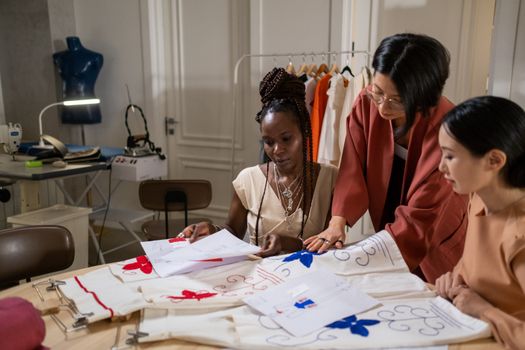 Photo: Ron Lach / Pexels
 Photo: MART PRODUCTION / Pexels