✓ The fashion industry is responsible for 8-10% of global carbon emissions, more than international flights and maritime shipping combined.
✓ Over 300,000 tonnes of clothing are sent to landfill or incinerated in the UK each year.
✓ Ethical fashion considers fair wages, safe working conditions, environmental impact, and animal welfare throughout the supply chain.
✓ The UK has seen a significant rise in online ethical fashion retailers, making sustainable choices more accessible than ever.
How It Works
1
Define Your Values
Identify what matters most to you: fair trade, organic materials, vegan, zero waste, or local production. This helps narrow down your search.
2
Research UK Brands Online
Utilise online directories, ethical certifications, and dedicated ethical fashion platforms. Look for transparency in their practices and supply chains.
3
Read Reviews & Certifications
Check for customer reviews and official certifications like GOTS, Fair Trade, or B Corp. These validate a brand's claims and commitment.
4
Make Conscious Purchases
Invest in high-quality, durable pieces that align with your style and values. Prioritise longevity over fast fashion trends to reduce waste.
The Urgent Need for Ethical Fashion in the UK
Photo: Pavel Danilyuk / Pexels
The fashion industry, globally and within the UK, operates at a breakneck pace, largely driven by the 'fast fashion' model. This model, characterised by rapid production cycles, low prices, and disposable garments, has devastating consequences for both people and the planet. From exploitative labour practices in garment factories to massive environmental pollution from textile dyeing and waste, the true cost of cheap clothing is staggering. In the UK alone, consumers are among the highest purchasers of new clothing in Europe, leading to an alarming amount of textile waste. Over 300,000 tonnes of clothing are sent to landfill or incinerated in the UK each year, contributing significantly to greenhouse gas emissions and resource depletion. This isn't just about what happens at the end of a garment's life; it's about the entire lifecycle, from the chemical-intensive cultivation of cotton to the energy-intensive manufacturing processes and the vast distances clothes travel before reaching our wardrobes.
Ethical fashion, therefore, is not merely a trend but a critical movement towards a more sustainable and equitable future. It challenges the conventional practices of the industry by advocating for fair wages, safe working conditions, environmental stewardship, and animal welfare. For UK consumers, embracing ethical fashion online means having access to brands that are transparent about their supply chains, committed to using sustainable materials, and often, producing locally to reduce carbon footprints. The convenience of online shopping amplifies this accessibility, allowing individuals to discover and support brands that align with their values without leaving their homes. This shift is vital for mitigating the environmental damage caused by traditional fashion and for ensuring that the people who make our clothes are treated with dignity and respect. The growing awareness among UK consumers about these issues is driving demand for more responsible choices, making ethical fashion UK online a burgeoning and essential sector. It’s about more than just buying clothes; it’s about making a statement with every purchase, choosing to support a system that values people and planet over pure profit. By understanding the profound impact of our clothing choices, we can collectively steer the industry towards a more responsible and sustainable path. This movement towards conscious consumption is not just about individual responsibility, but also about demanding accountability from brands and fostering a systemic change within the entire fashion ecosystem. Learn more about sustainable fashion practices.
Navigating the Landscape of Ethical Fashion UK Online
Photo: EqualStock IN / Pexels
The transition to an ethical wardrobe might seem daunting at first, given the vast array of claims and certifications. However, the UK online market has made significant strides in simplifying this journey for conscious consumers. When you delve into ethical fashion UK online, you'll encounter a spectrum of values and priorities that brands uphold. Some focus intensely on fair trade principles, ensuring that workers in their supply chain receive living wages and work in safe environments, often partnering with certified organisations like Fair Trade International. Others prioritise environmental sustainability, opting for organic cotton, recycled polyester, or innovative materials like Tencel and Piñatex, which have a lower ecological footprint. These brands often highlight their efforts to minimise water usage, reduce chemical pollution, and adopt circular economy principles, such as offering repair services or take-back schemes for old garments.
A key aspect of navigating this landscape is understanding certifications. While not all ethical brands can afford or choose to pursue every certification, those that do provide a strong signal of their commitment. Look for labels like GOTS (Global Organic Textile Standard) for organic fibres, B Corp certification for overall social and environmental performance, or Vegan Society certification for animal-free products. Online retailers dedicated to ethical fashion often curate their selections, making it easier to filter by these criteria. They also provide detailed product descriptions that explain the sourcing, manufacturing process, and ethical credentials of each item. This transparency is crucial; ethical brands are typically open about their supply chains, providing stories about their artisans or factories, and sometimes even offering interactive maps to trace a garment's journey.
Beyond certifications, consider the 'story' of the brand. Many ethical UK online retailers are small, independent businesses founded on strong personal values. They often engage in small-batch production, reducing waste and ensuring higher quality. Supporting these businesses not only contributes to a more ethical fashion industry but also fosters local economies and unique design. The rise of online platforms specifically dedicated to aggregating ethical fashion brands has further streamlined the discovery process. These platforms act as trusted guides, vetting brands against stringent ethical criteria and presenting them in an accessible format. This means consumers don't have to spend hours researching individual brands; they can trust the curation of these specialised online shops. By exploring these resources, you can confidently build a wardrobe that reflects your values without compromising on style or convenience, making ethical fashion UK online a truly empowering choice for responsible shoppers.
Building a Sustainable Wardrobe with UK Online Retailers
Photo: cottonbro studio / Pexels
Building a sustainable wardrobe through ethical fashion UK online is not just about replacing fast fashion with ethical alternatives; it's about a fundamental shift in how we consume and value our clothes. It encourages a more thoughtful, intentional approach to personal style, moving away from impulse purchases and towards investment pieces that will last. One of the most effective strategies is to embrace the 'buy less, choose well, make it last' philosophy. This means prioritising quality over quantity, opting for timeless designs that transcend fleeting trends, and caring for your garments properly to extend their lifespan. Many ethical UK online brands excel in producing high-quality, durable clothing designed to withstand years of wear, often offering repair guides or services to further promote longevity. This directly combats the disposable nature of fast fashion, reducing the demand for new production and the amount of textile waste.
When shopping for ethical fashion UK online, consider the versatility of each piece. Can it be dressed up or down? Does it integrate well with your existing wardrobe? Building a capsule wardrobe, consisting of a limited number of interchangeable items, is an excellent way to maximise your outfits while minimising your environmental impact. Many UK ethical brands offer foundational pieces – think organic cotton basics, responsibly sourced knitwear, or durable denim – that form the core of such a wardrobe. Furthermore, the rise of rental and second-hand platforms, both integrated within ethical fashion sites and as standalone services, offers another layer of sustainability. Renting occasion wear or buying pre-loved items significantly reduces the demand for new production and keeps clothes in circulation for longer, embodying circular economy principles.
Beyond the initial purchase, understanding the care instructions for your ethical garments is paramount. Washing clothes less frequently, using cold water, and air-drying can significantly reduce the energy consumption and microplastic shedding associated with laundry. Many ethical brands provide specific care advice tailored to their sustainable materials. Supporting ethical fashion UK online also means exploring brands that are innovating in sustainable materials and production methods. This could include brands using closed-loop systems to recycle water and chemicals, those employing natural dyes, or businesses that are carbon neutral or even carbon positive. By actively seeking out and supporting these pioneers, consumers can drive further innovation and demonstrate to the wider industry that there is a strong market for genuinely sustainable practices. The beauty of the UK's online ethical fashion scene is its diversity, offering everything from everyday essentials to unique artisanal pieces, all underpinned by a commitment to positive impact. This makes it easier than ever to curate a wardrobe that not only looks good but also does good, reflecting your values and contributing to a more sustainable future for fashion. Discover innovative sustainable materials in fashion.
Common Pitfalls and How to Avoid Them in Ethical Online Shopping
Photo: www.kaboompics.com / Pexels
While the world of ethical fashion UK online offers immense opportunities for conscious consumption, it's not without its potential pitfalls. Being an informed consumer is crucial to genuinely support ethical practices and avoid 'greenwashing' – where brands misleadingly market themselves as eco-friendly without substantial evidence.
**1. Greenwashing Claims:** Many brands use vague terms like 'eco-friendly' or 'sustainable' without providing concrete details. **How to avoid:** Look for specific certifications (GOTS, Fair Trade, B Corp), transparent supply chain information, and detailed explanations of their practices. If a brand only talks about one small 'green' aspect while ignoring the rest of its operations, be wary.
**2. Lack of Transparency:** A truly ethical brand will be open about its factories, labour practices, and material sourcing. **How to avoid:** If a brand is cagey about where its clothes are made or who makes them, it's a red flag. Seek out brands that share stories, provide factory audits, or have clear policies on worker welfare.
**3. Over-consumption of 'Ethical' Items:** The goal of ethical fashion is not to buy more, even if the items are sustainable. **How to avoid:** Adopt a minimalist mindset. Before buying, ask yourself if you truly need the item, if it will last, and if it aligns with your existing wardrobe. Focus on quality over quantity.
**4. Ignoring Shipping & Packaging:** An ethical product shipped from across the globe in excessive plastic packaging can negate some of its positive impact. **How to avoid:** Look for brands that offer carbon-neutral shipping, use minimal and recyclable/compostable packaging, or are based closer to home (UK brands are a great start!).
**5. Focusing Only on Materials:** While organic cotton is great, it's not the only factor. A garment made from organic cotton but produced in a sweatshop is not truly ethical. **How to avoid:** Consider the holistic picture: materials, labour, water usage, waste management, and animal welfare (if applicable). Prioritise brands with a comprehensive approach to sustainability.
By being vigilant and asking critical questions, you can navigate the ethical fashion UK online landscape effectively and ensure your purchases truly contribute to a better, more sustainable world.
Comparison
Feature
Ethical UK Online Boutique
High Street Fast Fashion
Luxury Designer (Non-Ethical)
Supply Chain Transparency
High (detailed info, certifications)
Low (often opaque)
Moderate (some details, less on labour)
Labour Practices
Fair wages, safe conditions
Often exploitative, low wages
Varies, not always a focus
Environmental Impact
Low (sustainable materials, reduced waste)
High (pollution, waste, resources)
Moderate to High (material-dependent)
Material Sourcing
Organic, recycled, innovative, vegan
Synthetic, conventional cotton
High-quality, but not always sustainable
Price Point
Medium to High (reflects true cost)
Low (subsidised by exploitation)
Very High (brand, craftsmanship)
Longevity & Quality
High (designed to last)
Low (disposable)
High (craftsmanship)
Social Impact
Positive (community support, fair trade)
Negative (exploitation)
Limited, often none
Packaging
Eco-friendly, minimal
Often plastic-heavy
Luxury packaging, sometimes excessive
What Readers Say
★★★★★
"Finding truly ethical fashion UK online used to be a struggle, but this guide helped me discover amazing local brands. I've now replaced most of my basics with their organic cotton tees, and the quality is fantastic. My wardrobe feels more aligned with my values."
Eleanor V. · Bristol, UK
★★★★★
"I was skeptical about finding stylish ethical menswear, but the online options in the UK are surprisingly diverse. I've bought some incredible sustainable denim and a beautiful recycled wool jumper. The investment is worth it for the peace of mind and quality."
James K. · Edinburgh, UK
★★★★★
"Thanks to this resource, I completely overhauled my shopping habits for ethical fashion UK online. I'm now much more conscious of certifications and material sourcing. My clothing budget goes further because I'm buying fewer, higher-quality pieces that last."
Chloe P. · Manchester, UK
★★★★★
"The range of ethical fashion UK online is growing, which is great. Sometimes the price points can be a bit higher than I'd like, but knowing the positive impact behind each purchase makes it worthwhile. I appreciate the transparency from these brands."
David L. · London, UK
★★★★★
"As a busy mum, convenience is key, and ethical fashion UK online delivers. I can shop responsibly from home, knowing the brands I'm supporting are doing good. It's transformed how I think about clothes for my whole family."
Sarah M. · Cardiff, UK
Frequently Asked Questions
What exactly does 'ethical fashion' mean in the UK context?
In the UK context, ethical fashion refers to clothing produced with respect for both people and the planet. This includes ensuring fair wages, safe working conditions, and no child labour throughout the supply chain. Environmentally, it means using sustainable materials (like organic, recycled, or upcycled fabrics), minimising water and energy consumption, reducing pollution, and promoting circularity to reduce waste. Many UK brands also focus on local production to lower carbon footprints and support local economies, often going beyond basic legal requirements to achieve higher ethical standards.
Is ethical fashion more expensive, and is it worth the investment?
Ethical fashion often has a higher upfront cost than fast fashion due to fair wages, sustainable materials, and responsible production methods. However, it's generally considered a worthwhile investment. Ethical garments are typically made with higher quality materials and construction, meaning they last longer, reducing the need for frequent replacements. This 'cost per wear' often makes ethical clothing more economical in the long run, while also providing the benefit of supporting a positive impact on people and the environment. It's a shift from quantity to quality.
How can I verify if an online UK brand is truly ethical and not greenwashing?
To verify a UK online brand's ethical claims, look for transparency and credible certifications. Check their 'About Us' or 'Sustainability' pages for detailed information on their supply chain, factory locations, and labour practices. Look for certifications like GOTS (Global Organic Textile Standard), Fair Trade, B Corp, OEKO-TEX, or Vegan Society. Read customer reviews and independent ethical ratings from organisations like Good On You. Be wary of vague claims without supporting evidence; truly ethical brands are usually eager to share their positive impact.
What sustainable materials should I look for when shopping ethical fashion UK online?
When shopping for ethical fashion UK online, prioritise materials that have a lower environmental impact. Look for organic cotton (GOTS certified), recycled materials (recycled polyester, recycled cotton), linen, hemp, Tencel/Lyocell (made from wood pulp in a closed-loop system), and innovative vegan leathers like Piñatex (pineapple leaf fibre). Avoid conventional cotton (which is water and pesticide intensive) and new synthetic materials where possible, unless they are part of a closed-loop recycling system.
How does ethical fashion in the UK compare to buying second-hand or vintage?
Both ethical fashion and buying second-hand/vintage are excellent sustainable choices, and they often complement each other. Buying second-hand/vintage is arguably the most sustainable option as it extends the life of existing garments, preventing them from going to landfill and requiring no new resources. Ethical fashion, on the other hand, focuses on ensuring that when new items are produced, they are done so responsibly. You can combine both by buying second-hand for some items and choosing ethical new pieces for those items you can't find pre-loved or want to invest in for their specific sustainable credentials and quality.
Who should consider buying ethical fashion UK online?
Anyone concerned about the environmental and social impact of their clothing choices should consider buying ethical fashion UK online. This includes individuals who want to support fair labour practices, reduce their carbon footprint, minimise textile waste, and invest in high-quality, durable clothing. It's particularly appealing to those who seek transparency from brands and want their purchases to align with their personal values, without sacrificing style or convenience.
Are there any risks associated with buying ethical fashion online?
The primary risks associated with buying ethical fashion online are similar to any online shopping: ensuring accurate sizing, understanding return policies, and avoiding greenwashing. To mitigate these, always check size guides, read customer reviews for fit advice, and familiarise yourself with the brand's returns process. For greenwashing, as mentioned, look for transparency and certifications. Reputable ethical online retailers often provide detailed product information and excellent customer service to help you make informed choices.
What are the future trends for ethical fashion UK online?
Future trends for ethical fashion UK online include greater emphasis on circularity (repair, rental, resale, and recycling programmes), increased use of innovative bio-materials and regenerative agriculture textiles, and enhanced supply chain transparency through blockchain technology. We'll likely see more hyper-local production, customisation, and made-to-order models to reduce waste, alongside continued growth in online platforms that curate and educate consumers on truly sustainable choices, making ethical shopping even more accessible and mainstream.
Ready to transform your wardrobe and make a positive impact? Dive into the world of ethical fashion UK online today. Explore sustainable brands, discover high-quality garments, and join a growing community of conscious consumers who believe that style and sustainability can go hand-in-hand. Start your ethical fashion journey now and wear your values with pride.
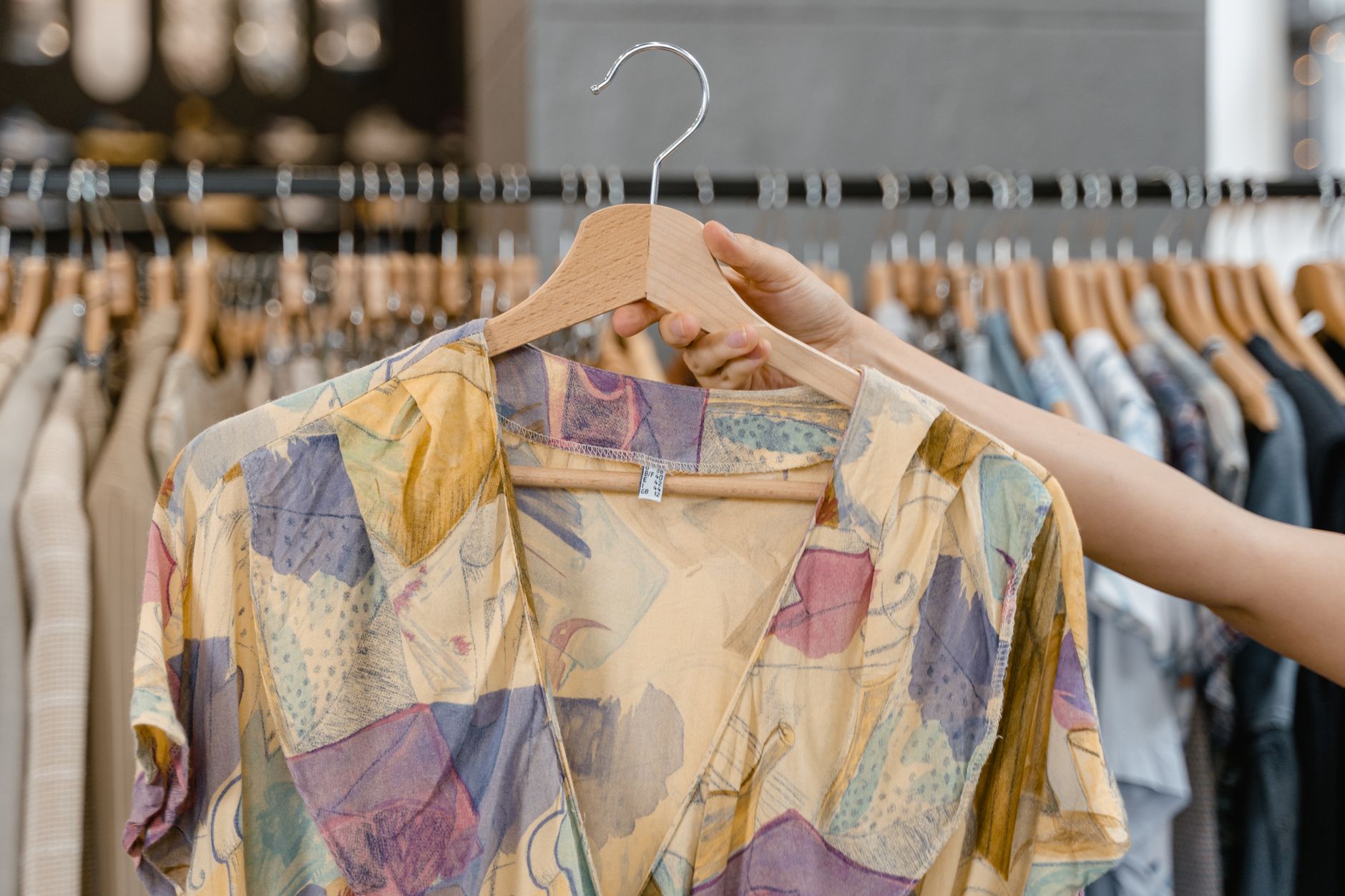
 Photo: Pavel Danilyuk / Pexels
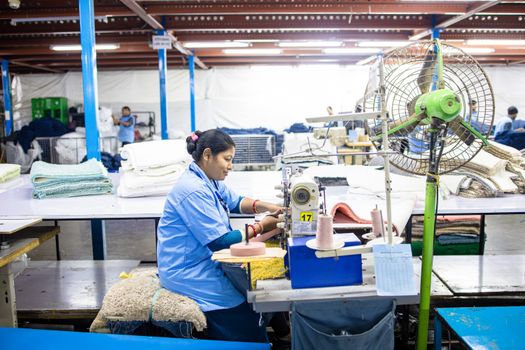 Photo: EqualStock IN / Pexels
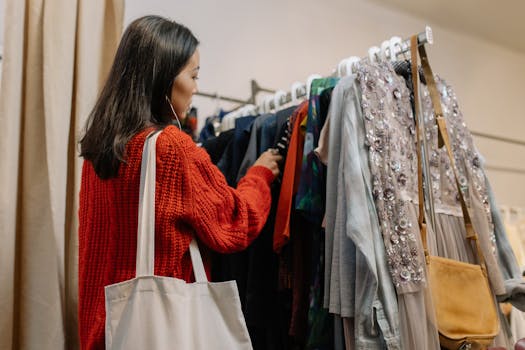 Photo: cottonbro studio / Pexels
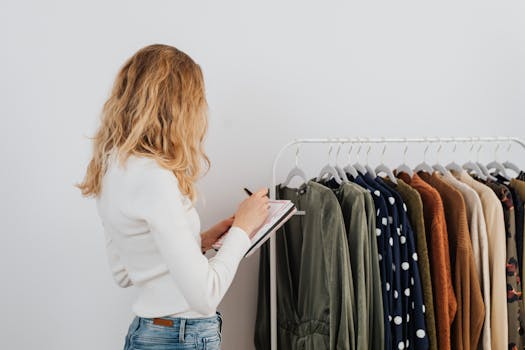 Photo: www.kaboompics.com / Pexels