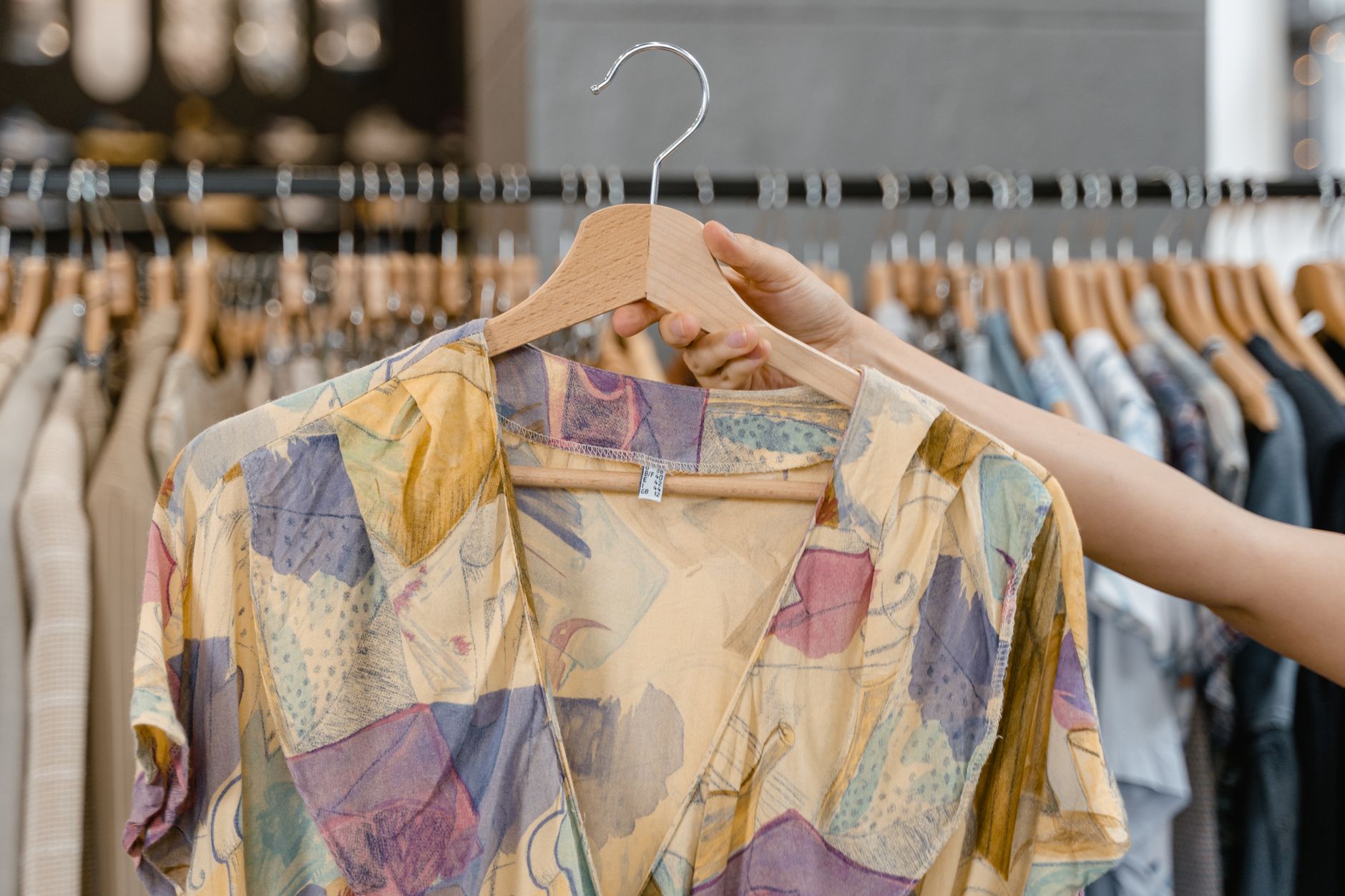
Discover Top Ethical Fashion UK Brands for a Conscious Wardrobe
ethical fashion UK brands

Discover Top Ethical Fashion UK Brands for a Conscious Wardrobe

Transform your style with integrity, supporting British brands dedicated to people and planet.

Find Your Brand

Key Takeaways

  • ✓ The UK ethical fashion market is growing, driven by consumer demand for transparency and sustainability.
  • ✓ Ethical brands prioritise fair wages, safe working conditions, and reduced environmental impact.
  • ✓ Certifications like GOTS, Fair Trade, and B Corp help identify truly ethical fashion brands.
  • ✓ Investing in ethical fashion often means higher quality, longer-lasting garments, reducing fast fashion waste.

How It Works

1
Understand Your Values

Before diving in, identify what matters most to you: environmental impact, worker rights, animal welfare, or circularity. This guides your brand selection.

2
Research & Discover Brands

Utilise resources like this guide to explore ethical fashion UK brands. Look for transparent reporting on their supply chains and production processes.

3
Check for Certifications

Verify claims with recognised certifications (e.g., GOTS for organic textiles, Fair Trade for worker welfare). These offer independent assurance of ethical practices.

4
Make Informed Purchases

Choose brands whose values align with yours and invest in high-quality, versatile pieces. Remember, ethical fashion is a journey, not a destination.

The Rise of Ethical Fashion UK Brands: A Paradigm Shift
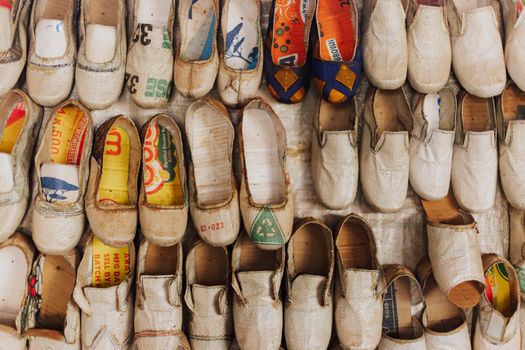
Handmade slip-on shoes crafted from recycled materials, showcasing sustainable fashion in Uganda. Photo: K / Pexels
The global fashion industry is a behemoth, valued in the trillions, but its environmental and social costs are staggering. From water pollution caused by textile dyeing to exploitative labour practices in garment factories, the dark side of fast fashion has long been hidden from consumers. However, a significant shift is underway, particularly within the UK, where a growing number of sustainable clothing UK brands are pioneering a new, more responsible approach. These ethical fashion UK brands are not just selling clothes; they are selling a promise: a promise of transparency, fairness, and environmental stewardship. They challenge the traditional linear model of production (take-make-dispose) by embracing circularity, using innovative, eco-friendly materials, and ensuring that every person involved in their supply chain receives fair wages and works in safe conditions. This paradigm shift is driven by increasing consumer awareness and demand for accountability. Shoppers are no longer content with merely stylish garments; they want to know the story behind their clothes. They are asking crucial questions: Who made this? Under what conditions? What impact did its production have on the planet? In response, British brands are stepping up, demonstrating that profitability and ethical practices are not mutually exclusive. They are proving that high-quality, desirable fashion can be produced without compromising human rights or ecological integrity. This movement is revitalising the UK's textile heritage while simultaneously pushing the boundaries of innovation in sustainable materials and manufacturing processes. It’s an exciting time to be a conscious consumer in the UK, with an ever-expanding array of choices that align with deeply held values. The impact of these brands extends beyond their immediate operations; they are setting new benchmarks for the industry, inspiring larger players to re-evaluate their practices and consider their own ethical footprint. This collective effort is crucial in addressing the monumental challenges posed by traditional fashion production and moving towards a truly sustainable future. The commitment to ethical sourcing, transparent supply chains, and community engagement defines this new wave of British fashion. It's about building a better world, one garment at a time. The growth of this sector signifies a profound change in how we perceive and consume fashion, moving from disposable trends to timeless, responsible investments.

Key Pillars of Ethical Production: What Defines a Truly Ethical UK Brand?
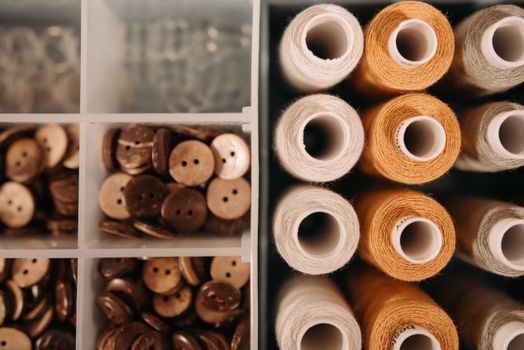
Close-up of spools of thread and wooden buttons in a container, arranged neatly. Photo: Pavel Danilyuk / Pexels
Identifying a genuinely ethical fashion brand requires understanding the core principles that underpin their operations. It's more than just a marketing buzzword; it's a holistic commitment to responsible practices across the entire value chain. The first pillar is environmental sustainability. This encompasses everything from the sourcing of raw materials to the manufacturing process and the end-of-life cycle of a garment. Ethical UK brands prioritise materials like organic cotton, recycled polyester, Tencel, linen, and hemp, which have a lower environmental footprint. They often employ water-saving dyeing techniques, minimise chemical use, and actively work to reduce waste, aiming for zero-waste production where possible. Packaging is also a critical consideration, with a strong preference for recycled, recyclable, or compostable options. Furthermore, many brands focus on reducing their carbon footprint through local production, renewable energy, and efficient logistics. The second crucial pillar is social responsibility, which primarily concerns worker welfare. This means ensuring fair wages that meet or exceed living wage standards, providing safe and healthy working conditions, respecting workers' rights to organise, and prohibiting child labour or forced labour. Transparency in the supply chain is paramount here, allowing consumers to trace a garment's journey from fibre to finished product. Ethical brands often build long-term relationships with their suppliers, fostering trust and enabling continuous improvement in labour practices. They also frequently invest in the communities where their garments are made, supporting local development projects and empowering artisans. Animal welfare forms another significant pillar, particularly for brands that incorporate animal products like wool or leather. Ethical brands ensure that any animal-derived materials are sourced from farms that adhere to high animal welfare standards, often certified by organisations like the Responsible Wool Standard (RWS) or Leather Working Group (LWG). Many ethical brands choose to be entirely vegan, opting for innovative plant-based alternatives to traditional animal products. Finally, the concept of circularity is increasingly central to ethical fashion. This involves designing products for durability, repairability, and recyclability, encouraging consumers to extend the life of their garments, and even offering take-back schemes for end-of-life products. These multi-faceted commitments are what truly distinguish ethical fashion UK brands from conventional ones, making them a force for positive change in the industry.

Spotlight on Leading Ethical Fashion UK Brands: Your Go-To Guide
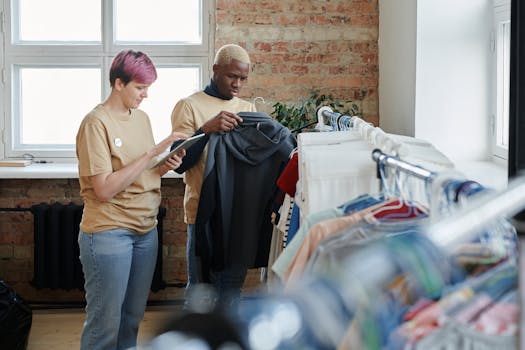
Two volunteers sort donated clothes in a second-hand shop. Photo: Julia M Cameron / Pexels
The UK is home to an inspiring array of ethical fashion brands, each with its unique approach to sustainability and style. Here, we highlight some of the trailblazers that are making a significant impact. Take, for example, People Tree, often considered a pioneer in fair trade fashion. For decades, People Tree has been committed to ensuring fair wages, safe conditions, and environmental protection throughout its supply chain, particularly for artisans in developing countries. They use organic cotton and handcrafting techniques, creating timeless pieces with a strong social conscience. Another prominent name is Finisterre, a B Corp certified brand rooted in Cornish surf culture. They are dedicated to producing functional and sustainable outdoor wear, focusing on recycled materials, durable designs, and responsible manufacturing. Finisterre's commitment to the environment extends to their innovative material choices and their advocacy for ocean protection. For those seeking modern, minimalist aesthetics, thought clothing offers a range of beautifully crafted garments made from sustainable fabrics like bamboo, hemp, and organic cotton. Their designs are timeless, encouraging longevity and reducing the need for frequent replacements. Thought places a strong emphasis on responsible sourcing and ethical manufacturing, ensuring comfort and conscience go hand-in-hand. Rixo, while perhaps better known for its vibrant prints and vintage-inspired silhouettes, has also made significant strides in sustainability, incorporating recycled materials and exploring more ethical production methods, demonstrating that high-fashion aesthetics can coexist with responsible practices. Their commitment continues to evolve, pushing the boundaries of what is possible in contemporary fashion. These brands, among many others, exemplify the diverse and dynamic landscape of ethical fashion in the UK. They demonstrate that choosing ethical doesn't mean compromising on style or quality. Instead, it offers an opportunity to invest in pieces that not only look good but also do good. When you support these eco-friendly fashion Britain brands, you're not just buying a garment; you're investing in a movement that champions human dignity, environmental preservation, and a more equitable future for the fashion industry. Their stories of dedication and innovation serve as a beacon, guiding consumers towards more mindful purchasing decisions and inspiring other businesses to follow suit.

Navigating the Ethical Fashion Landscape: Tips for Conscious Consumers
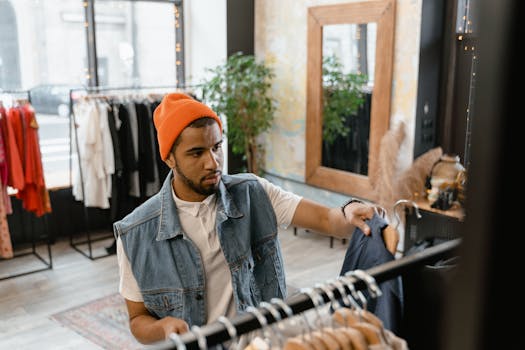
A young man wearing a denim vest and orange beanie shops in a trendy boutique store. Photo: MART PRODUCTION / Pexels
Making the switch to ethical fashion can feel overwhelming, but with a few guiding principles, you can navigate the landscape with confidence. Here are some tips for becoming a more conscious consumer: * **Do Your Research:** Don't just take a brand's word for it. Look for evidence of their claims. Check their 'About Us' or 'Sustainability' pages for detailed information on their supply chain, certifications, and environmental impact reports. Reputable ethical fashion UK brands are transparent. * **Prioritise Quality Over Quantity:** Ethical fashion often comes with a higher price tag, reflecting the true cost of production (fair wages, sustainable materials). View these purchases as investments. A well-made, durable garment will last longer, ultimately saving you money and reducing waste in the long run. * **Embrace Second-Hand and Vintage:** The most sustainable garment is often one that already exists. Explore charity shops, vintage stores, online resale platforms, and clothing swaps. This extends the life of clothing and reduces demand for new production. * **Understand Certifications:** Familiarise yourself with key certifications like GOTS (Global Organic Textile Standard), Fair Trade Certified, B Corp, and OEKO-TEX. These third-party verifications provide assurance that a brand meets specific ethical and environmental standards. * **Learn to Repair and Care for Your Clothes:** Extend the life of your garments by learning basic mending skills. Follow care labels to ensure proper washing and drying, which can significantly impact a garment's longevity and reduce its environmental footprint. * **Question Your Needs:** Before buying something new, ask yourself if you truly need it. Consider borrowing, renting, or restyling existing items in your wardrobe. Mindful consumption is a cornerstone of ethical fashion. * **Support Local Artisans and Small Businesses:** Many independent designers and makers in the UK produce high-quality, ethically made items. Supporting them often means supporting local economies and unique craftsmanship. By adopting these practices, you not only build a more sustainable wardrobe but also contribute to a larger movement that advocates for a fairer, cleaner, and more responsible fashion industry.

Comparison

FeaturePeople TreeFinisterreThought Clothing
Primary FocusFair Trade, Organic CottonSustainable Outdoor WearNatural Fabrics, Timeless Design
Key MaterialsOrganic Cotton, TencelRecycled Polyester, Organic Cotton, MerinoBamboo, Hemp, Organic Cotton
CertificationsFair Trade, GOTSB Corp, GOTSGOTS, OEKO-TEX
Price PointMid-RangeMid-HighMid-Range
Product RangeWomen's Fashion, AccessoriesMen's & Women's Outdoor, SwimMen's & Women's Everyday Wear
TransparencyHighHighHigh
Animal WelfareVegan-friendly optionsResponsible Wool StandardVegan-friendly options

What Readers Say

"I've been slowly transitioning my wardrobe to ethical fashion UK brands, and the quality is just incomparable. My People Tree dresses have lasted years and still look fantastic. It feels good knowing my clothes support fair wages."

Eleanor V. · Bristol, UK

"Finisterre is my go-to for durable, sustainable outdoor gear. Their commitment to recycled materials and ocean conservation is exactly what I look for. Plus, their jackets are genuinely built to last through any Scottish weather!"

Tom H. · Edinburgh, UK

"After discovering Thought Clothing, my everyday wear has been transformed. The bamboo fabric is incredibly soft, and their designs are so versatile. It's a joy to wear clothes that are both comfortable and ethically made, reducing my fast fashion purchases significantly."

Sarah J. · London, UK

"While ethical fashion can be a bit pricier upfront, I've found the investment pays off. I've bought fewer items overall, but each piece from UK ethical brands feels more special and lasts much longer. It's a learning curve, but worth it."

David M. · Manchester, UK

"As someone passionate about environmental protection, finding truly ethical fashion UK brands that align with my values was crucial. This guide helped me discover several new favourites that are transparent about their supply chain and use innovative sustainable materials. My wardrobe is now a source of pride!"

Chloe L. · Cardiff, UK

Frequently Asked Questions

What makes a fashion brand 'ethical' in the UK?

An ethical fashion brand in the UK typically adheres to principles of environmental sustainability (e.g., using organic/recycled materials, reducing waste, minimising water usage) and social responsibility (e.g., fair wages, safe working conditions, no child labour). Transparency across its supply chain is also a key indicator.

Is ethical fashion more expensive than regular clothing?

Often, yes, the initial price point for ethical fashion can be higher. This is because it reflects the true cost of production, including fair wages for workers, higher-quality sustainable materials, and environmentally responsible manufacturing processes. However, these items are typically more durable and longer-lasting, offering better value over time.

How can I verify if a UK brand is truly ethical and not 'greenwashing'?

Look for third-party certifications like GOTS (Global Organic Textile Standard), Fair Trade, B Corp, and OEKO-TEX. These independent audits verify a brand's claims. Also, check their website for detailed sustainability reports, transparent supply chain information, and clear policies on worker welfare and environmental impact. Genuine ethical brands are open about their practices and challenges.

What are some common sustainable materials used by ethical fashion UK brands?

Ethical UK brands frequently use materials such as organic cotton, recycled polyester (rPET), Tencel Lyocell (made from wood pulp), linen, hemp, recycled wool, and innovative plant-based alternatives to leather. They prioritise materials with lower environmental impacts, requiring less water, pesticides, or energy in their production.

How do ethical fashion brands contribute to local economies in the UK?

Many ethical fashion UK brands support local economies by sourcing materials locally, manufacturing within the UK, and collaborating with British artisans and small businesses. This creates jobs, preserves traditional skills, reduces transportation emissions, and fosters a stronger, more resilient domestic industry.

Who should consider buying from ethical fashion UK brands?

Anyone concerned about the environmental impact of their clothing, the welfare of garment workers, or the quality and longevity of their wardrobe should consider buying from ethical fashion UK brands. It's ideal for conscious consumers who want their purchasing decisions to reflect their values and contribute to a more sustainable future.

Are there any risks associated with ethical fashion purchases?

The main 'risk' might be the higher initial cost compared to fast fashion. However, by choosing reputable, certified brands, you mitigate the risk of 'greenwashing' or supporting unethical practices. The benefits of higher quality, durability, and positive impact generally far outweigh any perceived downsides.

What is the future outlook for ethical fashion in the UK?

The future of ethical fashion in the UK looks bright. Consumer demand for sustainable and transparent practices is steadily increasing, driving innovation and growth in the sector. Expect to see more brands adopting circular economy principles, exploring advanced material science, and integrating technology to enhance supply chain transparency and consumer engagement.

Embrace a wardrobe that reflects your values. Explore the inspiring world of ethical fashion UK brands and make a conscious choice for style, sustainability, and social responsibility. Start building your mindful collection today.

Topics: ethical fashion UK brandssustainable clothing UKeco-friendly fashion Britainfair trade clothing UKresponsible fashion brands
Leo List

DK Escorts LU Escorts AT Escorts SE Escorts FI Escorts CH Escorts DE Escorts HR Escorts IE Escorts GR Escorts CZ Escorts NO Escorts BE Escorts FR Escorts SI Escorts IL Escorts NL Escorts PL Escorts HU Escorts ES Escorts IT Escorts PT Escorts SK Escorts RO Escorts ZA Escorts UY Escorts US Escorts UK Escorts NZ Escorts AU Escorts
Brampton weed
Adultwork EstrelaBet Vai de Bet R7 Bet Betão Galera Bet Rainbet Bet9ja Shop SportyBet BetKing Sisal Loto Foot Hollywoodbets YesPlay Odibets RushBet Jugabet BetWarrior BetCity MSport betPawa Fortebet