✓ The UK ethical fashion market is growing, driven by consumer demand for transparency.
✓ Ethical brands prioritize fair wages, safe working conditions, and reduced environmental impact.
✓ Certifications like GOTS, Fair Trade, and B Corp help identify truly ethical companies.
✓ Sustainable materials such as organic cotton, linen, Tencel, and recycled fabrics are key.
How It Works
1
Understand the 'Why'
Educate yourself on the negative impacts of fast fashion, including environmental pollution and human rights abuses. This knowledge empowers better choices.
2
Identify Key Ethical Criteria
Learn what makes a brand 'ethical' – fair labor, eco-friendly materials, transparency, and circularity. This helps you evaluate claims effectively.
3
Explore UK Ethical Brands
Research and discover the diverse range of ethical fashion UK brands available. Look for those aligning with your values and style preferences.
4
Make Informed Purchases
Invest in high-quality, long-lasting pieces from ethical brands. Prioritize quality over quantity and consider the entire lifecycle of your garments.
The Urgent Need for Ethical Fashion in the UK
Photo: Sam Lion / Pexels
The global fashion industry is a behemoth, and unfortunately, it's also one of the most polluting and exploitative sectors worldwide. From devastating environmental damage caused by toxic dyes and excessive water consumption to the human cost of sweatshop labor and unfair wages, the impacts are far-reaching and deeply concerning. In the UK, consumers are becoming increasingly aware of these issues, driving a significant shift towards more responsible purchasing habits. This growing consciousness has paved the way for a vibrant and innovative ecosystem of ethical fashion UK brands that are committed to doing things differently. These brands aren't just selling clothes; they're offering a promise – a promise of transparency, fairness, and environmental stewardship. They challenge the linear 'take-make-dispose' model of fast fashion, opting instead for practices that prioritize the planet and its people. This section delves into the core problems inherent in conventional fashion and highlights why supporting ethical alternatives is not just a trend, but a necessity for a sustainable future. We'll explore the hidden costs of cheap clothing, from microplastic pollution in our oceans to the depletion of natural resources and the immense carbon footprint generated by global supply chains. Understanding these challenges is the first step towards embracing a more ethical wardrobe. Many consumers are shocked to learn that textile dyeing is the second-largest polluter of clean water globally, or that garment workers, predominantly women, often earn poverty wages in unsafe conditions. The UK, as a major consumer market, bears a responsibility to address these issues. By choosing ethical fashion UK brands, we're not only investing in quality and unique designs but also actively contributing to a fairer, more sustainable industry. These brands are often pioneers in material innovation, using organic, recycled, or upcycled fabrics, and implementing closed-loop systems to minimize waste. They champion fair trade principles, ensuring that everyone in their supply chain, from cotton farmers to garment makers, receives a living wage and works in dignity. This commitment to ethical practices extends beyond just the product; it's embedded in their entire business philosophy, fostering a culture of respect and responsibility. The rise of these conscious brands offers a beacon of hope, demonstrating that style and sustainability can, and indeed must, coexist. For further reading on the broader impact of your choices, consider exploring our guide on sustainable living practices.
What Defines an Ethical Fashion UK Brand?
Navigating the world of ethical fashion can sometimes feel overwhelming, with terms like 'sustainable,' 'eco-friendly,' and 'fair trade' often used interchangeably. So, what truly defines an ethical fashion UK brand? At its core, an ethical brand is one that considers the entire lifecycle of its products, from raw material sourcing to garment disposal, and strives to minimize negative impacts while maximizing positive ones. This holistic approach encompasses several key pillars. Firstly, 'fair labor practices' are paramount. This means ensuring safe working conditions, fair wages that meet or exceed local living wage standards, reasonable working hours, and the absence of child labor or forced labor throughout the entire supply chain. Many ethical brands achieve this by working with certified Fair Trade factories or conducting rigorous audits of their suppliers. Transparency is another cornerstone; ethical brands are typically open about where their materials come from, who makes their clothes, and under what conditions. They provide detailed information about their supply chain, allowing consumers to make informed decisions. Secondly, 'environmental stewardship' is crucial. This involves minimizing the brand's ecological footprint through sustainable material choices – think organic cotton, recycled polyester, linen, hemp, Tencel, or innovative bio-based fabrics. It also includes reducing water and energy consumption, implementing responsible waste management, avoiding harmful chemicals and dyes, and often striving for carbon neutrality or even positive environmental impact. Many brands are exploring circular design principles, creating garments that can be repaired, recycled, or biodegraded at the end of their life. Thirdly, 'animal welfare' is a consideration for many ethical brands. This means avoiding materials derived from animal cruelty, such as real fur, angora, or exotic skins, and ensuring that any animal-derived materials like wool or leather are sourced responsibly and ethically. Finally, 'community engagement' and 'social responsibility' often play a role, with brands supporting local economies, investing in community projects, or donating a portion of their profits to social causes. When evaluating ethical fashion UK brands, look for certifications from reputable third-party organizations like the Global Organic Textile Standard (GOTS), Fair Trade International, PETA-Approved Vegan, or B Corp certification, which signifies high standards of social and environmental performance, accountability, and transparency. These certifications provide credible verification of a brand's claims, helping you distinguish genuine ethical practices from 'greenwashing'. It's about looking beyond the label and understanding the true values and practices embedded within the brand's operations. A truly ethical brand is continually striving for improvement, recognizing that the journey towards complete sustainability is ongoing and requires constant innovation and dedication.
Spotlight on Leading Ethical Fashion UK Brands
The UK is home to an impressive array of pioneering ethical fashion brands, each with its unique story and commitment to sustainability. These brands are proving that style, quality, and ethics can not only coexist but thrive together, offering consumers beautiful garments that align with their values. Let's shine a spotlight on some of the standout names making waves in the ethical fashion scene. One prominent example is **People Tree**, often considered a pioneer in fair trade fashion. Founded in 1991, People Tree has been championing fair trade principles and sustainable materials for decades, ensuring that every garment is made to the highest ethical and environmental standards. Their collections feature organic cotton, Tencel, and hand-woven fabrics, offering a range of women's and men's clothing that is both stylish and conscious. Another highly regarded brand is **Thought Clothing**. Known for its natural and sustainable fabrics like bamboo, organic cotton, and hemp, Thought creates timeless, comfortable, and versatile pieces for both men and women. They are committed to slow fashion, designing durable clothes that transcend seasonal trends, and maintain strong relationships with their suppliers to ensure ethical production. For those seeking activewear, **Conturve** and **Girlfriend Collective** (though US-based, widely available and popular in the UK for ethical activewear) stand out. Conturve focuses on inclusive sizing and sustainable materials, while Girlfriend Collective uses recycled plastic bottles to create high-performance activewear, demonstrating innovative approaches to material sourcing. In the realm of luxury and contemporary design, brands like **Mother of Pearl** are pushing boundaries. They focus on transparency in their supply chain, using certified organic and natural materials, and incorporating circular design principles. Their 'No Frills' collection, in particular, highlights their commitment to sustainability without compromising on sophisticated aesthetics. For everyday essentials, **Baukjen** offers a range of chic and sustainable clothing for women, with a strong emphasis on organic, recycled, and low-impact materials. They are a certified B Corp, reflecting their commitment to social and environmental performance. Men's ethical fashion is also well-represented by brands like **Finisterre**, which specializes in sustainable outdoor clothing. They prioritize durability, repairability, and responsible sourcing, using recycled materials and innovative fabrics to create gear that withstands the elements while minimizing environmental impact. Similarly, **Pangaia** (though global, with strong UK presence) is revolutionizing material science, creating vibrant, comfortable clothing from innovative materials like seaweed fiber and recycled cotton. These brands represent just a fraction of the incredible ethical fashion UK brands available, each contributing to a more responsible industry. They are not merely selling clothes; they are building movements, fostering communities, and inspiring consumers to rethink their relationship with fashion. By supporting these brands, you're investing in a future where fashion is a force for good, combining impeccable style with profound purpose. To delve deeper into general sustainable practices, explore our article on eco-friendly lifestyle choices.
Tips for Building an Ethical Wardrobe & Avoiding Greenwashing
Embarking on the journey of building an ethical wardrobe can be incredibly rewarding, but it requires mindful decision-making. Here are some essential tips to help you navigate the landscape and effectively identify genuine ethical fashion UK brands while steering clear of misleading 'greenwashing' tactics.
**Tips for Building an Ethical Wardrobe:**
* **Quality over Quantity:** The most sustainable garment is often the one you already own or one that lasts a long time. Invest in high-quality, durable pieces that you love and will wear repeatedly. This reduces the need for frequent replacements and minimizes waste.
* **Research Brands Thoroughly:** Don't just take a brand's claims at face value. Look for detailed information on their website about their supply chain, materials, labor practices, and certifications. Genuine ethical brands are usually transparent and proud to share this information.
* **Prioritize Sustainable Materials:** Opt for natural, organic, recycled, or innovative low-impact fabrics. Examples include organic cotton, linen, hemp, Tencel, modal, recycled polyester, or upcycled materials. Avoid conventional cotton (unless organic), virgin synthetic fibers, and materials with high environmental footprints.
* **Consider Second-Hand:** Buying pre-loved clothes is one of the most ethical choices you can make. Explore charity shops, vintage stores, online resale platforms, and clothing swap events. This extends the life of garments and reduces demand for new production.
* **Care for Your Clothes:** Proper garment care significantly extends their lifespan. Follow washing instructions, repair minor damages, and consider air-drying instead of tumble-drying to save energy.
* **Support Local & Independent:** Many ethical fashion UK brands are small, independent businesses. Supporting them can boost local economies and often means a shorter, more transparent supply chain.
**Avoiding Greenwashing:**
Greenwashing is when a company makes unsubstantiated or misleading claims about the environmental benefits of its products, services, or practices. Here's how to spot it:
* **Vague or General Claims:** Be wary of broad, undefined terms like 'eco-friendly,' 'natural,' or 'sustainable' without specific details or evidence. What makes it eco-friendly? Where are the facts?
* **Lack of Transparency:** If a brand is unwilling or unable to provide information about its supply chain, labor practices, or material sourcing, it's a red flag. Genuine ethical brands are typically open books.
* **Reliance on a Single 'Green' Attribute:** A brand might highlight one small sustainable aspect (e.g., using recycled packaging) while ignoring other significant environmental or social harms in its core operations. Look for holistic commitments.
* **Misleading Imagery:** Brands might use images of nature, green leaves, or earthy tones to evoke a sense of sustainability, even if their products aren't genuinely ethical. Focus on facts, not aesthetics.
* **Absence of Certifications:** While not every ethical brand will have every certification, the complete absence of any reputable third-party certifications (like GOTS, Fair Trade, B Corp) for major claims should prompt further investigation.
* **Unrealistic Prices for 'Ethical' Goods:** While ethical fashion can be more expensive due to fair wages and quality materials, extremely cheap 'ethical' items might be too good to be true. Scrutinize such claims.
By being a discerning consumer and asking critical questions, you can confidently build an ethical wardrobe that reflects your values and truly supports a more sustainable fashion industry. Remember, every conscious choice contributes to a larger positive impact.
Comparison
Feature
People Tree (Best for Fair Trade)
Thought Clothing (Best for Natural Fibres)
Baukjen (Best for Contemporary Style)
Primary Focus
Fair Trade & Organic
Sustainable Natural Fabrics
Sustainable & Chic Everyday
Certifications
Fair Trade, GOTS
GOTS, OEKO-TEX
B Corp, GOTS, OEKO-TEX
Key Materials
Organic Cotton, Tencel, Hand Woven
Bamboo, Organic Cotton, Hemp
Organic Cotton, Recycled Fibres, Lenzing EcoVero
Price Range (£)
££
££
£££
Transparency
✓
✓
✓
Product Range
Women's & Men's clothing, accessories
Women's & Men's clothing, socks
Women's clothing, maternity
What Readers Say
★★★★★
"I've been slowly transitioning my wardrobe to ethical fashion, and the UK brands mentioned here have been a revelation. My People Tree dress is not only beautiful but knowing it's fair trade makes me feel great every time I wear it. Quality is superb."
Sarah J. · London, UK
★★★★★
"Finisterre's commitment to sustainability for outdoor gear is unmatched. I bought a jacket two years ago, and it's held up perfectly through countless adventures. It's truly worth the investment for both quality and peace of mind."
Mark D. · Manchester, UK
★★★★★
"Switching to Thought Clothing for my everyday wear has been fantastic. Their bamboo shirts are incredibly soft and durable. I've noticed a significant reduction in how often I buy new clothes because these pieces last and maintain their shape beautifully."
Emily R. · Bristol, UK
★★★★★
"While some ethical brands can be pricier, the longevity and ethical production of my Baukjen pieces make it a worthwhile investment. I appreciate their B Corp certification, though I sometimes wish for more casual menswear options. Still, highly recommended."
David K. · Edinburgh, UK
★★★★★
"Finding ethical activewear was a challenge until I discovered UK brands embracing recycled materials. My leggings from a brand featured in the list are comfortable, perform well, and knowing they're made from recycled plastics is a huge bonus. It feels good to wear them."
Chloe L. · Cardiff, UK
Frequently Asked Questions
What does 'ethical fashion' truly mean for UK brands?
Ethical fashion for UK brands encompasses a holistic approach to clothing production that prioritizes environmental sustainability (e.g., eco-friendly materials, reduced waste, low water usage), fair labor practices (e.g., living wages, safe conditions, no child labor), and animal welfare. It's about ensuring every step of the supply chain is responsible and transparent, contrasting sharply with the fast fashion model.
Are ethical fashion UK brands significantly more expensive?
While ethical fashion often has a higher upfront cost due to fair wages, quality materials, and sustainable production methods, it generally offers better value in the long run. These garments are designed to last, reducing the need for frequent replacements, which ultimately saves money and resources compared to constantly buying cheap, disposable fast fashion.
How can I verify if a UK fashion brand is genuinely ethical?
To verify a UK brand's ethical claims, look for transparency on their website regarding their supply chain, material sourcing, and factory conditions. Seek out reputable third-party certifications like GOTS (Global Organic Textile Standard), Fair Trade, B Corp, or OEKO-TEX. Be wary of vague claims without supporting evidence, as this can be a sign of greenwashing.
What are the most common sustainable materials used by ethical fashion UK brands?
Ethical fashion UK brands commonly use materials such as organic cotton, linen, hemp, Tencel (lyocell), Modal, recycled polyester, recycled cotton, and innovative bio-based fabrics like those made from seaweed or fruit waste. These materials are chosen for their reduced environmental impact compared to conventional alternatives.
How do ethical fashion UK brands compare to global ethical brands?
Ethical fashion UK brands often share similar values and practices with global ethical brands, focusing on sustainability and fair labor. However, UK brands benefit from potentially shorter supply chains (if materials are also UK-sourced), adherence to specific UK/EU regulations, and a strong connection to local craftsmanship and community. Many also have a distinct British aesthetic.
Who should consider buying from ethical fashion UK brands?
Anyone concerned about the environmental and social impact of their clothing choices should consider buying from ethical fashion UK brands. This includes conscious consumers, individuals seeking higher quality and longer-lasting garments, those who want to support fair labor practices, and anyone looking to reduce their personal fashion footprint.
What risks are associated with not choosing ethical fashion?
Not choosing ethical fashion contributes to significant risks including environmental degradation (water pollution, excessive waste, carbon emissions), human rights abuses (low wages, unsafe working conditions, child labor), and animal cruelty. Fast fashion's disposable nature also perpetuates a cycle of overconsumption and resource depletion.
What future trends can we expect from ethical fashion UK brands?
Future trends for ethical fashion UK brands include increased adoption of circular economy models (repair, reuse, recycling programs), advanced material innovation (lab-grown textiles, mycelium leather), greater supply chain traceability through blockchain technology, and a stronger emphasis on hyper-local production to reduce transportation emissions and support local economies.
Embrace a wardrobe that reflects your values. Explore the incredible range of ethical fashion UK brands today and make a conscious choice for style, sustainability, and a better world. Your next favourite ethical piece is waiting for you.
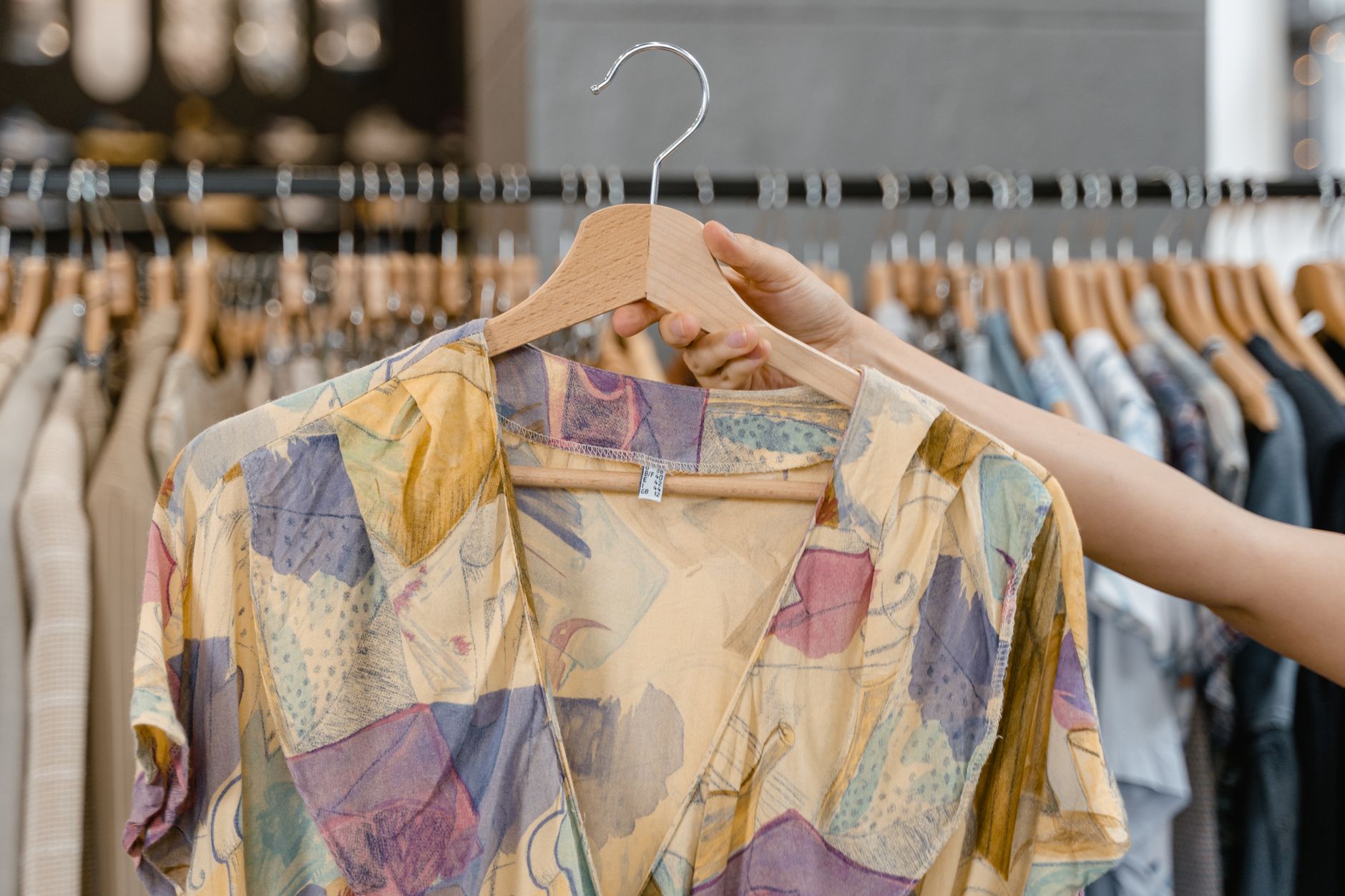
 Photo: Sam Lion / Pexels