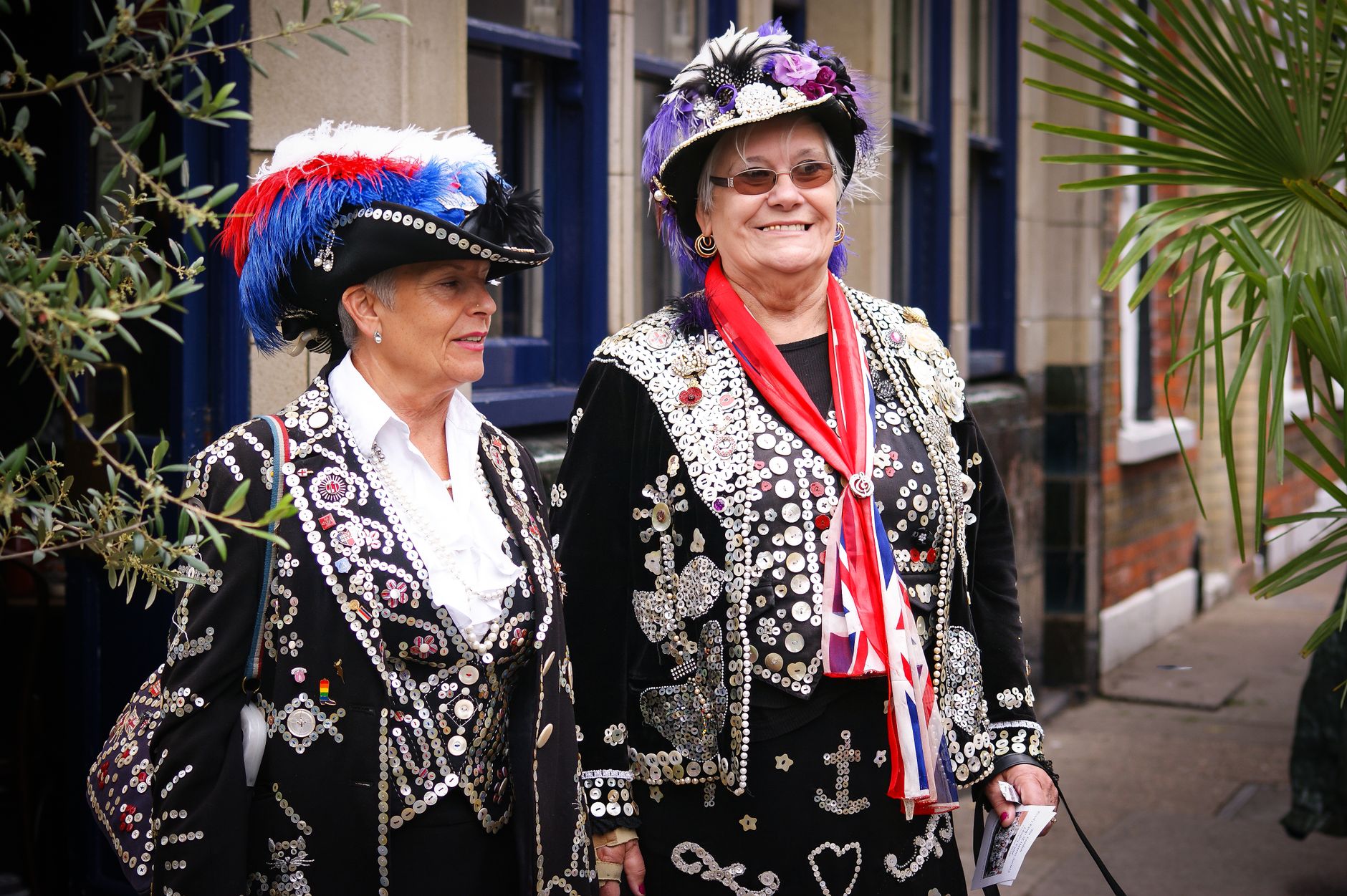
✓ London boasts over 100 dedicated vintage clothing stores and markets.
✓ Buying vintage can reduce your fashion carbon footprint by up to 70%.
✓ Shoreditch, Notting Hill, and Camden are vintage shopping hotspots.
✓ Prices range from budget-friendly market finds to high-end designer pieces.
How It Works
1
Define Your Style & Budget
Before diving in, consider what era or aesthetic you're looking for and how much you're willing to spend. This helps narrow down your search in a city full of options.
2
Explore London's Vintage Neighbourhoods
Each area of London offers a distinct vintage vibe. From bohemian Camden to chic Notting Hill, knowing the hotspots will guide your journey and maximize your finds.
3
Inspect & Authenticate
Always check garments thoroughly for quality, flaws, and authenticity. Look for original labels, sturdy stitching, and durable fabrics to ensure your purchase lasts.
4
Haggle (Where Appropriate)
At markets and smaller independent shops, a polite negotiation might be possible, especially for multiple items. Be respectful and realistic with your offers.
Why Choose to Buy Vintage Clothing in London?
London, a global fashion capital, offers an unparalleled experience for those looking to buy vintage clothing. More than just a trend, opting for pre-loved garments is a conscious choice that resonates with sustainability, individuality, and historical appreciation. The sheer volume and diversity of vintage available across the city mean that whatever your style, budget, or preferred era, you’re almost guaranteed to find something truly special. One of the most compelling reasons to delve into London's vintage scene is the opportunity for unique self-expression. In an age of fast fashion where mass-produced items dominate, vintage clothing allows you to cultivate a wardrobe that stands apart. Imagine finding a meticulously tailored 1960s shift dress, a perfectly worn-in 1970s leather jacket, or a vibrant 1980s print shirt – pieces that carry a story and a character that contemporary clothes simply can't replicate. These aren't just clothes; they are wearable art, conversation starters, and fragments of history. Furthermore, the environmental impact of the fashion industry is a growing concern. By choosing to buy vintage clothing in London, you are actively participating in a circular economy, reducing demand for new manufacturing, and lessening the amount of textile waste ending up in landfills. This sustainable approach helps conserve resources, minimises pollution from dye processes, and reduces carbon emissions associated with production and transportation. It’s a powerful way to make a positive impact on the planet while still indulging your passion for fashion. Beyond sustainability, there's the undeniable allure of quality. Vintage garments often hail from eras when clothes were made to last, crafted from superior fabrics like pure wool, silk, linen, and durable cotton, with robust construction and attention to detail that is rare in today's high-street offerings. These items were designed for longevity, making them a wise investment that can withstand the test of time and repeated wear. Finally, the thrill of the hunt is a significant part of the vintage shopping experience. London's numerous markets, boutiques, and charity shops are treasure troves waiting to be explored. Each visit promises the excitement of discovery, the joy of unearthing a hidden gem, and the satisfaction of owning something truly one-of-a-kind. It's a journey of exploration, not just shopping, making each purchase feel like a personal triumph. This blend of uniqueness, sustainability, quality, and the sheer joy of discovery makes buying vintage clothing in London an incredibly rewarding endeavour for any fashion enthusiast. Whether you're a seasoned vintage aficionado or a curious newcomer, the city's diverse offerings are ready to enchant and inspire.
Top London Neighbourhoods for Vintage Shopping
London's vast and varied landscape means that different areas specialise in different types of vintage. Knowing where to go can significantly enhance your shopping experience and help you find exactly what you're looking for. Let's explore the key districts that every vintage enthusiast should visit.
**Shoreditch & East London:** This area is arguably London's vintage epicentre, known for its edgy, eclectic, and trend-setting fashion. Brick Lane Market is a non-negotiable stop, particularly on Sundays, where you'll find countless stalls and permanent shops selling everything from denim jackets and band tees to unique dresses and accessories. Beyond Brick Lane, you'll discover shops like Beyond Retro, a massive warehouse-style store offering curated collections, and Rokit, known for its extensive range of well-preserved pieces across multiple locations in the area. Shoreditch caters to a younger, fashion-forward crowd, often with a focus on 70s, 80s, and 90s sportswear, streetwear, and quirky finds.
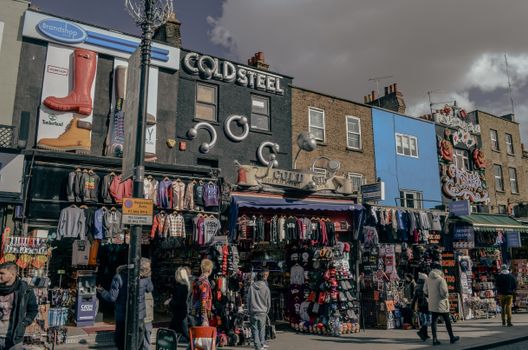
**Camden Town:** Famed for its alternative culture, Camden Market is a labyrinth of stalls and shops offering a bohemian and punk-rock aesthetic. While some of its vintage offerings lean towards costume-wear, you can still unearth fantastic everyday vintage, especially leather goods, band t-shirts, and unique accessories. It’s a vibrant, bustling area perfect for those who love a bit of grit and character in their wardrobe. Look beyond the main market stalls into the smaller side streets and indoor sections for more curated vintage stores.
**Notting Hill & West London:** For a more upscale and curated vintage experience, Notting Hill is your destination. Portobello Road Market, especially on Saturdays, is renowned for its antique and vintage clothing stalls alongside its famous antiques. Here, you're more likely to find designer vintage, elegant dresses, furs, and higher-quality, often more expensive, pieces from the 50s and 60s. The shops surrounding the market also offer a refined selection of pre-loved luxury. This area is ideal for those seeking investment pieces or classic, timeless styles.
**Soho & Central London:** While not as concentrated as Shoreditch, Central London still offers some excellent vintage spots, particularly around Soho. You'll find a mix of independent boutiques and smaller, curated shops that often stock high-end vintage designer wear. These stores are perfect for a targeted search if you're looking for specific labels or statement pieces. Keep an eye out for pop-up vintage fairs that often appear in central locations.
**Brixton & South London:** Brixton is emerging as a strong contender in the vintage scene, offering a more community-focused and diverse selection. Brixton Village and Market Row host several independent vintage boutiques with a focus on vibrant prints, streetwear, and culturally rich pieces. It's a great place to find unique items that reflect the area's lively spirit and artistic flair. Each of these neighbourhoods provides a distinct flavour of London's vintage offerings, ensuring that every vintage hunter can find their perfect style.
Navigating London's Vintage Markets and Shops
Embarking on a vintage shopping spree in London can be an exhilarating experience, but with so many options, it helps to have a strategy. Whether you prefer the bustling energy of a market or the curated calm of a boutique, understanding how to navigate these spaces will enhance your chances of finding that perfect piece. London's vintage markets are a fantastic starting point for any treasure hunt. Places like Brick Lane, Portobello Road, and Camden Market are not just shopping destinations; they are cultural experiences. At markets, be prepared to rummage. Many stalls will have rails packed tightly, requiring patience and a keen eye to spot gems. Don't be afraid to delve into piles or ask stallholders if they have anything specific in mind. Weekends are the busiest, offering the widest selection, but weekdays can provide a more relaxed shopping environment with potentially more opportunities for a chat with the vendors. Remember that pricing at markets can sometimes be flexible, especially if you're buying multiple items or towards the end of the day. Always inspect items carefully for any damage, missing buttons, or stains, as market sales are often final.
Beyond the markets, London is dotted with an impressive array of vintage shops, ranging from large, multi-floor emporiums to small, independent boutiques. Stores like Beyond Retro and Rokit offer extensive, well-organised collections, often categorised by item type or era, making it easier to browse. These larger stores typically have a higher turnover of stock, meaning new items arrive frequently. For a more curated and often higher-end selection, explore the independent boutiques in areas like Notting Hill or Soho. These shops often specialise in particular eras, styles, or even designer vintage, and the staff are usually very knowledgeable. They provide a more personalised shopping experience, and while prices might be higher, the quality and uniqueness of the items often justify the cost. When visiting any vintage shop, it's always a good idea to have a rough idea of what you're looking for, but also be open to unexpected finds. The beauty of vintage is discovering something you never knew you needed. Check fitting rooms carefully, as sizes can vary dramatically between eras and brands. Don't be discouraged if you don't find what you're looking for on your first visit; the stock is constantly changing, making repeat visits a rewarding part of the vintage journey. Consider joining local vintage Facebook groups or following your favourite shops on social media to stay updated on new arrivals and special events. This proactive approach can give you an edge in discovering rare and sought-after items, making your quest to find unique clothing even more successful.
Tips for Successful Vintage Shopping in London
To truly master the art of buying vintage clothing in London, a few insider tips can make all the difference. Whether you're a seasoned pro or a first-timer, these pointers will help you maximise your finds and ensure a rewarding experience.
* **Go with an Open Mind (and an Outfit for Trying On):** Vintage shopping is all about discovery. While it's good to have an idea of what you want, be prepared to be surprised. Wear comfortable clothes that are easy to slip on and off, like leggings and a vest top, especially when dealing with crowded changing rooms or no changing rooms at all (common in markets).
* **Inspect Everything Thoroughly:** This is crucial. Before purchasing, check for holes, tears, missing buttons, broken zips, stains, and signs of wear. Pay attention to seams and hems. A small flaw can often be mended, but larger damage might make the item unwearable or too costly to repair. Don't be shy about holding items up to the light.
* **Know Your Measurements, Not Just Your Size:** Vintage sizing differs significantly from modern sizing. A 'size 12' from the 1970s is unlikely to be the same as a modern 'size 12'. Carry a tape measure and know your bust, waist, and hip measurements. This will save you time and disappointment.
* **Understand Fabric and Quality:** Vintage clothes often boast superior materials. Look for natural fibres like wool, cotton, silk, and linen. These are durable, breathable, and often well-preserved. Check the weight and drape of the fabric. High-quality construction, like finished seams and sturdy stitching, is a good indicator of longevity.
* **Haggle Respectfully (Where Appropriate):** At markets and smaller, independent stalls, polite negotiation is often accepted, especially if you're paying with cash or buying multiple items. However, in established boutiques, prices are usually fixed. Always be respectful and reasonable with your offers.
* **Think About Upcycling and Alterations:** Don't dismiss an item just because it's not a perfect fit or needs a minor refresh. A good tailor can work wonders, and a simple alteration can transform a piece. Consider if a garment can be easily shortened, taken in, or if a stain can be removed.
* **Clean Your Finds Properly:** Once home, always clean your vintage items according to their fabric type. Some delicate items may require dry cleaning or hand washing. This ensures hygiene and preserves the garment.
* **Explore Beyond the Obvious:** While major markets are great, don't overlook smaller charity shops, pop-up events, and less-known independent stores. These often hold unexpected treasures and unique finds at better prices.
By keeping these tips in mind, your vintage shopping adventures in London will be more fruitful, enjoyable, and sustainable, helping you build a truly unique wardrobe.
Comparison
Feature
Shoreditch (East London)
Notting Hill (West London)
Camden Town (North London)
Style Focus
Edgy, Streetwear, 70s-90s
Classic, Designer, 50s-60s
Alternative, Bohemian, Punk
Price Range
Mid-range to Affordable
High-end, Investment Pieces
Affordable to Mid-range
Shop Type
Large stores, Market stalls
Curated boutiques, Market stalls
Market stalls, Smaller shops
Best For
Unique finds, Daily wear
Special occasions, Designer
Statement pieces, Accessories
What Readers Say
★★★★★
"I've been buying vintage clothing in London for years, and this guide perfectly captures the magic! Found an amazing 70s dress at a Brick Lane market stall last weekend, thanks to the tips on inspecting quality."
Eleanor V. · Islington, London
★★★★★
"Visiting London, I used this guide to hit Shoreditch and Camden. The advice on checking sizes and quality was invaluable. Came away with a fantastic leather jacket and some unique band tees."
Marcus L. · Manchester, UK
★★★★★
"I was hesitant about vintage, but this article convinced me to try Notting Hill. I found a stunning, perfectly preserved 1950s silk scarf that completed my outfit. The quality is truly unmatched by new items."
Sarah P. · Richmond, London
★★★★★
"Very comprehensive guide! While some of the market stalls were a bit overwhelming, the specific neighbourhood recommendations helped me narrow down my search to areas that suited my style. The focus on sustainability really resonated."
David K. · Edinburgh, UK
★★★★★
"As a student on a budget, knowing where to find affordable vintage clothing in London was key. The Brixton section pointed me to some amazing spots where I got stylish pieces without breaking the bank. Highly recommend!"
Chloe B. · Clapham, London
Frequently Asked Questions
What are the best days to buy vintage clothing in London markets?
Sunday is generally the busiest and most vibrant day for London's vintage markets like Brick Lane and Portobello Road, offering the widest selection of goods. However, weekdays can offer a more relaxed shopping experience with fewer crowds, and some permanent shops are open daily. For Portobello Road, Saturday is the main antique and vintage day.
Is vintage clothing in London expensive?
The cost of vintage clothing in London varies greatly. You can find budget-friendly items in charity shops and some market stalls, especially in areas like Camden or certain parts of Brick Lane. However, high-end designer vintage or meticulously curated pieces in upscale boutiques (e.g., Notting Hill) can be quite expensive, sometimes comparable to new luxury items. It depends on the item's rarity, condition, and brand.
How do I ensure the quality and authenticity of vintage pieces?
Always inspect items thoroughly for flaws like tears, stains, and missing buttons. Check seams, zippers, and fabric integrity. For authenticity, look for original labels, quality of stitching, and the general feel of the fabric which often differs from modern counterparts. Reputable vintage shops usually authenticate their designer items, but at markets, trust your judgment and the seller's reputation.
Can I return vintage items if they don't fit or are damaged?
Return policies for vintage clothing vary significantly. Many market stalls and smaller independent shops operate on a 'final sale' basis, especially for items sold as-is. Larger vintage stores like Beyond Retro or Rokit typically have a clear return or exchange policy, often for store credit. Always clarify the return policy before making a purchase, especially for higher-value items.
What's the difference between vintage and second-hand clothing?
While often used interchangeably, 'vintage' typically refers to clothing that is at least 20 years old and reflects the style of a specific era. It's often valued for its unique design, quality, or historical significance. 'Second-hand' simply means pre-owned, regardless of age, and can include contemporary items. All vintage is second-hand, but not all second-hand is vintage.
Who should consider buying vintage clothing in London?
Anyone looking to develop a unique personal style, reduce their environmental impact from fast fashion, or find high-quality garments that stand the test of time should consider buying vintage. It's perfect for fashion enthusiasts, eco-conscious shoppers, and those who appreciate the history and craftsmanship of past eras.
Are there any health or hygiene concerns with buying pre-loved clothes?
Generally, reputable vintage shops and market stalls ensure their items are clean before sale. However, it's always recommended to wash or dry clean any vintage garment immediately after purchase, especially items that come into direct contact with your skin. This ensures personal hygiene and can also help refresh the fabric.
How is the London vintage scene evolving?
The London vintage scene is continuously growing and adapting, with an increasing focus on sustainability and curated collections. Online vintage platforms are becoming more popular, complementing physical stores. There's also a growing trend towards 'reworked' vintage and upcycled pieces, offering unique designs from existing garments, reflecting a strong emphasis on individuality and environmental consciousness.
Ready to transform your wardrobe and embrace sustainable style? Use this guide to buy vintage clothing in London and discover the unique pieces that tell a story. Your next fashion adventure awaits!