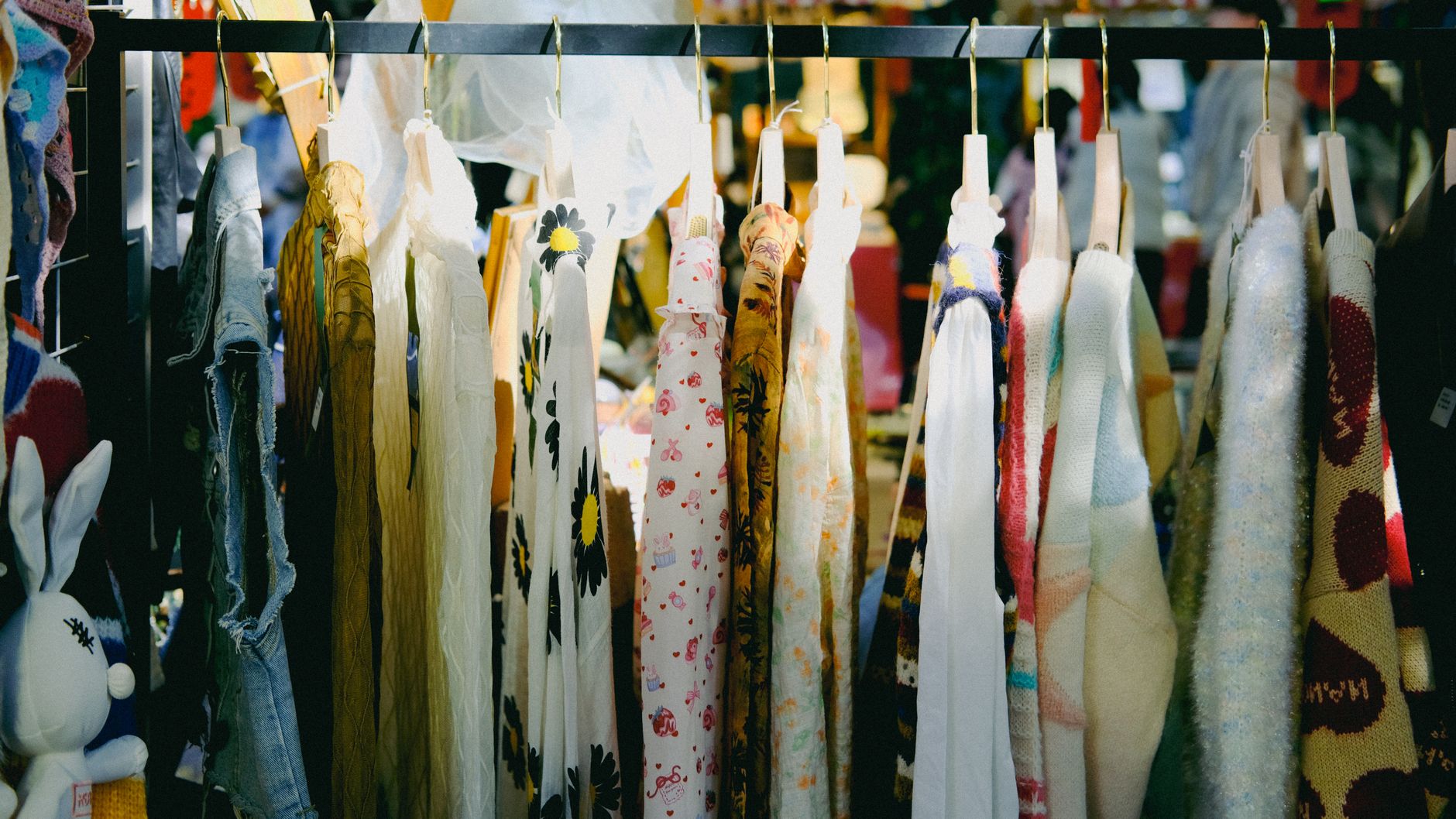
Smart Choices: Buy Second Hand Designer Clothes UK
July 27, 2026 16 min read 3,147 words
Unlock luxury for less and embrace sustainable style by exploring the vibrant market for pre-loved designer fashion across the UK.
Start Your Luxury Hunt
The Allure of Pre-Loved Luxury Fashion in the UK
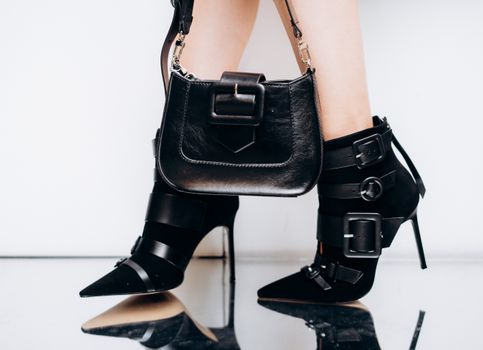 Photo: pedro furtado / Pexels
The landscape of fashion consumption is undergoing a significant transformation, and nowhere is this more evident than in the burgeoning market for pre-loved luxury. For discerning shoppers across the UK, the decision to buy second hand designer clothes UK is no longer a compromise but a conscious choice rooted in savvy economics, unique style, and profound ethical considerations. Gone are the days when second-hand implied second-best; today, it signifies smart, sustainable, and sophisticated. The UK market, in particular, has embraced this shift with open arms, becoming a vibrant hub for high-quality, authentic designer pieces that tell a story.
At its core, the appeal lies in accessibility. Luxury fashion, by its very nature, often comes with a prohibitive price tag. By opting for pre-loved items, consumers can acquire coveted pieces from brands like Chanel, Louis Vuitton, Gucci, and Prada at a fraction of their original retail cost. This democratisation of luxury allows a broader audience to experience the craftsmanship, quality, and timeless design that define these iconic labels. Imagine acquiring that classic Burberry trench coat or a timeless Hermès scarf without the eye-watering investment – this is the reality of the second-hand market.
Beyond the financial advantages, there's a strong environmental imperative driving this trend. The fashion industry is notoriously resource-intensive, contributing significantly to global pollution and waste. Each purchase of a second-hand item directly reduces demand for new production, thereby lessening the environmental footprint. It's a tangible way for individuals to participate in the circular economy, extending the life cycle of garments and accessories and diverting them from landfill. This conscious consumerism aligns perfectly with a growing global awareness of sustainability, making
ethical fashion choices a priority for many.
Furthermore, the second-hand market offers a treasure trove of unique finds. While mainstream retail focuses on current collections, resale platforms provide access to past season gems, limited editions, and even vintage pieces that are no longer available in stores. This allows individuals to cultivate a truly distinctive personal style, setting them apart from the mass-produced trends. It's an opportunity to discover rare items that carry a sense of history and individuality, adding character and depth to any wardrobe. The thrill of the hunt, of unearthing a forgotten classic or a piece from a beloved collection, is a significant draw for many enthusiasts.
The rise of sophisticated online platforms and dedicated brick-and-mortar boutiques has also legitimised and streamlined the process of buying second-hand designer clothes. These platforms often employ rigorous authentication processes, ensuring buyers receive genuine articles and mitigating concerns about counterfeits. This professionalisation has built trust and confidence, encouraging more people to explore the pre-loved market. From bustling London markets to curated online stores, the options to buy second hand designer clothes UK are more varied and reliable than ever before, cementing its position as a cornerstone of modern fashion consumption.
Navigating the UK's Top Platforms for Authentic Designer Finds
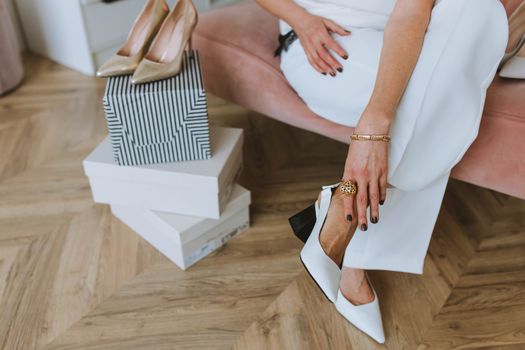 Photo: Anastasia Shuraeva / Pexels
When you decide to buy second hand designer clothes UK, the first crucial step is identifying where to shop. The UK boasts a robust and diverse ecosystem of platforms, each with its own strengths, catering to different preferences and budgets. Understanding these options is key to a successful and satisfying purchase, ensuring you find authentic items in excellent condition. From global online marketplaces with a strong UK presence to local boutiques and dedicated consignment stores, the choices are plentiful.
Online platforms have revolutionised the pre-loved market, offering unparalleled access to a vast inventory. Sites like Vestiaire Collective and The RealReal are giants in this space, known for their stringent authentication processes. Vestiaire Collective, a French-based company with a massive UK following, employs a team of experts to physically inspect items before they are shipped to the buyer. This multi-point authentication gives buyers significant peace of mind. The RealReal, an American luxury consignment marketplace, also focuses heavily on authenticity, using a team of gemologists, horologists, and brand experts to verify every item. Both platforms offer a wide range of designer clothing, handbags, shoes, and accessories, often with detailed descriptions and high-quality images.
Beyond these international powerhouses, UK-specific platforms and those with a strong local presence are equally valuable. hardlyeverwornit.com is a well-regarded UK-based platform specialising in luxury fashion, offering a curated selection and a personalised service. Cudoni, another UK luxury reselling service, focuses on high-end items and provides a white-glove service for both sellers and buyers, ensuring a premium experience. For those looking for more accessible price points or a broader range of styles, sites like Depop and Vinted have gained immense popularity. While they host a vast number of sellers, and authenticity checks are often peer-to-peer or less stringent than dedicated luxury sites, they can still be goldmines for designer finds, especially from contemporary brands or for those willing to do their own due diligence.
Physical stores also play a vital role in the UK's second-hand designer market. London, in particular, is home to numerous high-end consignment boutiques such as Sign of the Times in Chelsea, which has been a staple for luxury resale for decades. These boutiques offer a tactile shopping experience, allowing you to inspect items in person, try them on, and receive expert advice. They often have a highly curated collection, focusing on pristine condition and sought-after pieces. Outside of London, many independent towns and cities have their own hidden gems – local charity shops in affluent areas can occasionally yield incredible designer finds, often at incredibly low prices, requiring a keen eye and a bit of luck.
Finally, don't overlook designer outlet villages (like Bicester Village, though primarily new stock, some stores may have past season items at reduced prices) and vintage fairs. While not strictly second-hand in the traditional sense, they offer discounted designer goods. However, for true pre-loved luxury, the dedicated resale platforms and boutiques remain your best bet. Always compare prices across different platforms, read seller reviews, and understand return policies to ensure a seamless and satisfying experience when you embark on your journey to buy second hand designer clothes UK.
Ensuring Authenticity and Condition: Your Guide to Smart Purchasing
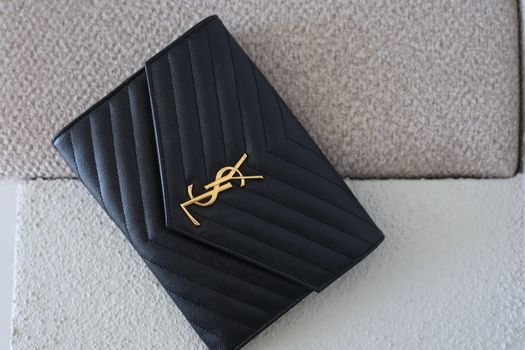 Photo: Melike B / Pexels
The primary concern for anyone looking to buy second hand designer clothes UK is authenticity. The market, while rich with genuine treasures, also unfortunately contains a proportion of counterfeit items. Safeguarding your investment and ensuring you receive a legitimate piece requires vigilance and an understanding of key authentication methods. Beyond authenticity, the condition of a pre-loved item is paramount; a great deal on a designer piece is only truly great if the item is still wearable and well-maintained.
Firstly, always prioritise purchasing from reputable sources. As discussed, platforms like Vestiaire Collective, The RealReal, and hardlyeverwornit.com have robust in-house authentication teams. These services, while sometimes incurring a small fee, provide an invaluable layer of security. If buying from a peer-to-peer platform like Depop or eBay, the onus is more on you, the buyer, to perform due diligence. Look for sellers with excellent reviews, a long selling history, and clear, detailed photographs of the item. Scrutinise seller profiles for any red flags, such as newly created accounts with high-value listings.
When examining the item itself, pay meticulous attention to detail. Designer pieces are renowned for their superior craftsmanship. Look at the stitching – is it even, tight, and consistent? Are the seams perfectly aligned? Counterfeits often have sloppy stitching or uneven patterns. Hardware (zippers, buckles, clasps) is another crucial indicator. Authentic designer hardware is typically heavy, well-finished, and often branded. Cheap, light, or tarnished hardware can be a giveaway. Check logos and brand stamps; these should be clear, perfectly aligned, and consistent with the brand's official typography and placement. Research the specific item you're interested in; most luxury brands have unique serial numbers, date codes, or authenticity cards that can be cross-referenced.
Understanding brand specific details is key to spotting fakes.
The condition of the item is equally important. High-resolution photographs are your best friend here. Don't settle for blurry or limited images. Request additional photos if necessary, especially of areas prone to wear such as corners of bags, cuffs of jackets, soles of shoes, and interior linings. Read the product description thoroughly for any mention of flaws, wear, or alterations. Reputable sellers will disclose all imperfections. Terms like 'excellent pre-loved condition,' 'very good,' or 'good' generally indicate minor wear, while 'fair' might suggest more noticeable signs of use. Understand what these terms mean to the seller and don't be afraid to ask for clarification. A slight scuff on a shoe might be acceptable, but a torn lining or a broken zipper might not be worth the saving.
Finally, always check the return policy. Even with the most careful inspection, sometimes an item isn't quite as expected. Reputable platforms and sellers will offer clear return options, which is a significant safety net. If a seller has a 'no returns' policy, especially on a high-value item, proceed with extreme caution. Utilizing secure payment methods that offer buyer protection, such as PayPal, can also provide an additional layer of security should a dispute arise. By combining diligent research, careful inspection, and smart platform choices, you can confidently buy second hand designer clothes UK and enjoy your authentic, high-quality finds.
Smart Strategies for Sustainable Luxury: Tips & Common Mistakes to Avoid
 Photo: Porapak Apichodilok / Pexels
Embracing the world of second-hand designer fashion in the UK is a journey that offers immense rewards, from financial savings to environmental benefits. However, like any specialised market, it comes with its own set of strategies for success and pitfalls to avoid. By adopting a smart, informed approach, you can maximise your chances of finding exceptional pieces while sidestepping common mistakes.
**Tips for a Successful Second-Hand Designer Purchase:**
* **Do Your Research Thoroughly:** Before you even start browsing, research the specific designer and item you're interested in. Understand its typical features, materials, sizing, and common authentication markers. This knowledge is your best defence against counterfeits and helps you identify genuine value.
* **Set a Realistic Budget:** While second-hand is cheaper, designer items still command a premium. Define your budget for specific items or categories to avoid overspending and to focus your search effectively.
* **Prioritise Condition Over Price Alone:** A heavily discounted item might seem appealing, but if it's in poor condition, it could end up costing you more in repairs or simply be unwearable. Evaluate the cost-to-condition ratio carefully.
* **Read Descriptions Meticulously:** Don't just skim. Read every word of the product description, paying close attention to any mention of flaws, alterations, or sizing discrepancies. A detailed description is a sign of a transparent seller.
* **Request Additional Photos:** If the provided images aren't sufficient, always ask for more, especially close-ups of logos, hardware, stitching, and any areas of wear. A good seller will be happy to oblige.
* **Check Seller Reviews and History:** On peer-to-peer platforms, a seller's reputation is paramount. Look for consistent positive feedback and a history of selling similar high-value items.
* **Understand Sizing Variations:** Designer sizing can be inconsistent and often differs from high-street brands. If possible, know your measurements and compare them to the item's dimensions, or research how that specific designer's sizing runs.
* **Consider Cleaning and Restoration Costs:** Factor in the potential cost of professional cleaning or minor repairs when budgeting for a pre-loved item. Sometimes a slight imperfection can be easily fixed, adding value.
**Common Mistakes to Avoid When Buying Second-Hand Designer Clothes UK:**
* **Impulse Buying:** The thrill of a perceived bargain can lead to rushed decisions. Take your time, compare options, and don't let FOMO (fear of missing out) dictate your purchase.
* **Ignoring Authenticity Red Flags:** If something feels too good to be true, it probably is. Unusually low prices for highly coveted items, blurry photos, or evasive sellers are major warning signs.
* **Not Asking Enough Questions:** Never assume. If you have any doubt about authenticity, condition, or size, ask the seller directly. A lack of clear answers should be a deterrent.
* **Overlooking Return Policies:** Always understand the return policy of the platform or seller. Purchasing high-value items with no return option is a significant risk.
* **Falling for Generic Listings:** Be wary of listings that use stock photos or extremely generic descriptions. This can indicate a reseller with many items and little personal knowledge of each, or worse, a scammer.
* **Forgetting to Factor in Shipping and Import Duties (if applicable):** While buying within the UK generally avoids import duties, always check shipping costs. If buying from an international seller, be aware of potential customs charges.
* **Not Inspecting in Person (if possible):** If buying from a local boutique or a private seller where an in-person viewing is an option, take advantage of it. It's the best way to assess true condition and authenticity.
By following these tips and avoiding these common pitfalls, your experience to buy second hand designer clothes UK will be much more rewarding, allowing you to build a stylish, sustainable wardrobe with confidence.